Bringing a new puppy home is exciting, but it also comes with important responsibilities—especially when it comes to feeding. How you feed your puppy now can shape their health, energy, and happiness for years to come.
You might wonder what to feed, how much, and when to do it right. Getting these details right isn’t just about filling a bowl; it’s about giving your puppy the best start in life. Keep reading, and you’ll discover simple, clear steps to make feeding your puppy easy and effective.
Your furry friend will thank you for it!
Choosing The Right Food
Choosing the right food for your puppy is very important. A good diet helps your puppy grow strong and healthy. Puppies need special food made just for them. Their bodies and brains are still growing fast. Feeding them the right food gives them the energy and nutrients they need.
Types Of Puppy Food
Puppy food comes in different forms. Dry kibble is crunchy and helps clean teeth. Wet food has more moisture and is soft to eat. Some owners mix both types for variety. There are also raw and homemade diets, but these need careful planning. Choose a type your puppy likes and can eat easily.
Nutritional Needs
Puppies need more protein than adult dogs. Protein builds muscles and supports growth. They also need fat for energy and healthy skin. Vitamins and minerals help bones and the immune system. Look for food labeled for puppies. It should meet the nutritional needs set by experts.
Reading Food Labels
Check the food label carefully before buying. The first ingredient should be meat or fish. Avoid foods with too many fillers like corn or wheat. Look for added vitamins and minerals. The label should say it meets AAFCO standards. This means the food is balanced and safe for puppies.
Feeding Schedule
Creating a proper feeding schedule is important for your puppy’s health. It helps your puppy grow strong and stay active. A good schedule keeps their digestion steady and prevents overeating. Feeding at set times also helps with house training and routine.
Frequency By Age
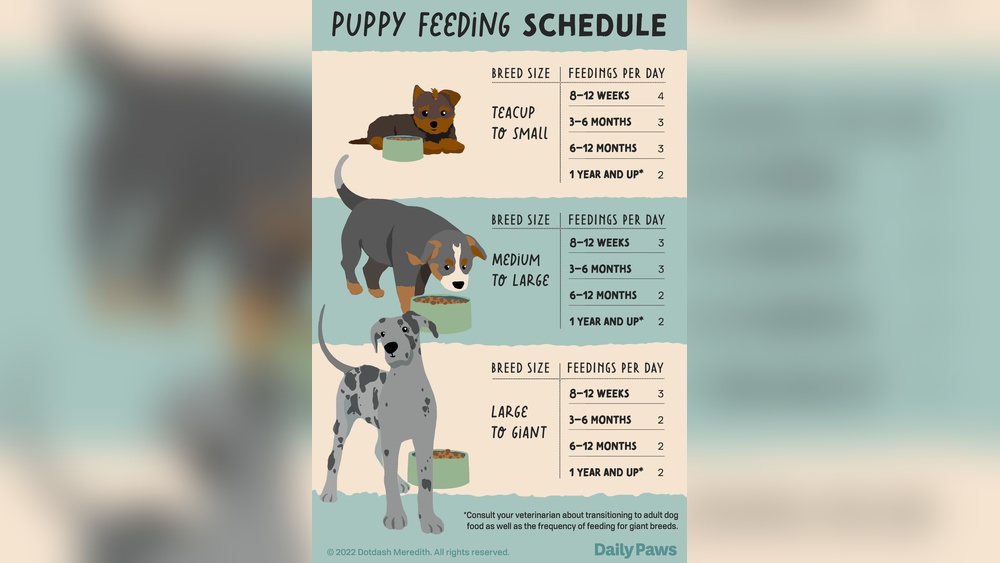
Puppies need more meals than adult dogs. For puppies under three months, feed four times daily. From three to six months, feed three times daily. After six months, switch to two meals per day. Regular feeding times keep your puppy’s energy balanced.
Portion Sizes
Portions depend on your puppy’s age, weight, and breed. Follow the feeding guide on the puppy food package. Measure food with a cup or scale for accuracy. Avoid free feeding to prevent overeating and weight gain. Adjust portions as your puppy grows.
Transitioning To Adult Food
Start switching to adult food around one year old. Mix adult food with puppy food gradually over 7 to 10 days. Increase the adult food amount each day. Watch for any stomach upset during the change. A smooth transition helps your puppy digest well.
Feeding Techniques
Feeding a puppy involves more than just offering food. The right techniques help your puppy eat well and grow strong. Good feeding habits start with how and where you feed your puppy. These simple steps create a positive experience and support healthy development.
Proper Bowl Placement
Place the food bowl on a flat, stable surface. Avoid high or unstable spots to prevent spills. Keep the bowl in the same place every day. This helps your puppy know where to eat. Use a bowl size that fits your puppy’s mouth comfortably. Clean the bowl daily to keep it safe and fresh.
Creating A Calm Environment
Choose a quiet, low-traffic area for feeding. Noise and distractions can stress your puppy. Keep other pets away during meal times. This prevents competition and anxiety. Sit near your puppy to offer comfort without pressure. A calm space helps your puppy focus on eating.
Encouraging Good Eating Habits
Feed your puppy at the same times daily. Consistency builds routine and helps digestion. Offer food in small portions to avoid overeating. Praise your puppy gently when it eats well. Avoid forcing or rushing your puppy to eat. Let your puppy finish at its own pace.
)
Credit: www.microcomenviro.com
Avoiding Common Mistakes
Feeding a puppy is exciting but can be tricky. Many new pet owners make mistakes that harm their puppy’s health. Avoiding these common errors helps your puppy grow strong and happy. Simple care and attention make a big difference in your puppy’s life.
Overfeeding Risks
Giving too much food is a common mistake. Overfeeding causes weight gain and health problems. Puppies can develop joint issues from extra weight. It also leads to poor digestion and discomfort. Follow feeding guidelines carefully. Use a measuring cup for accuracy. Feed your puppy the right amount for its age and breed.
Unsafe Foods For Puppies
Some human foods are dangerous for puppies. Chocolate, grapes, onions, and garlic can cause illness. Avoid giving your puppy table scraps or treats not made for dogs. Raw dough and bones can also be harmful. Always check if a food is safe before feeding. Stick to puppy-friendly foods to keep your pet healthy.
Ignoring Hydration
Puppies need plenty of fresh water every day. Water helps digestion and keeps puppies cool. Dehydration can cause serious health issues fast. Always provide clean water in an easy-to-reach bowl. Change water several times daily to keep it fresh. Watch your puppy to make sure it drinks enough.
Monitoring Growth And Health
Monitoring your puppy’s growth and health is key to raising a happy dog. Puppies change fast, and careful attention helps spot problems early. This keeps your puppy strong and well-nourished.
Tracking Weight And Size
Weigh your puppy regularly. Use a small scale at home or visit the vet. Note the weight and compare it to breed standards. Measure your puppy’s length and height too. Growth charts help see if your puppy grows at the right pace. Sudden weight loss or gain needs attention.
Recognizing Nutritional Deficiencies
Watch for signs of poor nutrition. Dull coat, weak muscles, or low energy can mean lack of vitamins or minerals. Your puppy may have trouble growing or get sick often. Look for changes in appetite or digestion. These signs suggest a need to adjust the diet.
When To Consult A Vet
Visit the vet if you see unusual symptoms. Persistent vomiting, diarrhea, or lethargy should not be ignored. Slow or no growth is a red flag. Your vet can check for illnesses or nutritional issues. Early help prevents bigger health problems later.

Credit: www.youtube.com
Credit: www.icecreamfactoryny.com
FAQs For How To Feed A Puppy
How Often Should I Feed My Puppy Daily?
Puppies need frequent meals for growth. Feed them 3 to 4 times daily until six months old. After six months, reduce to two meals daily. Regular feeding schedules help maintain energy and healthy digestion.
What Type Of Food Is Best For Puppies?
Choose high-quality puppy-specific food with balanced nutrients. Look for formulas rich in protein, fat, and essential vitamins. Avoid adult dog food, as puppies have different dietary needs. Consult your vet for recommendations tailored to your puppy’s breed and size.
When Can I Switch My Puppy To Adult Dog Food?
Switch to adult food around one year old or when your vet advises. Gradually mix adult food with puppy food over seven days. This transition supports proper growth and prevents digestive upset.
How Much Food Should I Give My Puppy?
Follow feeding guidelines on your puppy’s food package. Amount varies by breed, weight, and age. Monitor your puppy’s weight and adjust portions accordingly. Overfeeding can cause obesity; underfeeding hampers growth.
Conclusion
Feeding a puppy right helps them grow strong and healthy. Choose good food and feed at set times. Watch your puppy’s weight and energy each day. Fresh water must always be nearby. Treats are fine but keep them small. Patience and care make feeding time fun.
Your puppy will thank you with love and play. Keep learning and enjoy every moment together.