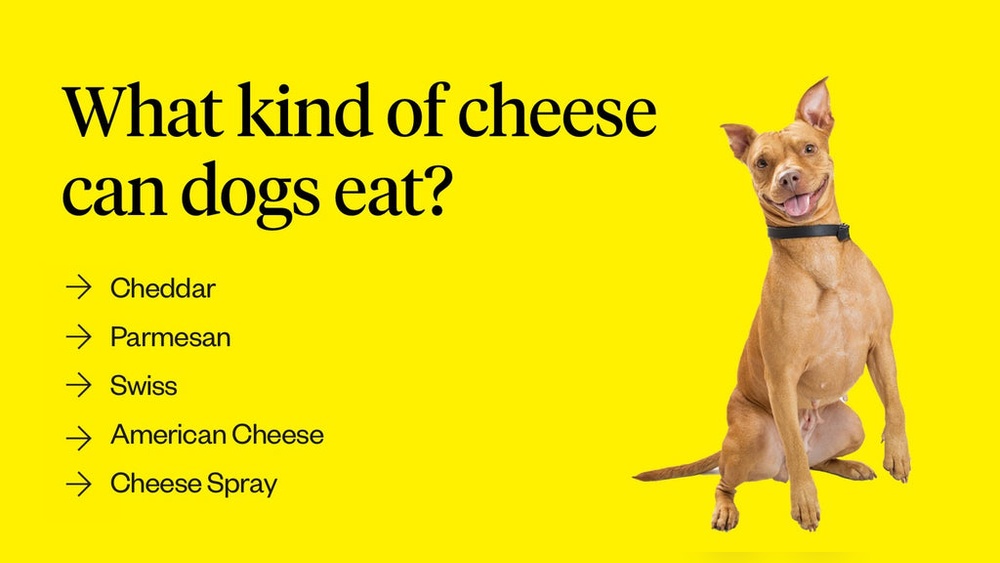
Can dogs eat American cheese, or is it a sneaky treat to avoid? The short answer is yes—dogs can eat American cheese in small amounts, but it’s not the best choice for daily snacks. I’ve given my own dog a tiny piece during training, but I stay careful because of the salt and additives. As someone who’s spent years learning about pet nutrition, I always suggest keeping treats simple—so let’s look at when this cheesy bite is okay and when it’s not.
Understanding American Cheese
American cheese is a processed cheese product. It is made by blending natural cheeses, usually cheddar or Colby, with emulsifiers, salt, and sometimes colorings or preservatives. Unlike traditional cheese, it melts easily and has a mild flavor. The bright orange or yellow slices are popular in sandwiches, burgers, and snacks.
How Is American Cheese Made?
The process starts with milk, which is turned into cheese curds. These curds are then ground, mixed with more milk, whey, and additives, and heated until smooth. The mixture is shaped into blocks or slices, packaged, and sold. Because of the extra ingredients, American cheese has a different texture and shelf life than natural cheese.
Main Ingredients In American Cheese
Some typical ingredients include:
- Pasteurized milk
- Cheese culture
- Salt
- Emulsifiers (like sodium phosphate)
- Whey
- Preservatives
- Food coloring (like annatto or beta-carotene)
- Milkfat
Many of these ingredients are not found in traditional cheese. The additives help with melting, flavor, and preservation but can affect how the cheese interacts with your dog’s digestive system.
Is American Cheese Safe For Dogs?
The short answer is: Dogs can eat American cheese in small amounts, but it is not the healthiest choice. Most dogs will not have a dangerous reaction if they eat a small piece. However, there are important risks and conditions to consider.
Why American Cheese Is Not Ideal
- High Salt Content: Too much salt can lead to sodium ion poisoning in dogs, causing symptoms like vomiting, diarrhea, tremors, and even seizures.
- Lactose Content: While lower than in some dairy products, American cheese still contains lactose. Some dogs are lactose intolerant, which means they cannot digest lactose well. This can lead to stomach upset, gas, and diarrhea.
- Additives and Preservatives: Artificial colors, emulsifiers, and preservatives may irritate sensitive dogs. Some have been linked to allergies or longer-term health problems.
- Fat and Calories: American cheese is high in fat and calories, which can contribute to obesity and pancreatitis if fed in large amounts.
Is There Any Benefit?
A tiny piece can be used as an occasional treat or as a “pill pocket” to hide medicine. The strong smell and soft texture make it easy to wrap around pills, which can help dogs who refuse tablets.

Credit: stogagirlssoccer.com
Nutritional Profile Of American Cheese
Understanding the nutrition in American cheese helps you make better decisions for your dog. Here’s a comparison between American cheese and a common cheese, cheddar.
| Nutrient (per 28g/1 slice) | American Cheese | Cheddar Cheese |
|---|---|---|
| Calories | 105 | 113 |
| Protein | 5g | 7g |
| Fat | 8g | 9g |
| Sodium | 468mg | 174mg |
| Lactose | About 1g | Less than 0.1g (aged) |
Notice the much higher sodium in American cheese. This is a key concern for dogs, especially small breeds or those with heart or kidney problems.
Potential Health Risks For Dogs
Feeding American cheese to dogs is not the same as giving them a simple piece of meat or fruit. Dogs process food differently than humans, and certain ingredients can cause problems.
1. Lactose Intolerance
Most dogs produce less lactase (the enzyme needed to digest lactose) as they grow older. If a dog cannot digest lactose, it may experience:
- Diarrhea
- Stomach cramps
- Gas
- Vomiting
Some breeds are more sensitive than others. Even if your dog seems fine after a small piece, too much can quickly cause trouble.
2. Salt Poisoning
One slice of American cheese may contain almost half a gram of sodium. For a medium-sized dog, the safe daily sodium intake is much lower than for humans. Signs of salt poisoning include:
- Excessive thirst
- Frequent urination
- Confusion
- Seizures
If your dog accidentally eats several slices, watch for these signs and contact a vet if you’re concerned.
3. Pancreatitis
High-fat foods can trigger pancreatitis, which is a painful swelling of the pancreas. Symptoms include:
- Vomiting
- Loss of appetite
- Lethargy
- Abdominal pain
Dogs with a history of pancreatitis or obesity should not get fatty treats like American cheese.
4. Obesity
Cheese is calorie-dense. Small treats add up quickly, especially for less active or small dogs. Obesity in dogs can lead to diabetes, joint pain, breathing problems, and a shorter lifespan.
5. Allergic Reactions
Some dogs are allergic to dairy or additives in processed cheese. Signs of allergy may include:
- Itchy skin
- Red or inflamed ears
- Chronic diarrhea
- Frequent scratching
It’s important to monitor your dog after giving any new food.
How Much American Cheese Is Safe?
If you decide to give your dog a taste, stick to very small amounts. A general rule is that treats should be no more than 10% of your dog’s daily calories.
For American cheese:
- Small dogs (under 20 lbs): Less than ¼ slice, once a week
- Medium dogs (20-50 lbs): ¼ to ½ slice, once a week
- Large dogs (over 50 lbs): Up to 1 slice, once a week
Never feed cheese daily, and always watch for any digestive upset or unusual behavior.
Dogs Who Should Never Eat American Cheese
- Puppies: Young dogs are more sensitive to lactose and additives.
- Dogs with kidney, heart, or liver disease: The salt and fat can worsen these conditions.
- Dogs with pancreatitis or obesity: Cheese is too high in fat and calories.
- Allergic dogs: If your dog has reacted badly to dairy before, avoid all cheese products.
Comparing American Cheese To Other Cheeses
Not all cheeses are the same. Some are safer for dogs than others because of their ingredients, fat content, and how they are made.
| Type of Cheese | Lactose Level | Fat Content | Salt Content | Dog Safety |
|---|---|---|---|---|
| American | Medium | High | Very High | Poor |
| Cheddar (aged) | Low | High | Medium | Better |
| Mozzarella | Medium | Medium | Low | Good (small amounts) |
| Cottage Cheese | Lower | Low | Low | Best |
| Blue Cheese | Low | High | High | Unsafe (toxic mold) |
| Goat Cheese | Lower | Medium | Medium | Moderate |
Cottage cheese is often the safest choice for dogs because it’s lower in fat, salt, and lactose. Blue cheese should always be avoided, as the mold can be toxic to dogs.
When Is American Cheese Helpful For Dogs?
Although not healthy, there are times when a small piece of American cheese can be useful.
Giving Medication
Many dogs refuse pills or capsules. Wrapping the medicine in a thin slice of American cheese can make it easier to give. The cheese masks smells and flavors, and the soft texture holds pills well. This trick is often recommended by veterinarians for stubborn dogs.
Training Rewards
High-value treats are important during training. Because American cheese is smelly and tasty, a tiny bit (less than a pea-sized piece) can be used as a reward for difficult tasks. However, this should be rare and only for special occasions.
Encouraging Eating In Sick Dogs
Sometimes, a sick or elderly dog loses its appetite. Mixing a small shred of cheese with bland food can encourage eating. Always check with your vet before doing this, especially if your dog has a medical condition.
What To Do If Your Dog Eats Too Much American Cheese
Dogs are curious and may eat things they shouldn’t. If your dog eats a large amount of American cheese:
- Stay calm. Most dogs will be uncomfortable but not in immediate danger.
- Watch for symptoms such as vomiting, diarrhea, bloating, or signs of salt poisoning.
- Provide fresh water to help flush out extra salt.
- Do not induce vomiting unless your vet advises it.
- Call your veterinarian if you notice unusual behavior or if your dog has a health condition.
Warning Signs That Need A Vet
- Repeated vomiting or diarrhea
- Lethargy or collapse
- Seizures
- Refusing to eat or drink
These can be signs of pancreatitis, salt toxicity, or a severe allergic reaction. Quick action is important.

Credit: cinemaximiliaan.org
Common Myths About Dogs And Cheese
Many pet owners believe cheese is harmless or even good for dogs. Let’s clear up some common myths.
“cheese Is A Great Source Of Protein For Dogs.”
While cheese does have protein, it is also high in fat, salt, and lactose. Lean meats, eggs, or specially-made dog treats are better protein sources.
“all Dogs Love Cheese And Can Eat It Safely.”
Some dogs dislike cheese, and many have trouble digesting lactose. Allergies are also more common than people think.
“cheese Is A Perfect Training Treat.”
Cheese can be a high-value reward, but there are healthier options like boiled chicken, freeze-dried liver, or store-bought treats designed for dogs.
“giving Cheese Helps My Dog’s Coat And Bones.”
Dogs need balanced food with vitamins and minerals. Cheese alone will not improve coat or bone health and can cause weight gain if overfed.
Healthier Alternatives To American Cheese For Dogs
If you want to give your dog a cheesy treat, consider healthier options.
- Cottage cheese: Lower in fat, salt, and lactose. Choose plain, unsalted varieties.
- Plain yogurt: Probiotic benefits and lower lactose, but only feed in moderation.
- Homemade dog treats: You can bake treats using small amounts of cheese, oat flour, and pumpkin.
- Dog-safe cheese: Some pet stores sell cheese treats made for dogs, with less salt and no harmful additives.
Always introduce new foods slowly and check for any reaction.
How To Read Cheese Labels For Dog Safety
If you decide to give your dog cheese, read labels carefully.
- Check for salt (sodium): Look for less than 150mg per serving.
- Avoid artificial colors and preservatives: These can cause allergies.
- Look for “natural” cheese: These usually have fewer additives.
- Choose low-fat options: Less fat reduces the risk of obesity and pancreatitis.
Here’s an example of what to check on a cheese label:
| Ingredient | Safe for Dogs? | Why/Why Not? |
|---|---|---|
| Milk | Yes (in moderation) | Some dogs are lactose intolerant |
| Sodium phosphate (emulsifier) | No | Can upset stomach, especially in large amounts |
| Annatto (color) | Usually safe | Rare allergies, but not toxic |
| Salt | Only in small amounts | Excess causes health issues |
| Preservatives (sorbic acid, etc.) | No | Can cause allergic reactions |
Non-obvious Insights Most Dog Owners Miss
Many people focus only on lactose when it comes to cheese and dogs. But the salt content is often more dangerous, especially for older dogs or those with chronic health problems. Even a single slice of American cheese can provide more sodium than a small dog should have in a whole day.
Another overlooked point is the cumulative effect of treats. If you use cheese daily as a pill-hiding method or frequent reward, it can add up to a significant amount of fat, salt, and calories over weeks and months. This can quietly contribute to long-term problems like obesity or pancreatitis, even if your dog seems fine in the short term.

Credit: www.akc.org
How Vets View American Cheese For Dogs
Most veterinarians agree that American cheese is not toxic, but it’s not recommended as a regular treat. If your vet uses cheese in the clinic (for example, to give pills), they are careful to use tiny amounts and only for short periods.
They do not recommend cheese as a daily snack at home.
If your dog has a medical condition, always ask your vet before giving cheese or any new food. Some medications or illnesses can make even a small amount dangerous.
Practical Tips For Giving Cheese To Dogs
If you really want to share cheese with your dog, here’s how to do it more safely:
- Keep portions tiny. A sliver is enough for most dogs.
- Monitor for side effects. Watch for upset stomach, gas, or itching.
- Don’t use cheese daily. Try other treats to avoid building up fat and sodium.
- Choose low-salt, low-fat cheeses. Cottage cheese or mozzarella are better than American.
- Store cheese out of reach. Dogs can open bags and eat large amounts if left alone.
- Use cheese only for special occasions. Like giving medicine or high-value training.
Frequently Asked Questions
Can Dogs Eat American Cheese Every Day?
No. American cheese is high in salt, fat, and additives. Feeding it daily increases the risk of obesity, pancreatitis, and other health issues. Even small amounts can add up over time. Use cheese only as an occasional treat and never as a regular part of your dog’s diet.
What Should I Do If My Dog Ate A Lot Of American Cheese?
Stay calm and observe your dog for signs of stomach upset, vomiting, diarrhea, or unusual behavior. Offer fresh water to help reduce salt effects. If your dog shows severe symptoms (like seizures, collapse, or repeated vomiting), call your veterinarian right away.
Large amounts of cheese can be dangerous, especially for small dogs or those with health problems.
Is American Cheese Toxic To Dogs?
American cheese is not toxic in small amounts, but it is unhealthy. The main concerns are the high salt and fat content, as well as artificial additives. These can cause digestive upset, salt poisoning, or trigger allergies in sensitive dogs. Toxicity is more likely if your dog eats a large quantity or has an existing medical issue.
What Cheese Is Safest For Dogs?
Cottage cheese (plain, unsalted) is usually the safest option, as it is low in fat, salt, and lactose. Small amounts of mozzarella or hard cheeses like cheddar (aged) can be okay for most dogs. Avoid blue cheese, processed cheese slices, and cheeses with garlic, onions, or herbs, as these can be toxic.
Can Puppies Eat American Cheese?
No. Puppies have more sensitive digestive systems and are more likely to be lactose intolerant. The salt, fat, and additives in American cheese can upset their stomach or cause other health issues. Choose healthier puppy treats and always ask your veterinarian before introducing new foods.
For more information on pet food safety, you can visit the Wikipedia page on dog food.
Final Thoughts
While American cheese is not toxic, it is not a healthy choice for dogs. The high salt, fat, and artificial additives can cause problems if fed often or in large amounts. If you want to give your dog cheese, choose safer options like cottage cheese, and always keep portions small.
Remember, treats should only make up a tiny part of your dog’s diet. When in doubt, ask your veterinarian for advice. Your dog’s health is worth more than a quick snack.