Wondering can dogs eat Manchego cheese when your pup gives you that “just one bite” look? The short answer is yes, but only in small amounts since it’s rich and salty. I’ve shared tiny bits with my own dog and saw how quickly too much upset his stomach. As someone who studies pet nutrition closely, I always suggest checking portions first—so keep reading to keep your dog safe and happy.
What Is Manchego Cheese?
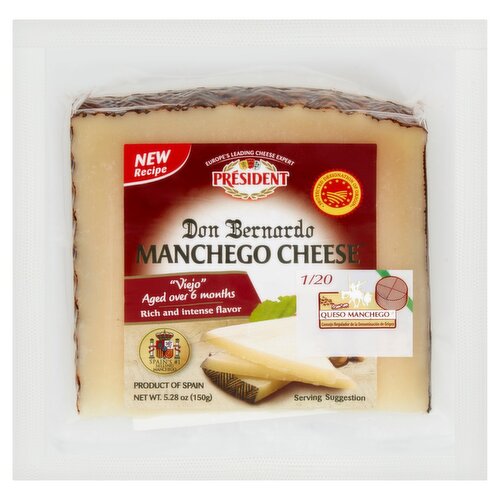
Manchego cheese comes from the La Mancha region in Spain. It’s made from sheep’s milk, and has a rich, buttery taste. Manchego is aged for different periods, from a few weeks to more than a year, which changes its flavor and texture. Young Manchego is creamy and mild, while older Manchego is hard and sharp.
The cheese is famous for its honeycomb-like texture and ivory color. It’s often served sliced or grated over food. Manchego contains high levels of fat and protein, as well as calcium and vitamin A. These nutrients are important for humans—but what about for dogs?
Why Do People Feed Cheese To Dogs?
Cheese is a popular snack for dogs because most dogs love the taste and smell. Owners use it as a training treat, to hide medication, or as a special reward. Cheese contains protein and calcium, which can be healthy in small amounts.
However, not all cheeses are equal. Some cheeses are high in fat, salt, or contain ingredients harmful to dogs, like garlic or onion. Each cheese type comes with its own risks and benefits.
Is Manchego Cheese Safe For Dogs?
Let’s look at what makes Manchego cheese unique and how it can affect your dog.
Main Ingredients In Manchego
- Sheep’s milk: Easier to digest than cow’s milk for some dogs, but still contains lactose.
- Salt: Manchego is a salty cheese, especially when aged.
- Fat: High fat content, which can lead to stomach upset.
- No added herbs or spices (in traditional Manchego).
Potential Risks
- Lactose content: Dogs are often lactose intolerant, meaning they can’t digest lactose well. Manchego has less lactose than some other cheeses, but it’s not lactose-free.
- High salt: Too much salt can cause dehydration, vomiting, or even sodium poisoning.
- High fat: Fatty foods can cause pancreatitis in dogs, a painful and dangerous condition.
- Calories: Cheese is calorie-dense and can lead to weight gain.
- Allergy risk: Some dogs are allergic to dairy.
Is Manchego Toxic?
Manchego cheese does not contain toxic ingredients for dogs. It’s free of onions, garlic, and most other additives that can poison dogs. The main concern is how your dog’s body will handle the fat, salt, and lactose.
Nutritional Profile Of Manchego Cheese
Understanding what’s inside Manchego helps decide if it’s suitable for your pet.
| Nutrient | Amount per 100g | Effect on Dogs |
|---|---|---|
| Calories | ~450 kcal | High; can cause weight gain |
| Protein | ~25g | Supports muscles; fine in moderation |
| Fat | ~37g | Very high; risk of pancreatitis |
| Lactose | 1-2g | May cause stomach upset |
| Sodium | ~800mg | High; risk of dehydration/toxicity |
| Calcium | ~740mg | Good for bones, but dogs get enough from food |
Key insight: Manchego’s high fat and sodium make it risky for regular feeding. Even a small piece is very calorie-dense for a dog.
Can All Dogs Eat Manchego Cheese?
Not every dog can handle cheese, and Manchego is no exception.
Dogs That Should Avoid Manchego Cheese
- Lactose-intolerant dogs: Signs include diarrhea, gas, and stomach pain.
- Overweight dogs: The calories and fat worsen weight problems.
- Dogs with pancreatitis or sensitive stomachs: High fat can trigger attacks.
- Senior dogs: Older dogs often have slower digestion.
- Dogs with kidney or heart problems: High sodium can make these worse.
- Allergic dogs: Dairy allergies are rare but possible.
Dogs That May Handle Manchego Cheese
- Healthy, active dogs with no history of stomach problems
- Dogs that tolerate other cheeses or dairy
- Dogs used to small treats of cheese without issues
Practical tip: Always test with a tiny amount first, and watch for reactions.
How Much Manchego Is Safe For Dogs?
Moderation is the most important rule. A small amount, given as a treat, is usually safe for healthy dogs.
Safe Serving Size
- Small dogs (under 20 lbs): No more than a pea-sized piece (2-5g)
- Medium dogs (20-50 lbs): Up to a thumbnail-sized piece (5-10g)
- Large dogs (50+ lbs): Maximum a dice-sized piece (10-15g)
Never give cheese daily. Once or twice a week is the most a healthy dog should get.
Why Serving Size Matters
Dogs have much smaller bodies than humans. Even a small piece of Manchego can be a big dose of fat, salt, and calories for them. Over time, this can lead to weight gain and other health problems.

Credit: www.fairwaymarket.com
Comparing Manchego Cheese To Other Cheeses
How does Manchego stack up against other popular cheeses for dogs?
| Cheese Type | Lactose Content | Fat Content | Salt Content | Dog Safety |
|---|---|---|---|---|
| Manchego | Low | Very High | High | Risky in large amounts |
| Cheddar | Low | High | Medium | Safer in moderation |
| Swiss | Very Low | Medium | Low | One of the safest |
| Cream Cheese | High | High | Low | Risky for lactose-intolerant dogs |
| Blue Cheese | Medium | High | High | Unsafe (contains mold toxins) |
Non-obvious insight: Manchego is less risky than blue cheese (which can be toxic), but more risky than Swiss or Cheddar due to higher fat and salt.
Signs Your Dog Cannot Tolerate Manchego Cheese
It’s important to watch your dog for any warning signs after eating cheese. Symptoms may appear within a few hours.
Common Signs Of Problems
- Diarrhea or loose stools
- Vomiting
- Excessive gas
- Itching or skin redness
- Lethargy
- Drinking lots of water (sign of high salt)
If your dog shows any of these signs, stop feeding cheese and contact your vet.
What To Do If Your Dog Eats Too Much Manchego
- Watch for signs of salt poisoning: Vomiting, diarrhea, loss of balance, seizures
- Make sure your dog has access to plenty of water
- Call your vet if symptoms are severe
Practical example: A 20-pound dog eating 50g of Manchego has consumed nearly half its daily calorie needs in one snack, plus a dangerous amount of salt.
Health Benefits Of Manchego Cheese For Dogs (when Given Properly)
While Manchego is not the healthiest cheese for dogs, it can have some benefits if given rarely and in small amounts.
Protein
Manchego is rich in protein, which supports muscle and tissue health. For very active or working dogs, a small cheese treat can provide an energy boost.
Calcium
The cheese contains calcium, important for strong bones and teeth. However, most commercial dog foods already meet your pet’s calcium needs.
Training Aid
Because dogs love the taste, Manchego can be a high-value training treat. Giving a tiny piece for a special trick or recall can motivate your dog.
Hiding Medication
A small bit of Manchego can help hide pills or medicine for dogs who refuse tablets.
Non-obvious insight: Manchego’s strong flavor may mask medicine taste better than milder cheeses.
Risks Of Feeding Manchego Cheese To Dogs
Not all dogs react the same way, but feeding too much Manchego has several risks:
Obesity
Cheese is calorie-dense. Dogs who eat cheese often are at risk of weight gain and obesity, which leads to joint problems, diabetes, and heart disease.
Pancreatitis
The high fat content is the biggest danger. Pancreatitis is inflammation of the pancreas, causing pain, vomiting, and even death if not treated. Some breeds (like Miniature Schnauzers) are more at risk.
Salt Poisoning
Manchego is a salty cheese. Salt poisoning can happen if a dog eats too much at once, especially for small dogs.
Digestive Upset
Dogs who are lactose intolerant will have stomach issues after eating Manchego, even in small amounts.
Allergic Reaction
Rarely, dogs can have allergic reactions to sheep’s milk. Watch for itching, hives, or swelling.
When Should You Not Feed Manchego Cheese?
Some situations make any amount of Manchego a bad idea:
- Your dog is overweight or on a diet
- Your dog has a sensitive stomach or history of pancreatitis
- Your vet has told you to avoid dairy
- Your dog has kidney, liver, or heart disease
- Your puppy is under 12 weeks old (puppies have even less lactase enzyme)
- Your dog is on a low-salt diet
Experience-based tip: Even if your dog begs, it’s better to offer a safer treat like carrot sticks or apple slices.
How To Introduce Manchego Cheese To Your Dog Safely
If you decide to let your dog try Manchego, do it slowly.
- Cut a piece no bigger than a pea.
- Offer it as a treat and wait 24 hours.
- Watch for signs of stomach upset.
- If no bad effects, you can offer a slightly larger piece next time, but never more than recommended.
Pro tip: Use cheese as a reward, not a regular snack. Dogs love variety, so rotate treats.
Healthy Alternatives To Manchego Cheese
If you want to give your dog cheese, some types are safer.
| Alternative | Reason It’s Safer |
|---|---|
| Low-fat cottage cheese | Lower in fat, less lactose |
| Swiss cheese | Very low lactose, lower salt |
| Mozzarella (part-skim) | Lower fat, less salt |
| Plain yogurt (unsweetened) | Contains probiotics, easier to digest |
| Dog-specific cheese treats | Formulated for safe digestion |
Vegetable treats like carrots, cucumber, or apple (no seeds) are even healthier and safe for most dogs.
What Experts Say About Feeding Cheese To Dogs
Veterinarians generally agree that cheese can be an occasional treat for most healthy dogs, but not a regular part of their diet. The main advice is to keep portions small and watch for signs of intolerance.
Two common mistakes beginners make:
- Giving too much cheese at once, thinking “if a little is good, more is better.”
- Not realizing that cheese calories add up quickly, even with small pieces.
A study published by the American Kennel Club notes that “cheese is safe in small amounts for most dogs, but high-fat, high-salt cheeses should be rare treats, not daily snacks.” For more, visit the AKC website.
Can Puppies Eat Manchego Cheese?
It’s best not to feed Manchego cheese to puppies under 12 weeks. Their digestive systems are not fully developed, and they are more likely to be lactose intolerant. Even older puppies should only get cheese if they tolerate it well and only in tiny amounts.
What To Do If Your Dog Accidentally Eats A Lot Of Manchego Cheese
Don’t panic. Most dogs will be okay after eating a small amount, but larger amounts can cause problems.
Steps to take:
- Remove any remaining cheese so your dog can’t eat more
- Watch for vomiting, diarrhea, or signs of distress
- Make sure your dog drinks water to help flush out salt
- Call your vet if your dog ate a large amount (over 20g per 10 lbs of body weight) or shows symptoms
Credit: www.shoprite.com
Is Manchego Cheese Ever Good For Dogs?
There are a few situations where a tiny bit of Manchego can be helpful:
- As a special training treat for very difficult commands
- To hide medicine when your dog refuses pills
- To help a sick dog who has lost appetite (if your vet approves)
In these cases, use the smallest piece possible, and never make it a habit.
How To Use Manchego Cheese For Dogs Safely
- Cut into very small pieces
- Only use for special occasions
- Mix with other treats so cheese is not the main snack
- Avoid giving with other high-fat foods
Never give Manchego cheese as a meal replacement.

Credit: www.bellaandduke.com
Summary: Should You Feed Manchego Cheese To Your Dog?
Manchego cheese is not toxic to dogs, but it is not a healthy treat for regular use. The high fat and salt make it risky, especially for dogs with weight, stomach, or heart problems. Healthy adult dogs can have a tiny piece once in a while, but there are safer cheese options.
When in doubt, choose a lower-fat, lower-salt cheese, or stick to dog-safe fruits and vegetables. Always watch your dog for signs of stomach upset. When used wisely, cheese can be a helpful training tool, but it should never be a major part of your dog’s diet.
Frequently Asked Questions
Can Dogs Eat Manchego Cheese Every Day?
No, dogs should not eat Manchego cheese daily. The high fat and salt can harm their health over time, leading to obesity, pancreatitis, or salt poisoning. Only offer a small piece once or twice a week, if your dog tolerates it well.
Is Sheep’s Milk Cheese Safer For Dogs Than Cow’s Milk Cheese?
Sheep’s milk cheeses like Manchego have slightly less lactose than cow’s milk cheeses, which may be easier for some dogs to digest. However, Manchego is high in fat and salt, so it’s still not the best choice. Swiss or low-fat cottage cheese are safer options.
What Should I Do If My Dog Eats A Lot Of Manchego Cheese?
If your dog eats a large amount of Manchego, watch for vomiting, diarrhea, and increased thirst. Provide plenty of water and call your vet, especially if your dog is small or has health issues. Severe symptoms need urgent veterinary care.
Are There Cheeses That Are Toxic For Dogs?
Yes. Blue cheese and cheeses with garlic, onion, or spicy peppers can be toxic for dogs. Blue cheese contains mold that can cause seizures and other health problems. Stick to plain, low-fat cheeses and avoid anything with added flavors.
How Can I Tell If My Dog Is Lactose Intolerant?
Signs of lactose intolerance include diarrhea, gas, bloating, and stomach discomfort after eating dairy. If your dog has these symptoms, avoid all cheese and dairy products, including Manchego.
Manchego cheese can be an occasional treat for healthy dogs in very small amounts, but it’s not the best cheese for your pet. When in doubt, talk to your veterinarian before sharing human foods with your dog.