Can dogs eat Gruyere cheese, or is it a risky treat hiding in your fridge? The short answer is yes—dogs can eat Gruyere cheese in small amounts, but it’s not the best choice due to its fat and salt. I’ve shared tiny bites with my own dog and learned moderation is key. As someone who studies pet nutrition closely, I’ll show you what’s safe and what to skip—so you can treat your dog with confidence.
What Is Gruyere Cheese?
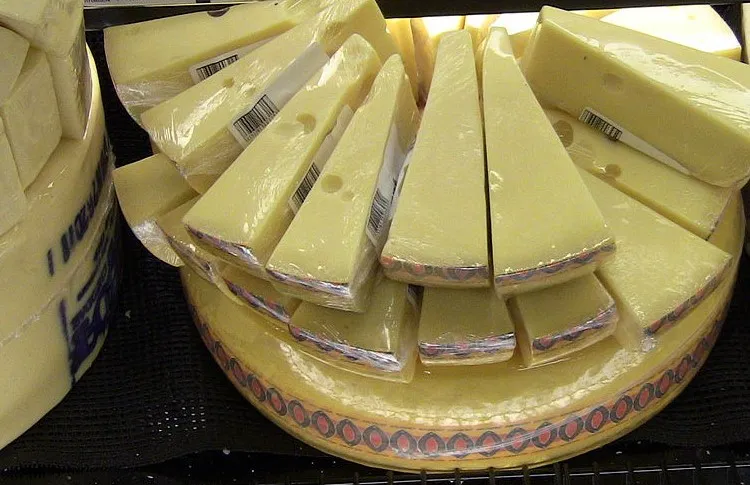
Gruyere is a type of Swiss cheese with a rich history. It’s made from cow’s milk and comes from the region of Gruyères in Switzerland. Gruyere has a firm texture and a slightly sweet, nutty flavor. It is often used in classic dishes like fondue and French onion soup.
The cheese is aged for several months, which changes its flavor and texture. Young Gruyere is creamy and mild, while older Gruyere can be quite sharp and crumbly. Most Gruyere sold in stores is aged between 5 and 12 months.
Key ingredients in Gruyere include:
- Cow’s milk
- Salt
- Cheese cultures
- Rennet (an enzyme)
Gruyere is also known for being high in fat and protein. Like most cheeses, it contains lactose, but the amount is lower than in fresh cheeses.
Nutritional Content Of Gruyere Cheese
Before feeding any human food to your dog, it’s important to know what’s inside. Here’s a closer look at the nutritional makeup of Gruyere cheese per 100 grams:
| Nutrient | Amount (per 100g) |
|---|---|
| Calories | 413 kcal |
| Protein | 29.8 g |
| Fat | 32.3 g |
| Saturated Fat | 19.3 g |
| Carbohydrates | 0.4 g |
| Lactose | ~0.1-0.5 g |
| Sodium | 800 mg |
| Calcium | 1011 mg |
As you can see, Gruyere is high in calories, fat, and salt. It also provides a good amount of calcium and protein. The lactose content is lower than in soft cheeses, but it is not zero.
Can Dogs Digest Gruyere Cheese?
Not all dogs can handle dairy. While Gruyere is lower in lactose than some cheeses, it’s not completely lactose-free. Dogs, especially adult dogs, often lose the enzyme lactase as they age. This enzyme helps break down lactose.
If your dog can digest lactose, a small piece of Gruyere may not cause problems. But for dogs with lactose intolerance, even a tiny amount can lead to:
- Gas
- Bloating
- Diarrhea
- Stomach pain
Some dogs have no reaction, while others may feel sick after eating cheese. It’s important to watch your dog for any signs of discomfort after eating dairy.
Potential Benefits Of Gruyere Cheese For Dogs
Cheese is not a necessary part of a dog’s diet, but in some cases, it can be used as a treat or training reward. Here are a few possible benefits of Gruyere in small amounts:
- High-Value Training Treat: Many dogs love cheese, and Gruyere’s strong smell and taste make it a powerful motivator during training sessions.
- Protein Source: Gruyere contains high-quality protein, which helps build and repair muscles.
- Calcium for Bones: The high calcium level can help with bone health, though most dogs get enough from their regular food.
- Hiding Medicine: Gruyere’s rich texture can hide pills, making it easier to give medicine.
However, these benefits are only relevant if Gruyere is given in tiny amounts and not as a regular part of your dog’s diet.
Risks Of Feeding Gruyere Cheese To Dogs
While cheese can be safe in moderation, Gruyere comes with several risks for dogs. These risks depend on your dog’s size, health, and sensitivity to dairy.
1. High Fat Content
Gruyere cheese is over 30% fat. Dogs that eat high-fat foods regularly can develop:
- Pancreatitis: A painful inflammation of the pancreas. This condition can be serious and even life-threatening.
- Obesity: Extra weight leads to joint pain, diabetes, and heart problems.
Some breeds, like Miniature Schnauzers and Cocker Spaniels, are more prone to pancreatitis. For these dogs, even a little Gruyere can be risky.
2. High Salt Content
Gruyere has about 800 mg sodium per 100 grams. Dogs need some salt, but too much can cause:
- Thirst and increased urination
- Vomiting
- Diarrhea
- Sodium ion poisoning (in extreme cases)
Smaller dogs are especially sensitive to salt. Regular high-salt treats can stress the kidneys and heart.
3. Lactose Intolerance
As mentioned earlier, many adult dogs cannot digest lactose. Gruyere has less lactose than fresh cheeses, but it still contains some. Feeding cheese to a lactose-intolerant dog can cause digestive upset.
4. Risk Of Allergic Reaction
Some dogs are allergic to dairy proteins. Signs of a dairy allergy can include:
- Itchy skin
- Ear infections
- Gastrointestinal symptoms
5. Extra Calories
Gruyere is very calorie-dense. Even a small piece packs a lot of calories. If you give cheese often, your dog may gain weight quickly. Obesity is a growing problem for pets worldwide.
6. Hidden Ingredients
Some Gruyere products may have added herbs, spices, or preservatives. Garlic, onion, and some spices are toxic to dogs. Always check the label before sharing any cheese with your pet.
Comparing Gruyere To Other Cheeses For Dogs
Not all cheeses are created equal. Here’s a quick comparison of Gruyere with other popular cheeses that people sometimes feed their dogs:
| Cheese | Lactose (g/100g) | Fat (%) | Sodium (mg/100g) | Dog-Friendliness |
|---|---|---|---|---|
| Gruyere | 0.1-0.5 | 32 | 800 | Moderate risk |
| Mozzarella (part-skim) | 0.7-1 | 17 | 619 | Lower risk |
| Cottage Cheese (low-fat) | 3-4 | 4 | 405 | Moderate (higher lactose) |
| Cheddar (aged) | 0.1-0.5 | 33 | 621 | Moderate risk |
| Blue Cheese | 0.5-2 | 28 | 1300 | High risk (toxic mold) |
Gruyere is not the worst choice, but it is high in fat and salt. Cheeses like mozzarella (part-skim) or cottage cheese (low-fat) are lower in fat and sodium but may contain more lactose. Blue cheese is dangerous for dogs because of mold toxins.

Credit: socialcirclevethospital.com
When Can Dogs Safely Eat Gruyere Cheese?
If you decide to give your dog Gruyere, do so rarely and in tiny amounts. A small piece, no bigger than the tip of your finger, is enough for most dogs.
Guidelines for safe feeding:
- Only give plain, unflavored Gruyere.
- Make sure your dog is not lactose intolerant or allergic to dairy.
- Use cheese as a special treat, not a daily snack.
- Factor cheese calories into your dog’s total daily food.
Puppies should not eat Gruyere or any cheese, as their digestive systems are more sensitive. Dogs with a history of pancreatitis, obesity, or kidney problems should avoid cheese altogether.
How To Introduce Gruyere Cheese To Your Dog
If you want to try giving your dog Gruyere, start slow and watch for any negative reactions. Here’s a step-by-step approach:
- Check ingredients: Make sure the Gruyere has no added spices, garlic, or onion.
- Cut a tiny piece: About the size of a pea.
- Offer it as a treat: Give only one small piece and wait 24 hours.
- Watch for symptoms: Look for signs of digestive upset, itching, or behavior changes.
- If all is well: Gruyere can be an occasional treat, but not a regular part of meals.
If your dog vomits, has diarrhea, or seems unwell, stop giving cheese right away.

Credit: wellspringvet.net
Practical Ways To Use Gruyere Cheese With Dogs
While Gruyere is not the best cheese for dogs, some owners like to use it for training or medicine. Here are safe ways to use Gruyere:
- Training reward: Cut the cheese into tiny cubes and use as a high-value reward for learning new tricks.
- Hide a pill: Soft Gruyere can wrap around a pill, making it easier for your dog to swallow medicine.
- Enrichment toy: Place a small bit inside a puzzle toy for mental stimulation.
Always use very small pieces. For large breeds, a piece the size of a marble is enough. For small breeds, use half that.
The Dangers Of Overfeeding Cheese To Dogs
It’s easy to overdo cheese, especially if your dog loves it. Too much cheese, even low-fat kinds, can lead to serious health problems.
Common Issues From Overfeeding Cheese:
- Weight gain: Extra calories add up fast.
- Pancreatitis: This painful illness is more likely with high-fat foods.
- Salt poisoning: Too much sodium can be dangerous, especially for small dogs.
- Upset stomach: Vomiting, diarrhea, and gas are common after too much dairy.
If your dog has any of these symptoms after eating cheese, call your vet right away. It’s also important to remember that dogs with certain health conditions should never have cheese, including Gruyere.
Dog Breeds That Should Avoid Gruyere Cheese
Some breeds are more sensitive to fat, salt, or dairy. For these dogs, Gruyere is a poor choice:
- Miniature Schnauzers: Prone to pancreatitis.
- Yorkshire Terriers: Tiny size makes them sensitive to salt and fat.
- Shih Tzu and Lhasa Apso: Often have sensitive stomachs.
- Labrador Retrievers: Prone to obesity.
If your dog is small, overweight, or has a history of digestive issues, skip Gruyere and choose a safer treat.
Better Alternatives To Gruyere Cheese For Dogs
If you want to give your dog cheese, consider healthier options. Here are a few to try:
- Low-fat mozzarella: Lower in fat and salt, but still tasty.
- Cottage cheese (low-sodium, low-fat): Easier to digest for some dogs, but check lactose tolerance.
- String cheese: Often lower in fat and salt, easy to portion.
- Carrots or apple slices: Crunchy, low-calorie, and safe for most dogs.
If you use cheese, keep portions small and use as a rare treat.
Signs Of Cheese Intolerance Or Allergy In Dogs
It’s important to recognize if your dog is struggling with dairy. Watch for these signs after eating Gruyere or any cheese:
- Loose stools or diarrhea
- Gas and bloating
- Vomiting
- Itchy skin or ears
- Scratching or licking paws
If you see any of these symptoms, stop feeding cheese and contact your vet. Many dogs have mild lactose intolerance, while others may have a true dairy allergy.
How Much Gruyere Is Too Much For A Dog?
Because Gruyere is so rich, even a little can be a lot for a dog. Here’s a basic guideline:
| Dog Weight | Safe Maximum Gruyere (per week) |
|---|---|
| Under 10 lbs (4.5 kg) | 1/4 teaspoon |
| 10–25 lbs (4.5–11 kg) | 1/2 teaspoon |
| 25–50 lbs (11–23 kg) | 1 teaspoon |
| Over 50 lbs (23 kg+) | 2 teaspoons |
These amounts are only for healthy adult dogs with no history of obesity, pancreatitis, or food allergies. Always check with your vet before adding new treats.
What Vets Say About Cheese And Dogs
Most veterinarians agree that cheese should be a rare treat, not a daily snack. Dr. Jennifer Coates, a veterinarian and pet health writer, says, “Cheese is not toxic to dogs, but it should be given in moderation. Watch for signs of digestive upset, and avoid cheese if your pet has health issues like pancreatitis or obesity.”
Vets also warn that some dogs are more sensitive to dairy, salt, or fat than others. If in doubt, always ask your vet before giving your dog Gruyere cheese or any new food.
What To Do If Your Dog Eats Too Much Gruyere Cheese
If your dog eats a large amount of Gruyere by accident, here’s what you should do:
- Stay calm: Most dogs will be okay after a small snack, but large amounts can cause problems.
- Watch for symptoms: Vomiting, diarrhea, bloating, or signs of pain.
- Don’t induce vomiting: Unless your vet tells you to.
- Give water: Cheese is salty, so make sure your dog has plenty to drink.
- Call your vet: If your dog is very small, has health issues, or shows symptoms.
Quick action can prevent a minor mistake from becoming a serious problem.
Credit: www.cheese.com
Hidden Dangers: Processed Cheese And Cheese Snacks
Some people think processed cheese slices or cheese-flavored snacks are okay for dogs. In reality, these products are often worse than regular cheese. Processed cheese can contain:
- Artificial colors and flavors
- Preservatives
- Extra salt and sugar
- Onion or garlic powder (toxic to dogs)
Always stick to plain, natural cheese in very small amounts, and never give your dog cheese snacks meant for humans.
How Gruyere Cheese Is Made And Why It Matters For Dogs
Gruyere is made by heating cow’s milk, adding cultures and rennet, and pressing the curds. The cheese is then aged for months. This process reduces lactose but increases the concentration of fat and salt.
Aged cheeses like Gruyere are usually lower in lactose, but the fat and salt content rises as water leaves during aging. That’s why Gruyere is richer and riskier for dogs than some other cheeses.
Key Takeaways For Dog Owners
- Gruyere cheese is not toxic to dogs, but it is not ideal due to high fat and salt.
- Only give tiny amounts, rarely, and only to healthy adult dogs.
- Avoid Gruyere if your dog is overweight, has had pancreatitis, or is lactose intolerant.
- Watch for signs of intolerance or allergy.
- There are safer treats than Gruyere, including low-fat cheese or fruits and vegetables.
If you’re ever unsure, ask your veterinarian for advice.
Frequently Asked Questions
Can Dogs Eat Gruyere Cheese Every Day?
No, it’s not safe for dogs to eat Gruyere cheese every day. Gruyere is high in fat and salt, which can cause health problems if given too often. Even healthy dogs should only get a tiny piece as an occasional treat.
How Much Gruyere Cheese Can A Small Dog Eat?
A small dog (under 10 pounds or 4. 5 kg) should have no more than 1/4 teaspoon of Gruyere per week, and only if they are healthy and not lactose intolerant. Always start with a tiny amount and watch for any negative reactions.
What Happens If My Dog Eats Too Much Gruyere Cheese?
If your dog eats a large amount of Gruyere, they may have stomach upset, vomiting, diarrhea, or even more serious problems like pancreatitis or salt poisoning. Watch your dog closely and call your vet if you see any signs of illness.
Is Gruyere Cheese Better For Dogs Than Cheddar Or Mozzarella?
Gruyere is similar to cheddar in fat and salt but has less lactose. Mozzarella, especially part-skim, is usually lower in fat and salt, making it a slightly better choice for dogs. However, all cheese should be given in moderation.
Are There Any Cheeses That Are Dangerous For Dogs?
Yes, some cheeses are dangerous. Blue cheese can contain mold toxins that are harmful to dogs. Cheeses with garlic, onions, or added spices are also unsafe. Always choose plain, mild cheese in very small amounts.
If you need more detailed information about cheese and dog nutrition, you can find trusted advice at ASPCA – People Foods to Avoid Feeding Your Pets.
Cheese can be a special treat for dogs, but Gruyere is best enjoyed by humans. Always put your dog’s health first and choose snacks that are safe, healthy, and appropriate for their needs.