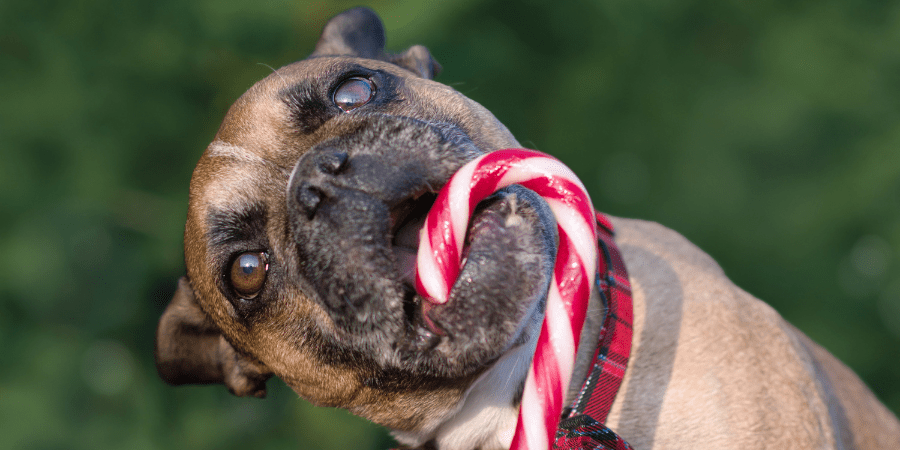
Every holiday season, homes fill with sweet treats and decorations, and candy canes are one of the most popular. Their red and white stripes are everywhere—from Christmas trees to stockings. But if you have a dog, those festive candy canes can become a serious risk.
Many pet owners do not realize just how dangerous a simple candy cane can be. Some risks are obvious, like sugar, but others are hidden and even more harmful. This article will break down all the dangers, why they matter, and what to do if your dog gets into candy canes.
If you want to keep your furry friend safe during the holidays (and all year), understanding these risks is more important than ever.
Why Candy Canes Attract Dogs
Dogs explore with their noses and mouths. The strong, sweet scent of candy canes can easily tempt a curious pup, especially when treats are left within reach. Some dogs are drawn to the sugary smell, while others react to the mint or fruity flavors. Puppies and breeds known for food obsession—like Labrador Retrievers or Beagles—are even more likely to sniff out and chew on candy canes, whether they’re hanging from the tree or dropped on the floor.
Another reason candy canes attract dogs is the crinkling sound of the plastic wrapper. To a dog, that noise can sound just like a toy or food wrapper. Many dogs will chew on anything that smells sweet, especially if they see children enjoying it.
And unlike humans, dogs cannot understand that candy is not food for them. So, even the smallest piece can be a big temptation.
Main Ingredients In Candy Canes
To understand why candy canes are risky for dogs, it’s important to know what they are made of. Most candy canes contain:
- Sugar: Regular white sugar is the main ingredient.
- Corn syrup: A sweetener that is hard for dogs to digest.
- Flavorings: Usually peppermint, but sometimes fruit or other artificial flavors.
- Coloring agents: Red and white dyes, often synthetic.
- Artificial sweeteners: Some sugar-free candy canes contain xylitol, a dangerous chemical for dogs.
- Other additives: Sometimes stabilizers, preservatives, or binding agents.
Each of these ingredients can be risky for dogs in different ways.
Sugar And Its Effects On Dogs
Sugar is a central ingredient in most candy canes. While a tiny amount may not cause immediate harm, sugar is not safe or healthy for dogs. The main risks include:
- Digestive upset: Dogs are not designed to process large amounts of sugar. Eating sugar can cause vomiting, diarrhea, and stomach pain.
- Weight gain: Regular sugar can quickly lead to obesity, especially in small breeds.
- Dental disease: Sugar sticks to teeth and promotes tooth decay and gum disease.
- Pancreatitis: High sugar intake can trigger inflammation of the pancreas, which can be serious or even fatal.
Some owners believe a little sugar is harmless, but even small doses over time can damage a dog’s health. Unlike humans, dogs do not need sugar in their diet at all. Many people forget that even one candy cane is the sugar equivalent of multiple dog biscuits.
Xylitol: The Hidden Danger
Not all candy canes use regular sugar. Some “sugar-free” or “diet” candy canes use xylitol as a sweetener. This ingredient is highly toxic to dogs. Even a tiny amount can cause a dramatic drop in blood sugar, leading to hypoglycemia (dangerously low blood sugar). Symptoms can appear in as little as 15-30 minutes and may include:
- Weakness or staggering
- Trembling or seizures
- Vomiting
- Loss of coordination
- Collapse
If untreated, xylitol poisoning can lead to liver failure and death. Even licking a wrapper coated in xylitol is enough to make some dogs very sick.
Here’s a quick comparison to show how dangerous xylitol is for dogs compared to other common sweeteners:
| Sweetener | Effect on Dogs | Safe Amount |
|---|---|---|
| Sugar | Digestive upset, obesity | Very small amounts (not recommended) |
| Corn Syrup | Obesity, diabetes risk | Very small amounts (not recommended) |
| Xylitol | Severe poisoning, liver failure | None—zero is safe |
Many pet owners are surprised to learn that xylitol is also found in gum, toothpaste, and other candies. Always check the label before bringing any “sugar-free” treats into your home.
Peppermint And Artificial Flavors
Most classic candy canes have a peppermint flavor. Peppermint in small amounts is not always toxic, but it can upset a dog’s stomach. Some peppermint oils or extracts are highly concentrated and can cause vomiting, diarrhea, or even central nervous system problems. Artificial flavors are often more dangerous, as they may include chemicals not tested for pet safety. Dogs are more sensitive to certain flavoring agents than people realize.
Some candy canes use fruit or cinnamon flavors. These are not safe for dogs either. For example, some cinnamon oils cause mouth and throat burns in dogs. Artificial strawberry or grape flavorings can contain chemicals that are toxic to pets.
Food Coloring And Additives
Red and white dyes give candy canes their festive look, but they can cause allergic reactions in some dogs. Artificial colors like Red 40 and Blue 1 are sometimes linked to hyperactivity, digestive upset, or skin problems in pets. Dogs with sensitive stomachs or allergies are at greater risk.
Other additives, like preservatives or stabilizers, are rarely tested on animals. Some can cause mild stomach upset, while others may trigger severe allergic reactions. It’s difficult for owners to know which ingredient is the culprit, making it safest to avoid all colored candies.
Choking Hazard And Intestinal Blockage
Besides the chemical risks, the hard texture and shape of candy canes are a physical danger. Dogs may try to chew a candy cane and break off large, sharp pieces. These can get stuck in their throat, causing choking. Smaller pieces can lodge in the intestines, leading to a blockage.
Symptoms of choking or blockage include:
- Gagging or coughing
- Trouble swallowing
- Drooling
- Vomiting
- Loss of appetite
- Abdominal pain
If a piece of candy cane gets stuck in the gut, surgery may be needed. Puppies and small breeds are especially at risk because their airways and intestines are smaller.
Plastic And Foil Wrappers
Many candy canes are wrapped in plastic or foil. Dogs can swallow these wrappers while trying to eat the candy. Wrappers do not digest and may cause intestinal obstruction. Foil can cut the lining of the stomach or intestines, leading to bleeding or infection.
Some wrappers are coated with flavor or sweetener, making them tempting to lick or chew. Even if the dog does not swallow the wrapper, chewing on plastic can crack teeth or cause mouth injuries.
Here’s a comparison of risks from eating just the candy cane, just the wrapper, or both:
| Item Eaten | Main Risk | Possible Outcome |
|---|---|---|
| Candy Cane Only | Sugar, xylitol, choking | Toxicity, digestive upset, dental injury |
| Wrapper Only | Blockage, mouth injury | Surgery, infection, pain |
| Candy Cane + Wrapper | All above risks | Medical emergency |
Dental Damage
Candy canes are very hard. When a dog bites down, the candy can shatter and cut the gums, tongue, or roof of the mouth. Hard pieces can also break teeth, especially in older dogs with dental disease. Cracked or broken teeth are painful and may lead to infection, requiring removal by a vet.
Owners sometimes underestimate this risk, but dental injuries from hard objects are common reasons for emergency vet visits during the holidays.
How Much Is Dangerous?
Some people ask, “How much candy cane is dangerous for my dog?” The answer depends on the dog’s size, age, and health—and the ingredients in the candy cane. Here’s a rough idea:
- Small dogs (under 15 lbs): Even half a regular candy cane can cause serious problems.
- Medium dogs (15-50 lbs): One whole candy cane can cause digestive upset; xylitol is dangerous at much smaller amounts.
- Large dogs (50+ lbs): More may be needed for toxicity, but choking and wrapper dangers are the same.
With xylitol, the amount needed to cause poisoning is extremely small—sometimes less than one gram for a small dog. For sugar, the risk is mostly stomach upset, but repeated exposure increases the risk of other diseases.
What To Do If Your Dog Eats A Candy Cane
If your dog eats a candy cane, act quickly. Here’s what to do:
- Check the ingredients: Look for xylitol or other artificial sweeteners.
- Assess how much was eaten: Try to estimate the amount and whether the wrapper was swallowed.
- Watch for symptoms: Vomiting, tremors, loss of balance, or other changes.
- Call your vet: If xylitol or wrapper ingestion is possible, call your vet or a pet poison helpline immediately.
- Do not try to make your dog vomit without vet advice. Some ingredients or sharp objects can cause more harm if brought back up.
If you notice symptoms like seizures, weakness, or collapse, go to the vet right away. For more information on pet poisoning, the ASPCA’s Animal Poison Control Center is a trusted source: ASPCA Animal Poison Control.
Long-term Health Risks
Eating a candy cane might not always cause an emergency, but repeated exposure has long-term risks for dogs:
- Obesity: Extra sugar and calories lead to weight gain.
- Diabetes: Sugar and corn syrup can increase the risk of diabetes, especially in breeds prone to the disease.
- Dental disease: Sugary treats contribute to cavities and gum disease.
- Pancreatitis: High-fat, high-sugar treats can trigger this painful condition.
- Behavioral changes: Some dogs become hyperactive or anxious after eating sugar or artificial colors.
Owners often overlook these slow-developing problems. Even if your dog seems fine after eating candy canes once, the risks add up over time.
How To Prevent Candy Cane Accidents
Prevention is the best way to protect your dog. Here are some steps:
- Keep candy canes out of reach: Place them high on the tree or in closed containers.
- Warn family and guests: Make sure everyone knows not to share candy with the dog.
- Clean up quickly: Pick up dropped candy or wrappers right away.
- Train the “leave it” command: This can stop your dog from grabbing dangerous objects.
- Provide safe treats: Give your dog special holiday snacks made for pets instead.
A little planning can prevent a holiday emergency and keep your dog happy and healthy.
Safe Holiday Treats For Dogs
If you want your dog to join in the holiday fun, there are safe alternatives to candy canes. Look for:
- Dog-specific treats: Many pet stores sell holiday-themed snacks made just for dogs.
- Homemade dog biscuits: Use simple ingredients like pumpkin, peanut butter (xylitol-free), and oats.
- Frozen treats: Small ice cubes with a bit of pureed fruit (no grapes or raisins) are safe and refreshing.
Avoid any human candy, chocolate, or baked goods unless you are sure every ingredient is safe for dogs.

Credit: www.yahoo.com
Real-life Examples: Candy Cane Dangers
Sometimes, hearing real stories can help owners understand the risks.
Case 1: Xylitol Poisoning
A family in Texas left a bowl of sugar-free candy canes on a low table. Their small terrier ate just one. Within 20 minutes, the dog began staggering and vomiting. The vet diagnosed xylitol poisoning, and the dog survived only because the family acted fast.
Case 2: Intestinal Blockage
In California, a Labrador puppy swallowed a whole candy cane with the wrapper. The owner did not realize until the dog began vomiting and stopped eating two days later. An x-ray showed a blockage, and surgery was needed to remove the wrapper.
Case 3: Broken Tooth
An older beagle was given a piece of candy cane as a treat. The hard candy cracked a molar, leading to weeks of pain and an expensive dental extraction.
These stories show that even a small mistake can have big consequences.
Common Myths About Dogs And Candy Canes
Many pet owners make decisions based on myths or “old advice.” Here are some common misunderstandings:
- “One little bite won’t hurt.” Even a small amount can be dangerous, especially if xylitol is present or the dog is small.
- “Dogs can eat peppermint.” Peppermint oil or artificial flavoring is risky for dogs, unlike the mild flavor in some foods.
- “My dog is big, so it’s fine.” Large dogs can still choke or get blockages, and some ingredients are dangerous at any size.
- “If there’s no chocolate, it’s safe.” Many candies are toxic to dogs even without chocolate.
Clearing up these myths can help pet owners make safer choices.
Why Dogs Are More Sensitive Than Humans
Dogs process food and chemicals differently from humans. They lack some liver enzymes that help break down artificial sweeteners or flavors. Their smaller size means a “small treat” is a much larger dose relative to their body weight. Also, some breeds are more sensitive to toxins, especially puppies and elderly dogs.
Veterinarians see more cases of holiday poisoning each year because owners don’t realize these differences. What seems harmless to us can be deadly for a dog.
Signs Of Candy Cane Poisoning In Dogs
Recognizing the signs of poisoning early can save your dog’s life. Watch for:
- Sudden vomiting or diarrhea
- Trembling, shaking, or seizures
- Weakness or lethargy
- Drooling or pawing at the mouth
- Swollen abdomen or pain
- Loss of balance or coordination
If you see any of these signs after your dog eats a candy cane, get help fast.
Credit: bullystickscentral.com
How Vets Treat Candy Cane Poisoning
If your dog eats a candy cane and gets sick, the vet will act quickly. Treatment may include:
- Inducing vomiting (if safe and soon after eating)
- Activated charcoal to absorb toxins
- IV fluids for dehydration or shock
- Medication for seizures or pain
- Surgery if there is a blockage
Fast treatment gives your dog the best chance. Always bring the candy wrapper or label so the vet knows what ingredients are involved.
Holiday Safety Tips For Pet Owners
Keeping your dog safe during the holidays means thinking ahead. Here are a few more tips:
- Decorate with pet-safe items; avoid hanging candy canes on the lower branches of the tree.
- Store all sweets in closed cabinets, not on open tables or counters.
- Dispose of wrappers in a secure trash can.
- Remind children not to share their treats.
- Watch for signs of chewing or licking around holiday decorations.
A little extra care can prevent most accidents.
Comparison: Candy Canes Vs. Other Holiday Hazards
Candy canes are not the only holiday risk. Here’s how they compare to other common dangers:
| Item | Danger Type | Severity for Dogs |
|---|---|---|
| Candy Canes | Sugar, xylitol, choking | High |
| Chocolate | Theobromine toxicity | Very high |
| Raisins/Grapes | Kidney failure | Very high |
| Cooked Bones | Splintering, blockage | High |
| Alcohol | Central nervous system depression | High |
Candy canes may seem less dangerous than chocolate, but they can be just as deadly, especially with xylitol or plastic wrappers involved.
Educating Family And Guests
One often-overlooked risk is visitors sharing food with your dog. Kids and guests may not know that candy canes are dangerous. Take a few minutes to explain the risks before holiday gatherings. Post a reminder or sign near treats, or simply keep all candy out of sight.
Your dog will thank you for it.

Credit: embassylakesanimalhospital.com
Non-obvious Insights Most Owners Miss
First, many owners do not realize that sugar-free does not mean safe. In fact, sugar-free candy canes are often more dangerous due to xylitol. Always check the label—even “natural” or “organic” candies may use unsafe sweeteners.
Second, wrappers are just as dangerous as the candy itself. Many emergency vet visits are due to blockages from plastic or foil, not from poisoning. Clean up carefully and never assume your dog “won’t bother” with wrappers.
Frequently Asked Questions
Can One Candy Cane Kill A Dog?
Yes, especially if it contains xylitol or if the dog is small. Even without xylitol, a whole candy cane can cause choking, blockage, or serious digestive upset. Always call your vet if your dog eats a candy cane.
Are Peppermint-flavored Candies Safe For Dogs?
No. Peppermint oil and artificial flavors can upset your dog’s stomach or be toxic in large amounts. Some peppermint candies also contain xylitol, which is extremely dangerous.
What Should I Do If My Dog Ate A Candy Cane Wrapper?
Monitor your dog closely. If you see vomiting, loss of appetite, or signs of pain, call your vet immediately. Wrappers can cause intestinal blockage and may need to be removed by a professional.
How Fast Do Symptoms Appear After Xylitol Poisoning?
Symptoms can start within 15-30 minutes of eating xylitol. Look for vomiting, weakness, seizures, or loss of coordination. Time matters—get to the vet right away.
Are There Any Safe Holiday Treats For Dogs?
Yes. Choose treats made for dogs, like dog biscuits or special holiday snacks from pet stores. You can also make homemade treats with safe ingredients like pumpkin and peanut butter (no xylitol).
Keeping your dog safe during the holidays is a team effort. Remember, candy canes are festive for people but risky for pets. With a little awareness and planning, you can avoid a holiday emergency and make sure the season stays joyful for everyone in your family—even the four-legged ones.