Are bones safe for dogs, or can they do more harm than good? The short answer is: some bones can be safe, but many—especially cooked ones—can be dangerous. I’ve seen dogs happily chew bones, but I’ve also seen scary moments that made me rethink it. As someone who’s spent years around dogs and pet care advice, I’d say it’s worth being cautious—let’s look closer so you can make the safest choice for your pup.
If you’re unsure what’s best for your furry friend, this guide will give you the facts, the science, and practical advice to help you make the right choice.
Why Dogs Love Bones
Dogs have been chewing bones for thousands of years. Chewing is a basic instinct for them. It helps relieve stress, keeps their jaws strong, and can even help clean their teeth. Puppies chew when teething, and adult dogs chew for pleasure or to pass time.
The act of chewing releases endorphins, making your dog feel happy and calm.
But while dogs love bones, not every bone is a safe option. Before tossing your dog a leftover rib or a soup bone, it’s important to understand the potential risks and benefits.
Types Of Bones: Not All Are Equal
When it comes to bones, there are many types. Some are safer than others. Here’s a breakdown:
| Bone Type | Example | Safety Level | Common Risks |
|---|---|---|---|
| Raw Meaty Bones | Chicken necks, turkey wings | Moderate (with supervision) | Bacterial contamination, choking |
| Cooked Bones | Cooked chicken/turkey bones | Unsafe | Splintering, internal injuries |
| Recreational Bones | Raw beef marrow bones | Moderate (with supervision) | Broken teeth, blockages |
| Commercial Chews | Nylabones, dental chews | Generally safe | Digestive upset (rare), choking (rare) |
Raw Meaty Bones
These are bones with meat, cartilage, and connective tissue. Many raw feeders recommend them because they’re less likely to splinter than cooked bones. However, raw bones can carry bacteria like Salmonella or E. coli. Large raw bones can also break teeth or cause blockages if swallowed.
Cooked Bones
Cooked bones are dangerous. Cooking makes bones brittle and likely to splinter into sharp pieces. These splinters can cut your dog’s mouth, throat, or intestines. Even small, cooked chicken bones can cause serious damage. Most vets advise against giving any cooked bones.
Recreational Bones
Large, raw bones like beef marrow bones are sometimes called “recreational. ” Dogs can chew on them for hours, which helps clean their teeth. But these bones are hard and can break teeth, especially if your dog is an aggressive chewer.
Marrow is also very rich and can cause digestive upset or pancreatitis.
Commercial Chews
Products like Nylabones, dental chews, and rubber toys are designed to be chewed but not eaten. They come in many shapes and flavors. While generally safer than real bones, a determined dog can sometimes break off and swallow large pieces, which may cause choking or blockages.
The Benefits Of Chewing Bones
Bones offer several advantages for dogs, but these come with important conditions.
Dental Health
Chewing can reduce tartar and plaque buildup. The scraping action cleans teeth and gums, much like brushing. Some studies show that dogs given the right bones have fewer dental problems. However, this is only true if the bone is safe and the dog chews appropriately—not bites hard or swallows large chunks.
Mental Stimulation
Chewing is a natural behavior that keeps dogs occupied. It relieves boredom and anxiety, especially when left alone. Dogs that chew safely are often less destructive in the house.
Nutritional Value
Raw bones contain minerals like calcium and phosphorus. The marrow and cartilage provide nutrients and can support joint health. But these benefits are small compared to the risks, and bones should never be a main part of a dog’s diet.
The Risks Of Giving Bones
Despite the benefits, bones can be dangerous for dogs. Here’s what every owner should know:
Choking Hazard
Bones can get stuck in the throat, causing your dog to choke. Small or sharp pieces are especially risky. Even large dogs have choked on bones that seemed “safe. ”
Tooth Fractures
Hard bones can crack or break teeth. This is painful and expensive to fix. Molars are most at risk, especially in aggressive chewers.
Digestive Blockages
If a dog swallows a large piece, it can block the stomach or intestines. This is a medical emergency. Symptoms include vomiting, lethargy, and not eating.
Internal Injuries
Sharp bone fragments can puncture the stomach, intestines, or rectum. This leads to internal bleeding, infection, or even death if not treated quickly.
Bacterial Contamination
Raw bones can carry bacteria that cause illness in dogs and humans. Handling raw bones requires careful hygiene, especially around children and people with weak immune systems.
Pancreatitis
Fatty marrow inside bones can trigger pancreatitis—a painful and serious illness. This is more common in breeds like Miniature Schnauzers, but any dog can be affected.
Vet Opinions And Scientific Evidence
Veterinarians are divided on the issue of bones. Some believe that certain raw bones are safe with supervision, while others say the risks outweigh the benefits. The American Veterinary Medical Association (AVMA) advises against feeding any bones due to the risk of injury.
Research shows that dental benefits are real but come with caveats. A study published in the Journal of Veterinary Dentistry found that chewing bones reduced tartar but increased the risk of dental fractures. Another study showed that dogs who ate bones had more intestinal blockages compared to those who did not.
It’s important to remember that what works for one dog may not work for another. Breed, chewing style, age, and health all play a role.
Safe Bone Choices: What To Look For
If you decide to give your dog a bone, choosing the right one is critical. Here’s how to pick safer options:
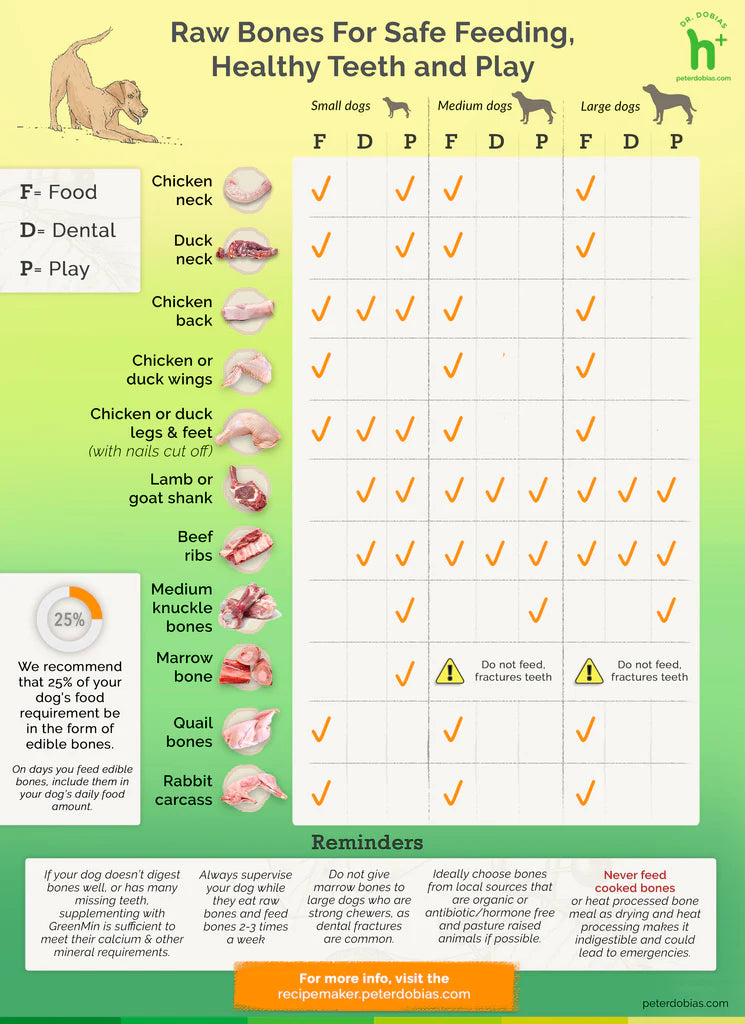
- Size Matters: Pick a bone larger than your dog’s head. This prevents swallowing and choking.
- Raw, Not Cooked: Only offer raw bones—never cooked, boiled, or smoked.
- Avoid Weight-Bearing Bones: These are very hard and more likely to break teeth. Choose softer, non-weight-bearing bones.
- No Small Bones: Small bones (like chicken wings or ribs) can be swallowed whole or splinter easily.
- Supervise Always: Never leave your dog alone with a bone.
- Short Sessions: Limit chewing time to 10–15 minutes. This lowers the risk of tooth damage or swallowing large pieces.
- Freeze for Safety: Freezing raw bones makes them last longer and reduces bacterial growth.
- Check for Cracks: Discard bones that splinter or develop sharp edges.
- Know Your Dog: Aggressive chewers and dogs with dental issues should avoid bones entirely.
Credit: peterdobias.com
When Bones Are Not Safe
Some dogs should never be given bones. Here are situations where bones are a bad idea:
- Puppies under 6 months: Their teeth and digestive systems are still developing.
- Dogs with dental disease: Weak or loose teeth can break easily.
- Previous digestive issues: Dogs with a history of pancreatitis or blockages are at high risk.
- Small breeds: Tiny dogs can choke more easily, and their jaws are not strong enough for most bones.
- Multiple dogs: Bones can trigger fights, even among friendly dogs.
Safer Alternatives To Real Bones
If you want your dog to enjoy chewing but don’t want the risks, there are many safe options. Here’s a comparison of popular choices:
| Alternative | Benefits | Risks | Recommended For |
|---|---|---|---|
| Rubber Chews (e.g., KONG) | Durable, can be stuffed with treats | Rare choking (if damaged) | Puppies, adult dogs |
| Dental Chews | Promote dental health, tasty | Digestive upset if overfed | All sizes |
| Nylabone/Benebone | Long-lasting, various sizes | Choking if large pieces break off | Moderate chewers |
| Antlers | Natural, long-lasting | Very hard, may break teeth | Gentle chewers |
| Edible Bones (dental sticks) | Digestible, clean teeth | Calories add up | All dogs |
Many of these alternatives are designed to be safe and satisfy your dog’s urge to chew. Always supervise and choose the right size for your pet.
Understanding Your Dog’s Chewing Style
Not all dogs chew the same way. Understanding your dog’s chewing style helps you pick the safest chew.
Gentle Chewers
These dogs lick and nibble at chews rather than crunching down hard. They are less likely to break teeth or swallow large pieces. Most chews are safe for gentle chewers.
Moderate Chewers
They chew with some force but don’t try to destroy everything. Durable rubber toys and edible dental chews work well for them.
Power Chewers
These dogs destroy everything. They can break bones, toys, and even their own teeth. Power chewers need the toughest toys, like solid rubber KONGs, and should never get hard bones or antlers.
Signs Of Trouble: When To Call The Vet
Even with the safest chews, problems can happen. Watch for these warning signs:
- Gagging or choking
- Sudden pawing at the mouth
- Drooling more than usual
- Vomiting or retching
- Blood in the mouth or stool
- Loss of appetite
- Lethargy or signs of pain
If you see any of these signs after your dog chews a bone, call your vet immediately. Internal injuries and blockages can become fatal quickly.
Real-life Examples: What Can Go Wrong
Stories from dog owners and vets show what can happen if things go wrong.
- Case 1: A Labrador swallowed a cooked chicken bone, which punctured his intestine. He needed emergency surgery and weeks of recovery.
- Case 2: A small poodle broke a tooth on a marrow bone. The broken tooth became infected, leading to expensive dental work.
- Case 3: An older dog with dental disease chewed on a raw bone, causing bleeding gums and pain for days.
These examples aren’t rare. Vets see bone-related injuries regularly, especially after holidays when leftovers are common.
Myths And Misunderstandings About Bones
Let’s clear up some common myths:
- “Dogs in the wild eat bones all the time.”
Wild dogs may eat bones, but they don’t live as long as pets and often suffer from broken teeth and digestive problems.
- “Raw bones are completely safe.”
Raw bones are safer than cooked bones but still carry risks of bacterial infection and blockages.
- “Chewing bones replaces brushing.”
Bones help clean teeth but are not a substitute for regular brushing or dental checkups.
- “All dogs can have bones.”
Some dogs—especially small breeds, puppies, or those with health problems—should never chew bones.
Practical Tips For Bone Safety
If you want to give your dog a bone, follow these practical tips for safety:
- Buy from trusted sources: Get bones from your vet or a reputable pet store. Avoid supermarket bones or leftovers.
- Store bones safely: Keep raw bones in the fridge and use within a few days.
- Wash hands and surfaces: Prevent bacteria from spreading by cleaning up after handling raw bones.
- Limit fatty bones: Too much marrow can cause stomach problems.
- Watch for splinters: Throw away bones that crack, splinter, or are chewed down to a small size.
- Feed bones separately: Give bones as a treat, not during meals, to avoid overeating or food aggression.
- Rotate chews: Offer a variety of safe chews to keep your dog interested and reduce the risk of injury.
Comparing Bones And Chews: At-a-glance
Here’s a quick comparison to help you decide:
| Chew Type | Dental Benefit | Choking Risk | Breaks Teeth? | Digestible? |
|---|---|---|---|---|
| Raw Meaty Bone | High (if chewed, not swallowed) | Moderate | Possible | Partially |
| Cooked Bone | Low | High | High | No |
| Rubber Toy | Moderate | Low | Rare | No |
| Dental Chew | High | Low | Rare | Yes |
| Antler | Moderate | Low | Possible | No |
What The Experts Say
Vets and animal experts agree on some basic points:
- Bones are not essential. Dogs can live happy, healthy lives without chewing real bones.
- Dental care is vital. Brushing, vet checkups, and safe chews are the best way to keep teeth clean.
- Every dog is different. What’s safe for one may be dangerous for another.
The American Kennel Club (AKC) and American Veterinary Medical Association both warn about the risks of bones. They recommend safer chew alternatives and regular dental care.
Non-obvious Insights Most Owners Miss
- Dental X-rays reveal hidden damage. Many dogs have broken teeth from bones, but owners don’t notice until a vet checks with X-rays. Even small cracks can lead to infection.
- Marrow is very fatty. If your dog has had pancreatitis, even a small amount of marrow can trigger a life-threatening attack.
- Some breeds are more at risk. Small breeds and brachycephalic (flat-faced) dogs struggle to chew and can choke more easily.
- Chews can trigger fights. In multi-dog homes, bones can cause resource guarding. Only give chews when dogs are separated.
Credit: www.nebraskabison.com
Making The Best Choice For Your Dog
Deciding whether to give bones to your dog is a personal choice. Consider your dog’s size, health, chewing style, and your own comfort level with risk. If you choose to offer bones, follow safety guidelines strictly. If not, there are plenty of safe alternatives that provide the same benefits.
Your dog’s health and happiness matter most. When in doubt, talk to your vet—they know your dog’s unique needs and can give personalized advice.
Frequently Asked Questions
Can Dogs Eat Cooked Bones?
No, cooked bones are very dangerous. They can splinter easily and cause choking, broken teeth, or internal injuries. Never give your dog cooked bones from chicken, turkey, pork, or beef.
Are Raw Bones Safe For All Dogs?
Raw bones are safer than cooked, but not safe for every dog. Puppies, small breeds, or dogs with dental issues should avoid them. Always supervise and choose a bone larger than your dog’s head.
How Often Can I Give My Dog A Bone?
Bones should only be an occasional treat—no more than once or twice a week. Too many bones can cause constipation, dental problems, or pancreatitis.
What Are Signs My Dog Has A Bone-related Injury?
Watch for drooling, gagging, trouble swallowing, vomiting, blood in the stool, or lack of appetite. If you see these symptoms, call your vet right away.
Are There Safe Alternatives To Bones?
Yes, rubber toys, dental chews, and edible dental sticks are much safer. Choose the right size and supervise your dog for all chews.
Your dog’s safety is in your hands. A little knowledge and caution go a long way to keeping your best friend happy and healthy.

Credit: theanimalkeeper.com