Are you wondering if your furry friend can enjoy a tasty treat like applesauce? It’s natural to want to share the foods you love with your dog, but not every human snack is safe for them.
Before you offer that spoonful of applesauce, you need to know if it’s healthy or harmful for your pup. Keep reading to discover the truth about dogs and applesauce — you might be surprised by what you learn!

Credit: www.loneralj.com
Applesauce And Dogs
Many dog owners wonder about sharing applesauce with their pets. Applesauce is a sweet, soft food made from cooked apples. Dogs can enjoy applesauce safely, but it depends on the ingredients used. Understanding what is in applesauce helps keep your dog healthy and happy.
Nutritional Content
Applesauce contains nutrients that can benefit dogs in small amounts. It is rich in vitamins and minerals that support overall health. Here are some key nutrients found in plain applesauce:
- Vitamin C: Supports immune health and skin condition.
- Dietary Fiber: Helps digestion and promotes bowel regularity.
- Potassium: Maintains muscle and nerve function.
- Antioxidants: Protect cells from damage.
Below is a simple comparison of nutrients in 100 grams of plain applesauce:
| Nutrient | Amount | Benefit for Dogs |
|---|---|---|
| Calories | 68 kcal | Energy source |
| Carbohydrates | 17 g | Quick energy |
| Fiber | 1.3 g | Improves digestion |
| Vitamin C | 2.2 mg | Boosts immunity |
| Potassium | 107 mg | Supports heart and muscles |
Keep in mind that applesauce should be given as a treat, not a meal replacement. Too much sugar, even natural sugar from apples, can cause stomach upset or weight gain in dogs.
Common Ingredients
Not all applesauce is safe for dogs. The safety depends on what else is in the product. Here are common ingredients found in store-bought applesauce and their effects on dogs:
- Apples: Safe and healthy for dogs.
- Sugar: Excess sugar can lead to obesity and diabetes.
- Cinnamon: Small amounts are safe and may help digestion.
- Preservatives: Some preservatives can irritate your dog’s stomach.
- Artificial Flavors: Can cause allergies or digestive issues.
Check the label before offering applesauce to your dog. Homemade applesauce with no added sugar or spices is the best choice. Here is a simple homemade recipe idea:
- Peel and core fresh apples.
- Cook apples until soft.
- Mash or blend apples into a smooth sauce.
- Allow to cool before serving small amounts to your dog.
Always avoid applesauce with xylitol, a sweetener toxic to dogs. Avoid large servings to prevent stomach upset. Plain, unsweetened applesauce can be a tasty treat for your dog in moderation.
Health Benefits For Dogs
Applesauce can be a tasty treat for dogs in small amounts. It offers several health benefits that support your dog’s overall wellbeing. Understanding these benefits helps ensure you give your dog a safe and nutritious snack.
Vitamins And Fiber
Applesauce contains important vitamins and fiber that help your dog’s health. It is rich in Vitamin C, which boosts the immune system and helps heal wounds faster. It also has Vitamin A, supporting good vision and healthy skin.
Fiber in applesauce aids digestion and keeps your dog’s stomach happy. It helps prevent constipation and promotes regular bowel movements.
- Vitamin C: Supports immunity and skin health.
- Vitamin A: Improves vision and skin condition.
- Dietary Fiber: Supports digestion and gut health.
| Nutrient | Benefit |
|---|---|
| Vitamin C | Boosts immune system, helps wound healing |
| Vitamin A | Maintains healthy eyes and skin |
| Fiber | Promotes digestion, prevents constipation |
Choose unsweetened applesauce to avoid added sugars. Excess sugar can harm your dog’s health. Natural applesauce offers these nutrients without harmful additives.
Hydration Support
Applesauce has a high water content that helps keep dogs hydrated. Proper hydration is vital for healthy skin, joint function, and kidney health. Feeding small amounts of applesauce can add extra fluids to your dog’s diet.
Dogs that don’t drink enough water may suffer from dehydration. Adding applesauce to their food can encourage better hydration, especially for picky drinkers.
- Contains mostly water, aiding fluid intake
- Helps prevent dehydration during hot weather or exercise
- Supports kidney function by maintaining fluid balance
Hydration benefits include:
- Improved skin elasticity and coat shine
- Better joint lubrication and comfort
- Enhanced overall organ function
Use applesauce as a tasty way to boost water intake. Always ensure fresh water is available alongside treats. This keeps your dog healthy and hydrated.
Potential Risks
Applesauce can seem like a simple treat for dogs, but it carries some risks that pet owners must consider. While plain applesauce might appear safe, many store-bought varieties contain ingredients harmful to dogs. Understanding these potential risks helps keep dogs healthy and happy. This section explores the main concerns related to dogs eating applesauce.
Added Sugars And Sweeteners
Many commercial applesauces contain added sugars and sweeteners. These ingredients can cause several health issues for dogs. Excess sugar leads to weight gain, dental problems, and even diabetes. Artificial sweeteners, like xylitol, are extremely toxic to dogs and can cause rapid insulin release, leading to low blood sugar or liver failure.
Here are some common sweeteners and their effects:
| Sweetener | Effect on Dogs | Safe? |
|---|---|---|
| Sucrose (Table Sugar) | Can cause obesity and dental decay | No (in large amounts) |
| High-Fructose Corn Syrup | Leads to obesity and insulin resistance | No |
| Xylitol | Causes hypoglycemia and liver failure | Absolutely not |
Check the label carefully before giving applesauce to dogs. Look for “no added sugar” or “unsweetened” versions. Homemade applesauce without sweeteners is safest. Limit any sugary treats to avoid health problems.
Artificial Additives
Artificial additives in applesauce can harm dogs. Ingredients like preservatives, colorings, and flavor enhancers may upset your dog’s stomach or cause allergic reactions. Dogs are more sensitive to chemicals than humans, so even small amounts can be risky.
Common harmful additives include:
- Sodium benzoate: A preservative that may cause vomiting or diarrhea.
- Artificial colors: Linked to hyperactivity and allergies in some dogs.
- Flavorings: Can contain ingredients toxic to dogs.
Natural applesauce without additives is best. Reading ingredient lists helps avoid these risks. When in doubt, make your own applesauce using just fresh apples and water. This removes all artificial chemicals and keeps treats safe for your dog.
Portion Control
Even safe applesauce can cause problems if given in large amounts. Dogs have small stomachs and different digestion than humans. Too much applesauce can cause upset stomach, diarrhea, or weight gain.
Keep these tips in mind for portion control:
- Start with a small spoonful to see how your dog reacts.
- Limit treats to less than 10% of daily calories.
- Consider your dog’s size and activity level when deciding amounts.
- Use applesauce as an occasional treat, not a regular food.
For example, a small dog might only have a teaspoon, while a large dog could handle a tablespoon. Monitor your dog after giving applesauce for any signs of discomfort. Proper portion control keeps treats enjoyable and safe.
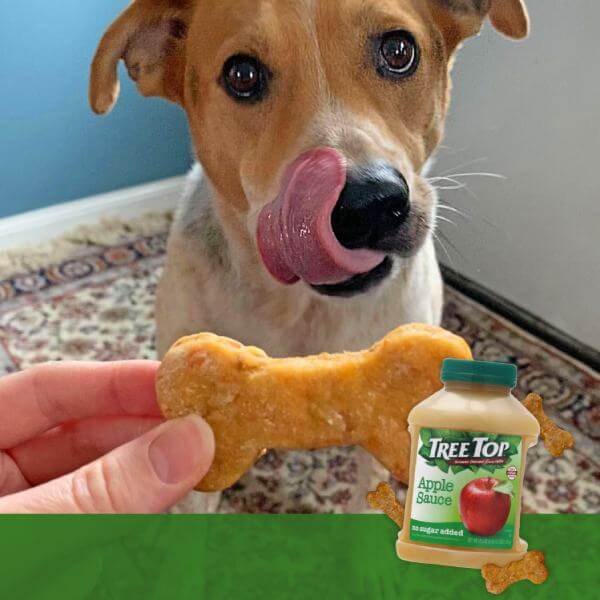
Credit: www.loneralj.com
Safe Serving Tips
Applesauce can be a tasty treat for dogs, but serving it safely is very important. Not all applesauce is good for dogs. Some store-bought versions contain sugar, spices, or artificial ingredients that dogs should not eat. Knowing how to choose or make applesauce that is safe helps keep your dog healthy and happy. This section shares clear tips on serving applesauce to dogs without causing harm.
Choosing Dog-friendly Applesauce
Selecting the right applesauce is key for your dog’s safety. Look for products that have no added sugar or spices. Many commercial applesauces contain xylitol, a sweetener very toxic to dogs, so avoid those completely. Read labels carefully to find pure applesauce made only from apples. Organic options are often better, as they lack pesticides and chemicals.
Here are tips to identify dog-friendly applesauce:
- Check for no added sugar: Dogs do not need extra sugar, which can cause weight gain and health problems.
- Avoid spices and flavorings: Ingredients like cinnamon, nutmeg, or cloves can upset your dog’s stomach.
- Choose unsweetened and preservative-free: Natural applesauce is safest.
- Look for pure apple ingredients: No added fruit juices or artificial colors.
| Ingredient | Safe for Dogs? | Reason |
|---|---|---|
| Pure applesauce (no additives) | Yes | Natural and easy to digest |
| Added sugar | No | Can cause obesity and diabetes |
| Spices (cinnamon, nutmeg) | No | May cause stomach upset or toxicity |
| Xylitol or artificial sweeteners | No | Highly toxic to dogs |
Homemade Recipes
Making your own applesauce ensures complete control over ingredients. Homemade applesauce can be fresh, nutritious, and free from harmful additives. It takes just a few simple steps and ingredients to prepare a dog-friendly treat.
Basic homemade applesauce recipe for dogs:
- Wash and peel 2-3 apples.
- Core and chop apples into small pieces.
- Place apples in a pot with 1/4 cup water.
- Cook on low heat for 15-20 minutes until soft.
- Mash the apples or blend to a smooth texture.
- Let it cool before serving to your dog.
Tips to make applesauce even better for dogs:
- Add a pinch of cinnamon only if your dog tolerates it well.
- Do not add sugar, salt, or any spices.
- Store in an airtight container in the fridge for up to 5 days.
- Serve small amounts as a treat or mix with regular food.
Homemade applesauce can be frozen in ice cube trays for easy portion control. This method lets you give your dog a fresh treat without waste.
Alternatives To Applesauce
Applesauce can be a tasty treat for dogs, but it is not always the best choice. Some applesauce brands have added sugar or spices, which dogs should avoid. You might want to try other options that are healthier and safer for your furry friend. Alternatives to applesauce offer fresh flavors and important nutrients without the risks.
Fresh Apples
Fresh apples are a great alternative to applesauce for dogs. They provide natural sweetness and crunch without added sugars or preservatives. Apples contain fiber, vitamins A and C, and antioxidants that support your dog’s health.
Before giving your dog fresh apples, remember these points:
- Remove seeds and core: Apple seeds contain small amounts of cyanide and can be harmful.
- Cut into bite-sized pieces: This prevents choking and makes it easier to chew.
- Moderation is key: Too much apple can cause stomach upset or diarrhea.
| Benefit | Description |
|---|---|
| Low Calories | Apples are low in calories, which helps maintain a healthy weight. |
| High Fiber | Fiber aids digestion and promotes regular bowel movements. |
| Vitamins | Rich in vitamins A and C, supporting skin and immune health. |
Fresh apples are a simple and natural snack your dog can enjoy safely. Always supervise your dog when giving new foods.
Other Fruit Options
Besides apples, many other fruits can be healthy treats for dogs. Fruits provide vitamins, minerals, and hydration. Some fruits are better suited for dogs than others.
Here are safe and tasty fruit options:
- Blueberries: Small, antioxidant-rich, and easy to eat.
- Bananas: Soft texture, good source of potassium, and easy to digest.
- Watermelon: Hydrating and low in calories; remove seeds and rind.
- Pears: Sweet and high in fiber; remove seeds and core.
Avoid fruits that are toxic or harmful to dogs, such as grapes, raisins, cherries, and citrus fruits.
| Fruit | Benefits | Preparation Tips |
|---|---|---|
| Blueberries | Antioxidants, vitamins C and K | Serve fresh or frozen; no preparation needed |
| Bananas | Potassium, fiber, vitamin B6 | Peel and slice into small pieces |
| Watermelon | Hydration, vitamins A, B6, C | Remove seeds and rind before serving |
| Pears | Fiber, vitamin C | Remove core and seeds; cut into slices |
Introducing new fruits slowly helps prevent digestive upset. Watch your dog’s reaction and enjoy healthy treats together.
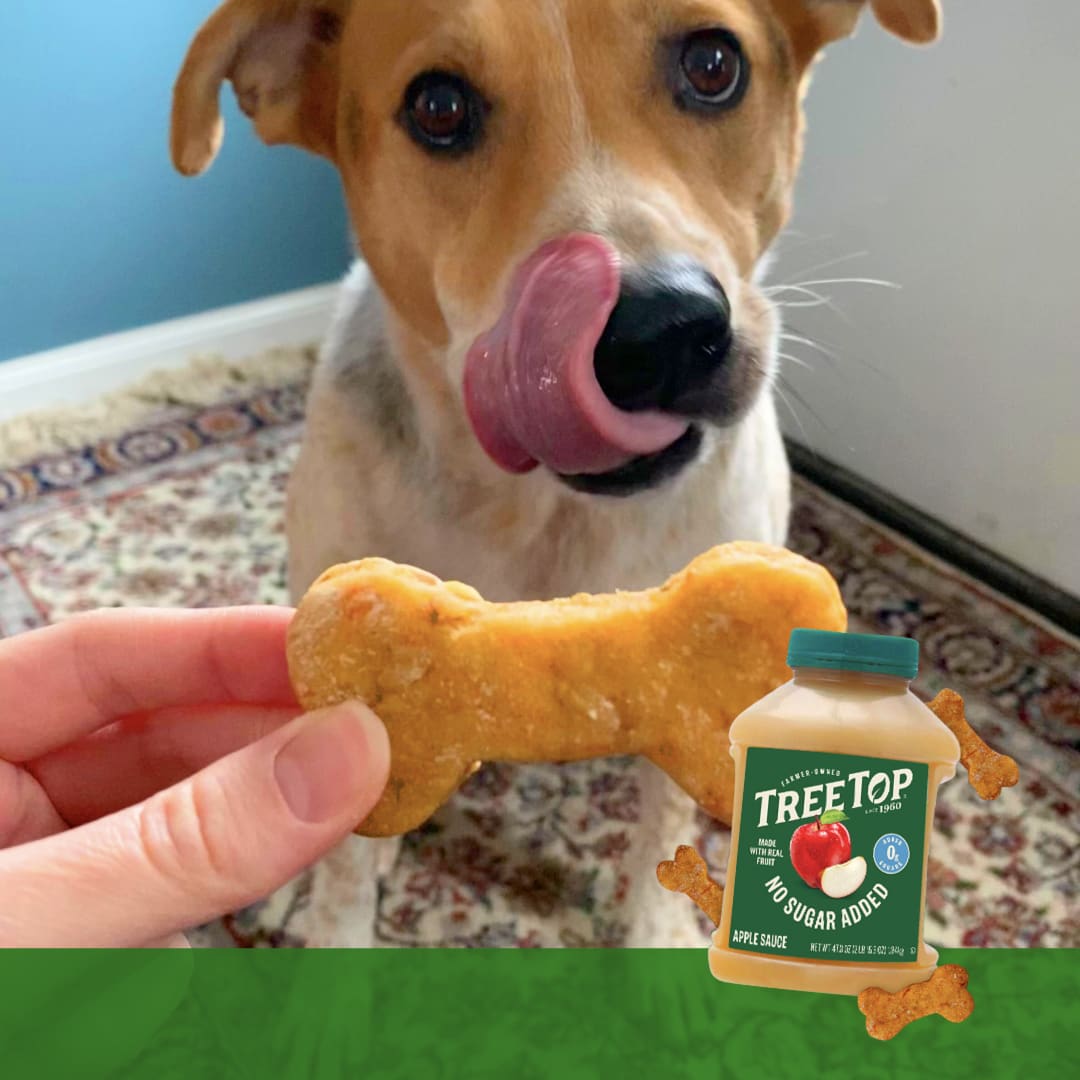
Credit: treetop.com
Can Dogs Eat Applesauce Everyday
Applesauce can be a tasty treat for dogs. It is made from cooked apples and usually has no harmful ingredients. But can dogs eat applesauce everyday? This question is important to keep your dog healthy and happy.
Is Daily Applesauce Safe For Dogs?
Small amounts of plain applesauce are generally safe for dogs. It contains vitamins and fiber from apples. But too much applesauce can cause problems. It has sugar and sometimes additives that are not good for dogs.
Feeding applesauce every day is not recommended. The sugar content may lead to weight gain and dental issues. Dogs do better with a balanced diet and occasional treats.
Potential Risks Of Daily Applesauce
- High Sugar: Many store-bought applesauces contain added sugar or sweeteners.
- Digestive Upset: Too much applesauce can cause diarrhea or stomach pain.
- Allergies: Some dogs may react to ingredients in flavored applesauce.
- Weight Gain: Frequent sugary treats add extra calories.
How To Safely Offer Applesauce To Dogs
- Choose plain, unsweetened applesauce.
- Serve in small amounts, like one teaspoon for small dogs.
- Use applesauce as an occasional treat, not a daily snack.
- Watch your dog’s reaction after feeding applesauce.
- Consult a vet if you notice any problems.
Frequently Asked Questions
Can Dogs Safely Eat Plain Applesauce?
Yes, dogs can eat plain applesauce in moderation. It contains no harmful ingredients and offers vitamins and fiber. Avoid applesauce with added sugars or artificial sweeteners, which can be harmful to dogs.
Is Store-bought Applesauce Bad For Dogs?
Store-bought applesauce often contains added sugars and preservatives. These additives may upset your dog’s stomach or cause health issues. Always check the label or choose homemade, unsweetened applesauce for your pet.
How Much Applesauce Can Dogs Eat Daily?
Limit your dog’s applesauce intake to a small spoonful per day. Too much can cause diarrhea or stomach upset. Treat applesauce as an occasional snack, not a meal replacement.
Are There Any Applesauce Ingredients Harmful To Dogs?
Yes, ingredients like xylitol, added sugar, cinnamon, and artificial sweeteners are harmful to dogs. Always feed plain, unsweetened applesauce and avoid flavored varieties to keep your dog safe.
Conclusion
Dogs can enjoy applesauce in small amounts. Plain, unsweetened applesauce is safest for them. Avoid applesauce with added sugar or spices. Always watch your dog for any reactions. Treat applesauce as an occasional snack, not a meal. Consult your vet if you feel unsure.
Keep your dog’s health and happiness first. Simple treats like this can add variety. Just remember to feed with care and love.