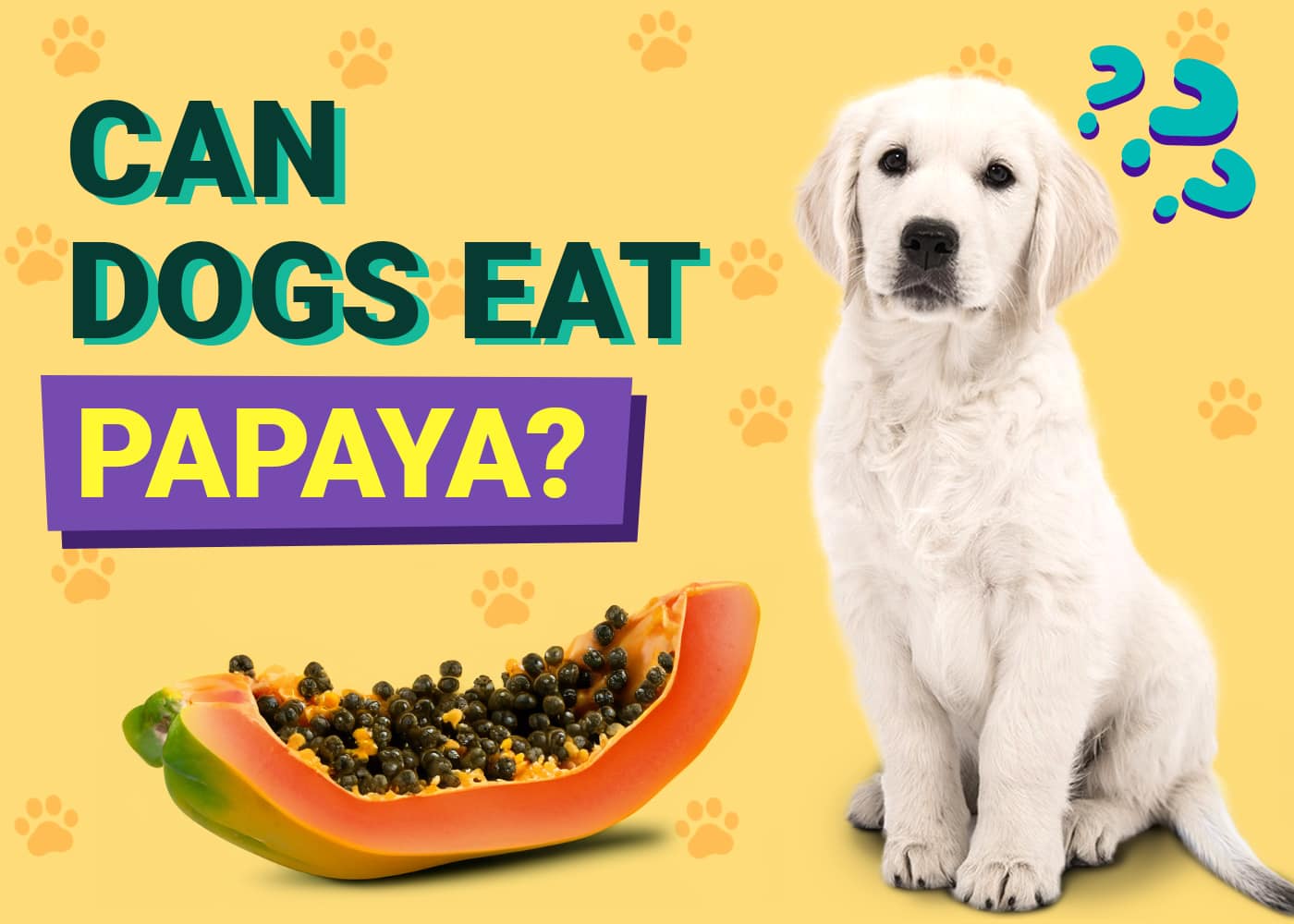
Dogs are curious creatures, often sniffing around and tasting whatever their humans are eating. As a dog owner, you want to share healthy foods with your pet—but it’s important to know what’s safe and what’s not. Papaya is a tropical fruit that’s tasty and nutritious for humans, but can dogs eat papaya safely? In this article, you’ll discover everything you need to know: the benefits, risks, serving tips, and how papaya fits into your dog’s diet. You’ll also learn how to avoid common mistakes and find answers to the most frequent questions dog owners ask.
What Is Papaya?
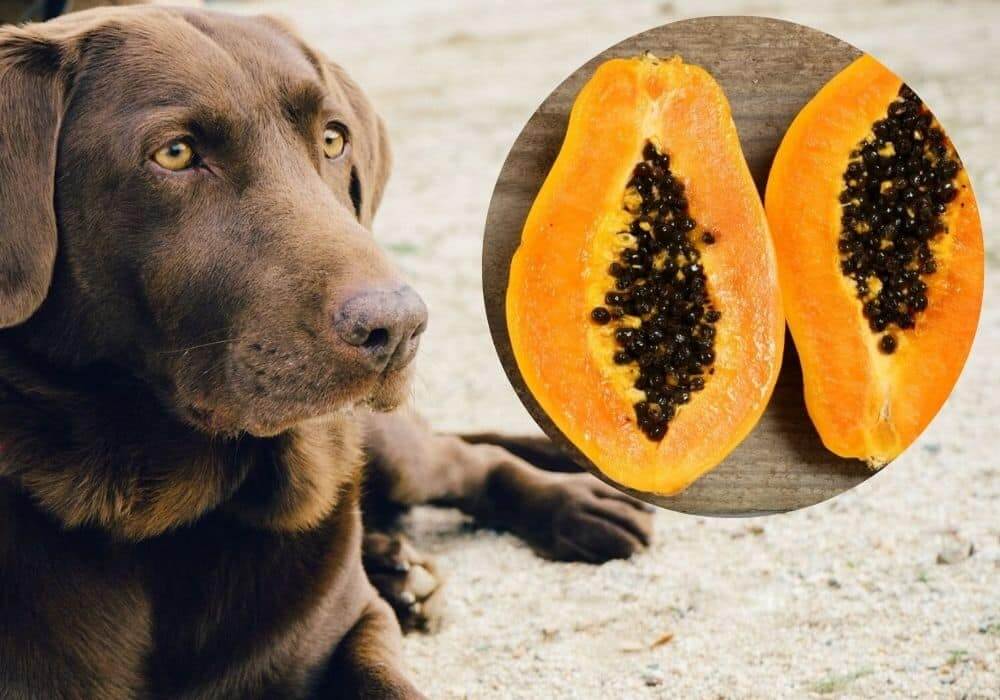
Papaya is a tropical fruit with orange flesh and black seeds, popular for its sweet taste and soft texture. It grows in warm climates like Central America, South America, Africa, and Southeast Asia. The fruit is rich in vitamins and enzymes, especially vitamin C, vitamin A, folate, and papain—a natural enzyme that helps digestion.
Papaya’s nutrition profile makes it a favorite in salads, smoothies, and desserts. But its properties also matter for dogs. Let’s look at what papaya contains and why it’s considered healthy.
| Nutrient | Amount per 100g | Health Benefit |
|---|---|---|
| Vitamin C | 60 mg | Immune support |
| Vitamin A | 950 IU | Eye health |
| Fiber | 1.8 g | Digestion |
| Papain enzyme | ~0.3 mg | Protein breakdown |
| Potassium | 182 mg | Heart health |
Can Dogs Eat Papaya? The Short Answer
Yes, dogs can eat papaya—but only in moderation, and only certain parts. The ripe flesh of papaya is safe for dogs and can be a healthy treat. However, the seeds, skin, and large amounts of papaya can cause problems.
Many veterinarians recommend papaya as an occasional snack for dogs. It’s low in calories and rich in nutrients, making it a good alternative to processed dog treats. But just because papaya is safe doesn’t mean it’s perfect for all dogs.
The way you serve it, how much you give, and your dog’s health matter a lot.
Nutritional Benefits Of Papaya For Dogs
Papaya offers several health benefits when given to dogs in small portions. Here’s why it’s a smart choice for a dog treat:
- Boosts immunity: Papaya is loaded with vitamin C, which helps protect cells and supports the immune system. Dogs make their own vitamin C, but extra from food can help during stress, illness, or aging.
- Supports digestion: The fiber and papain enzyme in papaya help break down proteins and ease digestion. Some owners use papaya to relieve mild constipation or improve stool quality.
- Protects vision and skin: With high vitamin A and beta carotene, papaya can support eye health and keep your dog’s skin and coat in good condition.
- Provides antioxidants: Papaya contains lycopene and other antioxidants, which fight free radicals and may reduce inflammation.
- Hydrates naturally: Papaya is about 88% water, so it can help keep your dog hydrated—especially in hot weather.
- Low in fat and calories: For dogs that need to lose weight, papaya is a filling, low-calorie snack.
These benefits are supported by studies on papaya’s properties in humans and animals. But remember: the impact of papaya depends on your dog’s age, health, and diet.
Risks And Precautions: When Papaya Is Not Safe
While papaya is healthy, there are risks if you don’t serve it correctly. Here’s what to watch out for:
- Papaya seeds: The black seeds are not toxic, but they can cause choking or block the intestines. Seeds contain trace amounts of cyanogenic compounds, which can be harmful in large amounts.
- Papaya skin: The skin is tough and hard to digest. It can upset your dog’s stomach or cause blockages.
- Too much papaya: Large servings can cause diarrhea, vomiting, or stomach cramps. Excess fiber or sugar can upset digestion.
- Allergic reactions: Some dogs may be allergic to papaya. Signs include itching, swelling, or stomach trouble.
- Underlying health issues: Dogs with diabetes, kidney disease, or sensitive stomachs should avoid papaya unless a vet approves.
- Processed papaya: Avoid dried papaya, candied papaya, or papaya with added sugar. These are unhealthy for dogs.
Papaya is safest when fresh, ripe, and served in small, seedless pieces. If you’re unsure, ask your veterinarian before giving papaya to your dog.

Credit: www.countryvetmom.com
How To Serve Papaya To Dogs
Serving papaya to dogs is simple, but you must follow some steps to keep it safe.
- Wash the fruit: Clean the papaya to remove dirt and pesticides.
- Remove skin and seeds: Peel the papaya and scoop out all seeds.
- Cut into small pieces: Slice the flesh into bite-sized chunks. For small dogs, dice it even smaller.
- Serve plain: Don’t add sugar, salt, spices, or sauces.
- Offer as a treat: Use papaya as a reward, not as a meal. Mix with other dog-safe fruits for variety.
- Start with a small amount: Give your dog one or two pieces at first. Watch for signs of allergy or upset stomach.
- Store leftovers properly: Keep cut papaya in the fridge for up to three days.
Here’s a quick guide to serving sizes:
| Dog Size | Recommended Serving | Frequency |
|---|---|---|
| Small (under 20 lbs) | 1-2 small cubes (1/2 inch) | 1-2 times/week |
| Medium (20-50 lbs) | 2-3 cubes | 1-2 times/week |
| Large (over 50 lbs) | 3-4 cubes | 1-2 times/week |
Comparing Papaya To Other Dog-friendly Fruits
You might wonder how papaya stacks up against other fruits that dogs can eat. Let’s compare papaya to a few popular choices:
| Fruit | Key Nutrient | Safe for Dogs? | Common Risks |
|---|---|---|---|
| Papaya | Vitamin C, fiber | Yes | Seeds, skin |
| Apple | Fiber, vitamin C | Yes | Seeds, core |
| Banana | Potassium | Yes | High sugar |
| Blueberries | Antioxidants | Yes | None (in moderation) |
| Grapes | None | No | Toxic |
As you see, papaya is similar to apples and bananas in nutrients, but grapes are dangerous for dogs. Always remove any seeds or cores, and avoid fruits with added sugar.
Signs Of Papaya Allergy Or Digestive Problems
Most dogs tolerate papaya well, but a few may react badly. If your dog eats papaya for the first time, watch for these signs:
- Itching or hives
- Vomiting
- Diarrhea
- Swelling around mouth or face
- Excessive drooling
- Gagging or choking
If you see any of these symptoms, stop feeding papaya and call your vet. Allergic reactions can appear within hours, but stomach issues may show up after one or two days.
Some dogs have sensitive stomachs and may get gas or loose stools even from small amounts of papaya. If this happens, offer less or skip papaya altogether.
Papaya In Dog Food: What Science Says
Some dog food brands include papaya as an ingredient. Research shows that papaya can improve digestion and provide antioxidants. The papain enzyme is especially helpful for dogs with trouble breaking down protein.
One study found that papaya extract improved stool quality in dogs with mild constipation. Another showed that papaya reduced inflammation markers in aging dogs.
However, papaya is usually a minor ingredient in dog food, not the main source of nutrition. The fiber and enzymes are useful, but not essential for every dog. Whole, fresh papaya is better as a treat than as a daily staple.
If you want to try papaya-based dog treats, choose products with real papaya, no artificial flavors, and limited added sugar. Always check the ingredient list.
Credit: www.dogster.com
Practical Tips For Giving Papaya To Dogs
Here are some practical, experience-based tips for dog owners:
- Try frozen papaya: In hot weather, freeze small papaya cubes for a cool snack.
- Mix with kibble: Add a few papaya pieces to your dog’s regular food for a flavor boost.
- Use as training reward: Papaya is soft and easy to chew, so it works well as a reward for good behavior.
- Avoid overfeeding: Even healthy fruits can be too much. Stick to recommended serving sizes.
- Rotate with other fruits: Give papaya one week, apples the next. Variety prevents boredom and balances nutrients.
- Check for pesticides: If possible, buy organic papaya. Wash the fruit well to remove chemicals.
- Don’t use papaya as a meal replacement: Papaya is a snack, not a full meal. It should never replace your dog’s main food.
- Monitor your dog: After giving papaya, watch your dog for signs of discomfort, allergy, or digestive trouble.
- Introduce slowly: If your dog has never had papaya, start with a tiny piece and wait 24 hours before giving more.
- Consult your vet: If your dog has health issues or is on a special diet, ask your vet before introducing papaya.
Papaya For Puppies: Special Considerations
Puppies have sensitive stomachs and are still developing their immune systems. If you want to give papaya to a puppy:
- Start with a very small piece (less than 1/2 inch).
- Wait 48 hours before giving more.
- Watch for diarrhea or vomiting.
- Avoid papaya if your puppy has allergies, digestive issues, or is under six months old.
Veterinarians often recommend waiting until a puppy is at least six months old before offering fruits like papaya. Puppies need protein and fat for growth, not extra fruit.
Papaya For Senior Dogs
Older dogs can benefit from papaya, especially for digestion and inflammation. The fiber helps with constipation, and antioxidants may support aging cells.
Senior dogs may have weaker teeth, so serve papaya in very small, soft chunks. Don’t give papaya if your dog has kidney issues or diabetes unless your vet approves.
Papaya can also help senior dogs stay hydrated, as it’s mostly water. Offer papaya on hot days or after exercise.
Papaya And Dog Health Conditions
If your dog has a health condition, papaya may be good—or bad—depending on the illness:
- Diabetes: Papaya has sugar, so give only small amounts or avoid altogether.
- Kidney disease: The potassium in papaya can affect kidney function. Ask your vet before serving.
- Obesity: Papaya is low in calories, but too much can add extra sugar.
- Allergies: Avoid papaya if your dog has known fruit allergies.
Some dogs with chronic stomach problems may benefit from papaya’s fiber, but others get diarrhea. Always introduce papaya slowly and consult your vet for advice.
Common Mistakes When Giving Dogs Papaya
Many owners make simple mistakes when offering papaya to their dogs. Avoid these pitfalls:
- Leaving seeds in the fruit: Seeds can block the intestines or cause choking.
- Serving large chunks: Big pieces are hard to chew and may cause gagging.
- Giving too much: Overfeeding papaya leads to stomach trouble.
- Using dried or candied papaya: These are high in sugar and preservatives.
- Ignoring allergies: Dogs can develop new allergies, even if they’ve eaten papaya before.
- Mixing papaya with unsafe foods: Some fruits, like grapes or raisins, are toxic. Never mix papaya with unsafe foods.
- Using papaya as a meal replacement: Dogs need balanced nutrition, not just fruit.
- Not watching for reactions: Always monitor your dog after giving a new treat.
- Feeding papaya to puppies too early: Wait until your puppy is at least six months old.
- Skipping vet advice: If your dog has health issues, always check with your vet first.
Real-life Examples: Dogs And Papaya
Let’s look at a few real-world examples to show how dogs react to papaya:
- Bella the Beagle: Bella’s owner noticed she had mild constipation. After adding two small papaya cubes to her food twice a week, Bella’s stools became softer and more regular. No digestive problems occurred.
- Max the Golden Retriever: Max loves fruits, but his owner gave him a whole papaya, seeds and all. Max developed vomiting and diarrhea. After a vet visit, the owner learned to remove seeds and limit portions.
- Luna the Poodle: Luna enjoys frozen papaya cubes in summer. Her owner uses these as training rewards. Luna stays hydrated and never has digestive issues.
These stories show that papaya can be helpful or harmful, depending on how you serve it.
Papaya Recipes For Dogs
If you want to make papaya treats for your dog, try these simple recipes:
Papaya Dog Smoothie
- 1/4 cup ripe papaya (peeled, seeded, diced)
- 1/4 cup plain yogurt (unsweetened)
- 1 tablespoon water
Blend the ingredients until smooth. Serve a small spoonful as a treat.
Papaya Frozen Cubes
- 1/2 cup ripe papaya (peeled, diced)
Place papaya pieces in an ice cube tray. Freeze for 4 hours. Offer one cube as a snack.
Papaya & Chicken Mix
- 1/4 cup cooked chicken (no bones, plain)
- 2 tablespoons ripe papaya (diced)
Mix together and serve as a reward.
Tip: Always keep portions small and avoid adding sugar or salt.
Papaya: Fresh Vs. Dried
You may find dried papaya in stores, but it’s not the same as fresh papaya. Dried papaya is often coated in sugar and preservatives. It’s chewy and more concentrated, so it can upset your dog’s stomach.
Fresh papaya is safer, with more water and less sugar. If you must use dried papaya, choose unsweetened, additive-free products. Give only tiny pieces.
Papaya And Human Foods: The Big Picture
Papaya is just one example of a human food that’s safe for dogs when served correctly. Many fruits and vegetables are healthy in moderation, but some are dangerous.
Always check before sharing your snack with your dog. Foods like grapes, raisins, onions, and chocolate are toxic. Even healthy foods can cause trouble if served wrong.
If you want to read more about safe foods for dogs, visit the Wikipedia list of dog food ingredients.
Frequently Asked Questions
Is Papaya Safe For All Dog Breeds?
Most dog breeds can eat papaya if it’s served properly—peeled, seeded, and in small pieces. However, some breeds with sensitive stomachs or allergies may react badly. Always start with a tiny amount and monitor your dog.
How Much Papaya Can I Give My Dog?
The ideal serving depends on your dog’s size. Small dogs (under 20 lbs) can have 1-2 small cubes once or twice a week. Medium dogs (20-50 lbs) can have 2-3 cubes. Large dogs (over 50 lbs) can have 3-4 cubes.
Avoid daily servings and never give too much at once.
Can Papaya Help With My Dog’s Digestion?
Yes, papaya’s fiber and papain enzyme can help with mild constipation or digestion. Some owners use papaya to improve stool quality. However, too much papaya can cause diarrhea or gas. Always use small amounts and consult your vet if your dog has ongoing digestive problems.
Are Papaya Seeds Toxic To Dogs?
Papaya seeds are not highly toxic, but they can cause choking or blockages. The seeds contain tiny amounts of cyanogenic compounds, which can be harmful in large doses. Always remove seeds before serving papaya.
Can I Give Papaya To My Puppy?
Puppies under six months should avoid papaya. Older puppies can try a very small piece, but watch for signs of digestive trouble or allergy. Puppies need protein and fat—not fruit—as their main nutrition. Ask your vet before introducing papaya.
Papaya can be a healthy, tasty treat for your dog when served in the right way. Remember to remove seeds and skin, keep portions small, and watch your dog for any reactions. If you follow these tips, papaya can add variety, vitamins, and fun to your dog’s diet.
When in doubt, ask your veterinarian for guidance. Your dog’s health and happiness always come first.
Credit: www.mokaipaws.com