Dogs are part of the family, and many owners want to share healthy foods with their pets. Broccoli and cauliflower are two vegetables that often end up on our plates. But can dogs safely eat these veggies? What are the benefits, risks, and best ways to serve them?
Understanding what foods are safe is important, especially when it comes to our pets’ health. Some human foods are safe for dogs, while others can cause problems. This article will help you understand if broccoli and cauliflower are good for your dog, how much is safe, and what to watch out for.
Whether you’re looking for new treats or want to boost your dog’s nutrition, you’ll find clear, practical advice here.
Are Broccoli And Cauliflower Safe For Dogs?
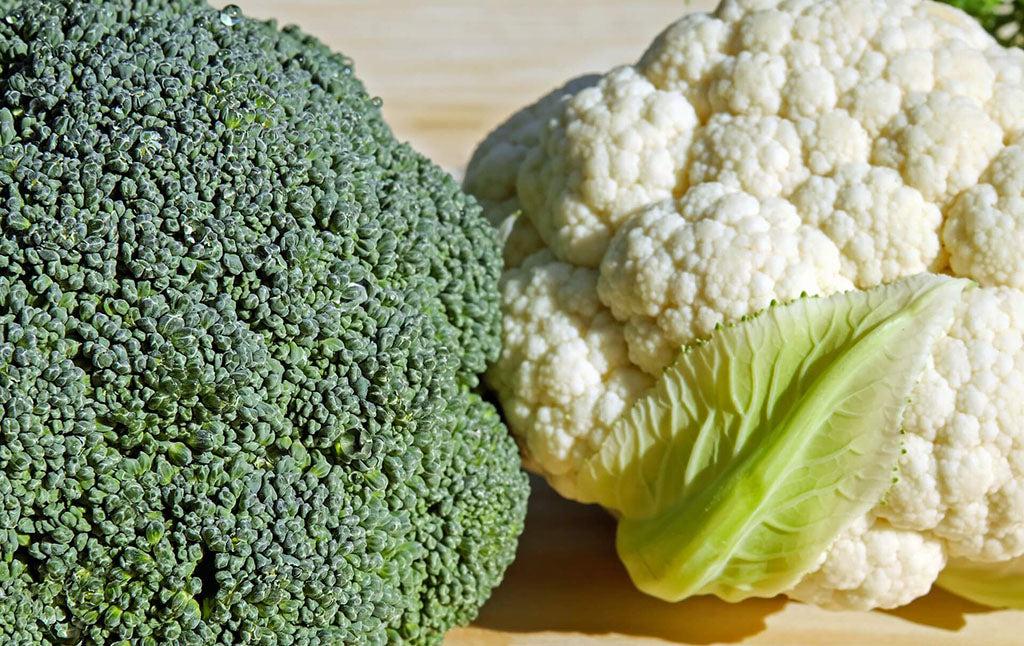
Both broccoli and cauliflower are non-toxic to dogs. Most dogs can eat these vegetables in small amounts without any trouble. They belong to the cruciferous vegetable family, which also includes cabbage and Brussels sprouts. These vegetables are packed with vitamins, minerals, and fiber.
But while they are not poisonous, there are a few things you should know before sharing them with your dog. The way they are served, the amount given, and your dog’s individual health can make a difference.
What Makes Broccoli And Cauliflower Safe?
- Non-toxic: Both are on the list of vegetables considered safe for dogs.
- Low calorie: Great for dogs that need to manage their weight.
- Rich in nutrients: Offer vitamins and fiber, which can be beneficial if given in moderation.
When Are They Unsafe?
Problems can occur if your dog eats too much, or if the veggies are served with harmful seasonings or cooked in unhealthy ways. Some dogs may also have trouble digesting them, especially if they are not used to high-fiber foods.
Nutritional Benefits Of Broccoli And Cauliflower For Dogs
These vegetables provide more than just crunch. They offer several nutrients that support your dog’s health.
Broccoli Nutrition Facts
Broccoli contains:
- Vitamin C: Supports the immune system
- Vitamin K: Important for healthy blood and bones
- Fiber: Aids digestion
- Folate: Good for cell growth
- Potassium: Supports muscles and nerves
Cauliflower Nutrition Facts
Cauliflower provides:
- Vitamin C
- Vitamin B6: Supports metabolism
- Vitamin K
- Choline: Supports brain health
- Antioxidants: Help fight cell damage
Let’s compare the nutrients in a simple way. The following table shows the nutrients found in 100 grams (about 3.5 ounces) of raw broccoli and cauliflower:
| Nutrient | Broccoli | Cauliflower |
|---|---|---|
| Calories | 34 kcal | 25 kcal |
| Fiber | 2.6 g | 2.0 g |
| Vitamin C | 89 mg | 48 mg |
| Vitamin K | 102 mcg | 15.5 mcg |
| Potassium | 316 mg | 299 mg |
| Folate | 63 mcg | 57 mcg |
Key insight: While both are healthy, broccoli is higher in vitamin C and vitamin K, but both are low in calories and high in fiber.
Health Benefits For Dogs
Dogs can benefit from broccoli and cauliflower in several ways when these veggies are offered in small amounts.
1. Weight Management
Because both are low in calories and fat, they make good treats for dogs that need to lose weight or maintain a healthy weight. Swapping high-calorie treats with a few pieces of broccoli or cauliflower can help control calories without making your dog feel deprived.
2. Digestive Health
The fiber in these vegetables can help keep your dog’s digestive system healthy. Fiber can support regular bowel movements and may help prevent constipation. However, too much fiber can cause gas or upset stomach.
3. Immune System Support
Vitamins like vitamin C act as antioxidants. They support your dog’s immune system and help fight damage from free radicals. While dogs make their own vitamin C, extra from foods can give a small boost.
4. Bone And Blood Health
Vitamin K helps with blood clotting and supports strong bones. Broccoli is a particularly good source.
5. Brain And Nerve Function
Cauliflower contains choline, which supports brain health and nerve function. While not a replacement for other key nutrients, it’s a nice bonus.
Potential Risks And Side Effects
Even healthy foods can cause problems if given the wrong way or in the wrong amount.
1. Digestive Upset
The most common issue is gas, bloating, or diarrhea. Dogs are not used to high-fiber vegetables, and eating too much can upset their stomachs. Start with a small amount and watch for any changes.
2. Choking Hazard
Broccoli and cauliflower florets can be a choking risk, especially for small dogs or those that eat too quickly. Cut them into small, bite-sized pieces.
3. Isothiocyanates In Broccoli
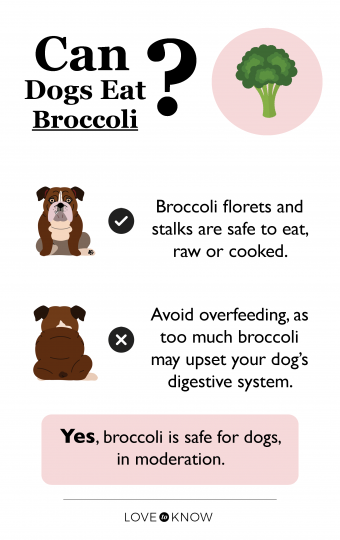
Broccoli contains natural compounds called isothiocyanates. In large amounts, these can cause stomach upset and may be toxic. According to veterinary sources, broccoli should not make up more than 10% of your dog’s daily food intake.
4. Pesticide Residue
Like all vegetables, broccoli and cauliflower can carry pesticide residues. Wash them well or buy organic when possible.
5. Allergic Reactions
Rarely, dogs may be allergic to certain foods, including broccoli or cauliflower. Signs include itchiness, swelling, or trouble breathing. If you see these symptoms, contact your vet right away.
Non-obvious insight: Dogs that already have stomach problems, such as sensitive digestion or inflammatory bowel disease, may react more strongly. If your dog has digestive health issues, ask your vet before offering new vegetables.
How Much Broccoli Or Cauliflower Can Dogs Eat?
It’s important to give the right amount. Too much can lead to problems, while the right amount can be a healthy addition.
General Guidelines
- Broccoli: No more than 10% of your dog’s daily calories. For an average medium-sized dog (about 30-40 pounds), this means about 1/4 to 1/2 cup of cooked or raw broccoli, a few times per week.
- Cauliflower: Slightly less risky, but still best given in moderation. 1/4 cup for a medium dog is a safe starting point.
Factors That Affect The Right Amount
- Dog’s Size: Small dogs need much less than large dogs.
- Age and Health: Puppies and older dogs may have more sensitive digestion.
- Existing Diet: Dogs already eating fiber-rich foods need less extra fiber.
Here’s an easy guide:
| Dog Size | Safe Serving (Broccoli) | Safe Serving (Cauliflower) |
|---|---|---|
| Small (under 20 lbs) | 1-2 small florets | 1-2 small florets |
| Medium (20-50 lbs) | 2-3 small florets | 2-3 small florets |
| Large (over 50 lbs) | up to 1/2 cup | up to 1/2 cup |
Tip: Start with a small amount and watch for any signs of stomach upset.
The Best Ways To Serve Broccoli And Cauliflower To Dogs
How you prepare these vegetables is just as important as how much you give.
Raw Vs Cooked
- Raw: Crunchy and has more nutrients, but can be harder to digest and may cause more gas.
- Steamed or boiled: Softer and easier to digest. Light cooking can make nutrients easier to absorb and reduce the risk of digestive upset.
Avoid These Cooking Methods
- Fried or battered: Adds unhealthy fats and calories.
- With sauces or spices: Garlic, onions, salt, and some seasonings are toxic to dogs.
- Butter or cheese: Adds fat and can cause stomach problems.
How To Prepare
- Wash thoroughly: Remove any dirt or pesticides.
- Cut into small pieces: Avoid choking hazards.
- Steam or boil (optional): Cook until soft, but not mushy.
- Cool before serving: Avoid burns or mouth injuries.
- Serve plain: No added salt, oil, or spices.
Example: Steam a few small pieces of broccoli, let them cool, and offer as a treat. You can also mix a small amount into your dog’s regular food.
Non-obvious insight: Some dogs may prefer the taste or texture of cooked vegetables, especially if they have dental issues or are picky eaters.
When Not To Feed Broccoli Or Cauliflower
While generally safe, there are times when it’s better to avoid these vegetables.
Dogs With Digestive Problems
If your dog has a sensitive stomach, irritable bowel syndrome, or other digestive issues, even a small amount of broccoli or cauliflower can cause problems.
Dogs On Special Diets
If your vet has put your dog on a strict diet for kidney disease, allergies, or another medical reason, check before adding new foods.
Dogs Prone To Kidney Stones
Broccoli and cauliflower are high in oxalates, which may contribute to kidney stones in some dogs. If your dog has had stones before, ask your vet before offering these veggies.
Comparing Broccoli And Cauliflower To Other Dog-friendly Vegetables
How do broccoli and cauliflower compare to other vegetables that are safe for dogs? Here’s a quick comparison with carrots and green beans, two other popular options.
| Vegetable | Calories (per 100g) | Main Benefits | Main Risks |
|---|---|---|---|
| Broccoli | 34 | High in vitamin C, K, fiber | Gas, stomach upset if too much |
| Cauliflower | 25 | Vitamin C, choline, antioxidants | Gas, possible kidney stone risk |
| Carrots | 41 | Vitamin A, fiber, safe raw or cooked | High sugar if too much |
| Green beans | 31 | Fiber, vitamin K, low calorie | Gas if too many |
Takeaway: Broccoli and cauliflower are low-calorie, high-fiber choices, but cause more gas than carrots or green beans.

Credit: www.afvt.org
Common Mistakes When Feeding Dogs Vegetables
Many owners make the same errors when offering veggies to their pets. Avoid these to keep your dog safe and healthy.
1. Giving Too Much
It’s easy to think that because a food is healthy, more is better. But too many vegetables can cause stomach problems, diarrhea, or even block nutrients from other foods.
2. Using Unsafe Additions
Adding salt, butter, cheese, or seasonings can make vegetables dangerous for dogs. Always serve them plain.
3. Not Cutting Into Small Pieces
Large chunks can cause choking, especially in small dogs or those that eat too fast.
4. Ignoring Your Dog’s Reaction
Watch for signs of digestive upset, allergies, or changes in appetite. If you notice anything unusual, stop giving the new food and talk to your vet.
5. Not Considering Other Treats
If your dog already gets treats or table scraps, adding vegetables can push them over their daily calorie needs.
How To Introduce Broccoli And Cauliflower To Your Dog
Start slow to avoid upsetting your dog’s stomach.
- Begin with a single small piece.
- Watch for any signs of discomfort (gas, diarrhea, vomiting, itching).
- Wait 24-48 hours before giving more.
- Gradually increase the amount if your dog tolerates it well.
- Mix with regular food if your dog is unsure about the taste.
Tip: Some dogs are pickier than others. Try steaming the vegetables to soften the flavor.
Credit: www.petlabco.co.uk
Signs Of A Negative Reaction
It’s important to know what to look for if your dog has a problem after eating broccoli or cauliflower.
- Vomiting or diarrhea
- Excessive gas or bloating
- Lethargy or weakness
- Itching, hives, or swelling
- Difficulty breathing
If any of these symptoms occur, especially trouble breathing or severe swelling, seek veterinary help immediately.
Can Puppies Eat Broccoli And Cauliflower?
Puppies can eat small amounts of these vegetables, but their digestive systems are more sensitive. Wait until your puppy is eating solid foods comfortably. Offer only a tiny piece at first and watch for any reaction.
Key point: Puppies need a balanced, nutrient-rich diet for growth. Vegetables should only be a small part of their food and never replace puppy food or a vet-recommended diet.
Homemade Dog Treats Using Broccoli And Cauliflower
If you want to get creative, you can make simple dog treats at home using these vegetables. Here’s a basic recipe:
Simple Broccoli And Cauliflower Dog Treats
Ingredients:
- 1/2 cup chopped broccoli (steamed)
- 1/2 cup chopped cauliflower (steamed)
- 1 cup whole wheat flour
- 1 egg
- 1/4 cup water (as needed)
Instructions:
- Preheat oven to 350°F (175°C).
- Mash steamed broccoli and cauliflower.
- Mix vegetables with flour and egg. Add water until a dough forms.
- Roll into small balls or flatten and cut into shapes.
- Place on a baking sheet lined with parchment paper.
- Bake for 15-20 minutes, until firm.
Serving size: 1-2 treats for small dogs, 3-4 for large dogs.
Tip: Always let treats cool completely before offering them to your dog.
Non-obvious insight: Making homemade treats lets you control what goes in, and you can adjust the size and texture for your dog’s needs.
What To Do If Your Dog Eats Too Much Broccoli Or Cauliflower
Sometimes dogs get into the veggie bowl or eat more than planned. Here’s what to do:
- Stay calm: Most dogs will only get an upset stomach.
- Watch for symptoms: Gas, diarrhea, vomiting, or discomfort.
- Withhold food for a few hours: Give water, but let their stomach rest.
- If severe symptoms appear (lethargy, repeated vomiting, swelling, trouble breathing), call your vet right away.
Key point: Dogs rarely get seriously ill from eating too many vegetables, but monitor closely, especially if they are small or have health issues.
When To Consult Your Veterinarian
Always talk to your vet if:
- Your dog has a health condition or special diet.
- You see any allergic reaction or lasting stomach problems.
- You’re unsure about safe foods for your pet.
Vets can provide advice based on your dog’s breed, age, weight, and health needs. For more information on safe foods for dogs, check out this helpful resource from the American Kennel Club.
Frequently Asked Questions
Can Dogs Eat Broccoli Stems And Leaves?
Yes, dogs can eat broccoli stems and leaves, but they should be cut into small pieces to avoid choking. Both parts are safe but are tougher and may be harder to digest. Always cook or steam stems to soften them.
Is It Better To Feed My Dog Raw Or Cooked Cauliflower?
Both raw and cooked cauliflower are safe, but cooked (steamed or boiled) is easier to digest and less likely to cause gas. Avoid spices, oils, or butter. Raw pieces should be small and watched carefully to prevent choking.
Can Broccoli Or Cauliflower Cause Allergies In Dogs?
Allergies are rare but possible. Signs include itching, hives, swelling, or trouble breathing. If you notice any of these symptoms after your dog eats these vegetables, stop giving them and contact your vet right away.
How Often Can I Give My Dog Broccoli Or Cauliflower?
A few small pieces a couple of times a week is safe for most dogs. Broccoli should not make up more than 10% of your dog’s total food. Too much, or giving every day, can lead to stomach upset.
What Vegetables Are Safer Or Better Than Broccoli And Cauliflower For Dogs?
Carrots, green beans, and cucumber are also safe and often easier to digest. They are less likely to cause gas and can be given raw or cooked. Always cut them into small pieces and serve plain.
Broccoli and cauliflower can be healthy, low-calorie additions to your dog’s diet when served properly and in moderation. Keep portions small, prepare them simply, and always watch how your dog reacts. With careful introduction, these vegetables can add variety and nutrients to your dog’s meals, making treat time both safe and enjoyable.
Credit: www.afvt.org