Can Dogs Eat Arugula?
Many dog owners wonder if their pets can enjoy the same foods they eat. One question that comes up often: Can dogs eat arugula? This leafy green is popular in salads and sandwiches, known for its peppery flavor and nutrition. But is it safe for dogs? What are the benefits, risks, and best ways to serve arugula to your canine companion?
If you want to add healthy vegetables to your dog’s diet, understanding what is safe and how much is important. This article covers everything you need to know about dogs and arugula. You’ll learn about the nutrition, safety, serving tips, and potential concerns, plus how arugula compares to other greens.
We’ll also answer common questions and share insights that most beginners miss. Whether you are a new dog owner or just curious, this guide will help you make confident decisions.
What Is Arugula?
Arugula, also called rocket or rucola, is a leafy green from the Brassicaceae family. It grows in many parts of the world and is often used in salads, pasta, and pizza. Its leaves are dark green and have a strong, peppery taste. Arugula is rich in nutrients like vitamin K, vitamin C, calcium, and folate.
Nutrition Facts
Arugula is low in calories and high in vitamins. Here’s a look at its nutritional content per 100 grams:
| Nutrient | Amount |
|---|---|
| Calories | 25 |
| Protein | 2.6 g |
| Fiber | 1.6 g |
| Vitamin K | 109 mcg |
| Vitamin C | 15 mg |
| Calcium | 160 mg |
Arugula also contains antioxidants and phytonutrients that help fight inflammation. Its strong taste comes from compounds called glucosinolates.
Is Arugula Safe For Dogs?
The short answer is yes, dogs can eat arugula in moderation. Arugula is non-toxic for dogs and does not contain harmful substances like those found in onions or garlic. However, there are some important points to consider before adding arugula to your dog’s diet.
Potential Benefits
Arugula offers several health benefits for dogs:
- Low calorie: Good for overweight dogs or those needing weight control.
- High fiber: Supports digestion and bowel health.
- Rich in vitamins: Especially vitamin K and vitamin C, which help immune function and bone health.
- Antioxidants: May help protect cells from damage.
Some dog owners notice their pets have shinier coats and more energy when eating nutrient-rich greens.
Possible Risks
While arugula is safe, there are a few risks if given in large amounts:
- Digestive upset: Too much arugula can cause diarrhea or stomach discomfort.
- Oxalates: Arugula contains oxalates, which can affect dogs prone to kidney stones.
- Pesticides: Store-bought arugula may have pesticide residues. Always wash thoroughly.
Dogs with sensitive stomachs or existing health issues should try arugula only in small amounts. Puppies, elderly dogs, or dogs with kidney problems need extra care.
Common Mistakes
Many owners forget these key points:
- Giving too much arugula at once, leading to digestive issues.
- Using seasoned or salted arugula, which can be harmful.
- Not washing the leaves, risking exposure to pesticides.
- Confusing arugula with similar-looking plants that may be toxic.
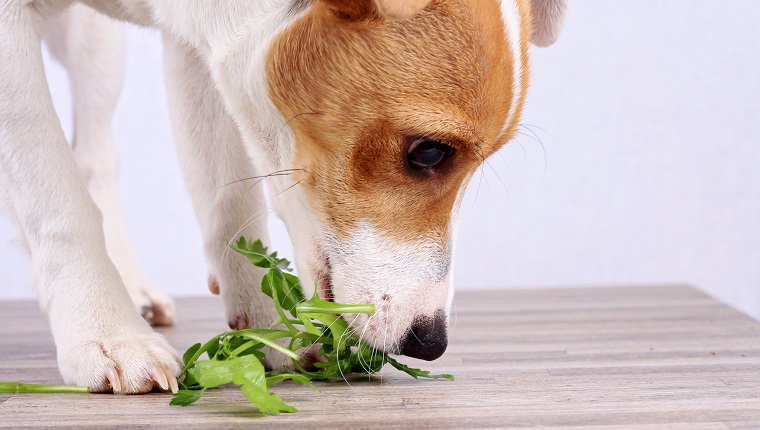
Credit: dogtime.com
How Much Arugula Can Dogs Eat?
Moderation is crucial. Most dogs can tolerate a few leaves of arugula mixed with their food. For small dogs, start with half a leaf; for larger dogs, one or two leaves.
| Dog Size | Recommended Serving | Frequency |
|---|---|---|
| Small (under 20 lbs) | ½–1 leaf | 1–2 times/week |
| Medium (20–50 lbs) | 1–2 leaves | 1–2 times/week |
| Large (over 50 lbs) | 2–3 leaves | 1–2 times/week |
Always observe your dog after introducing new foods. If you notice vomiting, diarrhea, or changes in behavior, stop giving arugula and contact your veterinarian.
How To Serve Arugula To Dogs
Dogs have different preferences. Some enjoy crunchy greens, others ignore them. Here are safe ways to serve arugula:
- Raw: Chop or tear the leaves into small pieces. Mix with regular food.
- Lightly steamed: Steaming softens arugula and makes it easier to digest.
- Blended: Blend arugula with other dog-safe veggies for a nutritious puree.
- Homemade treats: Add arugula to dog biscuit recipes for extra flavor and nutrition.
Important Tips
- Avoid adding salt, oils, or spices.
- Remove thick stems, which are harder to chew.
- Use only fresh, clean leaves.
- Introduce arugula slowly to avoid stomach upset.
If your dog rejects arugula, do not force it. Dogs have their own tastes and may prefer other greens.
Comparing Arugula To Other Leafy Greens
Arugula is not the only leafy green you can feed your dog. How does it compare to others like spinach, kale, and lettuce?
| Leafy Green | Calories (100g) | Fiber (g) | Oxalates Level | Dog Safety |
|---|---|---|---|---|
| Arugula | 25 | 1.6 | Moderate | Safe in moderation |
| Spinach | 23 | 2.2 | High | Safe in small amounts |
| Kale | 35 | 4.1 | Low | Safe in moderation |
| Lettuce (Romaine) | 17 | 1.0 | Very low | Safe |
Spinach has more oxalates than arugula, so it should be given less often. Kale is very nutritious but can cause gas. Lettuce is mild and safe but less nutrient-rich.
Non-obvious insight: Many people think all leafy greens are equally safe, but oxalates can cause problems for dogs with kidney issues. Arugula’s moderate oxalate level makes it safer than spinach but less so than lettuce.
Health Benefits Of Arugula For Dogs
Arugula contains several nutrients that can support your dog’s health. Here are some of its benefits:
1. Supports Bone Health
Vitamin K in arugula helps with blood clotting and bone strength. Dogs need vitamin K for healthy bones, especially as they age.
2. Boosts Immune System
Vitamin C and antioxidants help fight infections and support overall immunity.
3. Improves Digestion
Fiber aids in regular bowel movements and keeps the gut healthy.
4. Maintains Healthy Weight
Arugula is low in calories. It can be a good snack for overweight dogs or those needing lower-calorie treats.
5. Enhances Coat And Skin
The nutrients in arugula, especially antioxidants, contribute to a shinier coat and healthier skin.
Most owners miss that arugula also contains folate, which is important for cell growth and repair. This can be helpful for young dogs or those recovering from illness.
Risks And Precautions
While arugula is safe, there are risks to watch:
1. Allergies
Although rare, some dogs may be allergic to arugula. Watch for itching, swelling, or difficulty breathing.
2. Gastrointestinal Issues
Too much arugula can cause vomiting or diarrhea. Always start with small amounts.
3. Kidney Health
If your dog has kidney stones or kidney disease, avoid high-oxalate foods like arugula.
4. Pesticide Exposure
Non-organic arugula may have pesticide residues. Always wash thoroughly or buy organic.
5. Interaction With Medication
Some medications may interact with vitamin K. If your dog is on blood thinners, consult your vet before offering arugula.
Many beginners overlook the importance of consulting a vet before adding new foods, especially if the dog has health problems.
Signs Your Dog Likes Or Dislikes Arugula
Dogs communicate their preferences in different ways. If your dog enjoys arugula, you might notice:
- Excitement when the food bowl is served
- Quick eating or searching for more
- No digestive problems afterward
If your dog dislikes arugula:
- Leaves the arugula untouched
- Spits it out or avoids the food bowl
- Shows signs of upset stomach
Remember, dogs are individuals. Some love greens, others prefer meat or grains.
Can Puppies Eat Arugula?
Puppies have sensitive stomachs and special nutritional needs. While arugula is not toxic, it is best to wait until your puppy is at least 6 months old before offering small amounts. Always check with your vet first.
Small quantities can be mixed into their food, but avoid large servings. Puppies need more protein and calories, so arugula should only be a minor addition.
Arugula In Homemade Dog Food
Some owners make their own dog food to control ingredients. Arugula can be part of balanced homemade recipes. Here’s how to include it safely:
- Use fresh, organic arugula.
- Chop leaves finely.
- Mix with other dog-safe vegetables and lean meats.
- Avoid seasonings, salt, or oils.
- Serve in small portions.
A balanced homemade meal might include chicken, brown rice, carrots, and a few arugula leaves. This adds variety and nutrition.
Dog Treat Recipes Using Arugula
You can create healthy treats with arugula. Here’s a simple recipe:
Arugula Dog Biscuits
- 1 cup whole wheat flour
- ½ cup finely chopped arugula
- ¼ cup grated carrot
- 1 egg
- ¼ cup water
Mix all ingredients. Shape into small biscuits. Bake at 350°F for 20 minutes. Cool before serving. Makes 12–15 biscuits.
These treats are low in calories and offer a new flavor for your dog.
Can Dogs Eat Arugula Stems And Flowers?
Arugula stems are tougher and less tasty than leaves. Dogs can eat them, but it’s best to remove thick stems, as they can cause choking or digestive issues.
Arugula flowers are edible and safe for dogs. They are small, white-yellow blossoms. However, most dogs prefer the leaves, and flowers are not commonly found in store-bought arugula.
Signs Of Arugula Toxicity In Dogs
Arugula is not toxic, but too much can lead to symptoms like:
- Vomiting
- Diarrhea
- Lethargy
- Loss of appetite
If you see these signs after your dog eats arugula, stop feeding it and contact your vet.
How To Introduce Arugula To Your Dog
Start with a tiny piece. Mix with regular food. Watch for reactions. Increase slowly over weeks if your dog tolerates it well.
Dogs can reject new foods at first. Try different forms: raw, steamed, or blended. If your dog refuses, respect their preference.
Can Dogs Eat Cooked Arugula?
Cooking arugula reduces its strong flavor and makes it softer. Lightly steamed or boiled arugula is safe for dogs. Avoid frying or cooking with oils, salt, or spices.
Cooked arugula can be mixed with rice, meat, or other veggies. The nutrients remain, but vitamin C decreases with heat.
Arugula And Dog Diets: Raw, Cooked, And Commercial
Some dog diets focus on raw foods; others prefer cooked. Arugula fits in both, but raw arugula retains more nutrients.
Commercial dog foods rarely include arugula, but some premium brands use greens like spinach or kale. Homemade diets allow for more flexibility.
Should You Give Arugula Every Day?
Arugula is best used as an occasional treat. Daily servings can upset the stomach and lead to problems with oxalates. Once or twice a week is enough for most dogs.
If you want to give greens daily, rotate with other safe options: lettuce, kale, or green beans.
Arugula For Dogs With Special Needs
Dogs with allergies, sensitive stomachs, or kidney issues should avoid arugula or use it carefully. Always discuss with your vet before making changes to their diet.
Senior dogs may benefit from the nutrients, but too much fiber can cause digestive issues. Adjust the serving size based on your dog’s age and health.

Credit: fourleafrover.com
Arugula Vs. Other Dog Treats
Arugula is healthier than many commercial treats, which are high in fat and sugar. Compared to meat treats, arugula offers fiber and vitamins but lacks protein.
Use arugula as part of a balanced treat routine. Combine with lean meats or grains for a mix of nutrition.
Arugula And Dog Weight Control
Overweight dogs need low-calorie snacks. Arugula fits this need. Replace high-calorie treats with a few arugula leaves. This helps dogs lose weight without feeling hungry.
Remember, arugula alone will not solve weight problems. Exercise and balanced meals are key.
Can Dogs Eat Arugula Seeds?
Arugula seeds are not toxic but are not recommended for dogs. They are hard, can cause choking, and may upset the stomach. Stick to leaves and flowers.
Arugula And Food Allergies
Dogs can develop food allergies, including to vegetables. If your dog shows signs of allergy after eating arugula (itching, swelling, vomiting), stop immediately and consult your vet.
Most dogs tolerate arugula well, but allergies can happen with any new food.
Arugula And Dog Training
Some trainers use vegetables as rewards. Arugula can be a healthy training treat if your dog likes it. Cut into small pieces and offer during sessions.
If your dog prefers meat or cheese, combine arugula with their favorite treats.
Arugula In Dog-friendly Gardens
If you grow arugula at home, it is safe for dogs to nibble from the garden. Avoid pesticides and chemicals. Monitor your dog to prevent overeating or eating other plants.
Many garden plants are toxic for dogs, but arugula is safe. Still, supervise your dog in the garden.
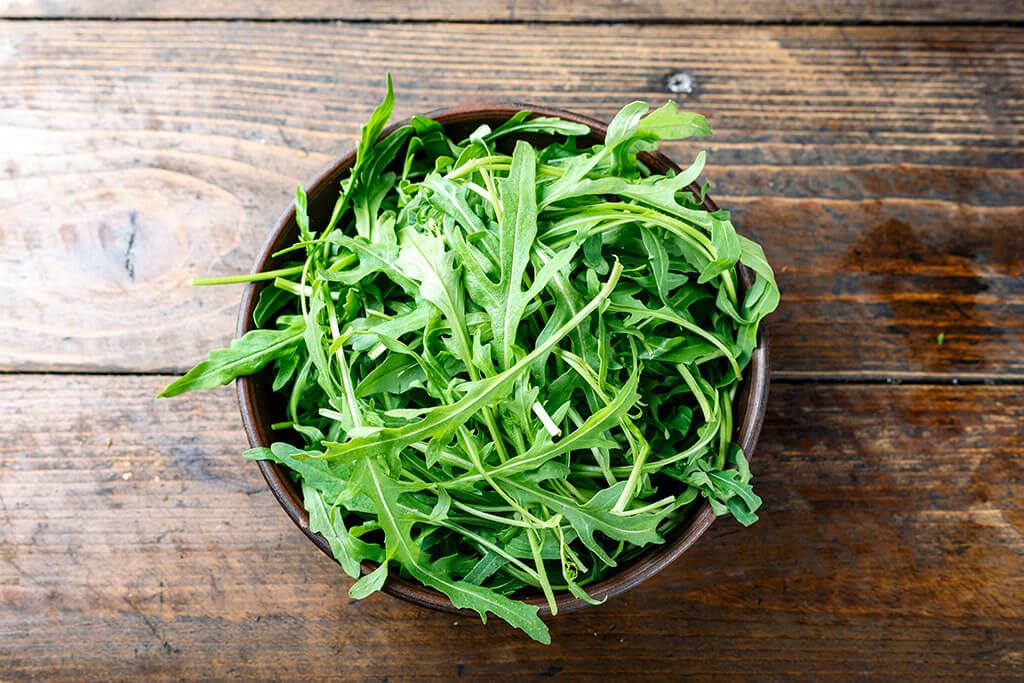
Credit: thepetlabco.com
What If My Dog Eats Too Much Arugula?
If your dog eats a large amount of arugula, watch for signs of digestive upset. Offer water and monitor their condition. Most dogs recover quickly, but contact your vet if symptoms persist.
Non-obvious insight: Dogs sometimes eat unusual amounts of greens when they are lacking fiber or have stomach discomfort. If this happens often, review their diet with your vet.
Arugula And Dog Hydration
Arugula is high in water. This can help keep your dog hydrated, especially in hot weather. However, it should not replace regular water.
Combine arugula with other water-rich vegetables like cucumber for extra hydration.
Arugula For Dogs With Diabetes
Dogs with diabetes need careful diet management. Arugula is low in sugar and carbohydrates, making it a safe snack for diabetic dogs. Always check with your vet before adding any new food.
Arugula And Dental Health
Chewing fresh arugula can help clean teeth and gums. While not a substitute for brushing, it adds some dental benefits.
Avoid large stems, which can get stuck in teeth or cause choking.
Arugula And Dog Behavior
Some dogs become more energetic after eating greens. Arugula’s vitamins and antioxidants can support energy and mood. However, this effect is mild and depends on your dog’s overall diet.
If you notice positive changes, continue offering arugula as part of their routine.
Arugula And Dog Breeds
Most breeds tolerate arugula well. However, small breeds are more sensitive to new foods. Adjust serving sizes and monitor reactions.
Large breeds can eat more arugula but still need moderation.
Arugula In Dog Supplements
Some dog supplements contain green powders, including arugula. These are concentrated and should be used carefully. Always follow manufacturer instructions and consult your vet.
Supplements are not a substitute for fresh food but can support nutrition.
Arugula And Seasonal Feeding
Arugula is available year-round but is freshest in spring and early summer. Use seasonal produce for best taste and nutrition.
If arugula is not available, substitute with other leafy greens.
Arugula And Sustainable Feeding
Growing arugula at home is easy and sustainable. It grows quickly and requires little space. Homegrown arugula is free from pesticides and fresher for your dog.
Encourage sustainable feeding by using garden produce and reducing store-bought treats.
Arugula And Veterinary Advice
Always discuss dietary changes with your vet. They can advise on safe serving sizes, health risks, and compatibility with medications.
Veterinary guidance is especially important for dogs with chronic illnesses or allergies.
For more information on safe foods for dogs, visit AKC – Human Foods Dogs Can and Can’t Eat.
Frequently Asked Questions
Can Dogs Eat Arugula Every Day?
No, arugula should be an occasional treat. Daily servings can cause stomach upset and increase oxalate intake, which may harm dogs with kidney issues.
Is Arugula Better Than Spinach For Dogs?
Arugula has fewer oxalates than spinach, making it safer for dogs with kidney concerns. Both are nutritious, but arugula is milder and easier to digest.
Can Arugula Cause Allergies In Dogs?
Allergies to arugula are rare but possible. Signs include itching, swelling, or vomiting. If you see these symptoms, stop feeding arugula and contact your vet.
Are Arugula Stems And Flowers Safe For Dogs?
Yes, both are safe. However, remove thick stems to prevent choking. Flowers are edible but not common in store-bought arugula.
How Should I Introduce Arugula To My Dog’s Diet?
Start with a small piece mixed into regular food. Watch for reactions over a few days. If your dog tolerates arugula, increase slowly. If any problems occur, stop immediately and consult your vet.
Adding new foods to your dog’s diet can be fun and healthy. Arugula is a safe, nutritious option when served in moderation. Remember to wash leaves, avoid seasonings, and consult your vet for personalized advice. With careful serving and observation, your dog can enjoy the benefits of this leafy green.