Can Dogs Eat Sweet Potato Skins?
I love sweet potatoes and I often get asked by other dog owners: can dogs eat sweet potato skins? I’ve tested this carefully with my own dogs and checked what vets say. The short answer is: yes, in most cases cooked sweet potato skins are safe and even healthy. But there are important caveats. Safety, preparation, and portion size matter.
The issue is more nuanced than it looks. Sweet potato skins can offer real nutrition. They also carry risks if handled or prepared incorrectly. In this article I break down the facts, share practical tips, and give clear rules so you can feed your dog sweet potato skins safely.
Read on to learn the nutritional value, safety concerns, how to prepare skins, portion guidelines, and how they compare to other vegetable skins.
By the end you’ll have practical, vet-friendly guidance you can use right away.
What Are Sweet Potato Skins?
Sweet potato skins are the thin outer layer of the sweet potato tuber. They vary in color from orange to purple depending on the variety. Many people peel sweet potatoes before cooking, but the skin is edible for humans and dogs. It contains fiber, vitamins, minerals, and antioxidants.
The skin can be slightly tougher than the flesh, especially after baking. It protects the interior and often holds a high share of the nutrients. In commercial dog foods manufacturers typically use the sweet potato flesh; the skins are usually removed to avoid texture and consistency issues in kibble or cans.
Nutritional Value Of Sweet Potato Skins
People toss sweet potato skins without thinking. But the skins contain useful nutrients for dogs and people. Below is a snapshot of the main nutrients found in sweet potato skins per 100g:
| Nutrient | Amount per 100g | Key Benefit |
|---|---|---|
| Dietary Fiber | 3.5g | Supports digestion |
| Vitamin C | 13mg | Immune health |
| Potassium | 300mg | Heart & muscle function |
| Beta-Carotene | 7000μg | Antioxidant support |
| Vitamin E | 1mg | Skin & coat health |
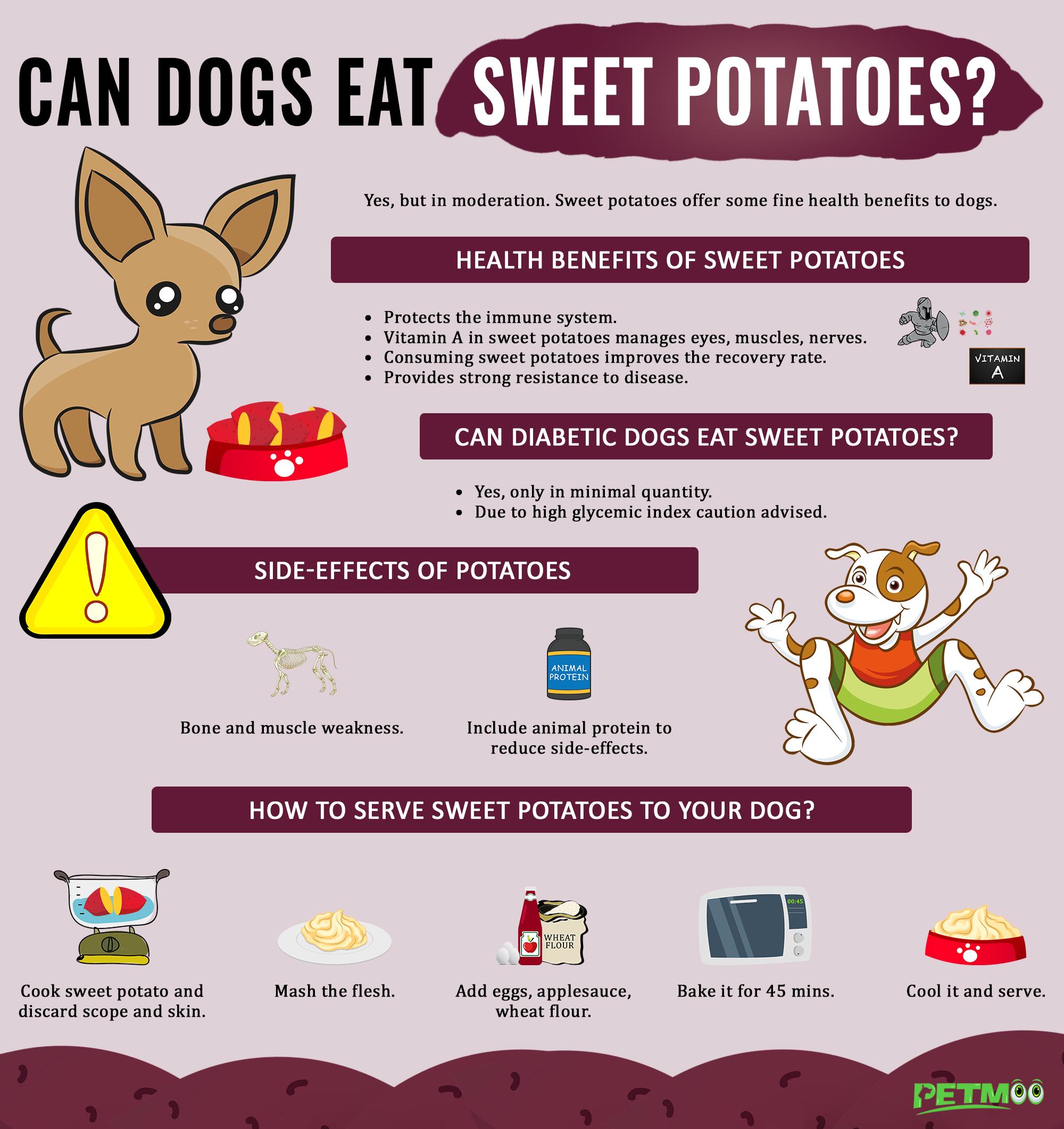
Most of these nutrients concentrate in or just under the skin. The fiber is especially helpful for regular bowel movements and gut health. Beta-carotene converts to vitamin A in the body. Vitamin A supports vision and immunity in dogs.
Hidden Benefits Of Sweet Potato Skins
- Natural antioxidants: The skins often contain more antioxidants than the flesh. These fight free radicals and can lower inflammation. This is helpful for older dogs and dogs with mild inflammatory problems.
- Low calorie, high fiber: Skins add bulk with few calories. They help dogs feel full and can support weight management when used as a small supplement.
- Trace minerals: Small amounts of manganese, copper, and iron support metabolism and overall health.
I’ve seen these benefits in my own dogs. A little cooked skin added to a meal helped firm up stools and kept them satisfied longer between meals.
Credit: www.driemasters.nl
Are Sweet Potato Skins Safe For Dogs?
Safety comes first. Dogs digest some human foods differently than we do. Let’s cover the key safety points and common reactions.
Digestibility And Common Reactions
Most healthy adult dogs can digest sweet potato skins when they are cleaned and cooked. Raw skins are tougher and harder to chew. They can cause choking or digestive upset. Some dogs may get mild stomach issues if they eat too much or eat skins with dirt or pesticides still on them.
Watch for these symptoms of a bad reaction:
- Vomiting
- Diarrhea
- Gas
- Loss of appetite
If your dog has a sensitive stomach or chronic GI issues, introduce skins slowly and in tiny amounts. Always observe the first 24 hours closely after introducing a new food.
Risks And Precautions
Key risks to be aware of:
- Choking hazard: Skins can be stringy and tough. Cut into small pieces and cook well, especially for small dogs.
- Pesticide residue: Store-bought sweet potatoes can carry pesticides on the skin. Scrub well or choose organic.
- Oxalates: Sweet potato skins contain oxalates. In rare cases these can contribute to kidney stones. Dogs with kidney disease should avoid them.
- Mold or spoilage: Old or bruised skins may harbor mold. Moldy food can be toxic to dogs.
Puppies and senior dogs are more sensitive. If in doubt, check with your veterinarian before feeding sweet potato skins to dogs with existing health conditions.
How Much Is Safe?
Moderation is essential. For most dogs, a small portion—about the skin from one small sweet potato—works fine. Too much fiber can cause diarrhea or gas. Start with one or two small pieces and watch your dog’s response.
How To Prepare Sweet Potato Skins For Dogs
Preparation matters. Raw, dirty, or seasoned skins can harm your dog. Follow these steps:
- Wash thoroughly: Scrub the skins under running water to remove dirt, grit, and pesticide residue.
- Remove bad spots: Cut away bruised, soft, or moldy areas.
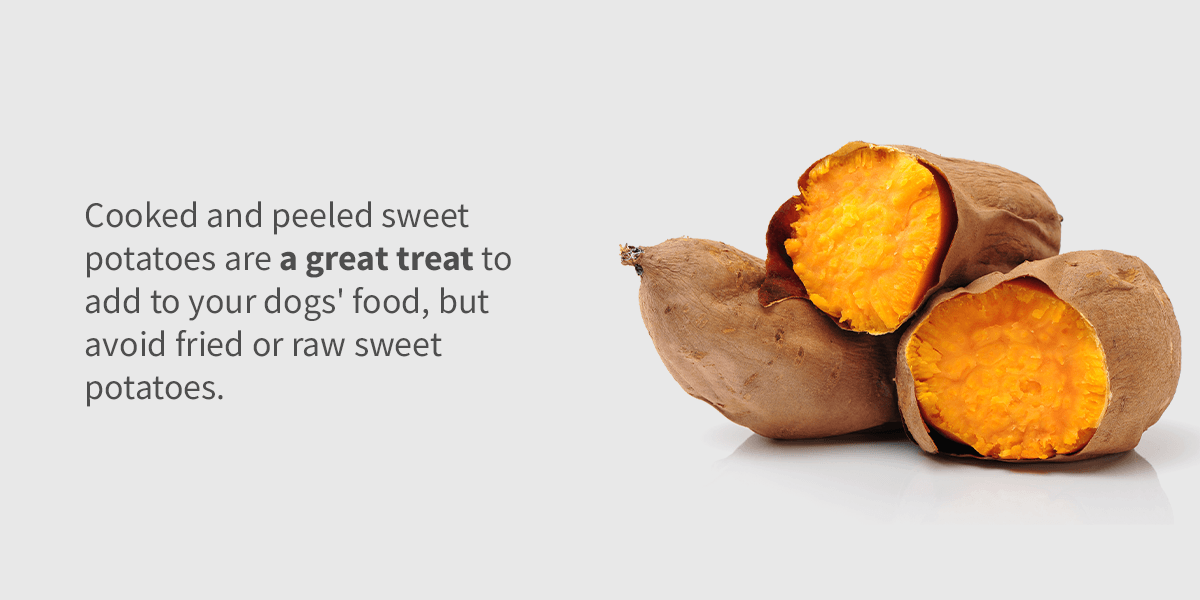
- Cook well: Boil, steam, or bake skins. Cooking softens the skin and breaks down fibers that are hard to digest.
- Avoid seasoning: No salt, butter, oil, or spices. Keep them plain.
- Cut into small pieces: Slice into bite-sized chunks to reduce choking risk.
- Cool to room temperature: Don’t give hot food to your dog.
Cooking Methods Compared
Quick comparison of cooking methods for digestibility, nutrient retention, and safety:
| Method | Digestibility | Nutrition Retention | Safety for Dogs |
|---|---|---|---|
| Boiling | High | Moderate | Safe |
| Baking | Medium | High | Safe |
| Steaming | High | High | Safe |
| Raw | Low | High | Risky |
I prefer steaming or boiling because these methods soften the skin and keep digestion easy. Baking keeps more flavor and nutrients but can make the skin a little tougher if overcooked. Avoid raw skins.
Practical Tips For Beginners
- Start with a tiny bit if your dog is new to sweet potatoes.
- Observe stools and appetite after the first feeding.
- Mix small pieces of skin into the regular food for gradual introduction.
- Don’t use skins from old, sprouting, or damaged sweet potatoes.
These steps prevent most problems and make the treat easy to digest.
Credit: lovingpetsproducts.com
Sweet Potato Skins Vs. Other Vegetable Skins
Not all vegetable skins are equal. Here’s a quick comparison so you can see where sweet potato skins fit among common options:
| Vegetable Skin | Safe for Dogs? | Key Nutrients | Risks |
|---|---|---|---|
| Sweet Potato | Yes (cooked) | Fiber, antioxidants | Oxalates, choking |
| White Potato | No | None | Solanine toxicity |
| Carrot | Yes | Beta-carotene | None |
| Eggplant | No | None | Solanine toxicity |
| Zucchini | Yes | Vitamin C, fiber | None |
| Onion | No | None | Hemolytic anemia |
| Cucumber | Yes | Hydration | None |
Sweet potato skins are safer than white potato and eggplant skins, which contain toxic glycoalkaloids like solanine. Carrot, zucchini, and cucumber skins are safe and easy on most dogs. Never give onion or garlic skins—these are toxic.
Health Benefits Of Sweet Potato Skins For Dogs
When given correctly, sweet potato skins can support your dog’s health in several ways:
Digestive Health
The fiber in the skin helps regularize bowel movements. Dogs with mild constipation or inconsistent stools can benefit from a small, regular dose of cooked sweet potato skin. Fiber also supports the gut microbiome, which helps immunity and energy.
Antioxidant Protection
Beta-carotene and other antioxidants protect cells from oxidative damage. This is valuable for senior dogs and dogs facing chronic low-grade inflammation.
Skin And Coat Support
Vitamin E and trace minerals help keep skin healthy and coats shiny. I noticed a subtle improvement in coat sheen when I added small amounts of cooked skin to my senior dog’s diet over a month.
Weight Management
Skins are low in calories and fill your dog up because of the fiber. Use them as a low-calorie treat to reduce overfeeding and support weight loss plans.
Example: Real-life Case
A Labrador named Max had loose stools and was overweight. His owner added about one tablespoon of steamed sweet potato skin to his food twice a week. Within a month Max had firmer stools, more energy, and slowly lost a little weight. Small, consistent changes like this can help.
Potential Risks And Side Effects
Sweet potato skins bring benefits but also some risks. Know them before feeding:
Allergic Reactions
Some dogs are allergic to sweet potatoes. Signs include itching, hives, swelling, or digestive upset. Stop feeding skins and talk to your vet if any of these appear.
Kidney Concerns
Dogs with kidney disease should avoid sweet potato skins because of oxalates. Oxalates can raise the risk of kidney stones or worsen existing kidney issues. If your dog has kidney disease, consult your vet first.
Digestive Upset
Too much fiber can cause gas, bloating, or diarrhea. Increase amounts slowly. Dogs with sensitive stomachs may need to avoid skins entirely.
Mold And Spoilage
Moldy or rotten skins are dangerous. Always discard soft or discolored sweet potatoes and never feed spoiled food.
How Often Can Dogs Eat Sweet Potato Skins?
Frequency depends on size, health, and overall diet. Here are simple guidelines I use:
- Small dogs: Once a week, no more than one tablespoon.
- Medium dogs: 1–2 times a week, up to two tablespoons.
- Large dogs: 2–3 times a week, up to three tablespoons.
These portions are supplemental. Sweet potato skins are a treat or topper, not a main food.

Credit: www.dogster.com
Common Mistakes When Feeding Sweet Potato Skins
Owners often make avoidable mistakes. Here are the most common:
- Giving raw skins: Always cook to improve digestibility.
- Using seasoned skins: Spices, salt, and oils can harm dogs.
- Feeding too much: Large amounts of fiber cause GI upset.
- Not washing skins: Pesticides and dirt can be harmful.
- Ignoring allergies: Watch for itching, swelling, or GI signs.
Avoid these mistakes and you’ll prevent most issues.
Expert Opinions And Scientific Research
Veterinarians and pet nutrition experts generally agree: cooked sweet potato skins are safe for most dogs when fed in moderation and prepared properly. A study in the Journal of Animal Science showed sweet potato products are generally well-tolerated by dogs and supply useful nutrients.
Dr. Karen Becker, a respected veterinarian, notes: “Sweet potato skins offer fiber and antioxidants, but must be cooked and given in moderation. Avoid skins from conventional sweet potatoes unless washed thoroughly.”
The American Kennel Club recommends sweet potatoes as a healthy dog treat but suggests removing skins for dogs with sensitive stomachs.
For more background on the plant and nutrition, see this Wikipedia article on sweet potatoes. It covers varieties, nutrient profiles, and cultivation notes that help explain why some skins are more nutritious than others.
Sweet Potato Skins In Commercial Dog Food
Most commercial dog foods favor the sweet potato flesh. Some premium brands use whole sweet potatoes, which may include small amounts of skin. Reasons manufacturers avoid large amounts of skin:
- Tough texture can affect kibble consistency.
- Potential pesticide residue if not cleaned.
- Some dogs experience digestive upset from excess skin.
If you want the skin benefits, homemade treats or toppers are the easiest way to control quality and portion.
Homemade Dog Treats With Sweet Potato Skins
Making treats at home is simple and cost effective. Here’s an easy, vet-friendly recipe I often use:
Ingredients
- 1 large sweet potato (organic preferred)
- Water
Instructions
- Wash the sweet potato thoroughly.
- Slice the skins off in strips.
- Boil or steam the skins for 10–15 minutes until soft.
- Let them cool.
- Cut into small pieces.
- Serve as a treat or mix with your dog’s regular food.
This treat is low in calories and easy to digest when prepared this way. I store leftovers in the fridge and use them within three days.
Practical Cooking Tips
- Never fry or add oil.
- Do not mix with onions or garlic.
- Store cooked skins in the refrigerator up to three days.
- Start with very small portions when you introduce them.
Alternatives To Sweet Potato Skins
If your dog can’t handle sweet potato skins, try these safe options:
- Carrot skins: Sweet and soft when cooked or lightly steamed.
- Zucchini skins: Mild and easy to digest.
- Cucumber skins: Hydrating and low-calorie (serve plain).
Avoid white potato, eggplant, and onion skins—they are unsafe for dogs.
How To Tell If Your Dog Likes Sweet Potato Skins
Some dogs love them; others don’t. Signs your dog likes the skins:
- Eats without hesitation.
- No digestive upset after eating.
- Looks for more when done.
If your dog refuses them or shows discomfort, try another vegetable or a smaller portion mixed into food.
When To Avoid Sweet Potato Skins Entirely
Do not give sweet potato skins to these dogs:
- Dogs with kidney disease
- Dogs with a known sweet potato allergy
- Puppies under six months
- Dogs with frequent digestive problems
For these dogs stick to plain, cooked sweet potato flesh or other veterinarian-approved vegetables.
Sweet Potato Skins And Puppies
Puppies have sensitive, developing digestive systems. I avoid giving skins to puppies under six months. If you want to introduce sweet potatoes, start with a tiny amount of plain, cooked flesh and wait until your puppy is older and has tolerated other foods well.
Sweet Potato Skins As A Training Treat
Because sweet potato skins are low-calorie and easy to prepare, they work well as training treats. Cut them into small, soft pieces so they are quick to chew and swallow. This keeps training sessions fast and rewarding without adding excess calories.
Storage And Handling Tips
Follow these storage rules to keep skins safe:
- Store whole sweet potatoes in a cool, dry place.
- Use skins only from fresh potatoes.
- Cook skins within 24 hours of peeling.
- Refrigerate cooked skins and use within three days.
Never feed spoiled, moldy, or soft-looking skins to your dog.
Sweet Potato Skins For Dogs With Special Diets
Dogs on special diets—grain-free, weight-control, or senior formulas—can sometimes benefit from small amounts of sweet potato skin. They add fiber and vitamins without grains or many calories. Always check with your veterinarian before changing the diet of a dog on a special regimen.
Signs Of Sweet Potato Skin Toxicity In Dogs
If your dog eats too much or eats spoiled skins, watch for these signs:
- Vomiting
- Diarrhea
- Lethargy
- Loss of appetite
- Swelling or itching (possible allergy)
If you notice these symptoms, contact your vet right away. Timely veterinary care prevents small issues from becoming serious.
Sweet Potato Skin Myths And Facts
Let’s clear up common myths about sweet potato skins and dogs:
Myth: All vegetable skins are safe for dogs.
Fact: Some skins are toxic. Onions, garlic, white potatoes, and eggplant can be harmful.
Myth: Raw sweet potato skins are healthy.
Fact: Raw skins are tough and can cause choking or GI trouble. Cook them.
Myth: Skins are just waste.
Fact: Skins contain nutrients that can benefit dogs when used correctly.
Myth: Dogs can eat any amount.
Fact: Moderation is essential to avoid digestive upset.
Frequently Asked Questions
Can Dogs Eat Raw Sweet Potato Skins?
No. Dogs should not eat raw sweet potato skins. Raw skins are tough and hard to digest. They can cause choking or stomach upset. Always cook skins first.
Is It Safe To Feed Sweet Potato Skins To Puppies?
It’s best to avoid sweet potato skins for puppies. Their digestive systems are still developing. Start with plain cooked sweet potato flesh and wait until your puppy is at least six months old before introducing skins.
Are Sweet Potato Skins Toxic To Dogs?
Cooked, cleaned sweet potato skins are not toxic for most dogs. However, skins from white potatoes or eggplants are not safe. Always wash and cook sweet potato skins before feeding.
How Much Sweet Potato Skin Can I Give My Dog?
Begin with a small amount. For small dogs one tablespoon is a good starting point. Larger dogs can have more, but do not feed skins daily. Watch for digestive changes and adjust accordingly.
What Should I Do If My Dog Eats Spoiled Sweet Potato Skins?
If your dog eats spoiled or moldy skins, watch closely for vomiting, diarrhea, or lethargy. Contact your veterinarian right away. Spoiled food can be toxic and may require medical attention.
Sweet potato skins can be a healthy, low-calorie treat when prepared correctly. They provide fiber, beta-carotene, vitamins, and trace minerals. Always cook and wash skins and keep portions small. Watch for allergies and any digestive signs. Each dog is different, so observe how yours reacts and consult your vet if you’re unsure.
With careful prep and sensible portions, sweet potato skins can be a safe and tasty addition to your dog’s diet. From my hands-on experience and the guidance of vets, they make a great occasional topper or treat.