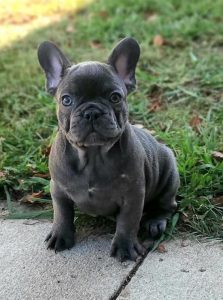
A sudden appetite drop often signals illness, dental pain, stress, or a diet problem.
I’ve worked with vets and cared for many dogs, so I’ve seen most reasons a dog stops eating. This guide explains why is my dog not eating his food, how to spot the cause, and what to try at home before a vet visit. You’ll get clear steps, real-life tips, and red flags to watch for. Read on to understand your dog’s appetite and act with confidence.
Why dogs stop eating: a clear overview
Dogs can skip meals for many reasons. Sometimes the reason is simple. Other times it is serious. Asking “why is my dog not eating his food” is common and valid. A picky phase is different from a medical emergency. This section breaks down the main types of causes so you can narrow down what’s happening.
Common medical causes
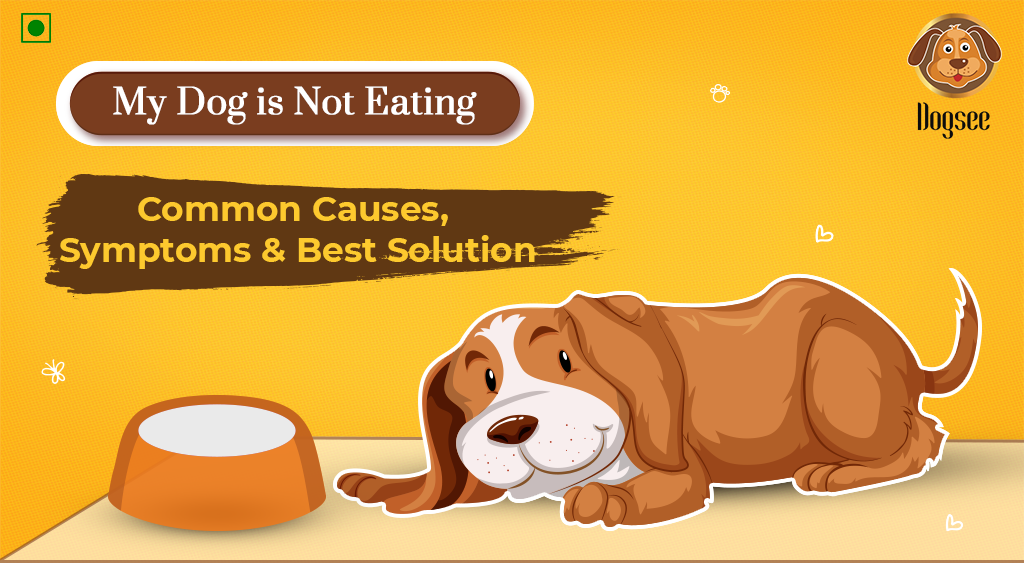
Medical reasons are the most urgent to rule out. When asking why is my dog not eating his food, check for these signs.
- Dental pain or mouth sores. Dogs with broken teeth or gum disease avoid chewing.
- Gastrointestinal upset. Vomit, diarrhea, or nausea can cut appetite quickly.
- Infections and fever. Illness often causes low appetite and low energy.
- Organ problems. Liver, kidney, or pancreas issues reduce hunger.
- Parasites. Heavy worm burdens can make dogs refuse food.
- Medication side effects. New meds sometimes cause nausea or loss of appetite.
If you spot vomiting, blood in stool, or white gums, seek vet care. Medical tests can find hidden causes fast.
Behavioral and emotional causes
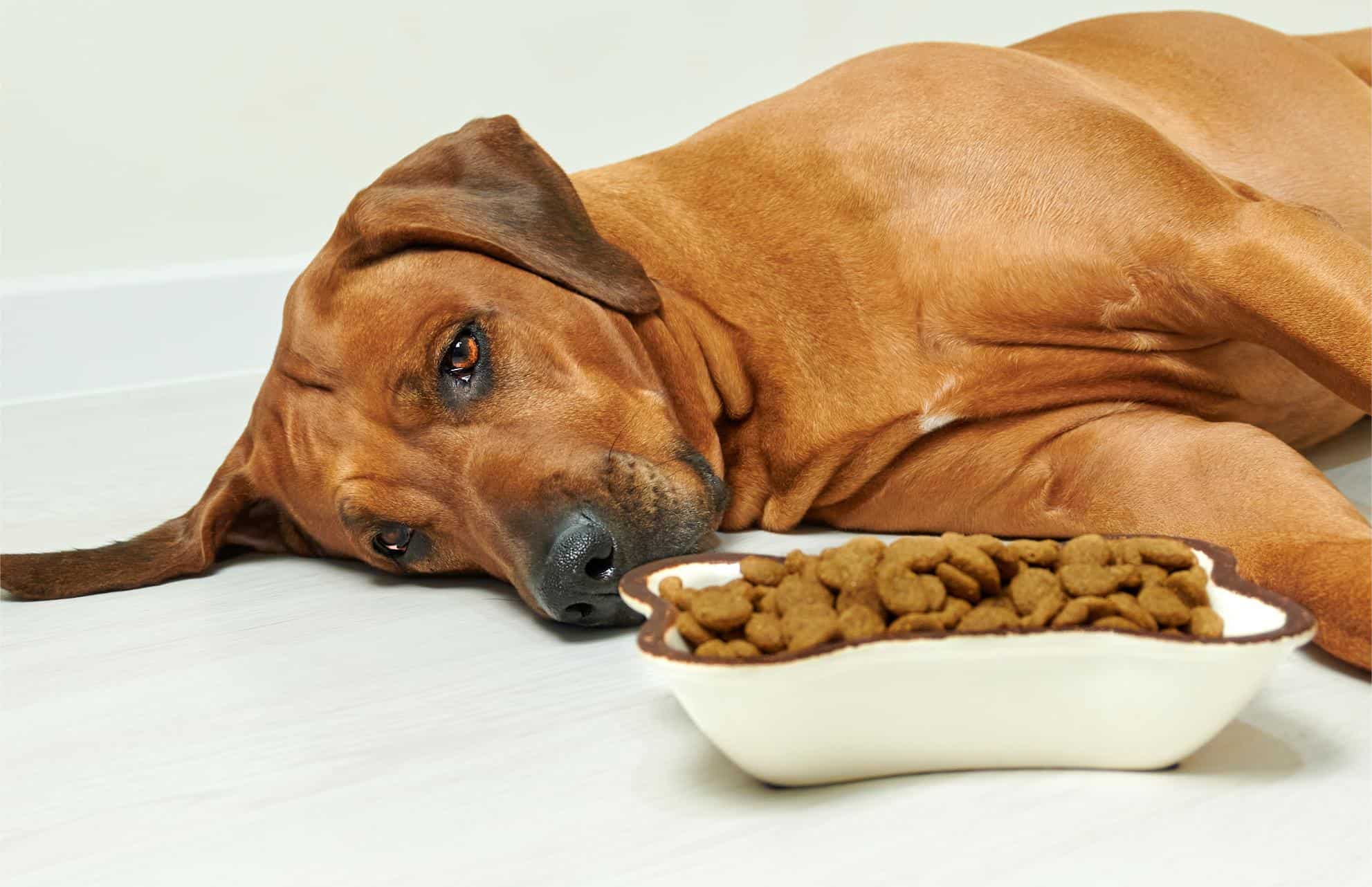
Emotions influence a dog’s desire to eat. Stress and mood matter when you ask why is my dog not eating his food.
- Stress from change. New home, new person, or travel can reduce appetite.
- Anxiety and separation stress. Some dogs stop eating during anxiety episodes.
- Boredom or attention-seeking. Dogs sometimes skip meals to get a reaction.
- Grief after losing a companion. Loss can cause a temporary appetite drop.
I once had a patient dog refuse food after his household changed. Gentle routine and patience fixed it in days.

Environmental and diet-related causes
The food or feeding setup can be the problem. Look here after medical issues are less likely.
- Food change. New formulas can upset dogs or be less appealing.
- Spoiled food or bad storage. Rancid kibble smells off to dogs.
- Overfeeding treats. Too many snacks reduce interest in meals.
- Hard-to-reach bowl or noisy feeding spot. Dogs prefer safe, calm places to eat.
- Feeding schedule mismatch. Some dogs do better with set mealtimes.
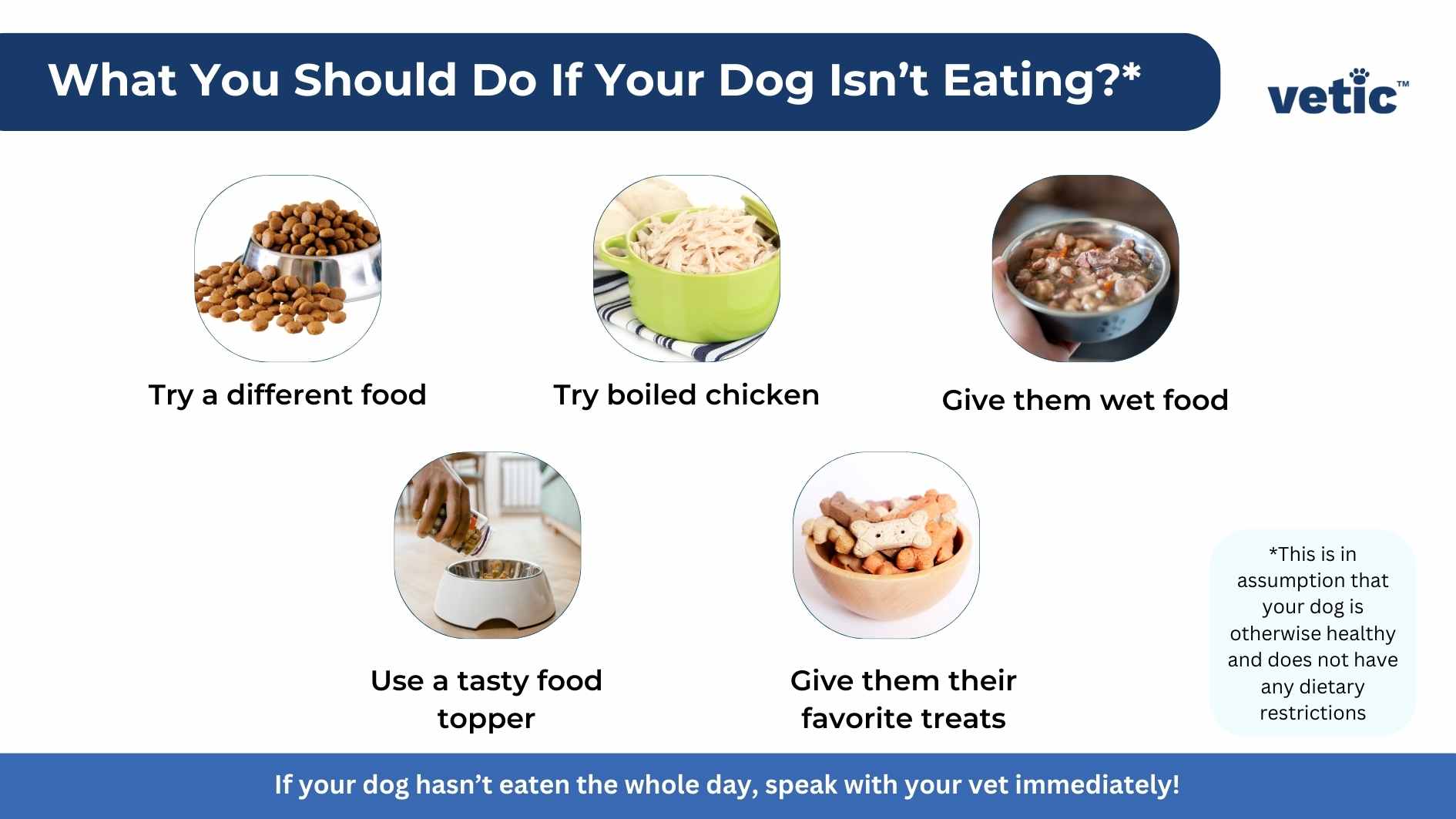
To test if food is the issue, offer a small amount of plain, bland food for one meal.
What to do at home: step-by-step actions
Follow these steps when you ask why is my dog not eating his food. Start simple, then escalate.
- Observe and record
- Note how long the dog has refused food.
- Track other signs: vomiting, diarrhea, sleep, or behavior changes.
- Offer a bland meal
- Try boiled chicken and rice or plain cooked pumpkin.
- Warm the food slightly to release smell.
- Remove bowls for a short time
- Offer food for 15 minutes, then remove it. Try again at the next mealtime.
- Reduce treats and table scraps
- Cut snacks for 24–48 hours to restore appetite for regular food.
- Check the food
- Smell the kibble. Look for mold, clumps, or oiliness.
- Try different bowl and location
- Move the bowl to a quiet spot. Use a shallow dish if needed.
If the dog eats plain food and acts normal, slowly return to the regular diet over a few days.

Quick common question: Can a dog skip one meal?
Yes. Skipping one meal usually isn’t urgent if the dog is bright and active. Watch for other signs and offer food again at the next scheduled time.
Quick common question: Will withholding food help?
No. Do not force fasting unless advised by your vet. Brief appetite loss is okay, but prolonged refusal needs evaluation.
When to see the vet: red flags and diagnostics
Some signs require prompt veterinary care. Ask for help if you see any red flags while worrying why is my dog not eating his food.
- Refusal lasting more than 48 hours for adult dogs.
- Lethargy, pale gums, or collapse.
- Repeated vomiting or bloody diarrhea.
- Pain signs when touched, swelling, or visible injury.
- Excessive drooling, trouble swallowing, or pawing at the mouth.
Veterinarians will examine the dog and may run blood work, X-rays, or dental checks. Early testing helps find issues like organ disease or intestinal blockages.
Preventing future appetite problems
Prevention saves stress. Use these habits to reduce chances you’ll ask why is my dog not eating his food again.
- Keep a stable feeding schedule and routine.
- Store food properly and rotate stock to avoid rancidity.
- Limit treats and table scraps to meal times.
- Monitor dental health and brush teeth regularly.
- Introduce new foods slowly over 7–10 days.
- Reduce stress during changes. Create calm feeding spaces.
In my experience, consistent routine and simple food changes stop most picky phases.
Frequently Asked Questions of why is my dog not eating his food
Why did my dog suddenly stop eating his food today?
A sudden stop can be from nausea, a bad taste, stress, or a new medication. Monitor for other signs and offer bland food; if refusal persists, call your vet.
Can teething cause a puppy to not eat his food?
Yes. Puppies often chew less when teething because their gums hurt. Offer softer food or moisten dry kibble until teething eases.
Is it normal for an older dog to eat less?
Appetite can decline with age due to dental issues or organ changes. A vet check helps find treatable causes and adjust diet for senior needs.
Should I force-feed my dog if he won’t eat?
No. Avoid force feeding without veterinary advice. It can cause stress or aspiration. Seek vet guidance for safe feeding options.
How long can a dog go without eating before it becomes dangerous?
Healthy adult dogs can skip a day, but more than 48 hours is risky. Puppies, small breeds, and dogs with health issues should see a vet sooner.
Will changing food suddenly make my dog stop eating his food?
A sudden change can make dogs refuse meals or get an upset stomach. Transition slowly over several days to a week to avoid refusal.
Conclusion
Understanding why is my dog not eating his food starts with calm observation. Check for medical signs first, then test simple fixes like bland meals, a quiet feeding spot, and removing treats. If the refusal lasts more than a day or you see red flags, contact your veterinarian. My practical tip: keep a simple feeding log for three days; it helps you and your vet spot patterns fast. Try these steps, share your results, and leave a comment or question below — I’ll help you troubleshoot the next move.