Cats should not eat dog food regularly; occasional scavenging is usually okay but not ideal.
I’ve worked with cats and studied pet nutrition for years, so I’ll explain whether can cats have dog food, why the answer matters, and how to keep your cat healthy. This guide breaks down the science, real-life examples, practical tips, and clear steps to handle emergencies or picky eaters. Read on to learn what to do if your cat ever eats dog food and how to prevent long-term problems.

Why cats are not small dogs
Cats have unique needs. Their bodies are built to eat meat. Asking can cats have dog food ignores essential biological differences.
Cats need certain nutrients that dogs make or get differently. For example, cats require more protein and specific nutrients like taurine. Dog food is formulated for a different digestive system and nutrient profile.
I’ve seen cats do fine after a nibble of dog kibble. I have also treated cats with long-term issues after regular dog-food feeding. That contrast shows the difference between a one-time event and an ongoing diet issue.
Key nutritional differences between cat food and dog food
Understanding these differences is central to answering can cats have dog food safely.
- Taurine: Cats cannot make enough taurine. Lack causes heart and eye problems. Most dog diets are low in taurine.
- Protein needs: Cats need higher, more animal-based protein levels than dogs. Dog food often has less and lower-quality protein.
- Vitamin A and niacin: Cats need preformed vitamin A and more niacin. Dog food may not supply enough.
- Fatty acids: Cats need certain arachidonic acids from animal fats. Dogs can synthesize some from precursors.
- Texture and moisture: Cat diets often have higher moisture and specific textures to suit their digestive and urinary health.
Each of these points explains why asking can cats have dog food is more than a simple yes/no. Nutrient gaps add up over time.
:strip_icc()/GettyImages-1137504605-4ea3ceec185f4d1e9dc39fb71f8ae04c.jpg)
Short-term vs long-term effects
You must separate a single episode from chronic feeding when deciding can cats have dog food.
Short-term effects
- A small amount may only cause mild stomach upset.
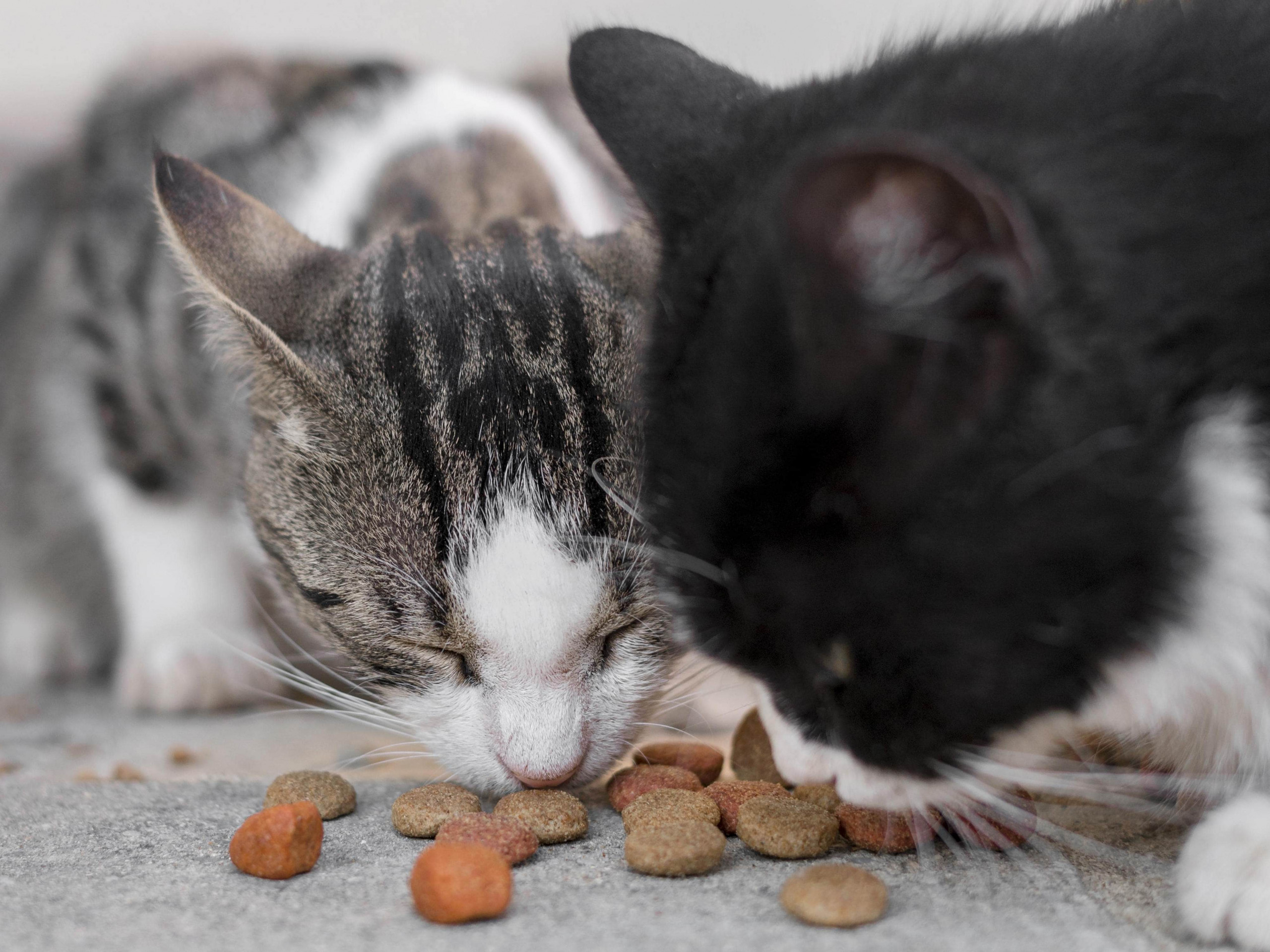
- Many cats taste dog food and walk away with no problems.
Long-term effects
- Gradual nutrient deficiency can damage the heart, eyes, and immune system.
- Long-term dog-food diets can cause weight gain or urinary problems in some cats.
From my experience, one-off eating is rarely harmful. Feeding dog food as a regular diet is risky.
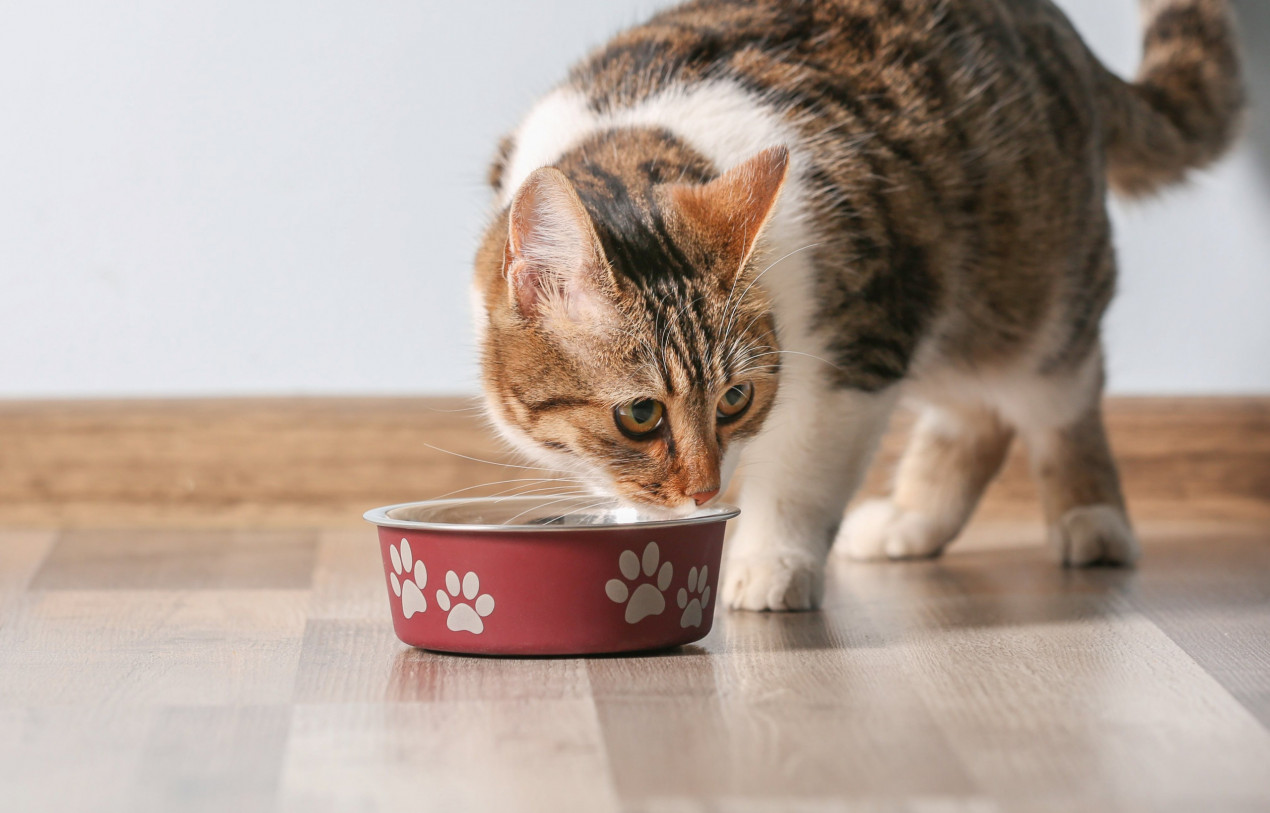
When feeding dog food might be acceptable
There are safe, limited scenarios where can cats have dog food temporarily.
- Emergency situations: If you’re away from cat food and a small supply of dog food is available, it’s better than going hungry.
- Short transitions: A day or two while you source proper cat food is usually fine.
- Veterinary instructions: A vet may recommend specialty dog diets for specific short-term issues.
Tips for emergencies
- Offer wet dog food only if it’s high in animal protein and not heavily seasoned.
- Keep the period short and resume cat food as soon as possible.
- Contact your veterinarian if you must rely on dog food beyond 48–72 hours.
Practical tips: preventing cross-eating and gradual transitions
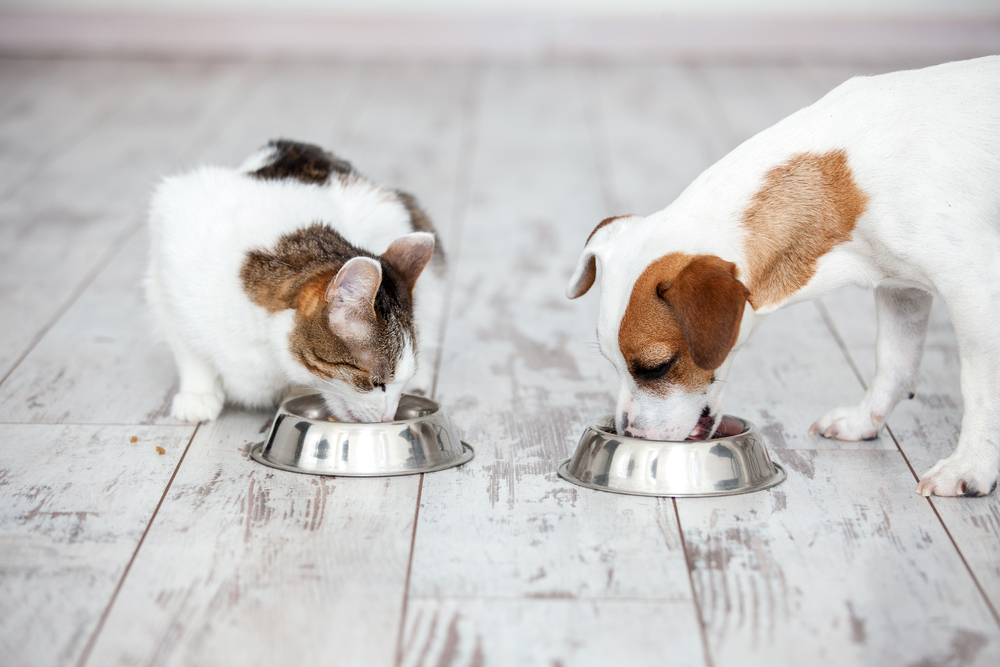
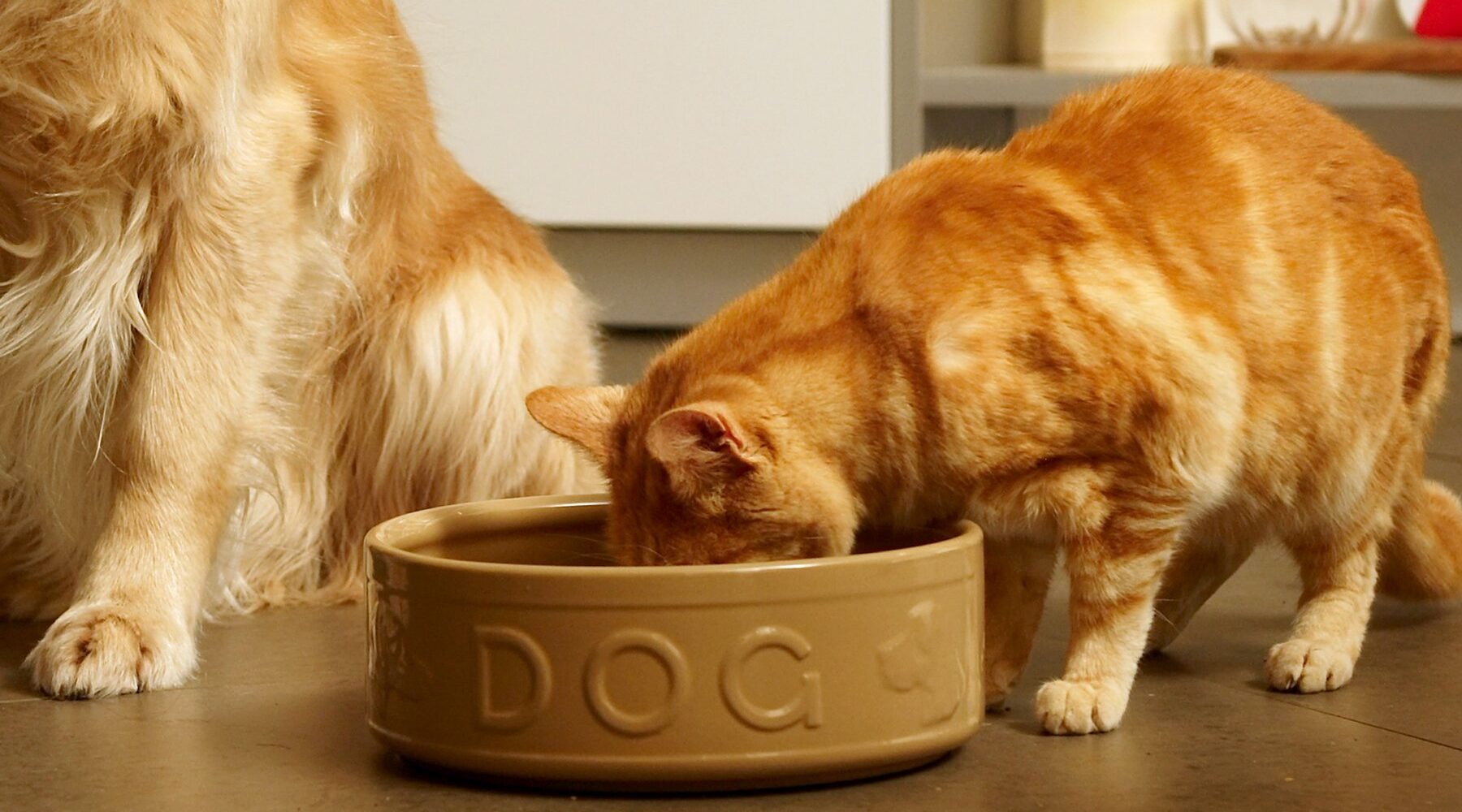
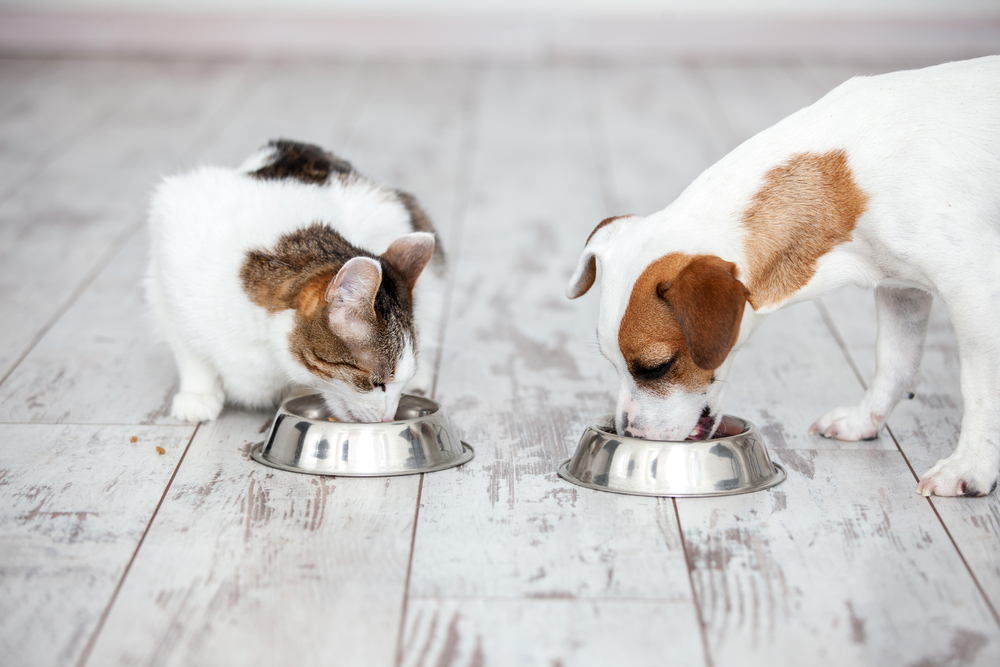
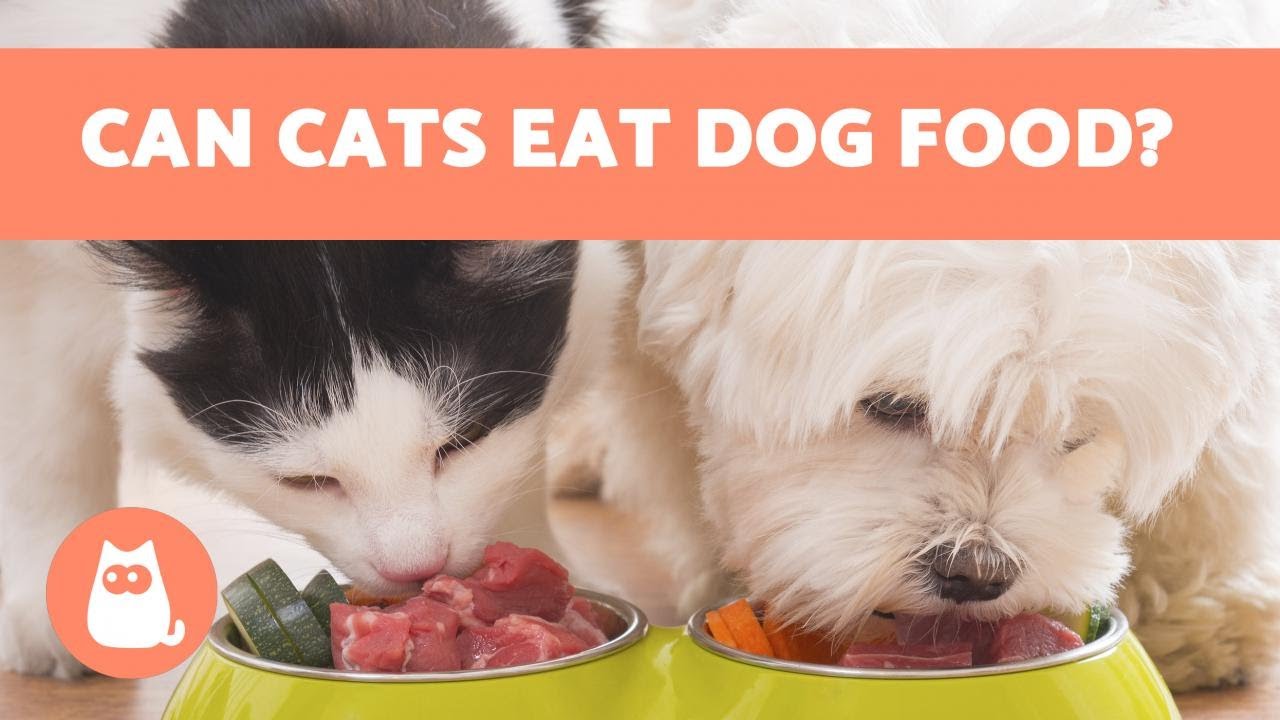
Many cat owners ask can cats have dog food because pets share bowls. Prevent this with simple steps.
- Separate feeding locations: Feed dogs and cats in different rooms or at different heights.
- Timed feeding: Put food down only for 10–20 minutes, then pick it up.
- Use microchip feeders: These open only for the right pet if you have mixed households.
- Transition plan: When switching cat food, introduce the new food gradually over 7–10 days.
I once had a cat that learned to jump on the counter to steal dog kibble. A short-term feeding schedule and closed doors solved it quickly.
Signs to watch and when to call a veterinarian
If your cat eats dog food, monitor them for these signs. Early action prevents long-term harm.
- Digestive upset: vomiting, diarrhea, appetite change, lethargy.
- Behavioral changes: increased thirst or urination, hiding, or reduced grooming.
- Long-term signs: weight loss, poor coat, breathing or heart changes.
Call a vet if symptoms persist beyond 24–48 hours or if you know the cat has eaten dog food regularly. Quick vet checks can catch nutrient deficiencies early.
Common quick questions (PAA-style)
Can a kitten eat dog food?
Kittens need higher protein and essential nutrients for growth, so dog food is not suitable for kittens beyond an emergency. Feed kitten-formulated diets when possible.
Will one bite of dog food hurt my cat?
One bite usually will not cause harm. Monitor your cat for stomach upset for a day or two.
Can dog food cause taurine deficiency?
Yes, regular feeding of many dog foods can increase the risk of taurine deficiency over time. That makes long-term dog-food diets unsafe for cats.
:strip_icc()/dog-and-cat-eating-food-from-a-bowl-465997905-eb464a85926642639572aeb0c7f91181.jpg)
Frequently Asked Questions about can cats have dog food
What happens if my cat eats dog food every day?
Regular dog food can lead to nutrient deficiencies in cats, especially taurine, vitamin A, and arachidonic acid. Over months, your cat may develop heart, eye, or skin problems and should see a vet.
Can dog food cause urinary problems in cats?
Some dog diets lack the right balance of minerals and moisture for feline urinary health. This imbalance can increase the risk of urinary crystals and infections in cats.
Is wet dog food better than dry dog food for cats?
Wet dog food may be slightly better due to higher moisture and fewer concentrated carbs, but it still often lacks key nutrients cats need. Use it only short-term.
Can I mix dog food with cat food?
Mixing small amounts in an emergency is okay, but do not rely on mixtures as a long-term solution. Mixing can dilute essential nutrients your cat needs.
How long until a nutrient deficiency appears from dog food?
Deficiency timing varies, but signs may show in weeks to months. Heart and eye issues from taurine deficiency often appear after extended feeding of inadequate diets.
Should I supplement my cat if it ate dog food?
Do not start supplements without veterinary guidance. Some supplements can cause harm in excess. Speak with your vet about appropriate testing or supplementation.
Conclusion
Cats and dogs have different nutritional needs, so can cats have dog food is best answered with nuance: an occasional nibble is usually harmless, but dog food is not a safe long-term diet for cats. Monitor for symptoms, prevent cross-feeding, and get veterinary advice if dog food becomes a recurring choice. Take action today by checking your pet’s food labels, securing separate feeding spots, and consulting your vet if you have concerns. If this article helped, subscribe for more pet nutrition tips or leave a comment with your experience.