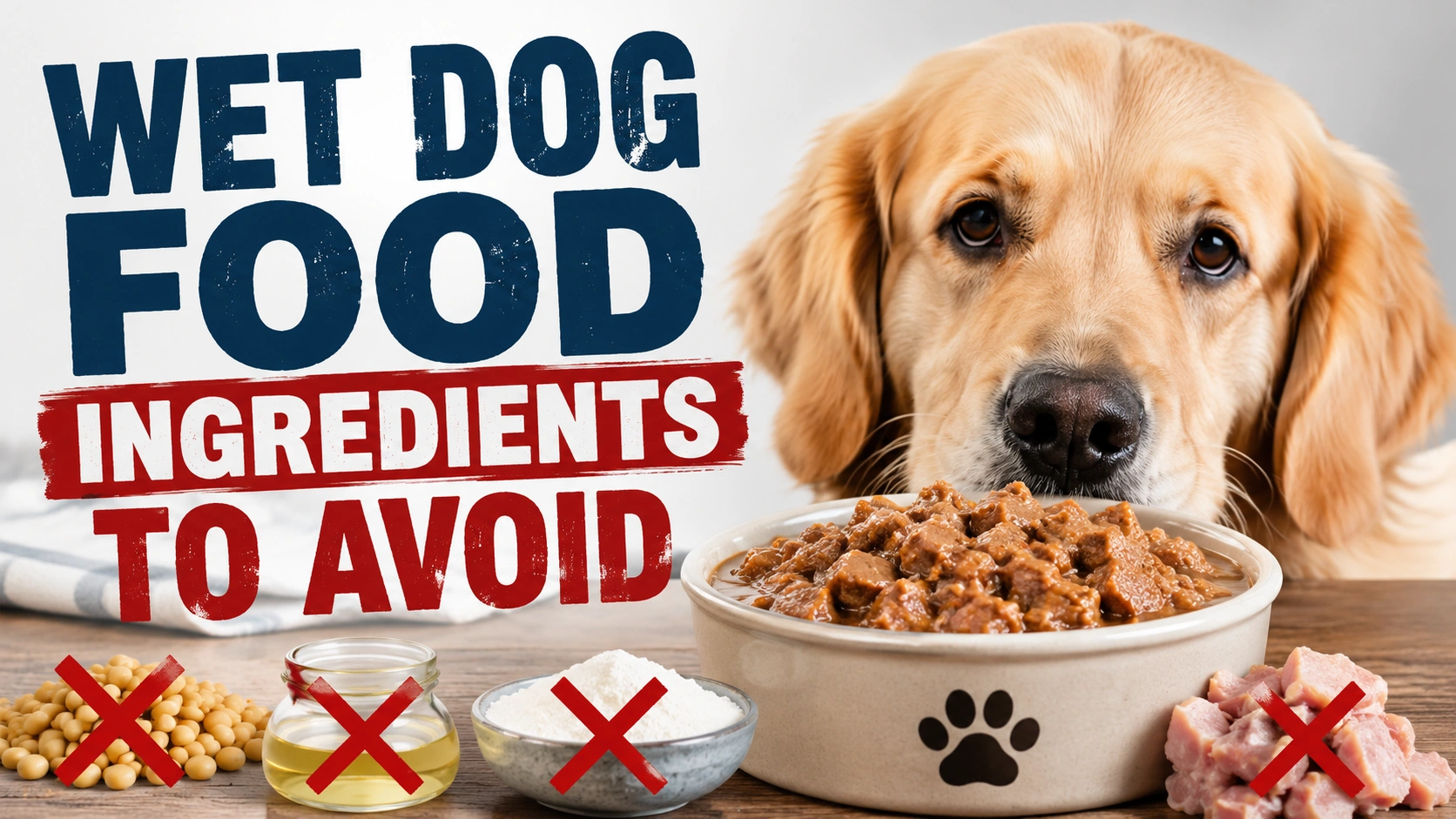
Avoid artificial preservatives, unnamed meats, high fillers, sweeteners like xylitol, and onions/garlic.
I’ve spent years studying pet nutrition and working with dog owners to choose safer wet food. This article explains which wet dog food ingredients to avoid, why they are risky, and how to spot better options. You’ll get clear label-reading tips, real-life experience, and practical swaps to protect your dog’s health. Read on to learn how to keep mealtime both tasty and safe.
Why wet dog food ingredients matter
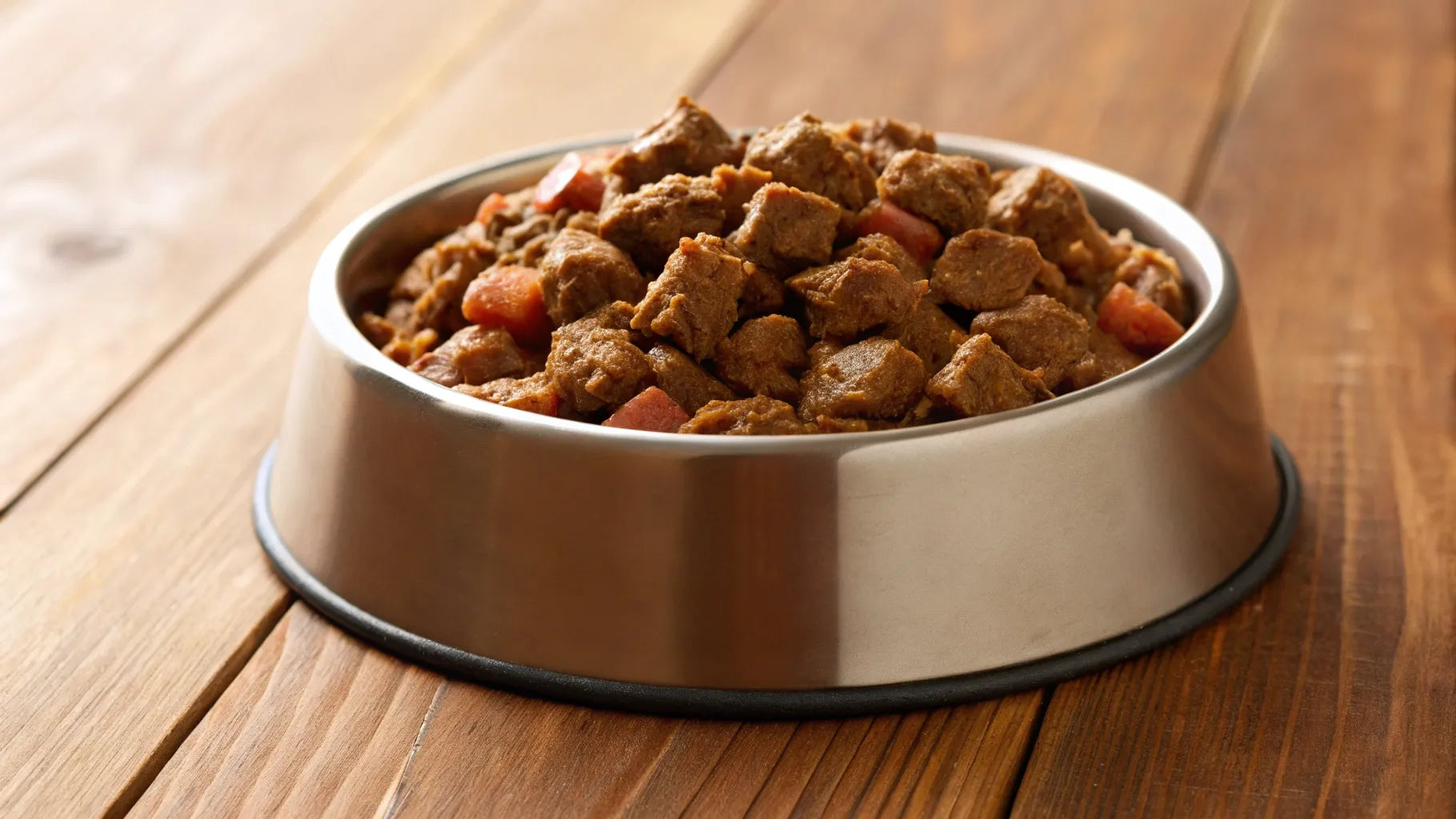
What goes into canned food affects digestion, skin, weight, and long-term health. Wet dog food ingredients to avoid can cause allergies, organ stress, or nutrient gaps. Low-quality ingredients can also mask poor meat content and inflate calories.
I’ve seen dogs improve when owners switched from cheap wet food to cleaner formulas. Smaller, short-term changes often lead to big improvements in energy and stool quality. Knowing which ingredients to avoid saves time and vet visits.
Top wet dog food ingredients to avoid
Understanding these items will help you pick better wet dog food. Below are the main wet dog food ingredients to avoid and why they matter.
Artificial preservatives: BHA, BHT, ethoxyquin
These are added to prevent fats from going rancid. They can act as toxins over time and may stress the liver and kidneys. Some studies link long-term exposure to health risks in animals. Choose foods preserved with natural antioxidants like mixed tocopherols or vitamin E.
Artificial colors and flavors
Colors and artificial flavors add no nutrition. They can trigger allergies, itchiness, and digestive upset in sensitive dogs. Dogs rarely need added color. If you see bright dyes or vague “artificial flavors,” pick a different product.
Unnamed meat and meat by-products
Labels that say “meat” or “meat by-products” without naming the source hide quality. These can include low-value tissues rather than real muscle meat. Opt for named proteins like “chicken,” “beef,” or “salmon” to ensure quality amino acids and nutrients.
High carbohydrate fillers: corn, wheat, soy, and wheat gluten
Fillers add bulk and calories but little meat protein. Excess carbs can lead to weight gain and blood sugar swings. They also often top the ingredients list in inexpensive wet foods. Look for higher meat percentage and fewer cereal grains when possible.
Added sugars and artificial sweeteners, especially xylitol
Sugar reduces nutritional value and can cause obesity and dental problems. Xylitol is extremely toxic to dogs and can cause rapid insulin release and liver failure. Always avoid foods or treats listing xylitol or artificial sweeteners.
Excess salt and sodium-rich additives
Too much salt strains the kidneys and can worsen heart issues. Some processed wet foods use salt for taste. If your dog has heart or kidney disease, check sodium levels and consult your vet.
Carrageenan and some thickeners
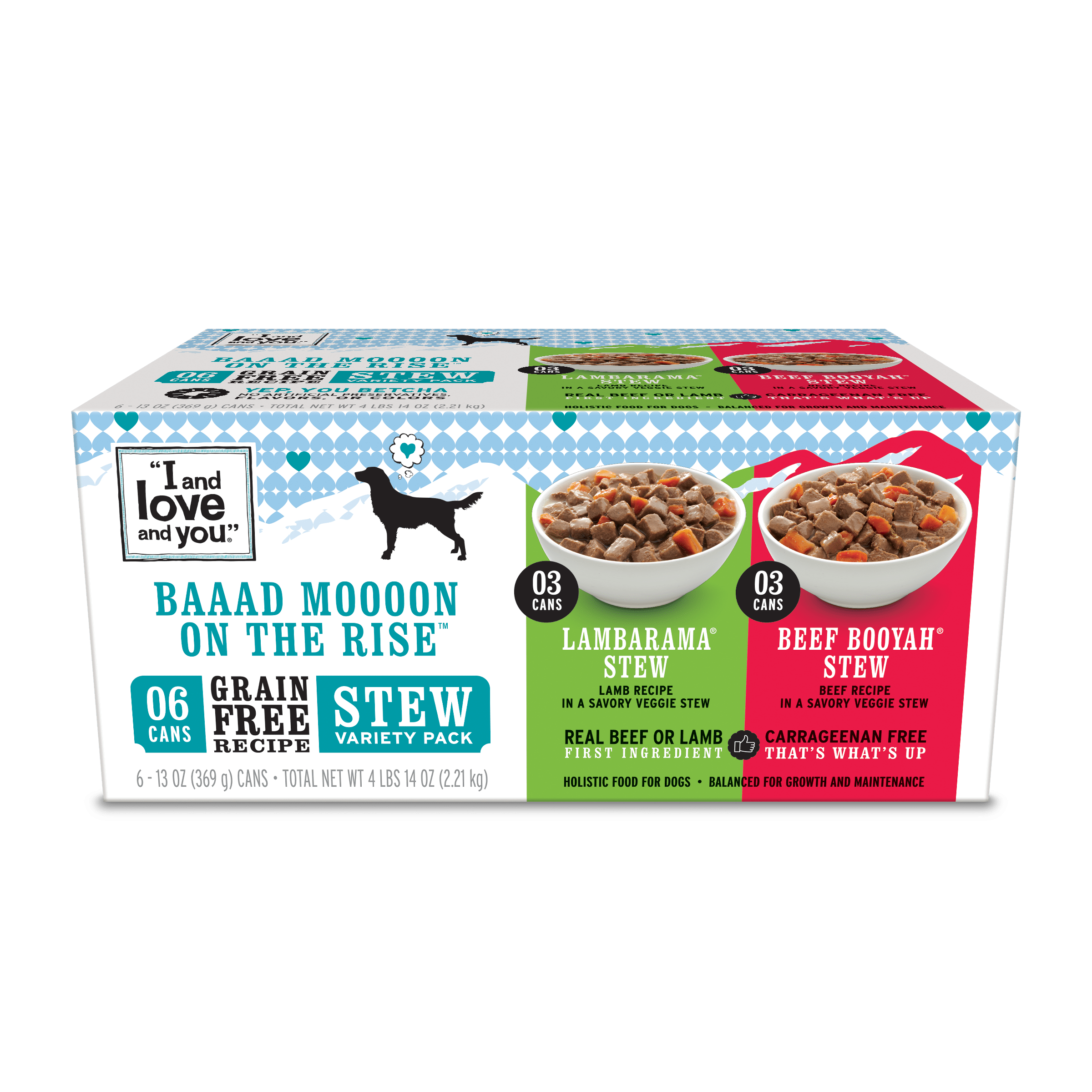
Carrageenan is used to create texture in canned food. Some dogs experience GI upset from it, and its safety is debated. Look for foods using natural thickeners or simple broths instead.
Propylene glycol
This synthetic compound is sometimes used to retain moisture. It can be harmful in large amounts and is not ideal for pet foods. Avoid canned foods that list propylene glycol.
Dairy and lactose for lactose-intolerant dogs
Many adult dogs are lactose intolerant. Dairy in wet food can cause gas, diarrhea, and stomach pain. If your dog shows signs of intolerance, choose dairy-free alternatives.
Onions, garlic, leeks, chives, and related ingredients
These allium family members can damage red blood cells and cause anemia. Even cooked forms can be harmful over time. Avoid wet food listing onion or garlic in any form.
Bone meal and unspecified minerals
Bone meal can contain heavy metals if not sourced carefully. Unspecified “minerals” leave you unsure what nutrients your dog gets. Prefer foods with clear, balanced mineral sources and AAFCO-compliant nutrient profiles.
Artificial emulsifiers and fillers with long chemical names
If an ingredient reads like a chemistry exam, consider swapping brands. Complex additives can be unnecessary and sometimes irritate sensitive guts.

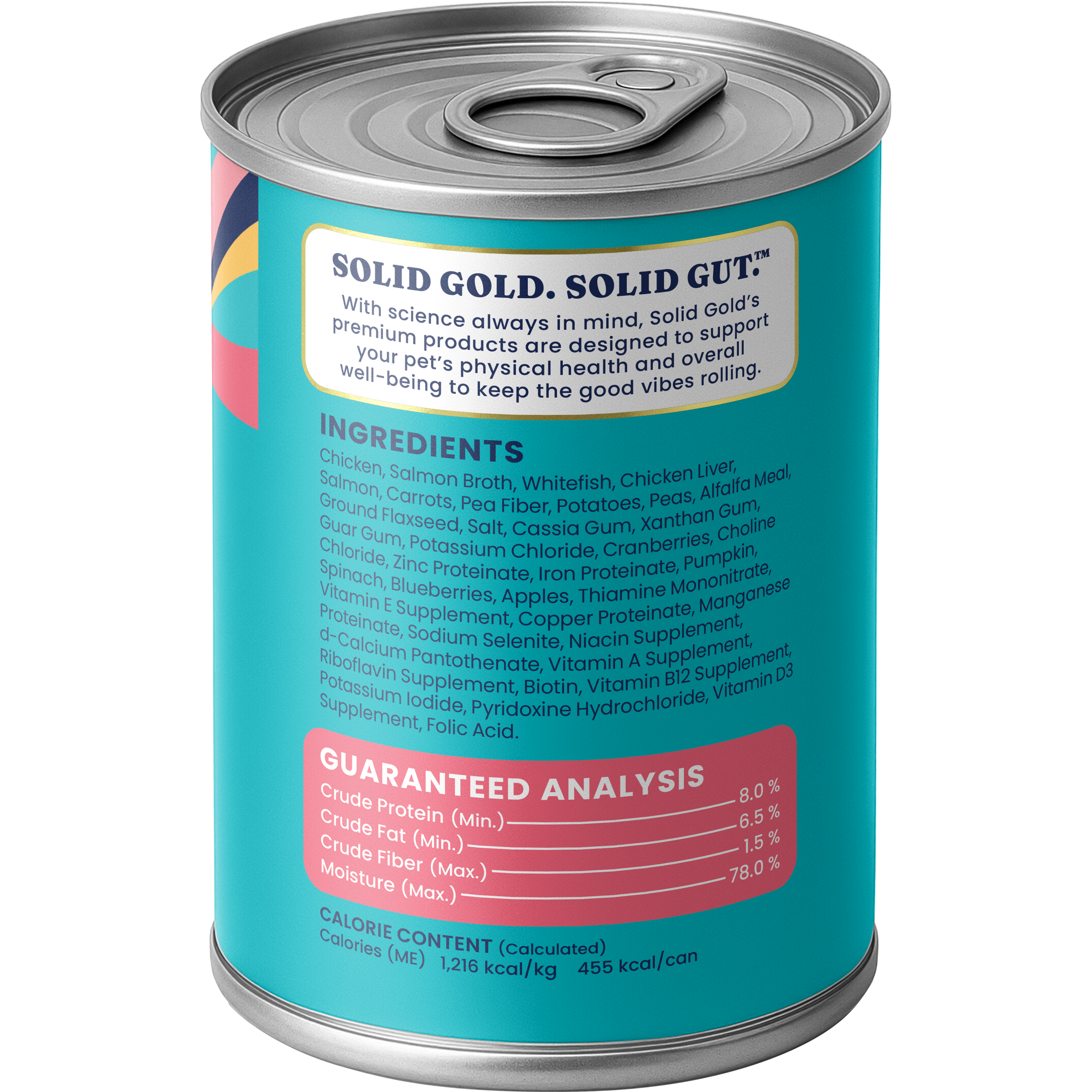
How to read wet dog food labels to avoid bad ingredients
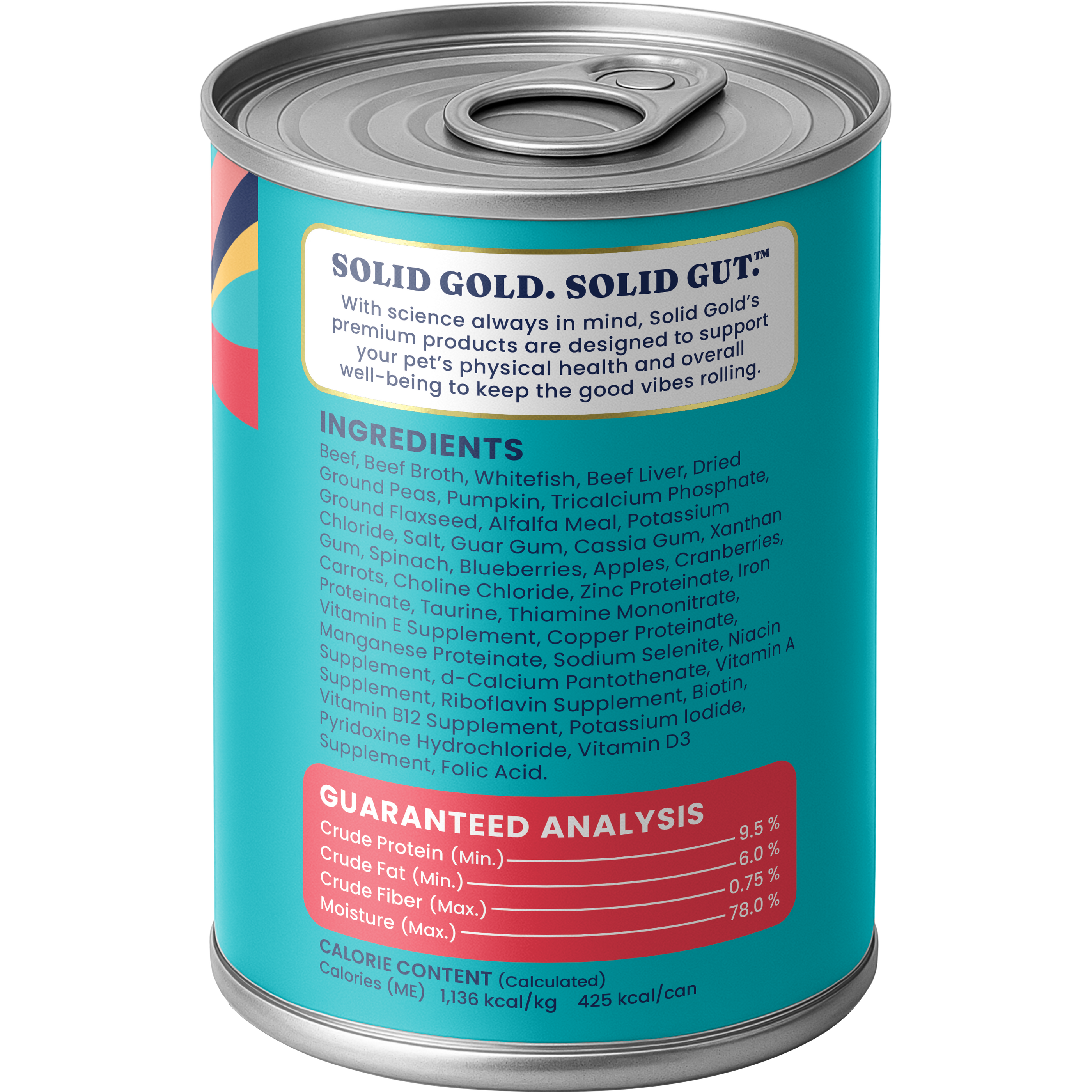
Reading labels is a simple skill that pays off at the store. Use these steps to spot undesirable wet dog food ingredients.
- Start with the first five ingredients. They make up most of the product. If named meat or broth is not first, that’s a red flag.
- Watch for vague terms like “meat,” “animal fat,” or “meat by-products.” Prefer named protein sources.
- Scan for preservatives and sweeteners. Avoid BHA, BHT, ethoxyquin, propylene glycol, and xylitol.
- Check carbohydrate sources. If corn, wheat, or soy are near the top, the food relies heavily on fillers.
- Review guaranteed analysis for protein, fat, and moisture. Low protein with high moisture can still hide low meat content.
- Look for AAFCO statements or feeding trial claims to confirm the product meets nutritional standards.
A quick real-life tip: I compare two cans side by side at the store. The one with named protein and fewer additives wins most of the time.
Special cases: allergies, puppies, and senior dogs
Different life stages and conditions change what wet dog food ingredients to avoid.
- Puppies need higher calories and specific nutrient ratios. Avoid foods with low protein or unbalanced minerals for growth.
- Senior dogs often need lower calories, joint support, and easier-to-digest proteins. Avoid excess salt and sugars that worsen chronic conditions.
- Allergies require an elimination approach. Common triggers include beef, dairy, wheat, and soy. Avoid foods with multiple protein sources until you identify the offender.
If your dog has a diagnosed condition, work with your vet to pick wet food without risky ingredients and with medical benefits.

Practical swaps and safer ingredient choices
When you spot a bad ingredient, consider these swaps.
- Instead of unnamed meat, choose wet food with named meats like “chicken” or “turkey.”
- Swap BHA/BHT products for those preserved by mixed tocopherols.
- Replace carrageenan with foods thickened by potato or tapioca starch if your dog has sensitivity.
- Choose grain-free or limited-ingredient formulas if your dog has grain allergies, but monitor for calorie changes.
- Avoid treats and toppings that include xylitol, and check labels on human foods you share.
Small changes can improve coat shine, reduce gas, and keep your dog at a healthier weight.
PAA-style quick questions answered in brief
One common question is whether dogs can eat food with carrageenan. Short answer: carrageenan can cause GI upset in sensitive dogs and remains controversial, so many owners avoid it.
People often ask if “meat by-products” are always bad. Short answer: they can be low quality and variable, so named meats are safer for consistent nutrition.
Can small amounts of onion or garlic be okay? Short answer: no—regular exposure, even in cooked or powdered form, can harm red blood cells over time.
My experience: mistakes, lessons, and tips that work
I once switched a rescue dog to a cheap wet diet that listed “meat by-products” as the main protein. Within weeks, the dog’s coat dulled and stools loosened. Switching to a canned food with named chicken and fewer additives fixed the issues fast.
Lessons learned:
- Test one change at a time to see results.
- Read labels outside the pet aisle where lighting is better.
- Keep a food journal for two weeks after a diet change. Note energy, stool, and coat.
A tip that helps most owners: when in doubt, choose a simple formula with a clear protein source and few additives.
Signs your dog is reacting to bad wet food ingredients
Watch for these red flags that suggest an ingredient problem.
- Frequent diarrhea or loose stools
- Itching, hot spots, or worsening allergies
- Excessive gas or vomiting
- Low energy or weight gain from empty calories
- Pale gums or lethargy (seek immediate vet care if this occurs)
If you notice any of these, switch to a clean formula and contact your vet.
How to transition safely to better wet foods
Switch slowly to avoid stomach upset. Use this 7-day plan.
- Day 1–2: 25% new food, 75% old food.
- Day 3–4: 50% new, 50% old.
- Day 5–6: 75% new, 25% old.
- Day 7: 100% new food.
For very sensitive dogs, extend each step to 3–4 days. Keep water available and monitor stools.
Frequently Asked Questions of Wet dog food ingredients to avoid
What preservatives should I avoid in wet dog food?
Avoid synthetic preservatives such as BHA, BHT, and ethoxyquin. These have been linked to health concerns over long-term exposure.
Is carrageenan safe for my dog?
Carrageenan is controversial and can cause digestive upset in some dogs. If your dog shows GI issues, choose foods without it.
Can my dog eat foods that list “meat by-products”?
Meat by-products can be low-quality and variable. For steady nutrition, prefer foods that list named meats like chicken or beef.
Are grains like corn and wheat harmful in wet dog food?
Grains are not inherently harmful but are fillers that add calories and can trigger allergies in some dogs. Look for balanced formulas if your dog tolerates grains.
How do I spot xylitol on a wet food label?
Xylitol will be listed by name among sweeteners or sugar alcohols. Avoid any product that includes it, as it is toxic to dogs.
What should I do if my dog reacts to a new wet food?
Stop feeding the new food and consult your vet. Keep a sample of the food and note symptoms, timing, and any other diet changes.
Conclusion
Knowing which wet dog food ingredients to avoid protects your dog from allergies, digestive issues, and long-term health risks. Focus on named proteins, minimal synthetic additives, and transparent labels. Start small: read labels, try a short transition, and track your dog’s response.
Take action today—check your dog’s current wet food label, swap one risky ingredient for a cleaner option, and comment below with your experiences or questions.