You can groom a dog with clippers by staying calm, using the right blade, and working slowly.
Learning how to groom a dog for beginners with clippers can feel intimidating at first, but it gets much easier when you understand the basics. I’ve seen new dog owners go from nervous and unsure to confident after just one careful grooming session, and the difference is huge. This guide walks you through the full process in a simple, practical way so you can groom safely, avoid common mistakes, and give your dog a clean, comfortable trim at home.
Why clipping matters for beginner dog grooming
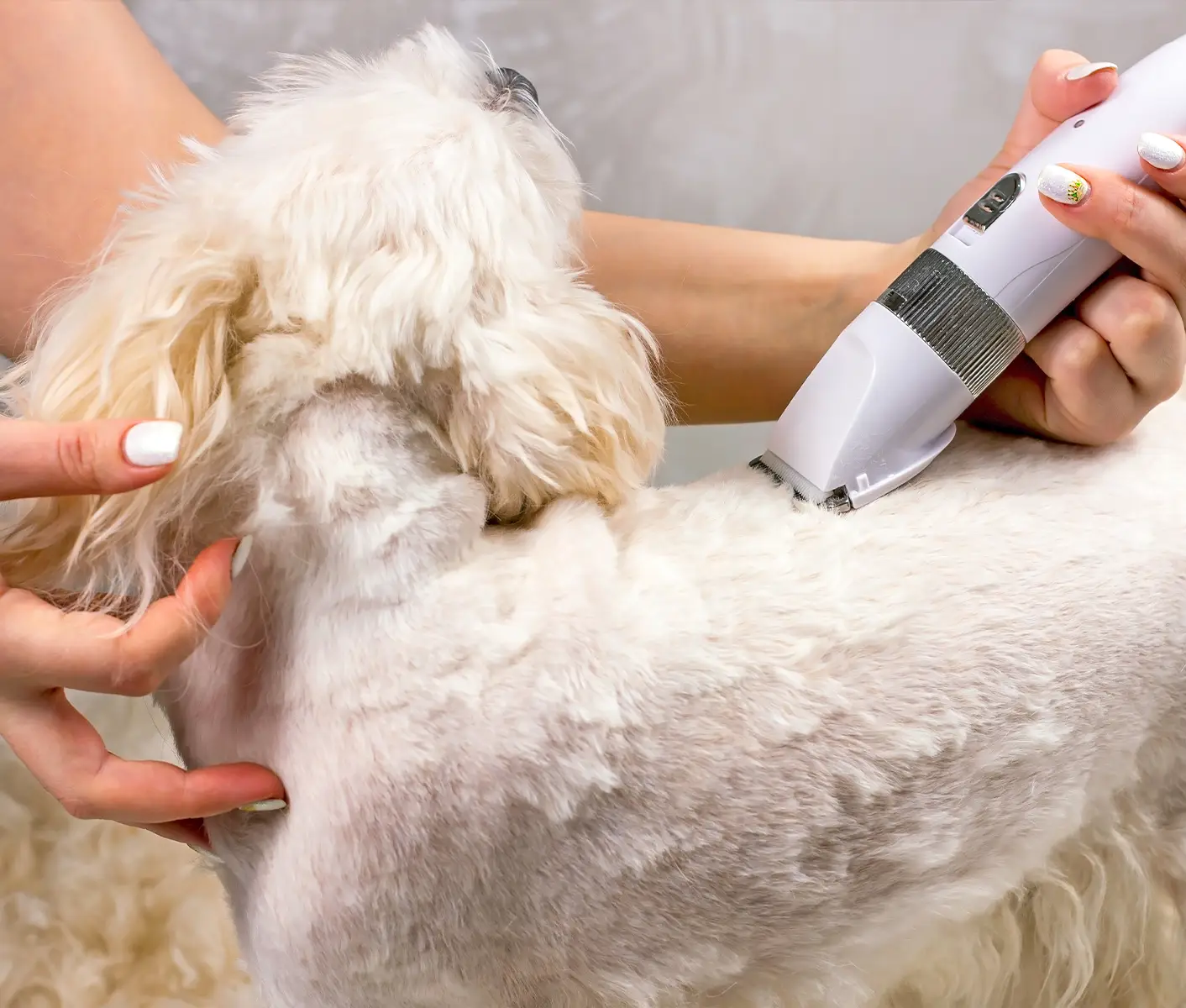
Clipping is more than making a dog look neat. It helps remove mats, reduces shedding in some coat types, and keeps your dog cooler and more comfortable. It can also make brushing easier between grooming sessions.
For beginners, clippers are often the best place to start because they give more control than scissors. When used correctly, they create a cleaner finish and lower the risk of uneven cuts. That said, clipping is not ideal for every dog or every coat, so it helps to know what you are working with before you begin.
What you need before you start
A smooth grooming session starts with the right tools. I learned early on that using dull blades or skipping prep makes the whole process harder for both you and the dog. A calm setup is just as important as the clippers themselves.
Here’s a simple starter kit:
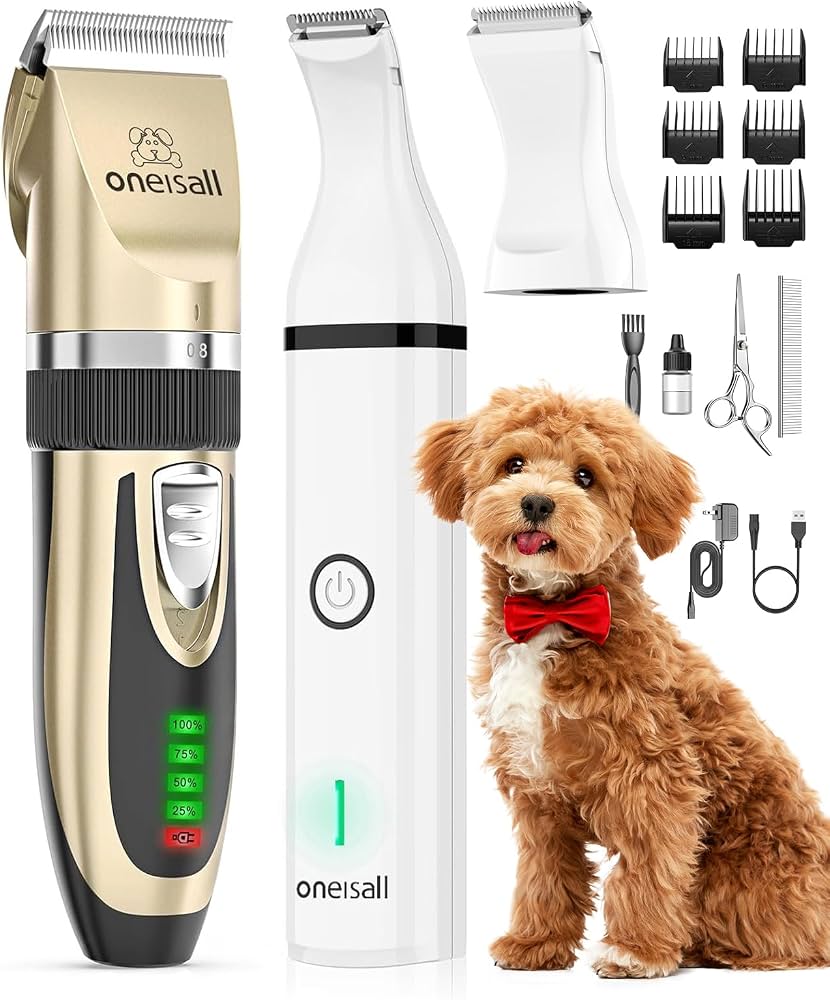
• Dog clippers with a quiet motor
• Clean blade guards or clipper combs
• Sharp blades sized for your dog’s coat
• Dog-safe brush and comb
• Nail trimmer or grinder
• Styptic powder for small nicks
• Dog shampoo and towels
• Treats for rewards
• A non-slip mat or table surface
If you can, choose clippers made for pets, not human hair. Pet clippers are designed to handle thicker coats and are usually quieter, which helps reduce fear and stress.
How to groom a dog for beginners with clippers step by step
When people ask how to groom a dog for beginners with clippers, I always say the same thing: go slow and prepare more than you clip. The clipper work is only part of the job. The rest is getting the dog relaxed, clean, and tangle-free before you turn the machine on.
1. Start with a calm dog
Pick a quiet time of day when your dog is not full of energy. A short walk before grooming can help them settle down. I have found that dogs are much easier to clip after they have burned off some excitement.
Speak softly and let your dog sniff the clippers before turning them on. Reward calm behavior with treats so the experience starts on a positive note.
2. Brush the coat first
Never clip a tangled coat if you can avoid it. Mats can pull on the skin and make clipping painful. In some cases, a tight mat may even hide skin irritation underneath.
Use a slicker brush or comb to remove loose hair and small knots. If you find a tough mat, work it out gently with your fingers or a dematting tool. If the mat is close to the skin, it may be safer to ask a professional groomer.
3. Bathe and dry the dog if needed
A clean, dry coat clips more evenly. Dirt and grease can dull blades faster and make the coat harder to manage. If your dog has been outside rolling in dust or grass, a bath before clipping is often worth it.
Make sure the coat is completely dry before you begin. Wet or damp hair can clog clippers and cause an uneven cut. A towel and pet dryer on a low setting can help speed things up.
4. Choose the right blade length
Blade choice matters a lot when learning how to groom a dog for beginners with clippers. Short blades give a closer cut, while longer blades leave more coat and are usually safer for beginners. If you are unsure, start longer rather than shorter.
A common beginner mistake is using a blade that is too short for the first trim. That can expose skin more than expected and make the dog look patchy. A longer blade or clipper comb gives you more room for error.
5. Let the clippers run before touching the coat
Turn the clippers on and let your dog hear the sound first. This helps reduce the shock of the vibration and noise. Some dogs need several short exposure sessions before they feel comfortable.
Start by touching the clippers to the back or side of the dog for a second, then reward them. Build trust slowly. That small pause can prevent a lot of pulling away and flinching later.
6. Clip with the grain first
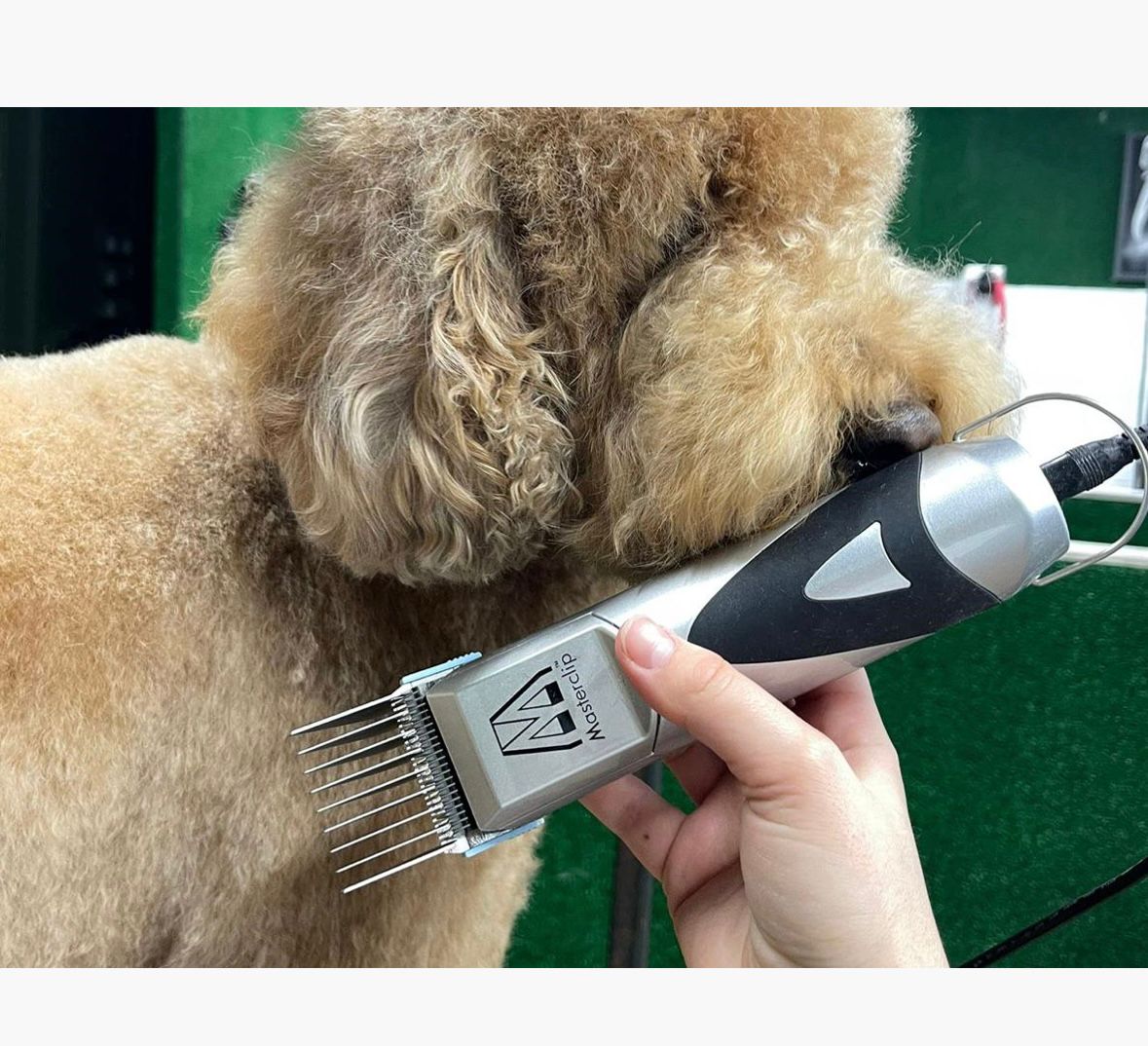
Begin clipping in the direction of hair growth. This is usually easier and more comfortable for beginners. It also lowers the chance of irritation and helps the clippers move smoothly through the coat.
Use short, steady strokes. Do not press hard. Let the blade do the work, like a sharp knife slicing a soft loaf instead of forcing through it.
7. Work in small sections
Do not try to clip the whole dog at once. Divide the coat into sections, such as the neck, back, sides, legs, and tail area. This makes the job feel less overwhelming and helps you keep track of what you have finished.
I like to think of it as mowing a small yard instead of a huge field. Small sections make the work cleaner and more controlled. They also help you notice skin issues, bumps, or areas that need extra care.
8. Keep the skin tight and visible
Use one hand to gently stretch the skin flat where you are clipping. This helps the blade move evenly and reduces the chance of snagging folds. It is especially important around the armpits, belly, and back legs.
Be extra careful around thin skin and sensitive areas. If your dog is wriggling a lot, stop and reset rather than rushing. Safety always matters more than speed.
9. Watch clipper heat
Blades can get warm fast, especially during longer grooming sessions. Hot blades can burn the skin, even if they do not look dangerous. This is one of the most overlooked issues when learning how to groom a dog for beginners with clippers.
Check the blade often with your hand. If it feels hot to you, it is too hot for the dog. Keep a blade coolant nearby and rotate blades if needed.
10. Finish with sensitive areas last
Leave the face, ears, feet, groin, and tail area for last, and only if you feel comfortable. These spots need patience and a lighter touch. Many beginners do better by trimming these areas with a guard comb or leaving them to a professional the first few times.
Use extra caution around eyes and paw pads. If your dog is nervous, do only the areas you can do safely and cleanly. That is still good grooming.
Best dog clipping tips for beginners
When you are new, small habits make a big difference. The best dog clipping tips for beginners are simple, but they can save you from frustration and mistakes.
• Keep the dog relaxed with frequent praise and treats
• Use sharp, clean blades for a smoother cut
• Clip in a bright area so you can see the coat clearly
• Take breaks if your dog gets stressed
• Clean hair from the blade often so the clippers stay efficient
• Stop if the skin looks red, irritated, or sore
• Practice on easy areas first, like the back and sides
One thing I always tell beginners is not to aim for perfection on day one. A safe, comfortable trim is a win. Smooth technique comes with practice.
Common mistakes to avoid
Most beginner mistakes come from rushing, using the wrong tools, or expecting too much too soon. The good news is that these mistakes are easy to avoid once you know what to look for.
Here are the big ones:
• Clipping a dirty or tangled coat
• Using dull blades
• Moving too fast over bony areas
• Pressing the clipper too hard into the skin
• Forgetting to check blade temperature
• Skipping breaks when the dog is anxious
• Trying to do a full haircut without practice
I have also seen people clip right after a bath but before the coat is fully dry. That usually leads to clogged blades and an uneven finish. Dry coat, calm dog, sharp blade—that simple combo solves most problems.
How to make the experience easier for your dog
A dog that feels safe will let you work better. That is true whether you are giving a light trim or learning how to groom a dog for beginners with clippers for the first time. Comfort matters just as much as technique.
Try these ideas:
• Introduce clippers in short sessions over several days
• Pair the sound of the clippers with treats
• Keep grooming sessions short at first
• Use a non-slip surface so your dog feels stable
• Avoid loud rooms and distractions
• Stay calm, even if the dog gets restless
Dogs pick up on tension fast. If you feel anxious, your dog probably will too. Treat grooming like a slow conversation, not a race.
Which dogs are best for beginner clipping
Some coats are easier for beginners than others. Dogs with curly, wavy, or continuously growing coats are often clipped regularly because their hair can become long and tangled. Poodle mixes, Shih Tzus, and many Spaniel-type coats are common examples.
Short-coated breeds usually do not need full-body clipping. In those cases, brushing and light trimming may be enough. If you are unsure whether clipping is right for your dog, check coat type and talk to a groomer or vet before starting.
When to stop and call a professional
There are times when home grooming is not the best choice. If the coat is badly matted, the dog is fearful or aggressive, or the skin looks irritated, a professional groomer may be the safer option.
You should also pause if:
• Your dog keeps panicking or trying to bite
• You find open sores, rashes, or parasites
• Mats are tight against the skin
• The clipper is pulling the hair instead of cutting it
• You feel unsure around the face, ears, or paw pads
There is no shame in asking for help. Good grooming is about care, not proving anything.
Simple home grooming routine to follow
A steady routine makes clipping easier every time. Once I started grooming on a regular schedule, the whole process became faster and less stressful. The coat stayed cleaner too.
A simple routine can look like this:
- Brush the dog once or twice a week
- Bathe as needed based on coat and lifestyle
- Clip every 4 to 8 weeks, depending on the breed and coat growth
- Check nails, ears, and paw pads during each session
- Clean and oil clippers after every use
Regular maintenance helps prevent mats and makes each grooming session less of a project. It also helps your dog get used to being handled.

Frequently Asked Questions of How to groom a dog for beginners with clippers
What is the best clipper blade for beginners?
A longer blade or clipper comb is usually best for beginners because it leaves more coat and gives you better control. Short blades cut closer and can be less forgiving if you are still learning.
Can I use human hair clippers on my dog?
It is not recommended for most dogs. Pet clippers are made for thicker coats and are usually quieter, cooler, and safer for grooming use.
How often should I clip my dog?
That depends on the breed, coat type, and lifestyle. Many dogs with growing coats need clipping every 4 to 8 weeks, while short-coated dogs may not need full clipping at all.
Why is my dog scared of clippers?
The noise, vibration, and sensation can feel strange or stressful at first. Short training sessions with treats and gentle exposure usually help dogs get used to them over time.
Should I clip my dog when the coat is wet?
No, the coat should be dry before clipping. Wet hair can clog the blades, create uneven cuts, and make the grooming process harder and less comfortable for your dog.
Conclusion
Learning how to groom a dog for beginners with clippers gets much easier when you focus on safety, patience, and simple habits. Start with a calm dog, clean and dry coat, the right blade, and short sections. That approach helps you avoid the most common mistakes and builds confidence with every session.
The biggest lesson is that good grooming is a process, not a one-time skill. Keep practicing, move slowly, and do not hesitate to ask a professional for help when a coat or situation feels too difficult. If this guide helped you, explore more grooming tips, try the steps on your own dog, and leave a comment with your questions or experience.