Dogs tend to prefer human food because it smells stronger, tastes richer, and feels more rewarding.
Dogs have a lot of food-related habits that surprise people, but this one is especially common. If your dog turns up their nose at kibble and lights up for a bite of chicken or cheese, you are not alone. Understanding why do dogs like human food more than dog food can help you make smarter choices, protect your dog’s health, and even improve mealtime at home.

Why Human Food Feels More Appealing to Dogs
The simplest reason why do dogs like human food more than dog food is that human food often has a stronger smell, a richer taste, and a softer texture. Dogs experience the world through their noses first, and many human foods release powerful aromas that grab their attention fast.
Dog food is made to be balanced and safe, not always exciting. Human food often contains fats, salts, meats, and cooking smells that dogs find highly rewarding. That does not mean dog food is bad. It just means human food usually offers a bigger sensory “hit.”
How a Dog’s Senses Shape Food Preference
Dogs have an incredible sense of smell, and that plays a huge role in why do dogs like human food more than dog food. Their noses can detect tiny scent differences that people miss completely. A warm piece of roasted meat may smell far more interesting to a dog than a bowl of dry kibble.
Taste matters too, but smell leads the way. Dogs have fewer taste buds than humans, so texture and aroma often matter more than flavor alone. Soft, warm, greasy, or savory foods usually win over dry or plain foods.
Some dogs also respond strongly to:
- Fatty scents from meat and oils
- Warm food smells that rise into the air
- Moist textures that are easier to chew
- Novel flavors they do not get every day
Why Human Food Is Often More Rewarding Than Kibble
One major reason why do dogs like human food more than dog food is that human food can feel like a special treat. Dogs learn quickly. If they get excited whenever you cook bacon or drop a bit of chicken, they connect human food with reward, attention, and pleasure.
Dog food, on the other hand, is usually available at regular meals. When something becomes routine, it can seem less exciting. That is the same reason many people love dessert more than plain toast.
A few common reward factors include:
- Human food is often shared during happy moments
- Table scraps can create a strong learned preference
- High-fat or high-salt foods may seem more intense
- Dogs may associate human food with your attention
The Role of Ingredients and Processing
Not all dog foods are made the same, and this matters a lot when asking why do dogs like human food more than dog food. Some dog foods use lower-moisture formulas, limited meat aroma, or ingredients that are less appealing to a dog’s nose. Even good-quality kibble may not smell as inviting as freshly cooked food.
Human food is usually less processed and more aromatic. A piece of grilled salmon, steamed rice, or roasted turkey gives off smells and textures that can be much more appealing than a dry biscuit-like pellet. Dogs often notice that difference right away.
That said, commercial dog food is designed for nutrition and safety. It is not meant to imitate every flavor of the human kitchen.
Learned Behavior: Dogs Remember What They Like
Dogs are very good at learning patterns. If your dog has ever received scraps from the table, they may have learned that human food is the real prize. This can become a habit fast, especially in homes where sharing happens often.
I have seen this many times in real life. A dog that used to eat kibble without issue can suddenly become picky after just a few weeks of getting bits of chicken, cheese, or pasta. Once that pattern sticks, the dog may start waiting for the “better” option and ignore their regular bowl.
Common learned behavior signs include:
- Begging at mealtime
- Refusing kibble but eating treats eagerly
- Watching the kitchen closely
- Acting excited when plates or pans appear
Why Some Dogs Seem Pickier Than Others
Not every dog prefers human food for the same reason. Some are naturally more food-driven, while others are simply more selective. Breed, age, health, activity level, and past experiences all play a part.
For example, a young, active dog may eat almost anything because they burn energy quickly. An older dog with dental pain, nausea, or a weaker sense of smell may avoid dry kibble and chase softer foods instead. A dog with a history of being spoiled at the table may also be more likely to reject dog food.
Possible reasons for picky eating include:
- Dental discomfort
- Digestive upset
- Stress or anxiety
- Too many treats or table scraps
- Medical issues that reduce appetite
If a dog suddenly stops eating their regular food, a vet check is always a smart step.
Is Human Food Actually Better for Dogs?
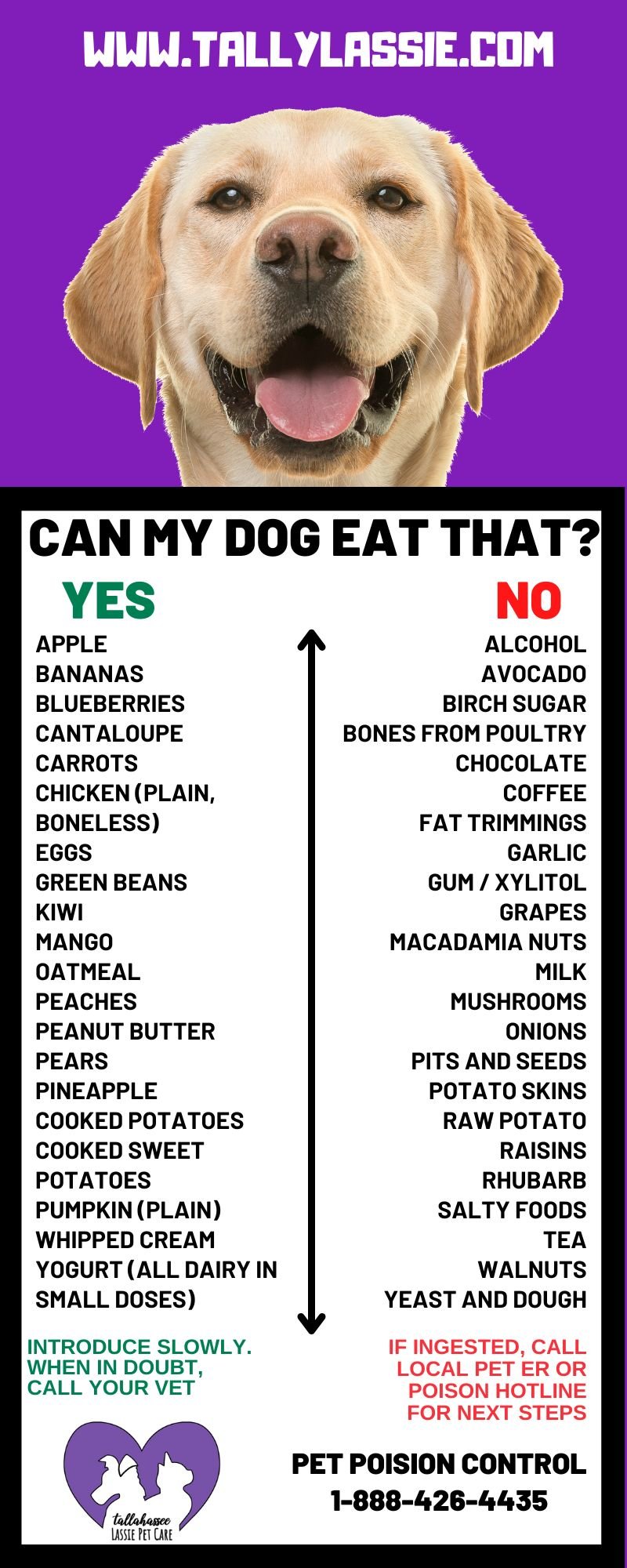
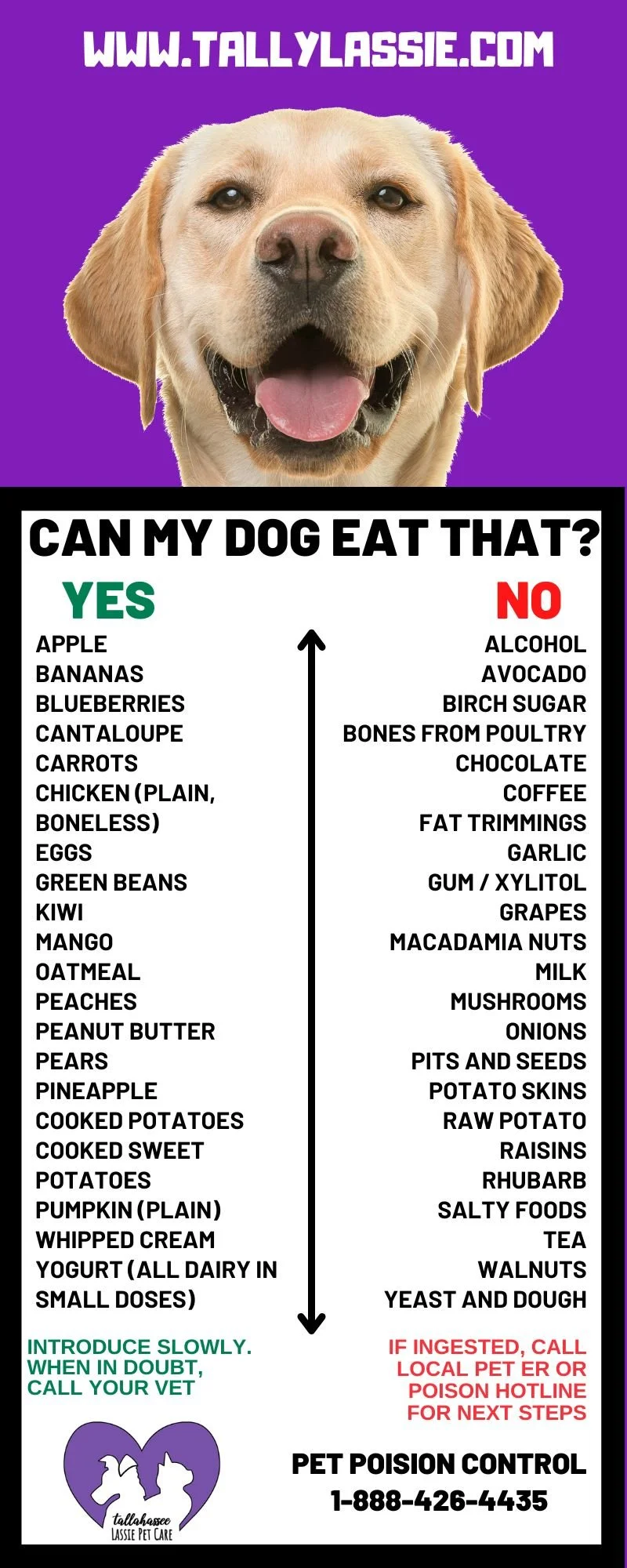
This is where things get tricky. Human food may seem more appealing, but that does not mean it is better for dogs. In fact, many human foods can be too salty, too fatty, or even toxic. Foods like onions, garlic, grapes, chocolate, and xylitol are dangerous for dogs.
Commercial dog food is formulated to provide complete and balanced nutrition. That means it contains the right mix of protein, fat, vitamins, minerals, and calories for daily health. Human food usually does not meet those needs on its own.
A few important truths:
- Human food can be tasty but nutritionally unbalanced
- Dog food is designed for long-term health
- Table scraps can lead to weight gain
- Some foods that seem harmless can cause illness
How Food Preferences Can Affect Training and Behavior
Understanding why do dogs like human food more than dog food can also help with training. Human food often works better as a high-value reward because dogs find it more exciting. A tiny piece of cooked chicken may motivate a dog more than a crunchy treat.
That said, using too much human food can backfire. Dogs may begin to expect better food every time and lose interest in their normal meals. I learned this lesson early in my own experience with dogs: once a dog realizes the steak comes from the table, the kibble can start looking like second-best.
Better training tips include:
- Use small, dog-safe pieces for rewards
- Keep treats rare and intentional
- Do not reward begging
- Make mealtime consistent
How to Make Dog Food More Appealing
If your dog regularly prefers human food, there are safe ways to make their regular food more interesting. You do not need to turn every meal into a feast. Small changes can help boost smell, texture, and excitement.
Try these practical ideas:
- Warm the food slightly to release aroma
- Add a little warm water or low-sodium broth
- Mix in vet-approved toppers
- Feed on a regular schedule
- Avoid free-feeding all day
I have seen many dogs become more interested in their meals after simple adjustments like adding warm water. The goal is not to spoil the dog. The goal is to make normal food feel more appealing while staying balanced.
When Human Food Becomes a Problem
Human food becomes a problem when it replaces balanced meals or creates unhealthy habits. A dog that only wants table food may end up missing key nutrients. Over time, that can affect energy, coat quality, digestion, and weight.
Watch for signs like:
- Refusing regular meals for long periods
- Constant begging at the table
- Weight gain from extra calories
- Loose stools after rich foods
- Vomiting or stomach upset after scraps
If this sounds familiar, it may be time to reset feeding habits and speak with a veterinarian if the pattern is persistent.
What Experts Know About Dog Food Preference
Animal nutrition research supports the idea that smell, fat content, moisture, and learned reward all shape food preference. Dogs are not being dramatic when they choose human food. Their brains and noses are simply responding to stronger signals.
Nutrition experts generally agree on one key point: a dog’s favorite food is not always the healthiest food. That is why balance matters so much. Good feeding choices should support both enjoyment and long-term health.
Frequently Asked Questions
Why do dogs like human food more than dog food?
Dogs often prefer human food because it smells stronger, tastes richer, and feels more rewarding. Human food also tends to be warmer, softer, and more varied, which makes it more exciting for many dogs.
Is it normal for my dog to ignore dog food but eat human food?
Yes, this is common, especially if your dog has learned to expect table scraps or treats. However, if the change is sudden, it may point to a health issue and should be checked by a vet.
Can I give my dog human food every day?
Some dog-safe human foods can be given in small amounts, but they should not replace a complete dog diet. Too much human food can cause nutrient gaps, weight gain, or stomach problems.
Why does my dog beg for food when we eat?
Dogs often beg because they smell something more exciting and want to share your attention. If begging gets rewarded even once in a while, the habit can become stronger.
How can I stop my dog from preferring table food?
Stick to a regular feeding schedule, avoid sharing scraps, and make dog food more appealing with safe toppers or warm water. Consistency is the biggest key because dogs learn quickly from patterns.
Conclusion
The reason why do dogs like human food more than dog food usually comes down to smell, taste, texture, and learned behavior. Human food feels richer and more rewarding, while dog food is built for nutrition rather than excitement. Once you understand that difference, it becomes much easier to guide your dog toward healthier eating habits.
If your dog seems overly interested in your plate, start with small changes and stay consistent. Focus on balanced meals, safe treats, and good feeding routines. If you want to keep learning, explore more dog nutrition tips, subscribe for updates, or leave a comment with your own mealtime story.