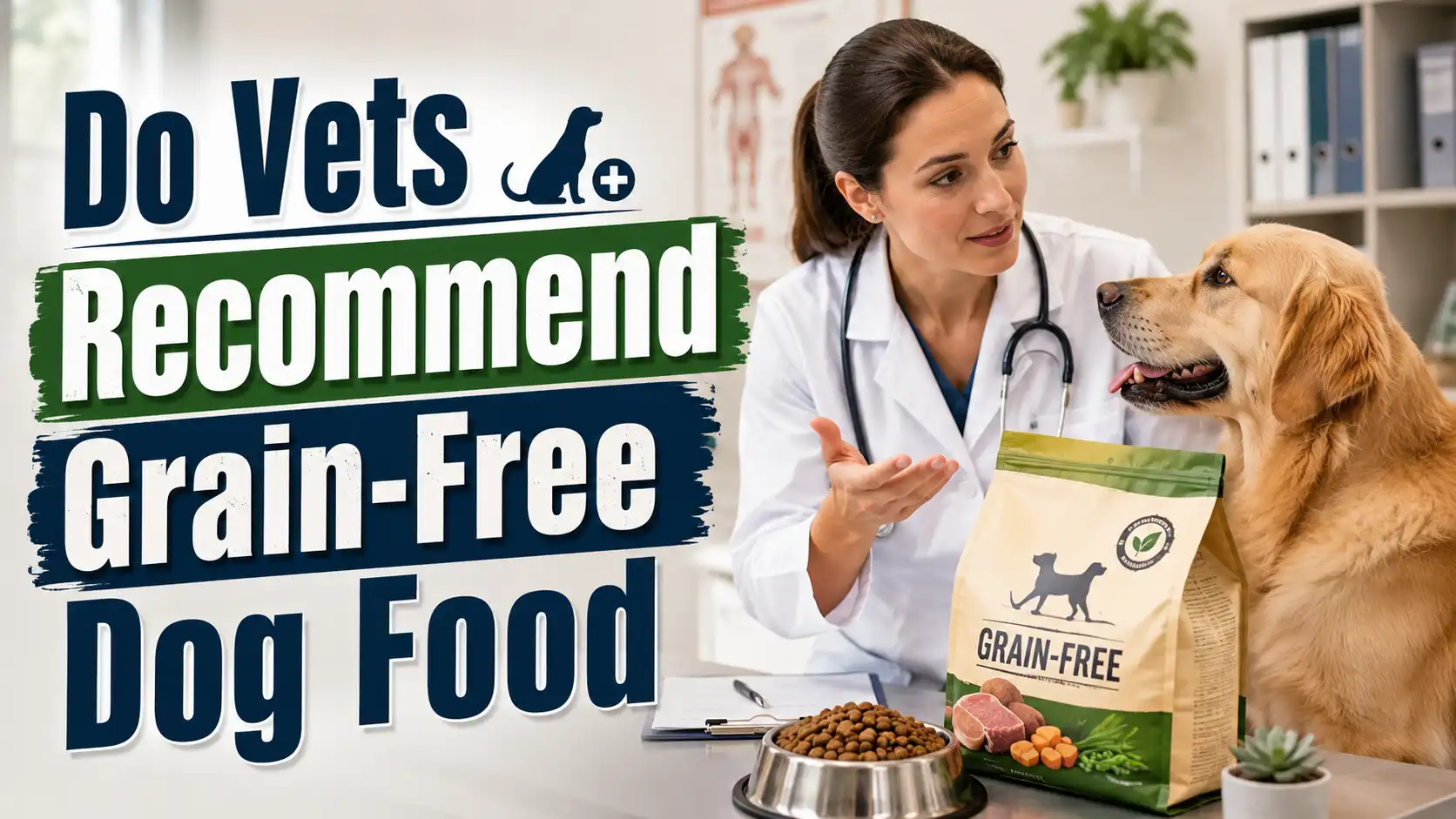
Hi, I am Zak. If you have ever stood in the pet food aisle staring at rows of expensive bags, you are not alone. Choosing the right food for your dog can feel like a huge responsibility. Over the last few years, grain-free dog food has become incredibly popular. Marketing makes it sound like the most natural, healthy choice for our furry best friends. But is it really the best option?
Here is the thing: many pet parents assume that because a diet is grain-free, it must be healthier, lower in carbohydrates, or closer to what wild wolves eat. I hear this from first-time pet parents all the time. However, canine nutrition is a bit more complex than the marketing labels suggest.
In this guide, we are going to look at the facts behind grain-free diets. We will explore what veterinarians actually say, what grains do for your dog’s body, and how to know if your dog truly needs a special diet. Let me explain everything you need to know to make a safe, confident choice for your pup.

Quick Answer
So, do vets recommend grain-free dog food? In most cases, the answer is no. Most veterinarians do not recommend grain-free dog food unless your dog has been specifically diagnosed with a grain allergy by a vet. Grains provide essential nutrients, energy, and fiber that dogs need to thrive. Furthermore, there is an ongoing investigation into a potential link between grain-free diets—specifically those using peas and lentils as substitutes—and a serious canine heart condition called Dilated Cardiomyopathy (DCM). Always talk to your vet before switching your dog to a grain-free diet.
What Pet Owners Should Know About Grains and Dog Food
To understand why vets usually recommend keeping grains in your dog’s diet, we first need to understand what grains actually are and what they do. Domestic dogs are not wolves; thousands of years of evolution alongside humans have adapted their digestive systems to easily process carbohydrates, including grains.
Common grains found in high-quality dog foods include:
- Oats and oatmeal
- Brown and white rice
- Barley
- Sorghum
- Corn and wheat
When cooked properly during the pet food manufacturing process, these grains are highly digestible. They provide an excellent source of energy, essential fatty acids for skin health, and fiber to keep your dog’s digestion running smoothly.
The biggest reason veterinarians urge caution with grain-free diets revolves around a heart condition called Dilated Cardiomyopathy (DCM). In recent years, the FDA noticed a spike in DCM cases in dog breeds that do not normally get this heart disease. The common factor among many of these sick dogs was a diet heavy in grain-free foods.
According to the American Veterinary Medical Association (AVMA), the issue might not just be the lack of grains. Instead, it seems to be related to the ingredients used to replace the grains, such as peas, lentils, chickpeas, and potatoes. These legume-heavy recipes might be interfering with how a dog’s body processes taurine, an amino acid crucial for heart health.
Pet Safety Note: If your dog is currently eating a grain-free diet and shows signs of lethargy, coughing, or weakness, please contact a licensed veterinarian immediately, as these can be signs of heart trouble.
Signs Your Pet May Need Attention, a Routine Change, or Vet Advice
Sometimes, a dog truly does have a food sensitivity, but how can you tell if it is a problem with their food or something else? True grain allergies in dogs are actually very rare. When dogs do have food allergies, they are most often allergic to the protein source, like beef, dairy, or chicken, rather than the carbohydrates.

If you suspect your dog’s diet isn’t agreeing with them, it is important to watch for specific signs. Some symptoms mean you just need a slow food transition, while others mean you need professional veterinary help.
| Type of Issue | Common Signs to Watch For | What You Should Do |
|---|---|---|
| Suspected Food Allergy | Constant scratching, licking paws, chronic ear infections, red belly skin. | Consult your vet. They may suggest an elimination diet to find the exact trigger. |
| Mild Digestive Upset | Occasional loose stools, mild gas, eating grass. | Ensure you aren’t feeding too many treats. Consider a bland diet for a day, but call the vet if it lasts more than 48 hours. |
| Potential Heart Concerns (DCM) | Tiring easily on walks, coughing, rapid breathing, sudden weakness or collapsing. | Treat as a medical emergency. Contact a veterinarian or emergency clinic immediately. |
The good news is that most itchy skin and tummy troubles can be managed easily once you and your vet identify the real cause. Do not try to diagnose a grain allergy at home by randomly switching food bags, as this can upset their stomach even more.
How to Safely Switch Your Dog’s Food Step by Step
If you have talked to your vet and decided to switch your dog off a grain-free diet (or if you are changing their food for any reason), you must do it slowly. A sudden change in diet can cause severe diarrhea and vomiting.
Here is the safest, practical method for a normal pet owner to transition dog food over a 7-day period:
- Days 1 and 2: The 75/25 Mix. Measure out your dog’s daily meal. Fill the bowl with 75% of their old food and 25% of the new food. Mix it up well so they can’t pick out just the new kibble.
- Days 3 and 4: The 50/50 Mix. Serve half old food and half new food. Keep an eye on your dog’s bathroom habits. If their stool becomes very loose, stay at this 50/50 stage for a few extra days before moving forward.
- Days 5 and 6: The 25/75 Mix. Now, fill the bowl with 25% of the old food and 75% of the new food. Your dog should be getting used to the new flavor and texture by now.
- Day 7: 100% New Food. If your dog has had solid stools and good energy, you can now feed them 100% of the new food.
During this transition week, keep treats to a minimum. This helps you know for sure how the new food is affecting their stomach. If severe vomiting or diarrhea occurs at any point, stop the transition and contact your vet.
Common Mistakes to Avoid
Choosing a dog food can be overwhelming, and marketing makes it easy to fall into a few traps. Here are some common mistakes to avoid:
- Assuming grain-free means low carbohydrate. Grain-free foods are not carb-free. They just swap grains for other carbs like potatoes, peas, or tapioca, which can sometimes be even higher in calories.
- Self-diagnosing food allergies. Jumping from one boutique diet to another without veterinary guidance can mask the real issue, whether it is environmental allergies, fleas, or a chicken allergy.
- Ignoring the WSAVA guidelines. The American Kennel Club (AKC) and top veterinary nutritionists recommend looking for brands that meet the World Small Animal Veterinary Association (WSAVA) guidelines. Many grain-free boutique brands do not meet these rigorous standards.
- Switching foods cold turkey. As mentioned above, always take at least a week to transition your dog’s food to avoid painful stomach cramps and messy accidents on your living room rug.
Practical Tips from Zak
Over the years of researching pet care and talking with countless pet parents, I’ve learned a few simple truths about feeding our dogs. You don’t need to be a canine nutritionist to make smart choices; you just need to know what to look for.
Zak’s Tip: Don’t fall for fancy packaging.
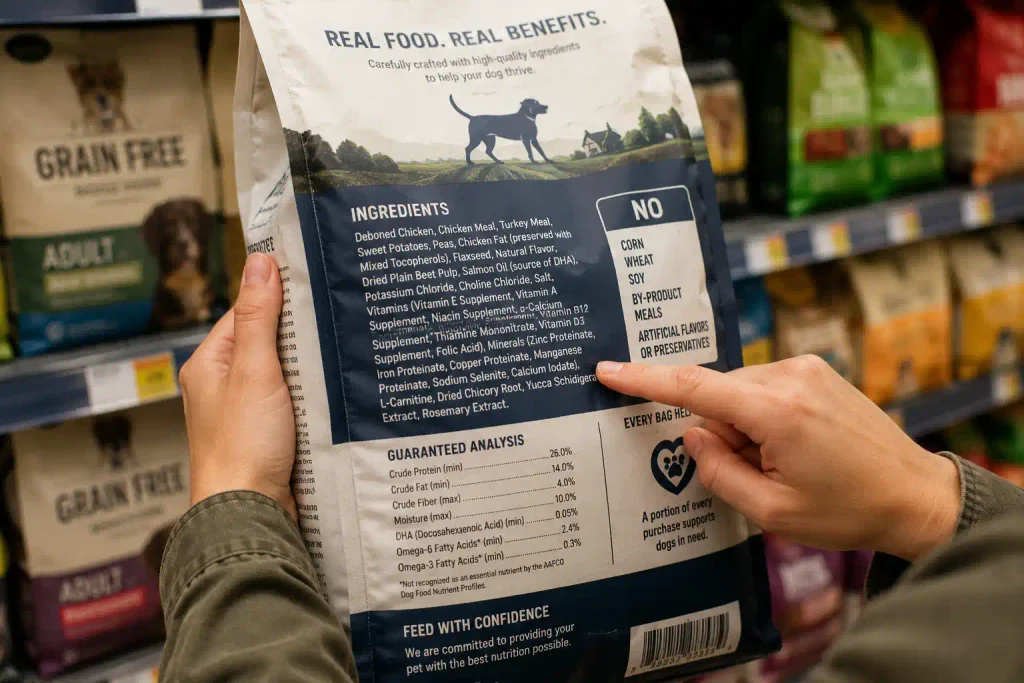
A beautiful bag with a picture of a wild wolf on it doesn’t mean the food inside is scientifically balanced. Look past the marketing buzzwords on the front of the bag and read the nutritional adequacy statement on the back. You want to see a statement that the food meets AAFCO (Association of American Feed Control Officials) profiles.
Zak’s Tip: Watch your dog’s energy and coat.
Your dog is the best judge of their food. If they are eating a grain-inclusive diet and have bright eyes, a shiny coat, firm stools, and great energy, the food is likely doing its job perfectly. Don’t fix what isn’t broken just because a new trend pops up.
Zak’s Tip: Write down questions for your vet checkup.
I always keep a note on my phone for my next vet visit. If you are worried about your dog’s weight, digestion, or diet, write it down so you don’t forget. Your vet would much rather discuss nutrition with you than have you guess based on internet ads.
Key Takeaways
- Most veterinarians do not recommend grain-free dog food unless there is a medically diagnosed grain allergy.
- Grains like oats, rice, and corn provide highly digestible energy, fiber, and essential nutrients for dogs.
- There is an ongoing investigation into a link between grain-free diets (heavy in peas/lentils) and canine heart disease (DCM).
- True grain allergies in dogs are very rare; protein allergies (like chicken or beef) are much more common.
- Always transition to a new dog food slowly over 7 days to avoid digestive upset, and consult your vet before making major diet changes.
Frequently Asked Questions
Are grains bad for dogs?
No, grains are not bad for the vast majority of dogs. Cooked grains like rice, oats, and barley provide healthy carbohydrates, fiber, and essential fatty acids that support a dog’s digestion and overall energy levels. Why is grain-free dog food so popular?
Grain-free dog food became popular mostly due to marketing trends that mirrored human diet trends, like gluten-free or paleo diets. Pet food companies marketed grain-free options as more “natural” or closer to a wolf’s diet, even though domestic dogs have evolved to digest grains easily. What is DCM in dogs?
DCM stands for Dilated Cardiomyopathy, which is a serious disease of the heart muscle that leads to an enlarged heart and reduced pumping ability. The FDA is currently investigating a potential link between certain grain-free diets and an increased risk of DCM in dogs. How do I know if my dog is allergic to grains?
Signs of a food allergy include chronic ear infections, obsessive paw licking, and itchy, red skin. However, true grain allergies are rare; dogs are more likely to be allergic to proteins like beef or chicken. You should visit a veterinarian for an elimination diet trial to get a true diagnosis. Can I switch my dog back to food with grains?
Yes, you can switch your dog back to a grain-inclusive diet, and many veterinarians encourage this for dogs without confirmed allergies. Just be sure to transition the food gradually over a 7-day period to prevent stomach upset. Does grain-free dog food have fewer carbohydrates?
Not necessarily. To make dry kibble, manufacturers need a carbohydrate source to bind the food together. In grain-free diets, grains are simply replaced with other carbohydrates like peas, lentils, chickpeas, or potatoes, which can be just as high in carbs and calories.
Conclusion
Navigating the world of pet food can be confusing, but the most important thing to remember is that you and your veterinarian are a team. While grain-free dog food might seem like a premium, healthy choice based on commercials, the science and veterinary consensus tell a different story. Grains are healthy, digestible, and beneficial for the vast majority of our canine companions.
If you are currently feeding a grain-free diet, there is no need to panic. Simply give your veterinary clinic a call, discuss your dog’s specific health needs, and ask for their recommendation on a balanced, grain-inclusive food. A quick conversation can give you peace of mind and keep your pup healthy and happy for years to come.
If you want to learn more about keeping your dog safe and healthy at home, be sure to check out our complete guide to dog care and nutrition for more practical tips.