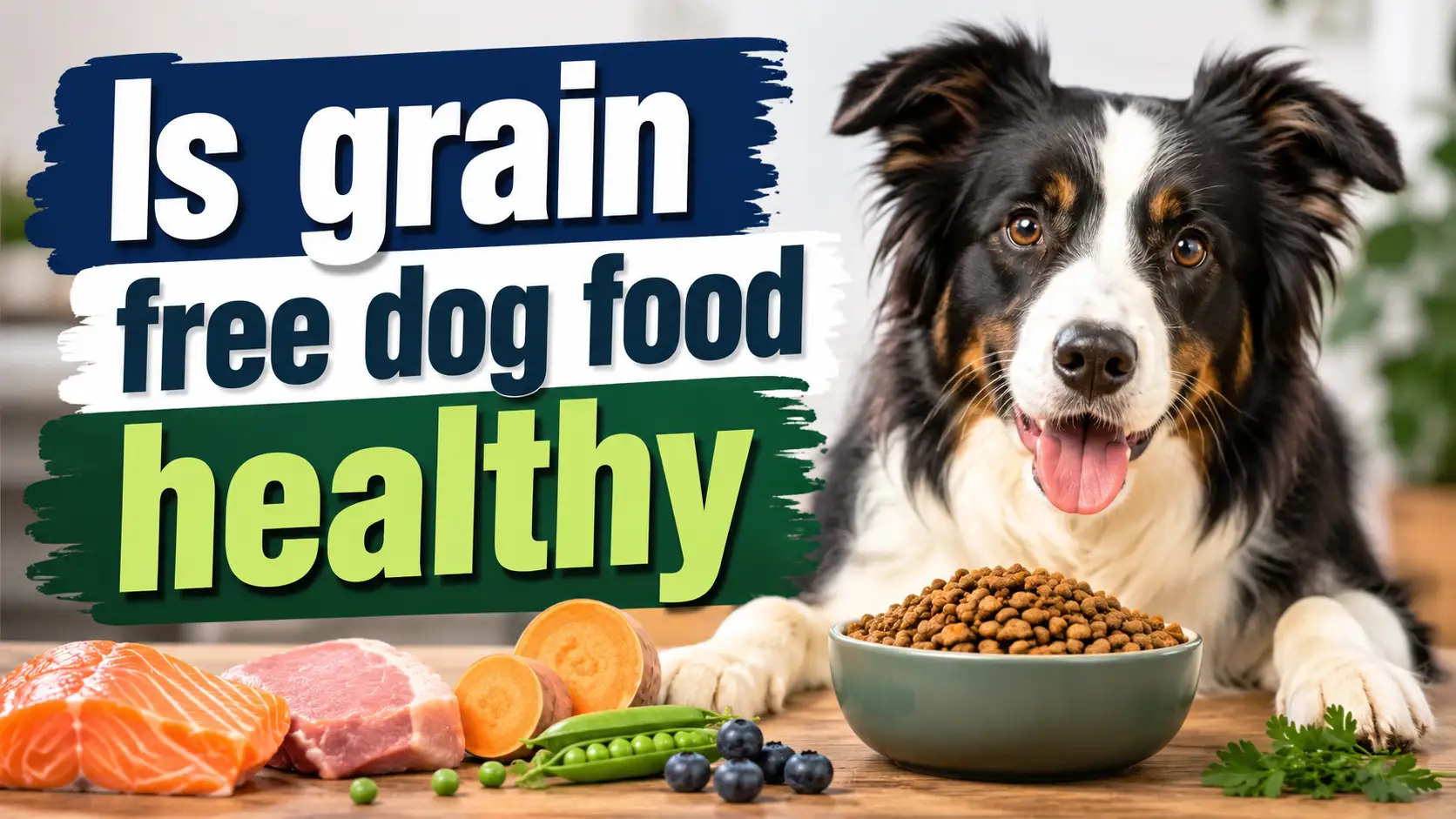
Hi, I’m Zak Fahim. If you have walked down a pet store aisle recently, you have probably noticed a massive trend. Almost every brand seems to be promoting a grain-free option. As a pet parent, it is easy to stand there, stare at the colorful bags, and wonder: is grain free dog food healthy for my best friend?
I completely understand the confusion. We all want our dogs to live long, happy, and energetic lives. When marketing tells us that wild wolves didn’t eat rice, we naturally assume our couch-loving pugs shouldn’t eat it either. But dog nutrition is a bit more complicated than that.
The truth is, while grain-free diets have gained massive popularity, they are not automatically the best choice for every dog. Let me break down the facts, share what the experts are saying, and help you make a confident, informed decision for your dog’s daily bowl.

Quick Answer
So, is grain free dog food healthy? For the vast majority of dogs, grain-free dog food is not necessary and does not offer extra health benefits compared to grain-inclusive foods. In fact, grains like brown rice and oats provide excellent energy, fiber, and essential nutrients. Grain-free diets are only truly necessary if your dog has a specific, vet-diagnosed allergy to grains, which is actually quite rare. Additionally, the FDA has been investigating a potential link between some grain-free diets and a canine heart condition called Dilated Cardiomyopathy (DCM), making it highly recommended to consult your veterinarian before switching.
What Pet Owners Should Know About Grain-Free Diets
To understand if grain-free food is right for your dog, we first need to look at what grains actually do. A lot of pet food marketing labels grains as “cheap fillers.” That is simply not true.
Dogs are omnivores, not strict carnivores like cats. Over thousands of years of living alongside humans, dogs have adapted to digest carbohydrates incredibly well. Grains provide highly digestible energy, essential fatty acids, and fiber that keeps your dog’s digestive system running smoothly.
When a pet food company removes grains from a recipe, they have to replace them with something else to give the kibble its shape and provide carbohydrates. Common grain substitutes include:
- Peas and pea protein
- Lentils
- Chickpeas
- Sweet potatoes
- White potatoes
Here is the thing: replacing a grain like oatmeal with a legume like lentils does not automatically make the food healthier. In fact, heavy reliance on peas and lentils is exactly what veterinary researchers are looking into regarding the recent heart health concerns. According to the American Veterinary Medical Association (AVMA), diet-associated DCM is a serious condition that pet owners should discuss with their vet before jumping on the grain-free trend.
Signs Your Pet May Need a Diet Change or Vet Advice
Sometimes, we consider switching foods because our dog seems itchy, has an upset tummy, or is just acting a bit off. Before you assume it is the grains causing the problem, it helps to know what to look for.
Believe it or not, when dogs have food allergies, they are usually allergic to the protein source—like chicken, beef, or dairy—not the grains. An actual allergy to corn or wheat is quite rare in the dog world.
| Symptom You See | What It Might Mean | What You Should Do |
|---|---|---|
| Constant scratching, chewing paws, or red ears | Possible environmental allergy (pollen/dust) or a food protein allergy. | Schedule a vet visit. Do not just switch to grain-free hoping it fixes the itch. |
| Frequent diarrhea or very soft stools | Could be a sudden diet change, eating something off the floor, or a parasite. | If it lasts more than 24 hours, call the vet. If they are acting fine otherwise, ask your vet about a bland diet. |
| Coughing, panting heavily without exercise, or sudden weakness | Could be a sign of heart trouble, including DCM. | Emergency: Contact a licensed veterinarian immediately. |
| Leaving food in the bowl or picking at it | Boredom, tooth pain, or mild stomach upset. | Check their teeth and monitor. Talk to a vet before switching kibble brands. |

How to Handle a Diet Change Step by Step
If you and your veterinarian have decided that your dog needs a new diet—whether that is moving away from grain-free or switching to a sensitive stomach formula—you must do it slowly. A dog’s stomach gets very used to digesting one specific formula.
If you dump a brand new food into their bowl all at once, you are almost guaranteed to deal with an upset stomach and messy backyard cleanups. Here is the safest, most practical method for a normal pet owner to transition dog food:
- Days 1 and 2: Mix 75% of your dog’s current old food with 25% of the new food in their regular food bowl.
- Days 3 and 4: Mix 50% of the old food with 50% of the new food. Watch their bathroom habits to ensure things look normal.
- Days 5 and 6: Mix 25% of the old food with 75% of the new food.
- Day 7: Serve 100% of the new food.
If your dog experiences diarrhea or vomiting during this process, stop the transition, go back to the previous ratio, and contact your vet for advice. Every dog digests at their own pace.
Common Mistakes to Avoid
Navigating pet nutrition can feel like walking through a minefield. Over the years, I have seen pet parents make the same well-intentioned errors. Let’s make sure you avoid them:
- Assuming grain-free means carb-free: Grain-free foods still have carbohydrates. They just use potatoes or peas instead of rice or oats.
- Diagnosing allergies at home: If your dog is itchy, do not assume it is the grains. Most dogs with food allergies are reacting to common meats like chicken or beef.
- Ignoring the heart health warnings: The link between grain-free diets (especially those high in legumes) and dilated cardiomyopathy is a real area of study. Do not brush it off as a myth.
- Falling for fancy packaging: Just because a bag has a picture of a wild wolf on it does not mean the food inside is nutritionally balanced for a domesticated dog.
- Switching foods constantly: Dogs do not need massive variety in their kibble. Constantly switching brands can actually create picky eaters and upset stomachs.
Practical Tips from Zak
Zak’s Tip: Read the Ingredient Panel, Not Just the Front
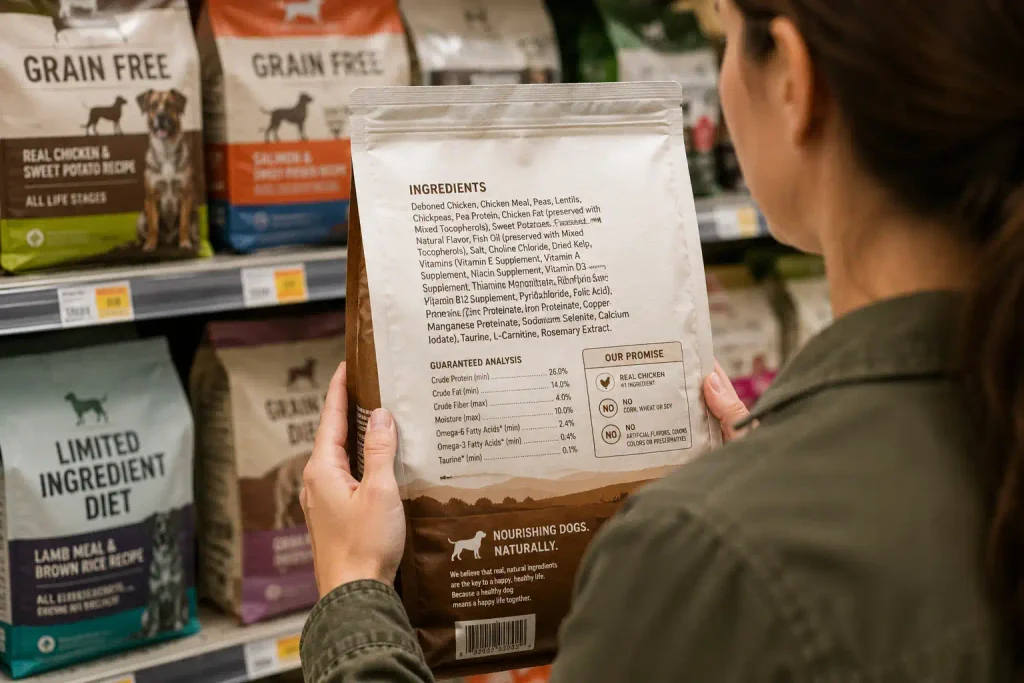
The front of the bag is marketing. The back of the bag is the truth. Look for the nutritional adequacy statement from AAFCO. This tells you if the food is actually balanced for your dog’s life stage (like a growing puppy versus an adult dog).Zak’s Tip: Trust Your Vet Over the Pet Store Employee
I love pet store workers; they are usually passionate animal lovers. But they are often trained by pet food sales reps. When it comes to the internal health of your dog, always defer to your licensed veterinarian.Zak’s Tip: Watch the Stool
It sounds a little gross, but your dog’s poop is the best indicator of how well their food is working. You want a firm, easy-to-pick-up log. If it is constantly soft, bulky, or extra smelly, the food might not be agreeing with them, regardless of whether it has grains or not.
Key Takeaways
- Grains are not bad for most dogs; they provide healthy energy, fiber, and nutrients.
- Grain-free diets often swap grains for peas, lentils, or potatoes, which are currently being studied for potential links to canine heart disease (DCM).
- True grain allergies in dogs are incredibly rare. Most food allergies are related to protein sources like chicken or beef.
- You should always transition your dog to a new food slowly over a 7-day period to avoid stomach upset.
- Always consult your licensed veterinarian before switching your dog to a grain-free diet.
Frequently Asked Questions
Do dogs actually need grains in their diet?
While dogs do not have an absolute biological requirement for grains, they do need carbohydrates for energy and fiber for digestion. Grains like brown rice and oatmeal are highly digestible and provide these essential nutrients very effectively for most dogs.
What is the FDA saying about grain-free dog food?
The FDA has been investigating reports of Dilated Cardiomyopathy (DCM), a serious heart condition, in dogs eating certain diets. Many of these diets were grain-free and contained high amounts of peas, lentils, or potatoes as main ingredients.
How do I know if my dog is allergic to grains?
True grain allergies are very rare. Signs of a food allergy include chronic itching, ear infections, and gastrointestinal upset. To accurately diagnose a grain allergy, your veterinarian will need to guide you through a strict prescription elimination diet.
Are grain-free diets better for weight loss?
No, grain-free diets are not inherently lower in calories or carbohydrates. They simply replace grain carbs with alternative carbs like potatoes or peas. If your dog needs to lose weight, talk to your vet about a specific weight-management formula and portion control.
Is brown rice good for dogs?
Yes, brown rice is an excellent ingredient for most dogs. It is a whole grain that provides easily digestible carbohydrates, essential B vitamins, and fiber to support a healthy digestive tract.
At the end of the day, feeding your dog shouldn’t feel stressful. The pet food industry is full of marketing buzzwords, and “grain-free” is currently one of the biggest. The good news is that for the vast majority of our furry best friends, a high-quality, grain-inclusive diet is perfectly healthy and safe.
So what should you do? Stick to well-researched brands that employ full-time veterinary nutritionists. Keep an eye on your dog’s energy levels, coat health, and bathroom habits. And most importantly, if you have any doubts, pick up the phone and chat with your vet. If you want to learn more about keeping your dog happy and healthy, check out our comprehensive dog care guides right here on PetFreakz.