If you have ever watched your dog scratch endlessly, chew on their paws, or rub their face against the carpet, you know how heartbreaking it can be. As pet parents, we just want our furry best friends to feel comfortable in their own skin. When the itching starts or stomach troubles pop up, it is natural to look at their food bowl for answers. I have been there, spending hours reading pet food labels and wondering if a simple diet change could fix everything.
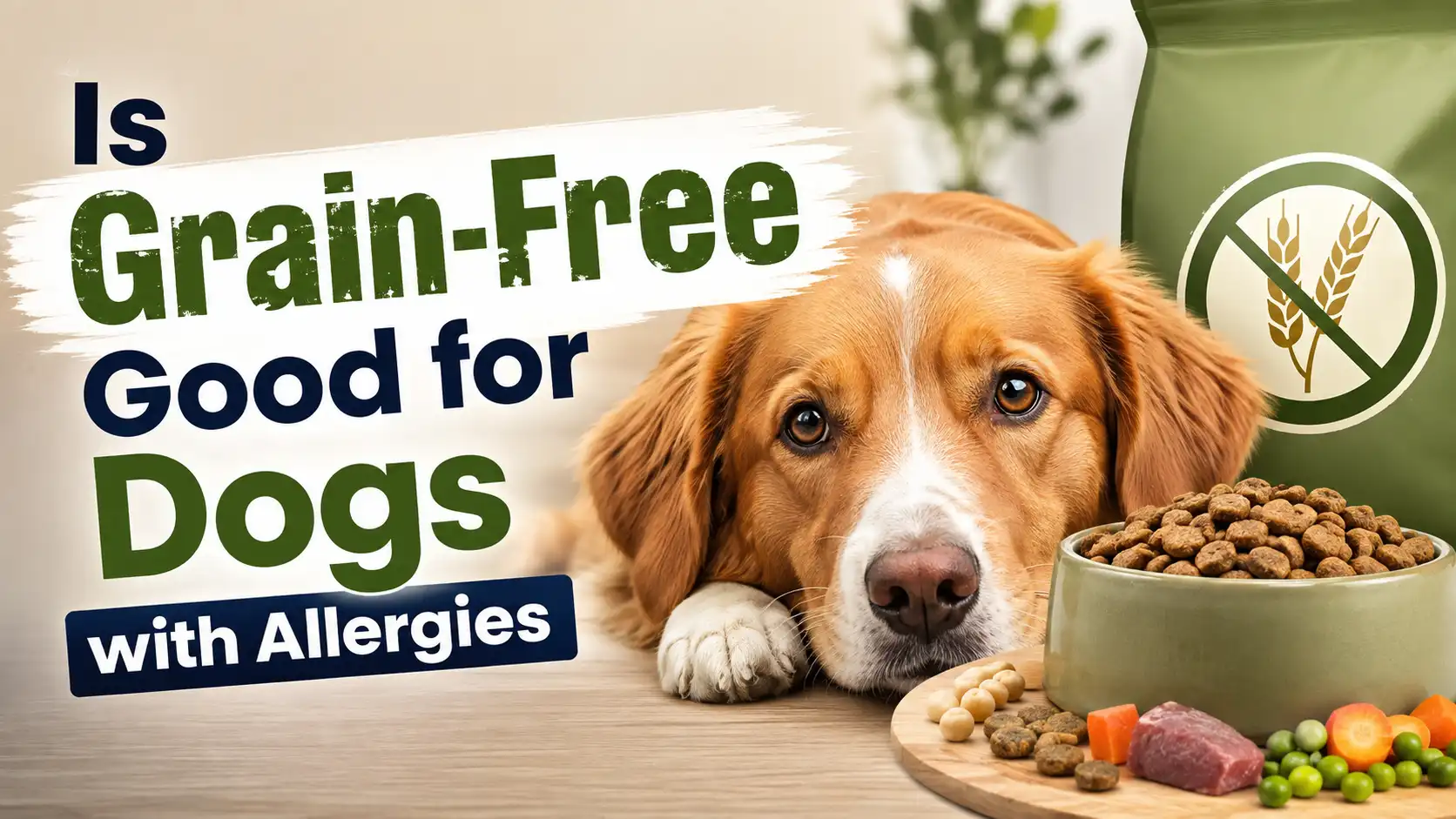
You have probably seen shelves packed with grain-free dog food at your local pet supply store. The marketing makes it look like the ultimate healthy choice. So, you might be asking yourself: is grain-free good for dogs with allergies? Should you swap out their regular kibble for a grain-free option immediately?
Here is the thing. While grain-free diets have become incredibly popular over the last decade, they are not a magical cure-all for every itchy dog. Let me explain what the research says, what actually causes most dog allergies, and how you can safely help your pet feel better without making costly mistakes.

Quick Answer
Is grain-free good for dogs with allergies? Generally, no. Most dogs with food allergies are actually allergic to a specific animal protein, such as chicken, beef, or dairy, rather than grains like wheat or corn. Unless your veterinarian has specifically diagnosed your dog with a grain allergy—which is quite rare—switching to a grain-free diet will likely not stop their allergic reactions. If you suspect your dog has a food allergy, the best approach is to work with your vet on a strict elimination diet rather than guessing with grain-free kibble.
What Pet Owners Should Know About Dog Food Allergies and Grains
Before you toss out your dog’s current food, it helps to understand what a food allergy actually is. When a dog has a food allergy, their immune system mistakenly identifies a specific ingredient as a dangerous invader. The body fights back, which leads to the physical symptoms we see, like itching, redness, or digestive upset.
For a long time, internet rumors and clever marketing campaigns painted grains as the villain of the pet food world. We were told that dogs are wolves and wolves do not eat wheat. But the truth is, dogs have evolved alongside humans for thousands of years. Their digestive systems are perfectly capable of processing and absorbing nutrients from cooked grains like oats, rice, and corn.
The good news is that veterinary nutritionists have studied this extensively. According to trusted resources like the American Veterinary Medical Association (AVMA), true food allergies only account for a small percentage of all allergies in dogs. And within that small percentage, the culprits are usually meat proteins, not grains.
- Common allergens: Beef, dairy, chicken, wheat, and lamb. (Notice that wheat is on the list, but it is far less common than beef or chicken).
- Rare allergens: Corn, soy, rice, and oats.
- Grain-free does not mean allergy-free: A grain-free food might still contain chicken or beef, meaning it will trigger an allergic reaction if your dog is sensitive to those meats.
When a dog food manufacturer removes grains, they have to replace them with something else to hold the kibble together. They usually use potatoes, sweet potatoes, peas, lentils, or chickpeas. These ingredients are not inherently bad, but they are not automatically healthier or less allergenic than grains.
Pet Safety Note: The FDA has been investigating a potential link between certain grain-free diets (especially those high in peas, lentils, and potatoes) and a serious heart condition in dogs called Dilated Cardiomyopathy (DCM). Always talk to a licensed veterinarian before switching your dog to a grain-free diet to ensure it is safe for their specific health needs.
Signs Your Dog May Need Attention, a Routine Change, or Vet Advice
So, how do you know if your dog is actually dealing with an allergy? Dogs cannot tell us when they feel miserable, so they show us through their behavior and body language. Sometimes, it is obvious. Other times, the signs are subtle.
If you notice your dog constantly licking their paws, scratching their ears, or having frequent tummy troubles, it is time to pay closer attention. But remember, food allergies are just one piece of the puzzle. Dogs are much more likely to be allergic to things in their environment, like pollen, dust mites, or flea bites.

To help you figure out what might be going on, here is a breakdown of the common signs of dog allergies and how they usually appear.
| Type of Allergy | Common Triggers | Typical Symptoms You Might See |
|---|---|---|
| Flea Allergy Dermatitis | Flea saliva from just one or two bites. | Extreme itching, hair loss, scabs, especially near the base of the tail and hind legs. |
| Environmental Allergies (Atopy) | Pollen, mold, dust mites, grass. | Itchy face, rubbing eyes, licking paws, red belly. Often gets worse during certain seasons. |
| Food Allergies | Beef, chicken, dairy, sometimes wheat. | Year-round itching, chronic ear infections, frequent vomiting, or soft stools. |
If your dog is showing any of these signs, do not try to diagnose them on your own. There are many skin infections and parasites that look exactly like allergies. A trip to the vet is the best first step.
How to Handle Suspected Dog Allergies Step by Step
If you and your vet suspect a food allergy, simply wandering down the pet food aisle and picking a random grain-free bag is not the answer. To truly figure out what is making your dog sick or itchy, you need a structured plan. The gold standard for diagnosing a food allergy is called an elimination diet.
Here is how you handle this process safely and effectively at home, with your vet’s guidance.
- Consult your veterinarian first. They will rule out fleas, mites, and yeast infections before blaming the food. They may prescribe medicine to give your dog immediate relief from the itching.
- Choose a specific diet. Your vet will likely recommend a prescription diet. This might be a novel protein diet (a meat your dog has never eaten before, like venison or rabbit) or a hydrolyzed protein diet (where the proteins are broken down so small the immune system cannot detect them).
- Transition the food slowly. Over the course of 7 to 10 days, gradually mix the new food with the old food to prevent an upset stomach.
- Commit to the strict trial. This is the hardest part. For 8 to 12 weeks, your dog can ONLY eat the trial food. No normal treats, no table scraps, no flavored chew toys, and no flavored medications (check with your vet about switching to unflavored pills).
- Observe and record. Keep a simple notebook. Write down if the itching stops, if their coat improves, and how their digestion looks.
- Reintroduce the old food (The Challenge). If your dog gets better on the trial diet, your vet will have you feed them their old food again. If the symptoms return, you have successfully proven a food allergy exists.
Common Mistakes to Avoid When Managing Dog Allergies
Navigating pet food aisles and trying to solve an allergy problem can be overwhelming. I have seen many well-meaning pet parents make honest mistakes that accidentally set their dog’s progress back.
- Assuming grain-free fixes everything: As we have learned, switching to grain-free without knowing the actual allergen just wastes your money and keeps your dog itchy.
- Breaking the elimination diet rules: Giving your dog just one tiny piece of cheese or a single chicken-flavored treat ruins the entire food trial. You have to start the 8-week clock all over again.
- Switching foods too quickly: Rapid diet changes cause diarrhea and stomach pain, which only adds to your dog’s misery. Always transition slowly.
- Ignoring flavored heartworm and flea meds: Many monthly preventative chewables are beef or pork flavored. If you are doing a food trial, talk to your vet about topical liquids instead.
- Falling for internet home testing kits: Saliva and hair testing kits sold online for dog allergies are notoriously inaccurate. The Tufts University veterinary nutrition team and other experts advise against wasting money on them. The elimination diet is the only proven method.
Practical Tips from Zak for Caring for an Allergic Dog
Living with a dog who has allergies requires a bit of extra patience. It is not just about what goes in their bowl; it is about how you manage their daily routine. Here are some practical things I recommend to keep your dog comfortable and keep your home safe.
Zak’s Tip on Reading Labels: When checking a pet food bag, remember that ingredients are listed by weight before cooking. If “chicken” is the first ingredient, but you are trying to avoid chicken, do not forget to read the fine print. Look out for hidden allergens like “chicken fat,” “poultry by-product,” or “natural animal flavor.” Cross-contamination happens often in pet food factories, which is why prescription allergy diets are manufactured with stricter cleaning protocols.
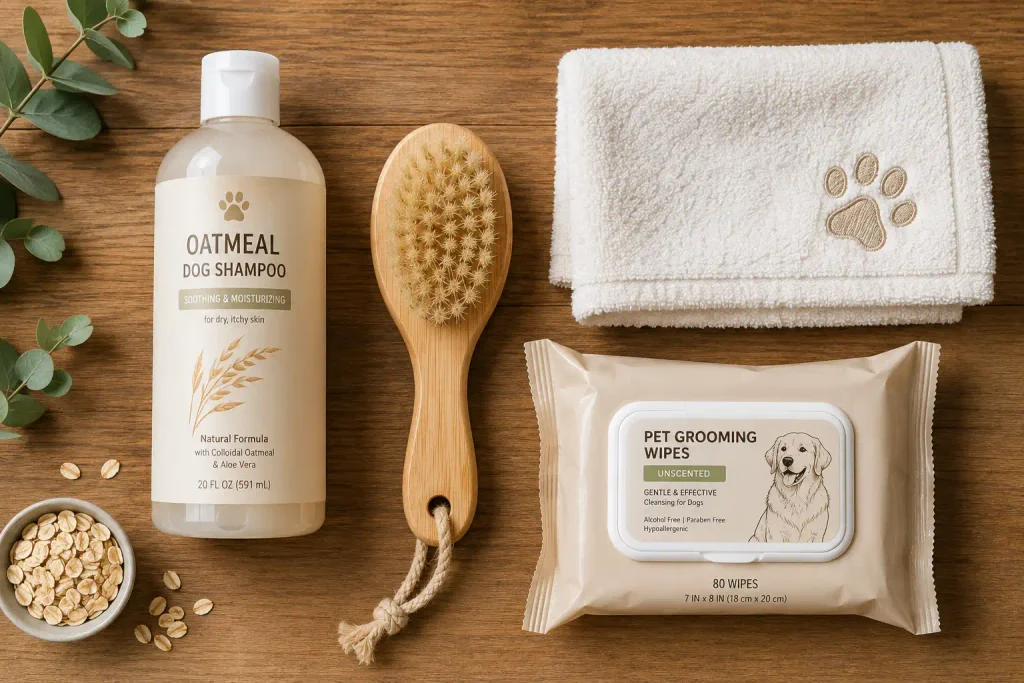
Zak’s Tip for Clean Paws: If your dog suffers from environmental allergies (like grass or pollen) rather than food allergies, the itch often starts on their paws. Keep a pack of pet-safe, unscented grooming wipes near the front door. Every time your dog comes back from a walk, gently wipe their paws, belly, and muzzle. Removing those invisible allergens before they settle into the fur can make a huge difference in their comfort level.
Zak’s Tip for Safe Treats: Doing an elimination diet feels terrible when you cannot reward your good boy or girl. Ask your vet if you can use the prescription canned version of their trial food. You can scoop it into a hollow rubber toy, freeze it, and give it to them as a long-lasting, allergy-safe treat. Some brands also make specific hypoallergenic treats that pair perfectly with their prescription kibble.
You might also want to rethink their feeding station. Plastic bowls can harbor bacteria in tiny scratches, which can sometimes cause doggy acne or skin irritation around the chin. Switching to high-quality stainless steel or ceramic bowls and washing them daily with hot, soapy water is a simple upgrade that supports their overall health.
Key Takeaways
- Grain-free diets are rarely the solution for dogs with allergies, because grain allergies are incredibly uncommon in dogs.
- When dogs do have food allergies, the culprit is almost always an animal protein like beef, dairy, or chicken.
- Environmental allergies (pollen, dust mites) and flea bites are far more common causes of itching than food.
- The only accurate way to diagnose a food allergy is through an 8-to-12-week strict elimination diet guided by a veterinarian.
- Be cautious of grain-free diets due to ongoing FDA investigations regarding canine heart disease (DCM). Always consult your vet before making a switch.
Frequently Asked Questions
Are grains actually bad for dogs?
No, grains are not inherently bad for dogs. Dogs are omnivores with digestive systems capable of breaking down and utilizing carbohydrates from cooked grains like oats, rice, and corn, which provide valuable energy and fiber. What is the most common food allergy in dogs?
The most common food allergens for dogs are animal proteins. Beef, dairy, and chicken top the list. Grains like wheat or corn account for a very small percentage of confirmed food allergies. How long does a food elimination diet take?
A proper food elimination diet usually takes between 8 to 12 weeks. It takes time for previous food allergens to completely clear from your dog’s system and for their skin inflammation to calm down. Can I give my dog treats during an allergy diet trial?
No, you cannot give normal treats during a diet trial. Even a single tiny treat can ruin the trial. You can only use treats specifically approved by your vet,“`html