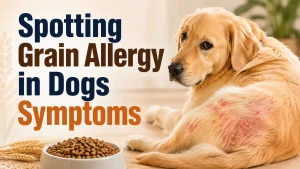
Hi there, I’m Zak Fahim. If you are reading this, you are probably dealing with a very itchy, uncomfortable, or upset pup. Watching your dog scratch all day or struggle with tummy troubles breaks your heart. You just want them to feel better. If your veterinarian has told you that your dog has a grain allergy, you might feel a bit overwhelmed right now.
Walking down the pet food aisle is confusing enough on a normal day. When you suddenly have to learn what to feed a dog with a grain allergy, all those labels start looking like a completely different language. Let me tell you, you are not alone in this. Many first-time and veteran pet parents go through the exact same frustration.
The good news is that feeding a dog with a grain allergy is very manageable once you know what to look for. Today, we will walk through exactly what a grain allergy is, what safe food options you have, and how to make mealtime happy and healthy for your furry best friend.
Quick Answer
If your dog has a confirmed grain allergy, you need to feed them a complete and balanced grain-free diet. This means replacing common grains like wheat, corn, rice, and oats with alternative carbohydrates like sweet potatoes, peas, or lentils. Always work with your veterinarian to choose a high-quality grain-free dog food that meets your dog’s specific nutritional needs, as grain-free diets should be monitored carefully. Be sure to check all dog treats and table scraps to ensure absolutely no grains sneak into their daily routine.
What Pet Owners Should Know About Grain Allergies
Before you clear out your pantry, let’s talk about what a grain allergy actually means. True grain allergies in dogs are actually quite rare. The American Kennel Club notes that dogs are much more likely to be allergic to proteins like beef, dairy, or chicken than they are to grains. However, if your vet has ruled out protein allergies and pinpointed grains, you need to take it seriously.
A grain allergy happens when your dog’s immune system mistakes a harmless grain for a dangerous invader. The body reacts by releasing histamines, which cause inflammation, itching, and stomach upset.
When you avoid grains, you have to replace them with other healthy energy sources. Dogs need carbohydrates for energy. Without grains, dog food brands use alternative carb sources. Here are some of the most common and safe grain alternatives you will find in allergy-friendly dog food:
- Sweet potatoes: A highly digestible carbohydrate packed with vitamins.
- Peas and legumes: Often used in grain-free foods to provide carbs and a bit of protein.
- Potatoes: Standard white potatoes are another common, easy-to-digest option.
- Tapioca: A starch extracted from the cassava root, used to bind the kibble together.
- Chickpeas: Also known as garbanzo beans, these provide fiber and energy.
Here’s the thing. Just because a food says “grain-free” does not mean it is automatically the healthiest option for every dog. You still need to look for a brand that uses high-quality meat as the first ingredient and follows standard nutritional guidelines.
Signs Your Pet May Need Attention or a Diet Change
How do you know if the current food is causing problems? Allergic reactions can show up on your dog’s skin or in their bathroom habits. Sometimes, these signs overlap with other health issues like fleas, mites, or seasonal allergies.

If you notice any of these signs, it is time to have a chat with your vet. Do not try to diagnose a food allergy on your own by constantly switching foods, as this can upset your dog’s stomach even more.
| Sign to Watch For | What It Looks Like at Home | When to Call the Vet |
|---|---|---|
| Constant Itching | Licking paws, chewing at legs, rubbing face on the carpet. | Skin looks red, raw, or starts losing hair. |
| Ear Problems | Shaking the head often, scratching at ears. | Ears smell bad, look red inside, or have dark discharge. |
| Stomach Upset | Occasional loose stool or passing lots of gas. | Diarrhea lasting more than a day, vomiting, or weight loss. |
| Skin Rash | Small red bumps on the belly or under the arms. | Bumps turn into sores, scabs, or seem painful to the touch. |
Warning: Severe allergic reactions, such as sudden swelling of the face, difficulty breathing, or severe vomiting, are medical emergencies. If you see these signs, take your dog to an emergency vet clinic immediately.
How to Transition to a Grain-Free Diet Step by Step
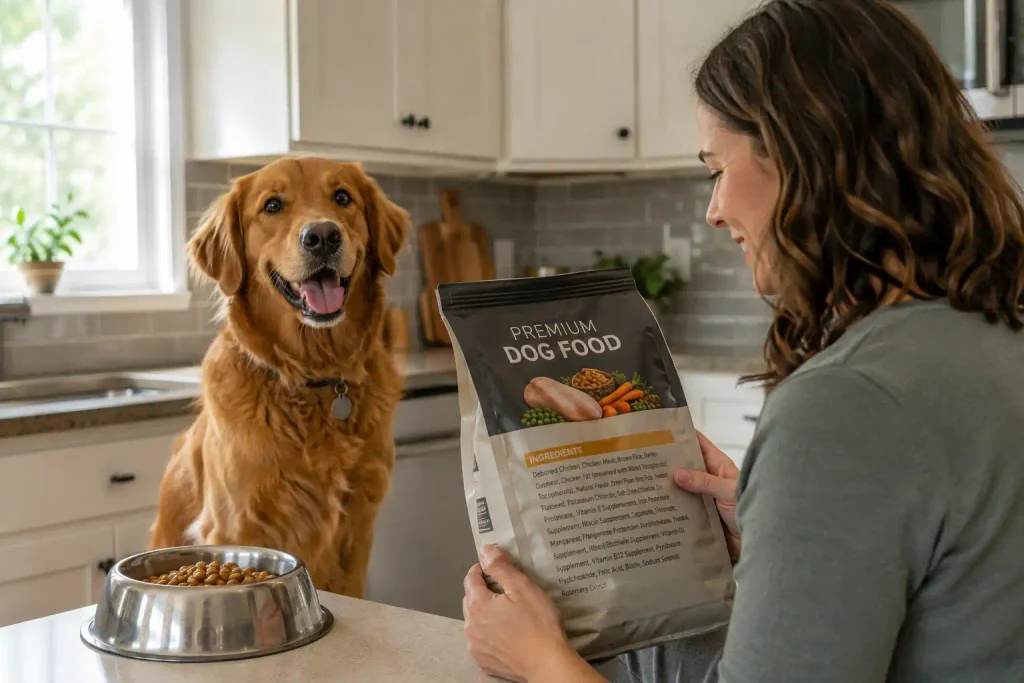
So, your vet has confirmed the allergy and you have a new bag of grain-free food. What next? You cannot just pour the new kibble into the bowl and call it a day. Dogs have sensitive digestive systems. A sudden change in food will almost certainly cause an upset stomach, even if the new food is better for them.
Here is the safest, most practical way to transition your dog to their new grain-free diet.
- Get Vet Approval on the Brand: Before starting, show the new bag of food to your vet. Ensure it meets your dog’s age and size requirements (for example, a large breed puppy needs different nutrients than a senior small breed).
- Start with a 75/25 Mix: On days 1 and 2, fill the bowl with 75% of their old food and 25% of the new grain-free food. Mix it up well.
- Watch Their Bathroom Habits: Keep an eye on their stool. If things look normal and they aren’t unusually gassy, proceed to the next step.
- Move to a 50/50 Mix: On days 3 and 4, serve a half-and-half mix of the old and new food.
- Increase to 75% New Food: On days 5 and 6, serve 25% old food and 75% new grain-free food.
- Serve 100% New Food: By day 7, you can usually switch entirely to the new grain-free diet.
- Monitor for the Next 8 to 12 Weeks: It takes time for food allergens to leave your dog’s system. You might not see their skin clear up or their itching stop completely for a couple of months. Be patient.
Common Mistakes to Avoid When Managing a Grain Allergy
Managing an allergy takes consistency. Even a small slip-up can cause a flare-up. Here are a few common mistakes pet parents make when navigating grain allergies.
- Forgetting to check the treats: This is a big one. You can feed a strict grain-free kibble, but if you give your dog regular biscuits containing wheat flour, the allergy symptoms will continue.
- Sharing table scraps: A piece of pizza crust, a stray noodle, or a bit of toast can trigger an allergic reaction. Let your whole family know the dog is on a strict diet.
- Confusing grain-free with gluten-free: Gluten is a protein found in certain grains like wheat and rye. But a gluten-free food might still contain oats or corn. If your dog is allergic to all grains, gluten-free is not enough; it must be completely grain-free.
- Ignoring flavored toys or toothpaste: Some edible chews and doggy toothpastes have grains or malt flavorings. Always read the tiny print on everything that goes into your dog’s mouth.
- Switching foods too often: Bouncing from brand to brand makes it impossible to know what is actually working and can ruin your dog’s digestion.
Practical Tips from Zak
Over the years of helping pet parents, I’ve picked up a few practical tricks that make dealing with allergies much easier. Here are a few of my favorite tips for keeping your grain-allergic dog happy.

Zak’s Tip: Use Single-Ingredient Treats
Finding grain-free treats can be expensive. To keep things simple and safe, I love using single-ingredient treats. Dehydrated sweet potatoes, freeze-dried chicken breast, or simple baby carrots are amazing. Because they only have one ingredient, you know exactly what your dog is getting.
Zak’s Tip: Wash Those Food Bowls
Cross-contamination is real. If you have a multi-dog house and one dog eats regular food, make sure you wash the bowls thoroughly. Better yet, use completely different colored bowls for your allergy-prone dog so you never mix them up.
Zak’s Tip: Keep a Food Diary
When you start the new grain-free diet, grab a notebook. Jot down what your dog eats each day, including treats. Then, write down how much they scratch on a scale of 1 to 10, and note their stool quality. If you have to go back to the vet, this diary is pure gold for them.
One quick note about grain-free diets. You may have heard about a potential link between grain-free dog foods (specifically those heavy in peas and lentils) and a heart condition called Dilated Cardiomyopathy (DCM). The American Veterinary Medical Association (AVMA) and the FDA have studied this. While the exact link is still being researched, it is a great reminder that you should always talk to your vet before putting your dog on a grain-free diet permanently. They can help you balance allergy relief with heart health.
Key Takeaways
- True grain allergies are less common than protein allergies, so always get a proper vet diagnosis before changing foods.
- A dog with a grain allergy needs a diet that uses alternative carbohydrates like sweet potatoes or peas instead of wheat, corn, or rice.
- Always transition to a new dog food slowly over 7 to 10 days to prevent an upset stomach.
- Do not forget to check the ingredient list on all dog treats, dental chews, and preventatives to ensure no grains are hiding inside.
- Keep an eye on your dog’s skin, ears, and bathroom habits to see if the new diet is working, and give it at least 8 weeks to show full results.
Frequently Asked Questions
Are grain allergies common in dogs?
No, true grain allergies are actually quite rare in dogs. Most food allergies in dogs are triggered by common proteins like beef, dairy, chicken, or lamb. Always consult your vet to rule out other allergies before assuming grains are the problem. What grains are dogs most commonly allergic to?
When dogs do have grain allergies, wheat and corn are the most common culprits. Some dogs may also react to soy, rice, or oats, though this is less frequent. A strict elimination diet supervised by a vet is the best way to find out. Can dogs be allergic to rice?
Yes, dogs can be allergic to rice, although it is usually considered one of the easiest grains for dogs to digest. If your dog is allergic to all grains, even bland white rice will need to be removed from their diet. How long does it take for a grain-free diet to work?
It takes time for allergens to leave a dog’s system and for skin inflammation to heal. You may need to feed your dog a strict grain-free diet for 8 to 12 weeks before you see their itching and ear problems completely disappear. Are grain-free diets safe for all dogs?
Grain-free diets are safe and necessary for dogs with diagnosed grain allergies. However, for dogs without allergies, they may not be required. Always discuss your dog’s diet with a vet to ensure the food supports their overall heart and body health.
Dealing with a food allergy can feel frustrating at first. You might spend a little more time reading labels in the pet store, and you might have to ask your family to stop sneaking toast under the table. But when you see your dog finally resting peacefully without constantly scratching their ears, it is entirely worth the effort.
Remember, you are doing a great job just by looking into this and trying to find the best solution for your pet. Work closely with your vet, keep things simple with treats, and give the new food time to work. If you want more tips on keeping your dog’s digestion on track, check out our complete guide to dog nutrition basics right here on PetFreakz.