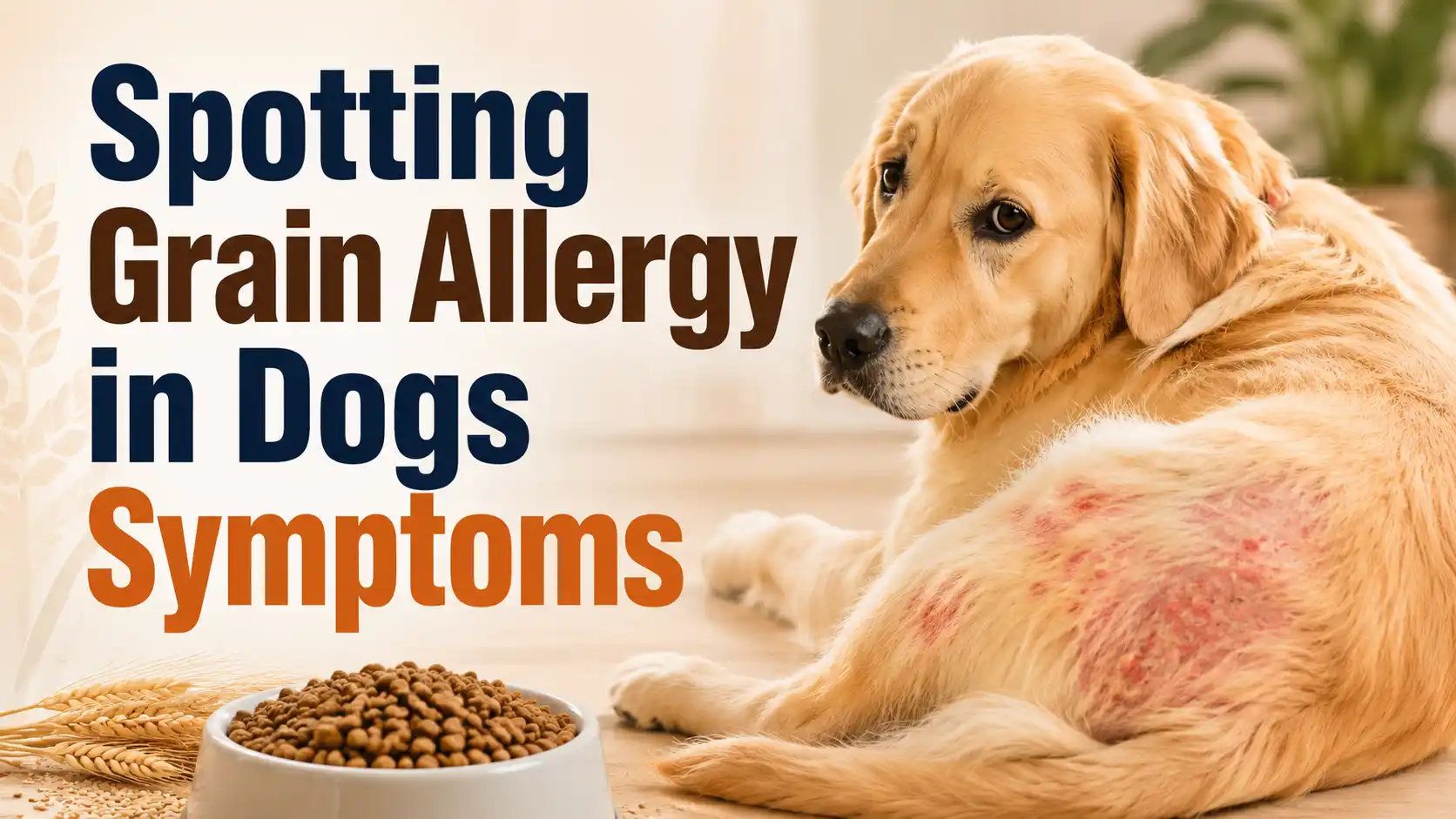
Hi, I’m Zak. Not long ago, a friend called me feeling totally helpless. Her sweet rescue mix, Buster, was scratching himself non-stop. He was licking his paws until they were raw, and his ears were a red, itchy mess. She thought it was just stubborn summer fleas, but after a trip to the vet, she got a surprise. Buster did not have bugs. He had a food allergy.
When our dogs are itchy, uncomfortable, or dealing with upset stomachs, it is tough to watch. We just want them to feel better. If you have been searching online trying to figure out why your dog cannot stop scratching, you might be wondering about their food. Specifically, you might be looking up grain allergy in dogs symptoms.
Here is the thing. Food allergies in dogs can be tricky to figure out. While grain allergies are actually less common than meat protein allergies, they do happen. And when they do, you need to know what to look for. In this guide, I will walk you through the real signs of a grain allergy, how to talk to your vet about it, and what you can do at home to help your furry best friend find some relief.

Quick Answer
The most common grain allergy in dogs symptoms show up on their skin rather than in their stomach. You will usually see non-stop scratching, biting at the paws, red and inflamed skin, and frequent ear infections. Some dogs may also have digestive issues like vomiting, diarrhea, or extra gas. If you see these signs, you should reach out to your veterinarian to plan a safe elimination diet, rather than just guessing and changing their food on your own.
What You Should Know About Dog Food Allergies
Before we dive into the specific symptoms, let me explain how dog food allergies actually work. A lot of pet parents assume that grains are bad for dogs. Marketing for grain-free dog food is everywhere. But grains like rice, oats, and barley are usually great sources of energy and fiber for most dogs.
A true food allergy happens when your dog’s immune system overreacts to a specific ingredient. Their body treats that ingredient like an invader. According to the American Veterinary Medical Association (AVMA), food allergies only make up a small percentage of all the allergies dogs get. Most dogs are actually allergic to things in the environment, like dust mites, pollen, or flea bites.
When food allergies do happen, the most common culprits are actually proteins like beef, chicken, dairy, or egg. However, some dogs do develop allergies to grains like wheat, corn, or soy. It is not common, but it is entirely possible.
There is also a difference between a true allergy and a food intolerance:
- Food Allergy: The immune system attacks the ingredient. It causes severe itching, skin rashes, and ear infections.
- Food Intolerance: The digestive system just has trouble processing the ingredient. This mostly causes stomach aches, gas, and loose stools without the crazy itching.
Knowing this difference helps you understand what your dog is going through. Let’s look closer at the actual signs you might see at home.
Signs Your Pet May Need Attention: Grain Allergy Symptoms
If your dog is allergic to a grain (or any food ingredient), the signs can start at any age. A dog can eat the exact same food for three years and suddenly develop an allergy to it. The good news is that the signs are fairly easy to spot if you know what you are looking at.
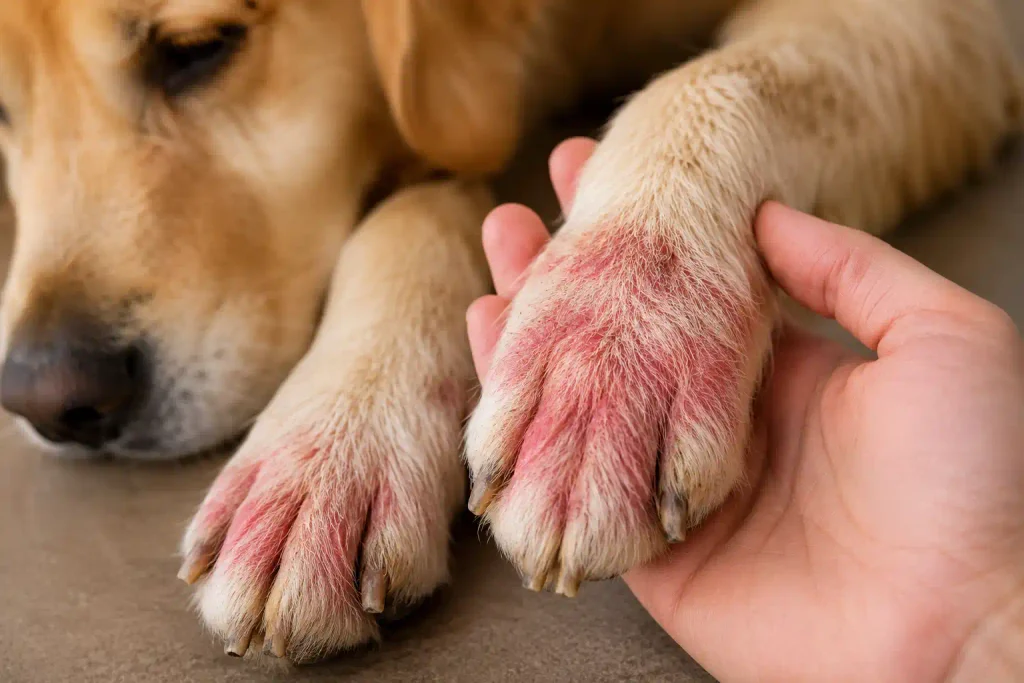
Here are the most common grain allergy in dogs symptoms you might notice:
- Constant scratching and biting: This is the biggest red flag. Your dog might scratch their belly, armpits, or base of the tail over and over.
- Obsessive paw licking: Dogs with food allergies often get very itchy paws. You might notice their paws are red or even stained brown from their saliva.
- Frequent ear infections: If you are constantly cleaning dark, smelly gunk out of your dog’s ears, or if they constantly shake their head, a food allergy could be the root cause.
- Skin rashes and hot spots: You might see red, angry patches of skin. Because the dog keeps scratching, these spots can get infected easily.
- Digestive upset: While less common than skin issues, some allergic dogs will have soft stools, frequent diarrhea, vomiting, or very bad gas.
Warning: If your dog has severe diarrhea, cannot keep water down, has pale gums, or seems very weak, do not wait to change their food. Call your vet or an emergency pet clinic right away. These are signs of a medical emergency, not just a simple allergy.
To help you figure out what might be going on, I put together a simple table. This shows the difference between food allergy signs and other common issues.
| Symptom Focus | Possible Food Allergy Signs | Possible Environmental or Flea Signs |
|---|---|---|
| Location of Itching | Paws, face, ears, armpits, and belly. | Base of the tail, lower back, or all over the body in spring/summer. |
| Ear Issues | Frequent, repeating ear infections year-round. | Occasional infections, mostly in swimming dogs. |
| Stomach Issues | Sometimes includes gas, vomiting, or loose stools. | Stomach is usually totally fine. |
| Timing | Happens all year long, no matter the season. | Often gets worse in spring, summer, or fall. |
How to Handle Suspected Grain Allergies Step by Step
So, what should you do if your dog is showing these signs? The worst thing you can do is run to the pet store and start buying random bags of dog food. Changing a dog’s food over and over can mess up their stomach and make it harder to find the real problem.
Here is the safest, most practical way to handle it.
- Rule out the bugs first. Make sure your dog is on a high-quality, vet-approved flea and tick preventative. A single flea bite can cause a massive allergic reaction that looks just like a food allergy. Check them with a flea comb.
- Book a vet visit. You need to talk to a licensed veterinarian. They will check your dog for skin mites, bacterial infections, and yeast infections. They can prescribe medicine to stop the terrible itching right now so your dog can finally sleep.
- Start an elimination diet. If your vet suspects a food allergy, they will likely suggest an elimination diet. This means feeding your dog a special prescription food with a protein and carb source they have never eaten before (like rabbit and potato) or a hydrolyzed protein diet.
- Wait it out. This is the hardest step. You must feed only the special diet for 8 to 12 weeks. No scraps. No flavored chew toys. No regular treats. It takes that long for the old allergens to leave the dog’s system.
- Challenge the allergy. If your dog gets 100% better on the special diet, your vet will have you introduce the old food back into their bowl. If the itching starts again in a few days, you have proven it is a food allergy.
If you need advice on storing that special vet diet, you can check out our guide on how to keep dry dog food fresh.
Common Mistakes to Avoid During a Food Trial
Doing a food trial takes a lot of patience. A lot of pet parents accidentally ruin the trial without meaning to. Keep these common mistakes in mind so you don’t waste your time or money.
- Giving treats or table scraps. Even one piece of cheese, a tiny piece of bread, or a normal dog biscuit can trigger the allergy and reset the whole 8-week clock.
- Forgetting about medication flavoring. A lot of heartworm pills and joint supplements are beef or pork flavored. Ask your vet if you need to switch to an unflavored pill during the trial.
- Trusting pet store allergy tests. Blood tests and hair tests for food allergies in dogs are terribly inaccurate. The veterinary nutrition experts agree that an elimination diet is the only real way to diagnose a food allergy.
- Switching foods too fast. If you switch dog foods without mixing them slowly over a week, your dog will get diarrhea. Then you will not know if the diarrhea is from the food switch or an allergy.
Practical Tips from Zak for Managing Dog Allergies
I know how stressful it is to manage a dog with skin issues. You feel bad for them, and the constant sound of them licking their paws at 2 AM can drive you crazy. Through helping my friends and family with their dogs, I have learned a few practical things that make life easier.

Zak’s Tip: Keep a daily symptom journal. When you see your dog every single day, it is hard to notice small improvements. Get a cheap notebook. Every day, give your dog an “itch score” from 1 to 10. Write down if their ears look red or if their poop was soft. When you go back to the vet in four weeks, this little notebook will be incredibly helpful.
Zak’s Tip: Get the whole family on board. If you are strictly feeding a special diet, but your kids are dropping cereal on the floor for the dog, the diet will fail. Have a family meeting. Explain that human food makes the dog sick right now. Use some of the special diet kibble as training treats instead.
Zak’s Tip: Be careful with grooming supplies. If your dog has raw, itchy skin, do not use heavily perfumed dog shampoos. Ask your vet for a soothing, medicated shampoo. Sometimes, a cool oatmeal bath can give them temporary relief from the scratching while the new food kicks in.
Key Takeaways
- Grain allergy in dogs symptoms usually appear as itchy skin, red paws, and ear infections, not just stomach problems.
- True grain allergies are rare; dogs are much more likely to be allergic to proteins like chicken or beef.
- Never guess at an allergy. Work with your vet to rule out fleas, mites, and environmental allergies first.
- The only accurate way to diagnose a food allergy is a strict 8-to-12-week elimination diet under vet supervision.
- During a food trial, you must stop all regular treats, table scraps, and flavored chew toys.
Frequently Asked Questions
What are the first signs of a grain allergy in dogs?
The first signs are usually related to the skin. You will notice your dog scratching a lot, chewing on their paws, rubbing their face against the carpet, or getting repeated ear infections. Are grain-free diets better for dogs with allergies?
Not necessarily. Grain-free diets are only helpful if your dog has been diagnosed with a specific grain allergy. For most dogs, grains are healthy, and switching to grain-free without vet advice can sometimes cause other nutritional issues. How can I test my dog for food allergies at home?
You cannot accurately test for food allergies at home with kits or hair tests. The only proven method is an elimination diet, which you should do with guidance from your veterinarian to ensure your dog stays healthy. Can a dog suddenly become allergic to their food?
Yes, they can. Dogs often develop allergies to ingredients they have been eating for months or even years. The immune system suddenly decides to treat that common ingredient as a threat. How long does an elimination diet take to work?
An elimination diet usually takes between 8 and 12 weeks to show full results. It takes that long for the old food allergens to completely clear out of your dog’s skin and digestive system. Is chicken or grain a more common dog allergy?
Chicken, beef, and dairy are actually much more common allergens for dogs than grains like corn or wheat. Meat protein allergies cause the vast majority of true food allergies in pets.
Conclusion
Dealing with grain allergy in dogs symptoms can be a frustrating journey for any pet parent. Seeing your dog scratch endlessly is heartbreaking, and figuring out the right food puzzle takes serious time and patience. But the good news is that once you find the right diet, your dog will be happier“`html