Dogs should not eat food with garlic powder because it can damage red blood cells.
If you’ve ever wondered whether a sprinkle of garlic powder on your dog’s food is harmless, you’re asking the right question. Garlic powder may seem tiny, but for dogs, it can be risky even in small amounts, and the effects can build up over time. Let’s break down what garlic powder does, how much is dangerous, what symptoms to watch for, and what to do if your dog already ate it.
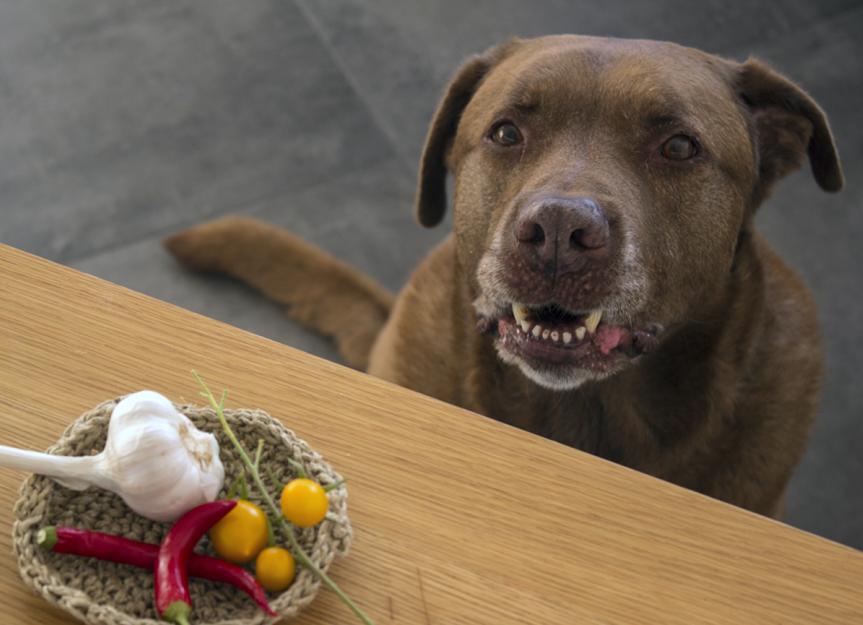
What garlic powder is and why it matters for dogs
Garlic powder is a dried, ground form of garlic. It is common in seasoning blends, sauces, soups, snacks, and leftover human food. Because it is concentrated, even a small amount can pack more punch than fresh garlic in a dish.
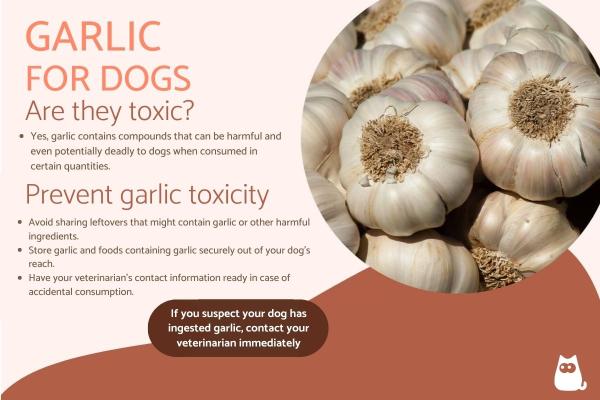
For dogs, the concern is the compounds in garlic that can harm red blood cells. Garlic belongs to the Allium family, which also includes onions, leeks, chives, and shallots. These foods can cause oxidative damage in dogs, which means the red blood cells can break down faster than the body can replace them.
In simple terms, garlic powder is not just a flavoring. It is a potential toxin for dogs, especially if they eat it often or in larger amounts.
Can dogs eat food with garlic powder?
The short answer is no. Dogs should not eat food with garlic powder, even if the amount seems small. A little bit in a shared meal may not always cause a crisis, but there is no safe reason to make it a regular part of a dog’s diet.
This is one of those cases where “just a pinch” can still matter. Garlic powder is more concentrated than fresh garlic by volume, so it can be easier to overlook the risk. I’ve seen many pet owners assume seasonings are harmless because the food smells faintly like garlic, but dogs process these compounds very differently from people.
If your dog ate a bite of seasoned food once, the risk depends on the amount, your dog’s size, and whether other harmful ingredients were included. But as a rule, food with garlic powder is not dog-safe.
Why garlic powder can be dangerous
Garlic powder can damage a dog’s red blood cells and lead to hemolytic anemia. That sounds serious because it is. Red blood cells carry oxygen through the body, and when they are damaged, the dog can become weak, tired, and short of breath.
The danger does not stop at immediate stomach upset. Garlic toxicity can take time to show up, which is one reason it is so easy to miss. A dog may seem fine at first, then develop symptoms hours or even days later.
Common risks include:
- Red blood cell damage
- Vomiting or diarrhea
- Weakness and lethargy
- Pale gums
- Fast breathing
- Elevated heart rate
- Collapse in severe cases
A dog’s size, health, and the exact amount eaten all affect how serious the reaction may be. Small dogs are often at greater risk because it takes less to reach a harmful dose.
How much garlic powder is too much?
There is no truly safe amount of garlic powder for dogs. Toxicity depends on dose and body weight, but the problem is that garlic powder is concentrated and easy to underestimate.
A tiny trace in a recipe is not the same as a heavily seasoned dish, but that does not make it safe. Repeated small exposures can also add up over time. Some dogs are more sensitive than others, and the same amount that causes no obvious signs in one dog may make another dog sick.
If your dog ate food with garlic powder, the best move is to treat it seriously instead of guessing. When in doubt, call your veterinarian or a pet poison helpline right away.
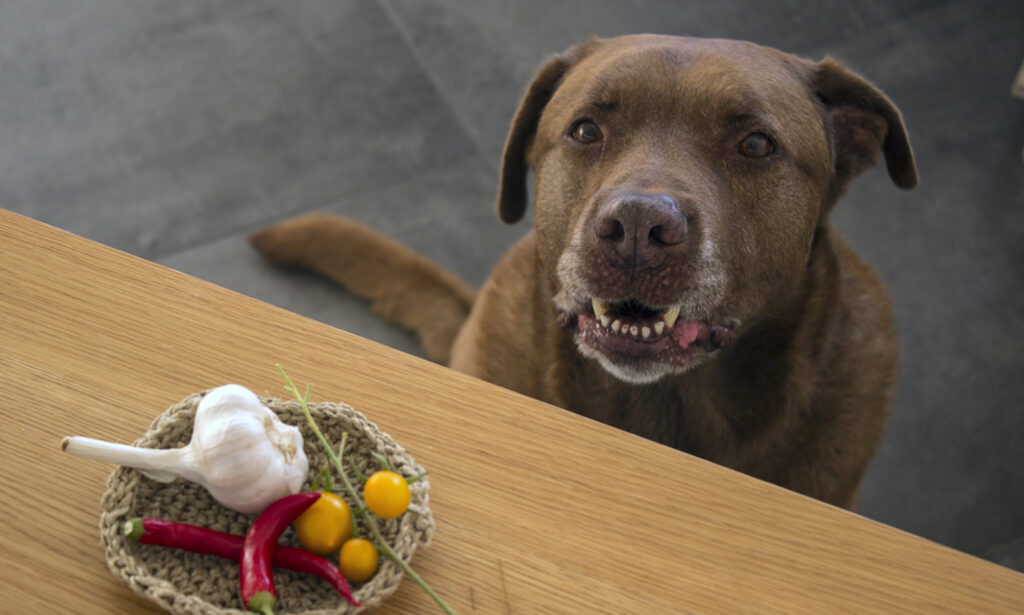
Signs of garlic powder poisoning in dogs
Symptoms may not show up right away. In many cases, signs appear within 24 to 72 hours after eating garlic powder, but timing can vary. Early detection is important because treatment works better before severe anemia develops.
Watch for these signs:
- Vomiting
- Diarrhea
- Drooling
- Loss of appetite
- Low energy
- Weakness
- Pale or white gums
- Dark urine
- Increased heart rate
- Trouble breathing
- Fainting or collapse
If you notice pale gums or breathing trouble, that is an emergency. Those signs can point to serious red blood cell damage and need fast veterinary care.

What to do if your dog ate food with garlic powder
Stay calm and act quickly. Panic helps nobody, but prompt action can make a real difference.
Here’s what to do:
- Remove the food so your dog cannot eat more.
- Check the ingredient label if you still have the package.
- Estimate how much your dog ate and when it happened.
- Call your veterinarian right away.
- If your vet is unavailable, contact a pet poison expert or emergency clinic.
- Do not induce vomiting unless a professional tells you to do so.
If the food also contained onions, chives, or other toxic ingredients, mention that immediately. Those foods can increase the risk. I always tell pet owners to save the label or take a photo, because ingredient details help the vet make faster decisions.
How veterinarians may treat garlic powder exposure
Treatment depends on how much was eaten, how long ago it happened, and whether your dog has symptoms. If the exposure was recent, a vet may try to reduce absorption. If symptoms have already started, treatment focuses on support and monitoring.
Possible treatment steps include:
- Inducing vomiting in select cases
- Giving activated charcoal in some situations
- Running blood tests to check red blood cells
- Providing IV fluids
- Monitoring oxygen levels and heart rate
- Hospitalization for severe anemia
- Blood transfusion in critical cases
Not every dog needs hospitalization, but every suspected case deserves professional advice. Garlic toxicity is one of those problems where waiting at home can let things get worse quietly.
:max_bytes(150000):strip_icc()/toxic-foods-for-dogs-744320e61e0742a7aadfa7a643917826.png)
Foods that often contain garlic powder
Garlic powder hides in a lot of everyday foods. That is why accidental exposure happens so often.
Be careful with:
- Pizza
- Pasta sauce
- Garlic bread
- Seasoned meats
- Soup mixes
- Chips and crackers
- Frozen dinners
- Marinades
- Gravy
- Seasoning blends
- Snack foods
The risk is not just the garlic powder itself. Many of these foods also contain onion powder, salt, fat, or other ingredients that are rough on dogs. A greasy, seasoned table scrap can be a triple problem instead of just one.
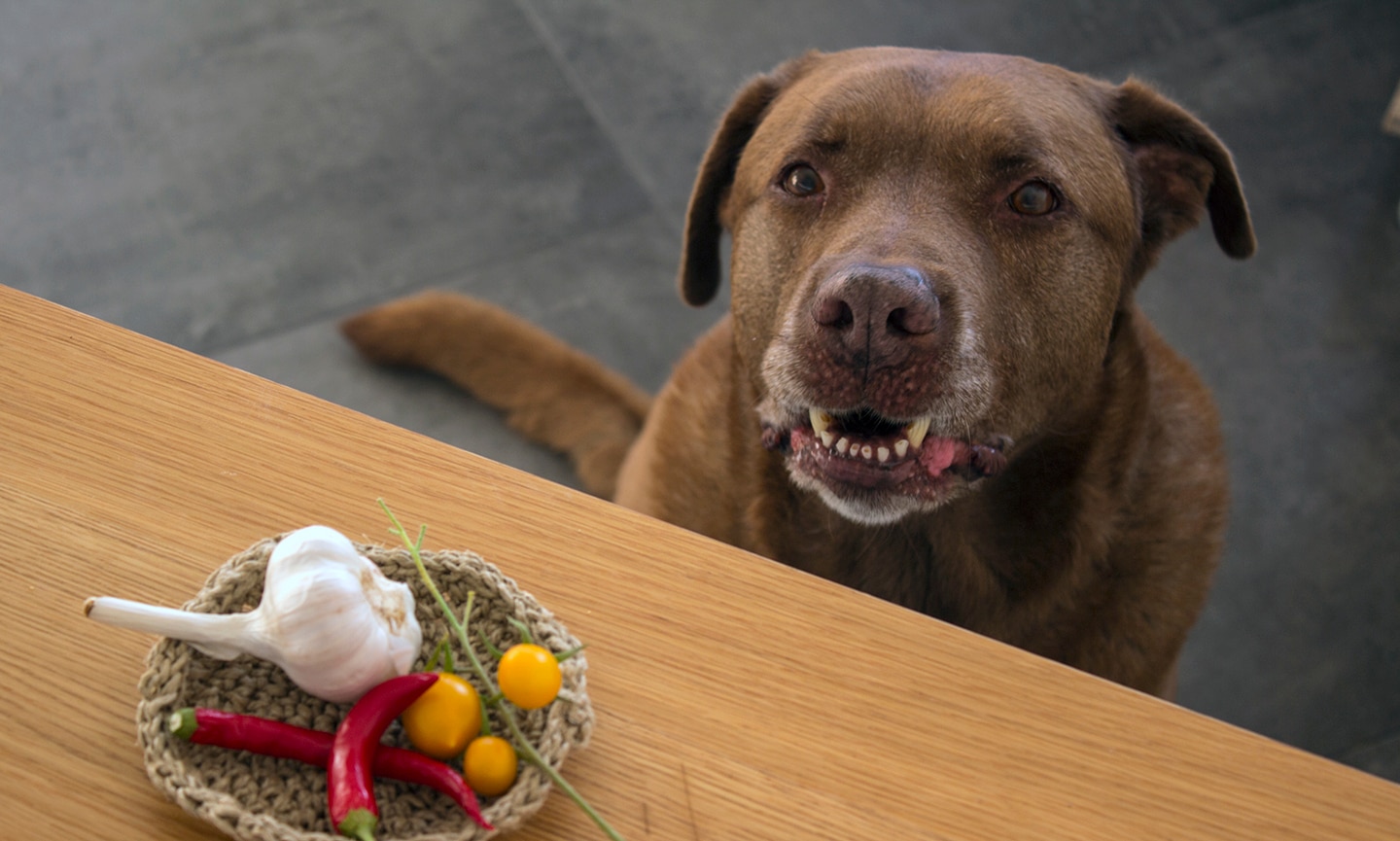
Are fresh garlic and garlic powder equally risky?
Both are risky, but garlic powder is often more dangerous by volume because it is concentrated. A small scoop of garlic powder can contain a lot more garlic material than the same spoonful of fresh garlic.
That said, fresh garlic is not safe either. People sometimes hear that small amounts of garlic are “fine,” but that advice is risky and can lead to accidental poisoning. Dogs do not benefit from garlic in their diet the way some people think they do.
If your goal is to add flavor or variety to your dog’s meals, choose dog-safe foods instead. There are plenty of better options that do not put your dog at risk.
Safer alternatives to garlic-seasoned food
If your dog likes flavor, you can still make meals interesting without using garlic powder. The goal is to keep food tasty and safe.
Safer options include:
- Plain cooked chicken
- Plain turkey
- Plain pumpkin
- Plain carrots
- Green beans
- Blueberries
- Small amounts of plain cooked eggs
- Dog-safe commercial treats
Always keep seasonings out of your dog’s portion. No garlic powder, onion powder, heavy salt, or spicy blends. Think of your dog’s bowl as a clean slate, not a mini version of your plate.
My practical advice from real-world pet care
One thing I’ve learned over the years is that garlic powder slips into dog stories more often than people expect. It is rarely a dramatic accident. More often, it is a leftover bite of pasta, a piece of pizza crust, or a table scrap from a family meal.
The biggest mistake I see is waiting for symptoms before taking action. By the time a dog looks sick, the harmful process may already be underway. A faster call to the vet can save time, money, and stress.
My rule is simple: if the food was seasoned for people, do not assume it is safe for dogs. When in doubt, treat garlic powder like a warning light on the dashboard. It may not mean disaster, but it does mean you should stop and check.
Frequently Asked Questions of Can dogs eat food with garlic powder
Can a small amount of garlic powder hurt my dog?
Yes, it can. Even small amounts may be risky, especially for small dogs or if exposure happens more than once. It is safest to avoid garlic powder completely.
What if my dog only licked food with garlic powder?
A quick lick is less concerning than eating a full portion, but it still depends on how much garlic powder was on the food. Watch your dog closely and call your vet if you are unsure.
How long does it take for garlic powder poisoning to show up?
Signs can appear within 24 to 72 hours, though timing varies. Some dogs may show vomiting or tiredness first, while others may not look sick until anemia develops.
Is garlic powder more dangerous than fresh garlic?
By volume, garlic powder is often more concentrated, so it can be easier to overdose. Both forms are unsafe for dogs and should not be fed intentionally.
What should I do if my dog ate garlic bread?
Call your veterinarian as soon as possible and share the ingredients if you know them. Garlic bread may also contain butter, salt, and other seasonings that can upset your dog’s stomach.
Can dogs recover from garlic powder poisoning?
Yes, many dogs recover well with prompt treatment. The outcome is usually better when the problem is caught early and managed by a veterinarian.
Conclusion
Dogs should not eat food with garlic powder because it can damage red blood cells and lead to serious illness. The risk may be easy to miss in everyday meals, but the safest choice is to keep garlic powder and other Allium seasonings out of your dog’s food completely.
If your dog has already eaten something seasoned, don’t guess or wait. Check the ingredients, call your vet, and act early. A careful response today can prevent a much bigger problem tomorrow, so take a quick look at your pantry and keep your dog’s next meal simple, plain, and safe.