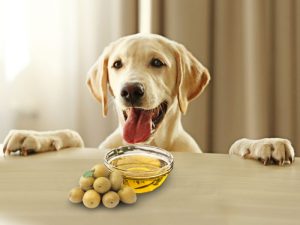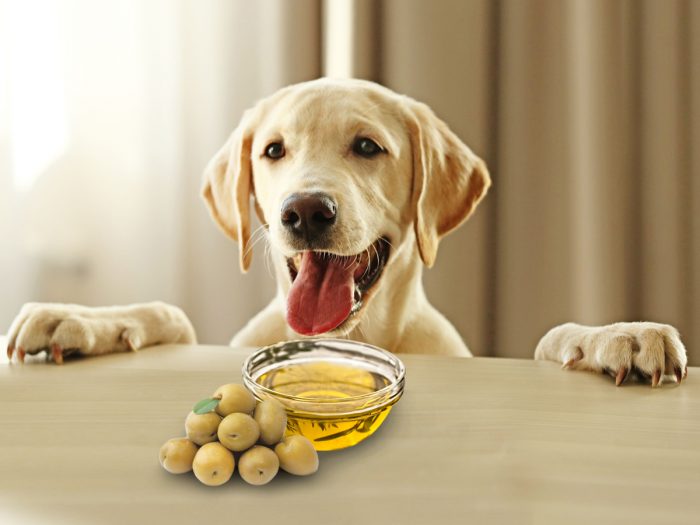
Yes, dogs can eat olive oil in small amounts, but too much can upset digestion.
If you have ever drizzled olive oil over dinner and wondered whether your dog could share a little, you are not alone. I have seen this question come up often in pet care conversations, and the answer is more nuanced than a simple yes or no. Olive oil can be safe for many dogs when used carefully, but the right amount, your dog’s health, and the reason you want to use it all matter.
Can dogs eat olive oil in food?
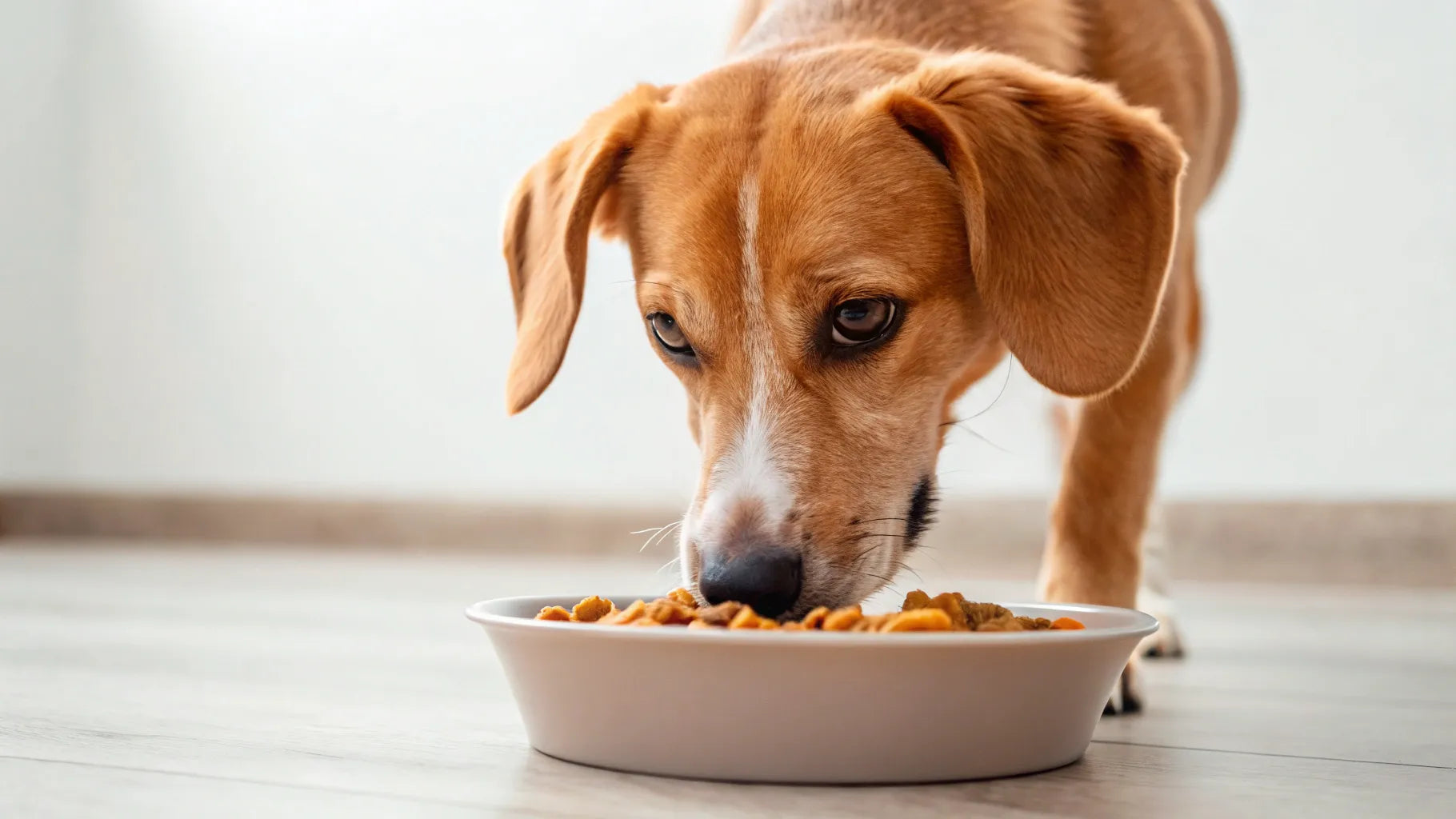
Yes, dogs can eat olive oil in food in small, controlled amounts. It is sometimes used to add healthy fats, support skin and coat health, or make food more palatable for picky eaters. But olive oil is still a fat, and too much can lead to stomach upset, loose stools, or weight gain.
In my own experience, the biggest mistake people make is thinking “healthy oil” means “unlimited oil.” That is not how a dog’s body works. Even good fats can become a problem when the portion is too large or when a dog already has a sensitive stomach, pancreatitis, or extra weight to lose.
Olive oil is not a must-have for dogs, either. A balanced dog food already gives most dogs the nutrients they need. So if you are asking whether dogs can eat olive oil in food, the safest answer is yes, but only as a small add-on, not a daily free pour.
What is olive oil, and why do people give it to dogs?
Olive oil is a plant-based oil made from olives. It contains mostly monounsaturated fat, along with small amounts of antioxidants and vitamin E. People often give it to dogs because they hope it will help with dry skin, dull coats, constipation, or picky eating.
That said, olive oil is not a miracle fix. I have noticed that some dogs seem to do fine with a tiny amount, while others get soft stool almost right away. Dogs are individuals, and what works for one may not work for another.
Here are the main reasons people use olive oil in dog food:
- To add flavor for dogs that refuse dry kibble
- To support skin and coat health
- To help with mild constipation in some cases
- To increase calories for dogs that need weight gain
Even with those possible uses, it is best to treat olive oil like a small tool, not a routine habit.
Is olive oil safe for dogs?
For most healthy dogs, olive oil is safe in small amounts. The key word is small. A tiny drizzle mixed into food is very different from a spoonful poured over a meal.
Dogs digest fat differently than humans, and too much fat can trigger digestive trouble. Some dogs are especially sensitive, including small breeds, senior dogs, and dogs with a history of pancreatitis. If your dog has any medical condition, your vet should be the one to guide you.
A simple rule I follow is this: if you are adding olive oil for the first time, start with the smallest possible amount and watch for changes. That means checking stool quality, appetite, and energy over the next day or two.
Possible benefits of olive oil for dogs
Olive oil can have a few possible benefits when used the right way. It is not essential, but it may help in certain situations.
Some possible benefits include:
- Healthy fats: Olive oil contains monounsaturated fat, which can support overall energy needs.
- Skin and coat support: A small amount may help some dogs with dry, flaky skin.
- Better taste: It can make food more appealing to selective eaters.
- Easier stool passage: In some dogs, a little oil may help move things along if constipation is mild.
Still, these benefits are usually modest. If your dog has serious dryness, hair loss, or constipation, olive oil should not be the first or only solution. Those signs can point to deeper issues like allergies, dehydration, or an underlying illness.
Risks and side effects of giving dogs olive oil in food
The main risk is simple: too much fat. Even healthy oils can cause problems if the dose is too high or if your dog is not used to them.
Possible side effects include:
- Diarrhea or loose stool
- Vomiting
- Stomach cramps or gassiness
- Reduced appetite
- Weight gain over time
- Worsening of pancreatitis in at-risk dogs
I have learned that pet owners often spot the problem only after the dog’s stool changes. It can happen fast, especially if the dog already eats a rich diet. When in doubt, less is better.
How much olive oil can dogs eat?
There is no one-size-fits-all amount, because safe portions depend on your dog’s size, diet, and health. A tiny dog needs far less than a large dog. Even then, the goal is to keep olive oil as a minor supplement.
A cautious starting point is:
- Small dogs: a few drops to 1/4 teaspoon
- Medium dogs: 1/4 to 1/2 teaspoon
- Large dogs: 1/2 to 1 teaspoon
These amounts should be mixed into food, not given straight by spoon. If your dog tolerates it well, your vet may suggest adjusting slightly, but I would not make olive oil a daily habit without a clear reason. Too much extra fat can quietly add calories and create long-term weight issues.
Best ways to give olive oil to dogs
If you decide to use olive oil, the safest way is to mix a small amount into the dog’s food. This helps spread it out so your dog is not getting a concentrated dose.
Good ways to serve it include:
- Stirring a small amount into kibble
- Mixing it into plain cooked food approved for dogs
- Using it occasionally to improve the smell and taste of dry food
A few tips from real-world experience:
- Start with a very small amount the first time
- Give it with a meal, not on an empty stomach
- Watch for soft stool over the next 24 to 48 hours
- Stop if your dog vomits or seems uncomfortable
Think of olive oil as a seasoning, not a topping. That mindset keeps things safe and practical.
When dogs should not eat olive oil
Some dogs should avoid olive oil unless a veterinarian says otherwise. This is important because fat can be risky for certain health conditions.
Avoid or limit olive oil if your dog:
- Has pancreatitis or a history of it
- Is overweight or on a calorie-restricted diet
- Has chronic digestive issues
- Gets diarrhea easily
- Has gallbladder or liver disease
- Is already eating a high-fat diet
If your dog is sick, has a sensitive stomach, or is taking medication, ask your vet before adding anything new. A small choice that seems harmless can matter a lot in a dog with a medical condition.
Olive oil vs other oils for dogs
People often ask whether olive oil is better than coconut oil, fish oil, or vegetable oil. The answer depends on the goal.
Here is the simple breakdown:
- Olive oil: good for small amounts, mild use, and general fat intake
- Fish oil: often used for omega-3 fatty acids and skin support
- Coconut oil: popular, but can also cause stomach upset in some dogs
- Vegetable oil: not usually the best choice for dogs
- Flaxseed oil: plant-based option, but not the same as fish oil in how dogs use it
If you are looking for skin and coat support, fish oil is often more targeted than olive oil. If you just want to improve taste or add a tiny amount of fat, olive oil can be fine. The best choice depends on why you are adding oil in the first place.
Signs your dog has had too much olive oil
If your dog gets too much olive oil, the signs are usually easy to spot. They often show up within hours or by the next day.
Watch for:
- Loose stool or diarrhea
- Vomiting
- Belly pain
- Excess gas
- Lethargy
- Refusing food
If symptoms are mild and your dog otherwise seems okay, stop the oil and monitor closely. If vomiting or diarrhea continues, or if your dog seems painful or weak, call your vet. In dogs with pancreatitis risk, even one fatty meal can be a serious issue.
Practical tips for pet parents
Over time, I have found that the safest feeding choices are usually the simplest ones. Olive oil can fit into a dog’s diet, but only if you keep it controlled and intentional.
Helpful tips include:
- Use the smallest amount possible
- Do not add olive oil to every meal
- Choose plain, high-quality olive oil
- Avoid flavored oils that may contain garlic or onion
- Check your dog’s stool after introducing it
- Ask your vet before using it for skin, weight, or constipation issues
One easy rule: if you would not measure it, do not guess it. Measuring keeps the dose consistent and lowers the chance of digestive upset.
Frequently Asked Questions of Can dogs eat olive oil in food
Can dogs eat olive oil every day?
Some dogs can tolerate small daily amounts, but that does not mean they need it every day. Regular use should only happen if your vet agrees it fits your dog’s diet and health needs.
Can olive oil help a dog with constipation?
A small amount may help some dogs pass stool more easily, but it is not a cure for constipation. If constipation keeps happening, your dog may need more water, fiber, or a veterinary exam.
Is extra virgin olive oil better for dogs?
Extra virgin olive oil is often preferred because it is less processed. Still, the most important factor is using only a small amount, no matter which olive oil you choose.
Can puppies eat olive oil in food?
Puppies can be more sensitive to rich foods, so caution matters even more. It is best to ask your vet before adding olive oil to a puppy’s diet.
What should I do if my dog ate a lot of olive oil?
Watch for vomiting, diarrhea, stomach pain, or loss of appetite. If your dog ate a large amount or has a history of pancreatitis, contact your vet right away.
Conclusion
Dogs can eat olive oil in food, but only in small amounts and with care. It may offer minor benefits like better taste or a little support for skin and coat, yet it can also cause stomach trouble if you give too much.
The safest approach is to start small, watch how your dog reacts, and keep your vet in the loop if your dog has any health concerns. If you want to make smart feeding choices, focus on balance first and extras second. Leave a comment with your dog’s age or breed if you want help thinking through the safest approach, and explore more dog nutrition tips to keep your pup healthy.