Dogs can eat many plain meats, grains, fruits, and veggies in small amounts.
If you wonder what human foods can dogs eat, you are not alone. I’ve helped many pet parents build safe snack lists that fit their dog’s age, size, and health. In this guide, I’ll show you what human foods can dogs eat, what to skip, how much to serve, and the simple prep steps that make treats safe, fun, and healthy. Read on for a clear, vet-informed plan you can use today.
:max_bytes(150000):strip_icc()/11-human-foods-dogs-can-eat-and-5-they-shouldnt-color01-18549b5534c4402b8641c1c60d33b9b2.jpg)
How to Safely Share Your Food With Your Dog
Start with balance. Dog food should do the heavy lifting. Treats and table snacks should stay under 10% of daily calories. This keeps meals complete and helps prevent weight gain.
Keep human food plain. Skip salt, sugar, butter, oil, and sauces. Many seasonings are not dog-safe. Onions, garlic, and chives are off-limits in any form.
Offer small pieces and go slow. New foods can upset the gut. Start with one small bite and watch for signs like gas, loose stool, or itch. When you plan what human foods can dogs eat in your home, think simple, cooked, and bite-size.
If your dog has health issues, talk to your vet first. Pancreatitis, kidney disease, food allergies, or diabetes all change the rules. Vets follow clinical nutrition standards to keep meals safe and complete.
Safe Human Foods Dogs Can Eat
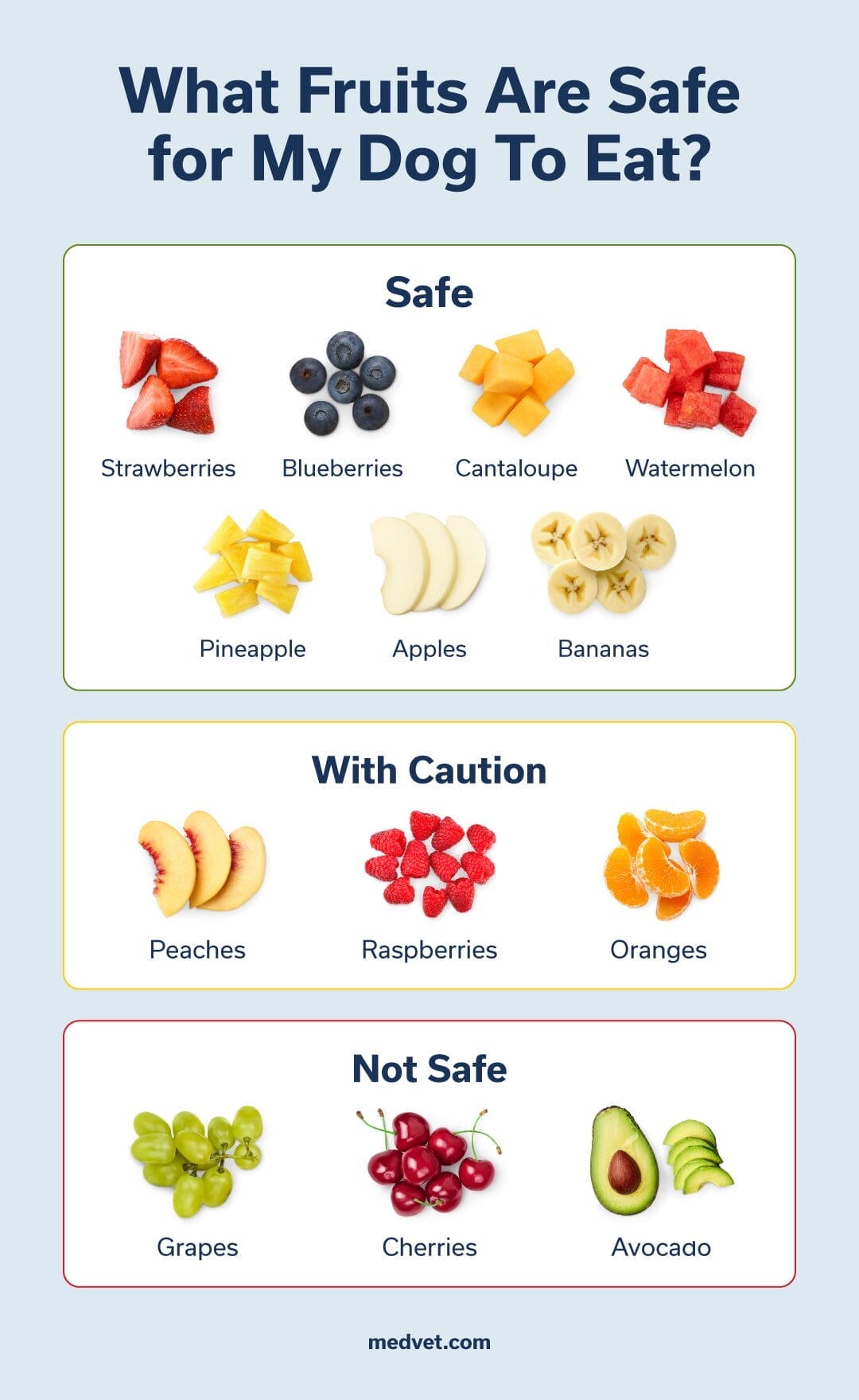
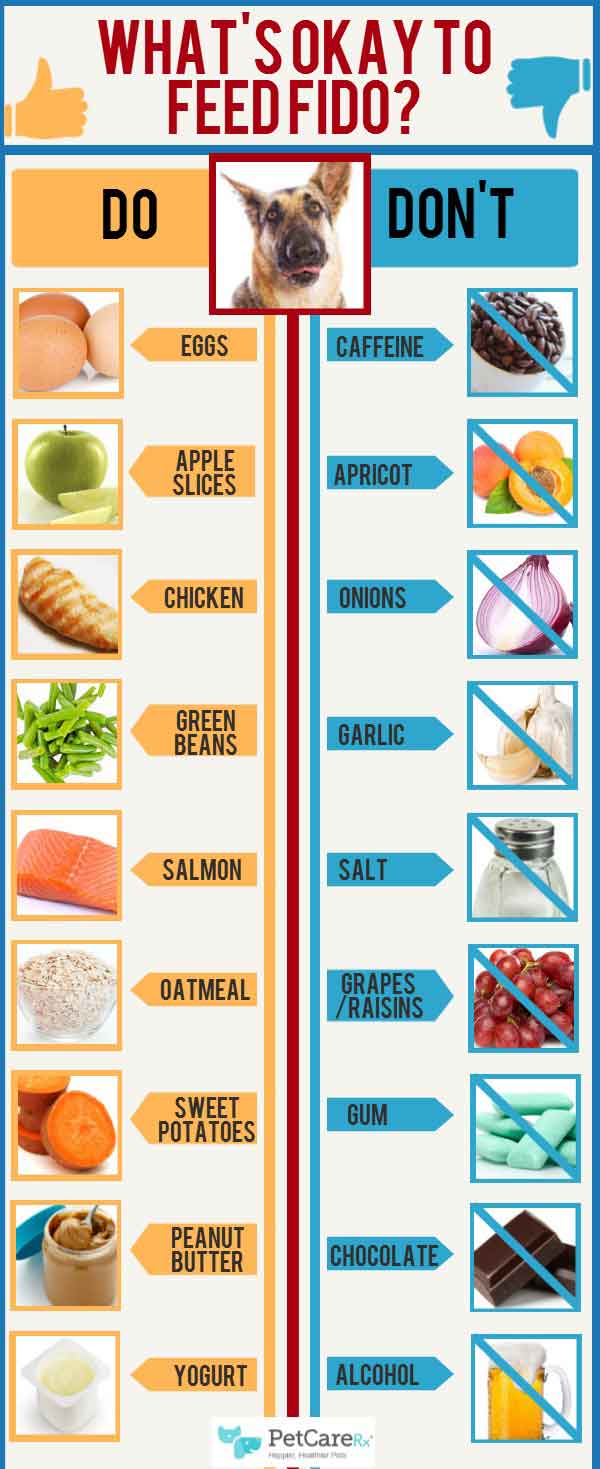
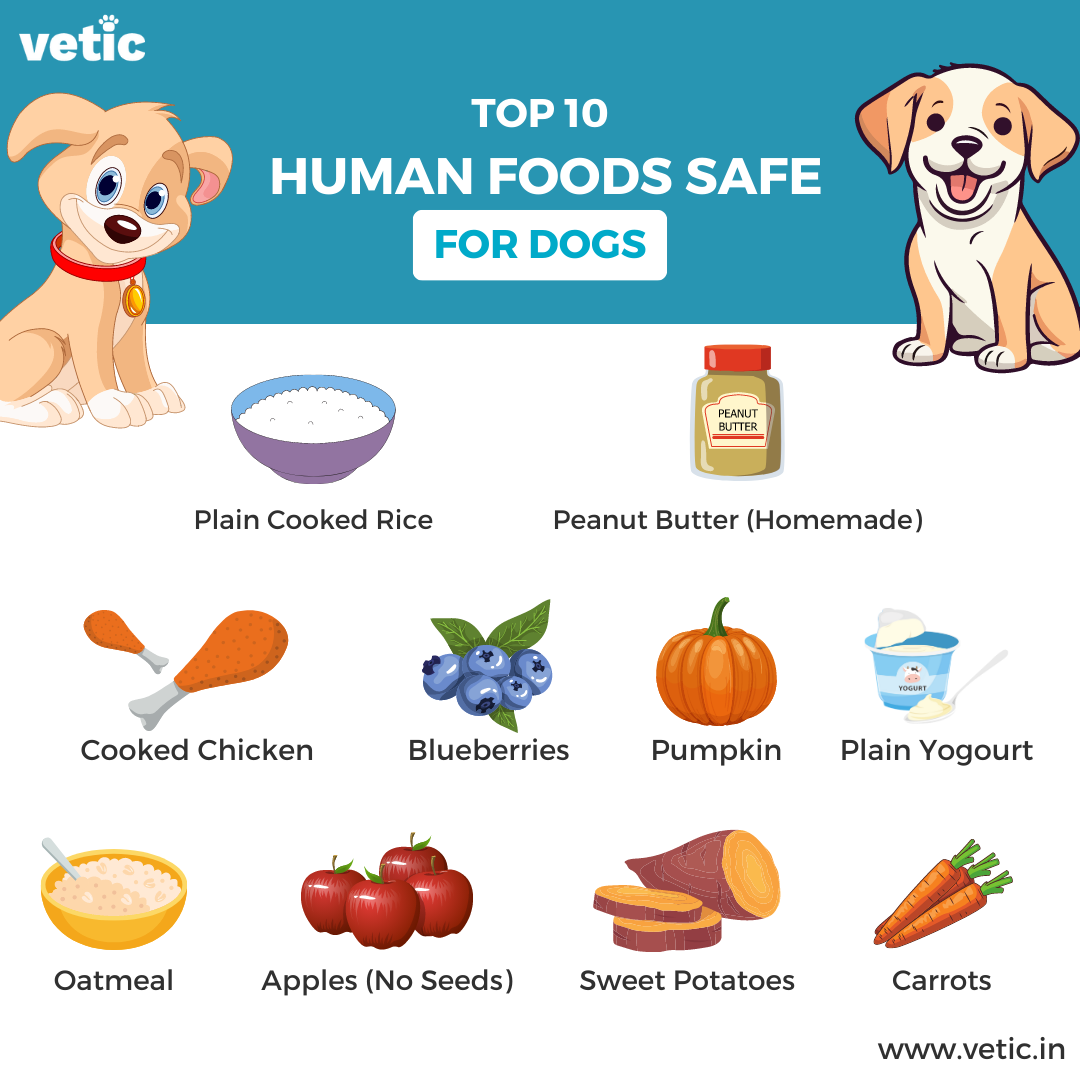
If you ask what human foods can dogs eat, start with this vet-approved list. Serve these plain, in small amounts, and cut to pea- or grape-sized pieces for small dogs.
Lean proteins
These add amino acids for muscle, skin, and coat. When I list what human foods can dogs eat for training, I start here.
- Chicken or turkey: Skinless, boneless, cooked. One to three tablespoons for small dogs.
- Lean beef or pork: Trim fat, cook well. Offer a few small cubes.
- Fish like salmon or white fish: Cooked, no bones, no skin for first tries. One to two tablespoons.
- Eggs: Cooked scrambled or hard-boiled. One egg for large dogs, half for small dogs.
- Tofu or tempeh: Plain and cooked. Start with one tablespoon to test tolerance.
Grains and starches
These are gentle on most stomachs and good for energy. For owners asking what human foods can dogs eat during tummy upsets, these help.
- White or brown rice: Plain, cooked. One to four tablespoons, based on size.
- Oatmeal: Plain, cooked in water. One to three tablespoons.
- Quinoa: Rinse, cook plain. One to two tablespoons.
- Whole wheat pasta: Plain, cooked. Offer a few noodles.
- Potatoes or sweet potatoes: Cooked, plain, peeled. One to three tablespoons.
Fruits
These add fiber and antioxidants. When folks ask what human foods can dogs eat for low-cal treats, fruit is a win.
- Blueberries, strawberries, raspberries: A small handful for large dogs, a few berries for small dogs.
- Apples: Seedless slices. One to four thin slices.
- Bananas: A few thin rounds. Watch sugar if overweight.
- Watermelon: Seedless, no rind. A few small cubes.
- Pears, peaches: Seedless, no pit. One to two thin slices.
Vegetables
Great for crunch and low calories. I use these in snuffle mats for fun feed time when mapping what human foods can dogs eat for enrichment.
- Carrots: Raw or cooked, sliced thin. A few sticks or coins.
- Green beans: Fresh or frozen, plain. A small handful.
- Cucumbers: Thin slices. A few rounds.
- Pumpkin: Plain, canned 100% pumpkin. One to three teaspoons can help stool.
- Broccoli and cauliflower: Lightly cooked. Offer a few small florets to reduce gas.
- Spinach, kale: Lightly cooked and chopped. One to two tablespoons.
Dairy, fats, and extras
Some dogs handle these fine. Others do not. Start small.
- Plain yogurt or kefir: Choose low sugar. One to two teaspoons for probiotics.
- Cottage cheese: Low-fat, plain. One to two teaspoons.
- Cheese: Low-fat and in tiny cubes. Great for pills.
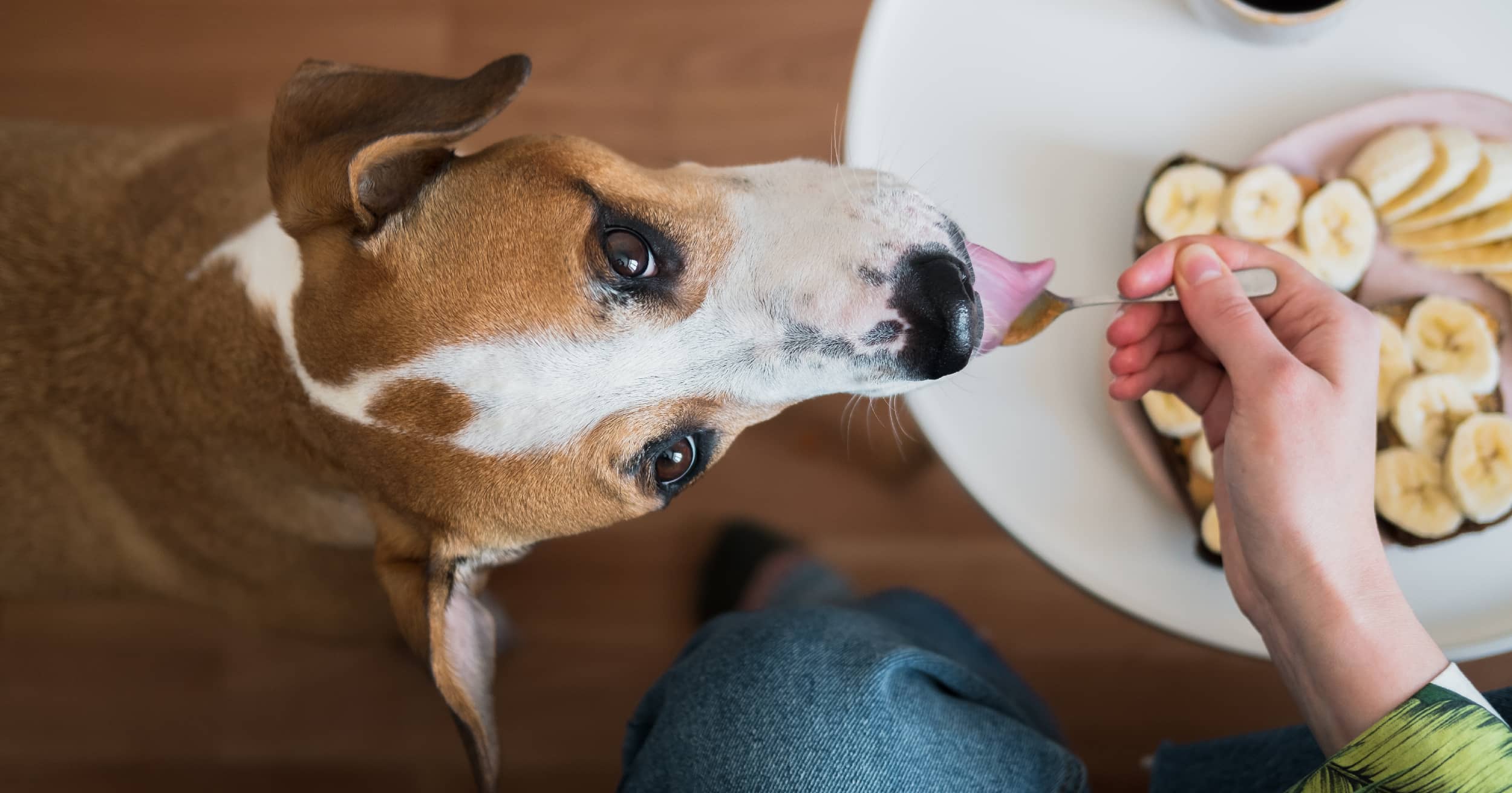
- Peanut butter: Xylitol-free only. One teaspoon for small dogs, one tablespoon for large.
- Olive oil or fish oil: A few drops can support coat. Ask your vet for dose.
Human Foods Dogs Should Never Eat
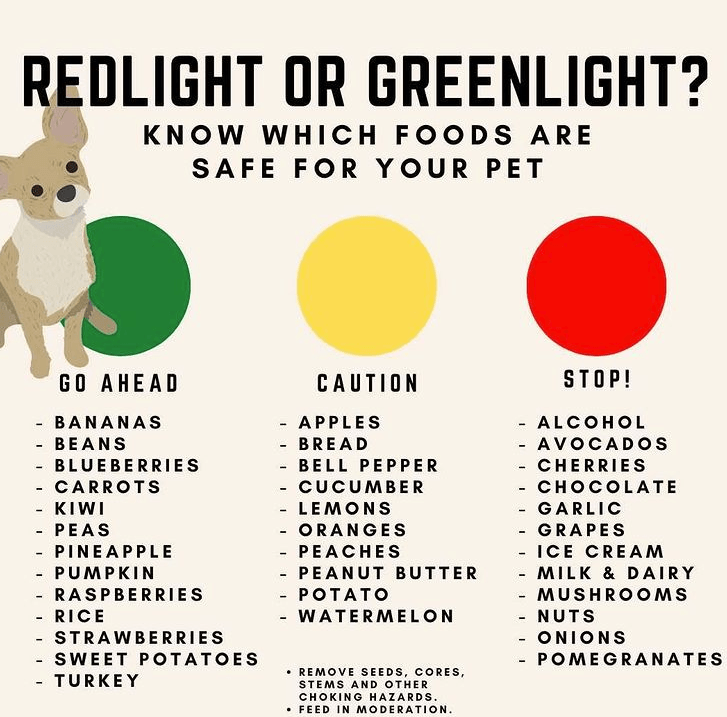
This is the hard line. If you only remember one part of what human foods can dogs eat, make it this do-not-feed list.
Toxic or risky items
- Grapes and raisins: Can cause kidney failure.
- Onions, garlic, chives, leeks: Damage red blood cells.
- Chocolate and cocoa: Theobromine harms the heart and nerves.
- Xylitol sweetener: In sugar-free gum, candy, peanut butter, and baked goods. Triggers insulin release and can cause liver failure.
- Macadamia nuts: Cause weakness, tremors, and high temperature.
- Alcohol and raw yeast dough: Cause alcohol poisoning and bloat.
- Caffeine: Coffee, tea, energy drinks, and pills are unsafe.
- Nutmeg: Can cause tremors and seizures.
- Avocado: Flesh may upset the gut; the pit is a choking hazard.
- Cooked bones: They splinter and can block or perforate the gut.
- High-fat scraps and skins: Risk of pancreatitis, even from a small binge meal.
- Excess salt or salty snacks: Risk of sodium ion poisoning and dehydration.
If your dog eats any of the above, call your vet or an emergency poison line at once. Early help saves lives.
Portions, Prep, and Smart Feeding Tips
Use the 90/10 rule. Food must be complete and balanced for dogs. Human snacks should be 10% of calories or less. For a 30-pound dog, that is about 100 calories in treats per day.
Prep with care. Wash produce. Cook meats to safe temps. Remove bones, pits, cores, and seeds. Slice small for safe chewing. Serve foods plain. This is a top rule when you plan what human foods can dogs eat.
Introduce one new food at a time. Wait 24 to 48 hours. Watch for loose stool, vomiting, itch, ear gunk, or gas. Stop and call your vet if signs are strong or last.
Try this simple snack plan:
- Monday: Carrot sticks and a spoon of plain pumpkin.
- Wednesday: A few blueberries and a bite of cooked chicken.
- Friday: Green beans and a half egg.
- Weekend hike: A few rice cubes and a tiny cheese cube for recall.
Training tip: Use tiny pieces. You want many reps, not many calories. A pea-size bite works for most dogs.
Benefits and Risks of Sharing Human Foods
Done right, human foods can add fiber, flavor, and fun. You can raise food drive for training. You can add omega-3s for skin. You can ease tummy days with rice and pumpkin. This is why pet parents ask what human foods can dogs eat so often.
But there are risks. Too much fat can inflame the pancreas. Too much salt strains the kidneys. Sugar feeds weight gain. Random add-ons can unbalance a diet over time. Veterinary nutrition standards and evidence show that complete dog food should stay the base. Human foods are extras, not the core.
Keep notes. Track what works and what does not. Share the list with your vet. That builds a safe plan that still feels generous.
:max_bytes(150000):strip_icc()/toxic-foods-for-dogs-744320e61e0742a7aadfa7a643917826.png)
Real-Life Lessons From the Bowl
I once helped a client with a beagle who loved table scraps. He had gained five pounds in a year. We built a list of what human foods can dogs eat and swapped bacon bits for green beans and apple slices. We kept peanut butter, but only a measured teaspoon in a puzzle toy. He lost the weight in three months and begged less at dinner.
My own dog got loose stools after broccoli. The fix was easy. I steamed it and cut the portion to one small floret. The gas stopped. The crunch and joy stayed. The big lesson: serve plain, start tiny, and watch your dog. They will tell you what works.
Frequently Asked Questions of what human foods can dogs eat
What human foods can dogs eat daily without harm?
Stick to low-cal fruits and veggies like carrots, green beans, and blueberries. Plain lean proteins in tiny amounts are fine, but keep the 90/10 rule.
Can dogs eat eggs, and how should I serve them?
Yes, cooked eggs are safe and rich in protein and choline. Serve scrambled or hard-boiled without salt or butter.
Is rice good for dogs with an upset stomach?
Plain white rice can help firm stool and is easy to digest. Offer small amounts with a bit of plain cooked chicken.
Can dogs have peanut butter?
Yes, if it is xylitol-free and given in small amounts. Use a teaspoon in a toy for small dogs and watch total calories.
Are bananas and apples safe for dogs?
Yes, both are safe in small slices. Remove apple seeds and avoid large portions due to natural sugar.
What human foods can dogs eat if they need more fiber?
Try pumpkin, green beans, carrots, or oatmeal. Add a teaspoon at a time and watch stool quality.
Can dogs drink milk or eat cheese?
Many dogs are lactose sensitive. If tolerated, choose small amounts of plain yogurt, kefir, or a tiny cheese cube.
Conclusion
You now have a clear map of what human foods can dogs eat, what to skip, and how to serve smart portions. Keep snacks plain, keep them small, and keep your dog’s main diet complete and balanced. Start with one safe food this week, track how your dog feels, and build a short list that works for you both.
Ready for more simple, dog-safe ideas? Subscribe for fresh guides, try a new healthy topper, and share your wins or questions in the comments.