Yes, dogs can eat olive oil in small amounts, but too much can upset their stomach.
If you have ever stared at your dog’s bowl and wondered whether a little olive oil could help their coat, digestion, or meal appeal, you are not alone. I’ve seen this question come up often in pet care conversations, and the answer is more nuanced than a simple yes or no. In this guide, I’ll walk you through when olive oil can be useful for dogs, when it can cause trouble, and how to use it safely in food.
What Olive Oil Is and Why Dog Owners Use It
Olive oil is a fat made from pressed olives. It is rich in monounsaturated fats and contains small amounts of antioxidants. People often use it in dog food to make meals more palatable or to support skin and coat health.
Can dogs eat olive oil in their food? Yes, but it should be treated like a supplement, not a main ingredient. A little can go a long way, and the right amount depends on your dog’s size, diet, and overall health.
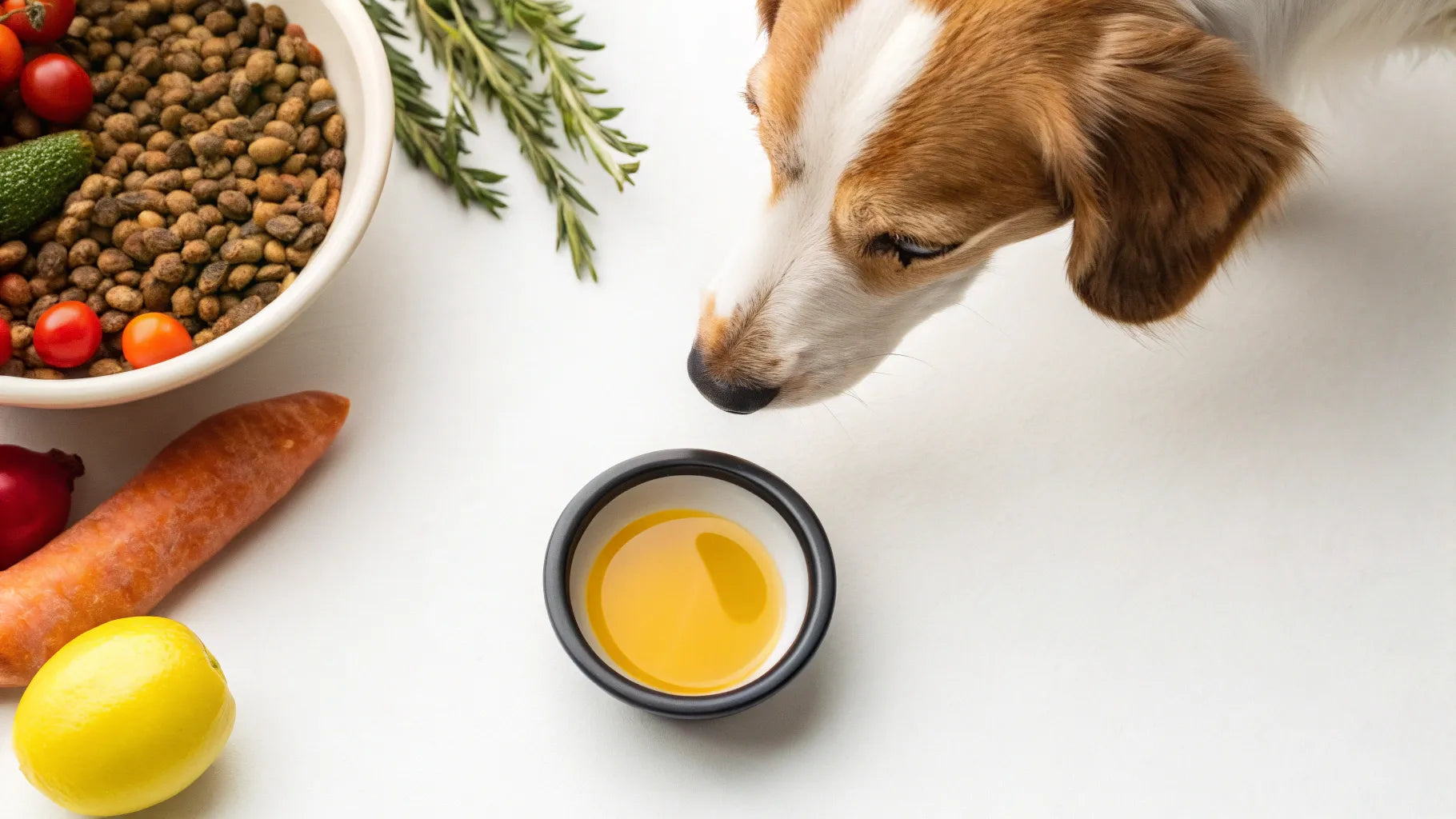
Can Dogs Eat Olive Oil in Their Food Safely?
Yes, most healthy dogs can eat olive oil in their food in small amounts. The key is moderation. Olive oil is calorie-dense, and too much fat can cause loose stools, weight gain, or even pancreatitis in sensitive dogs.
Can dogs eat olive oil in their food every day? Some dogs may tolerate it, but daily use is not always needed. If your dog already eats a balanced commercial diet, they may not need extra oil at all.
A good rule is to start very small and watch how your dog reacts. I’ve found that many dogs do best when olive oil is introduced slowly, just like any new food.
Potential Benefits of Olive Oil for Dogs
Olive oil can offer a few possible benefits when used correctly. These benefits are not magic, and they do not replace good nutrition, but they may help in some cases.
• Skin and coat support: Healthy fats can help keep a coat soft and shiny.
• Better taste: Some picky dogs eat more readily when a tiny amount is mixed in.
• Extra calories: Thin or underweight dogs may benefit from added calories, but only under vet guidance.
• Antioxidant support: Olive oil contains natural compounds that may support overall wellness.
Can dogs eat olive oil in their food for these benefits? Yes, but the effect is usually mild. Think of it like a small polish on a car, not a full repair.
Risks and Side Effects to Watch For
Even though olive oil is natural, it is still fat. Dogs that get too much may develop digestive upset or worse.
Common side effects can include:
• Diarrhea
• Vomiting
• Greasy stools
• Belly discomfort
• Weight gain over time
Dogs with a history of pancreatitis, obesity, or sensitive stomachs may be at higher risk. Can dogs eat olive oil in their food if they have these issues? Often, it is best to avoid it unless your vet says otherwise.
I once saw a dog owner add “just a splash” to every meal because their dog loved it. A week later, the dog had soft stools and was clearly uncomfortable. That small mistake is common, and it shows why even safe foods need careful dosing.
How Much Olive Oil Can Dogs Eat?
The amount should stay small. There is no universal dose for every dog, but a cautious starting point is best.
A simple approach:
• Small dogs: start with a few drops to 1/4 teaspoon
• Medium dogs: start with 1/4 to 1/2 teaspoon
• Large dogs: start with 1/2 to 1 teaspoon
These amounts should be mixed into food, not poured freely over meals. Can dogs eat olive oil in their food in larger amounts? That is where the risk goes up fast.
If your dog is new to olive oil, begin with the smallest amount and wait a few days before increasing. If you see loose stool, stop and reassess.
Best Types of Olive Oil for Dogs
Not all olive oils are the same. Extra virgin olive oil is often preferred because it is less processed and contains more natural compounds.
Here is what to look for:
• Extra virgin olive oil: Best choice for most dogs in small amounts
• Fresh oil: Old oil can taste off and may oxidize over time
• Plain oil: Avoid flavored oils with garlic, onion, chili, or herbs
Can dogs eat olive oil in their food if it is flavored? No, not if it contains ingredients that are unsafe for dogs. Garlic and onion, for example, are harmful.
How to Add Olive Oil to Dog Food
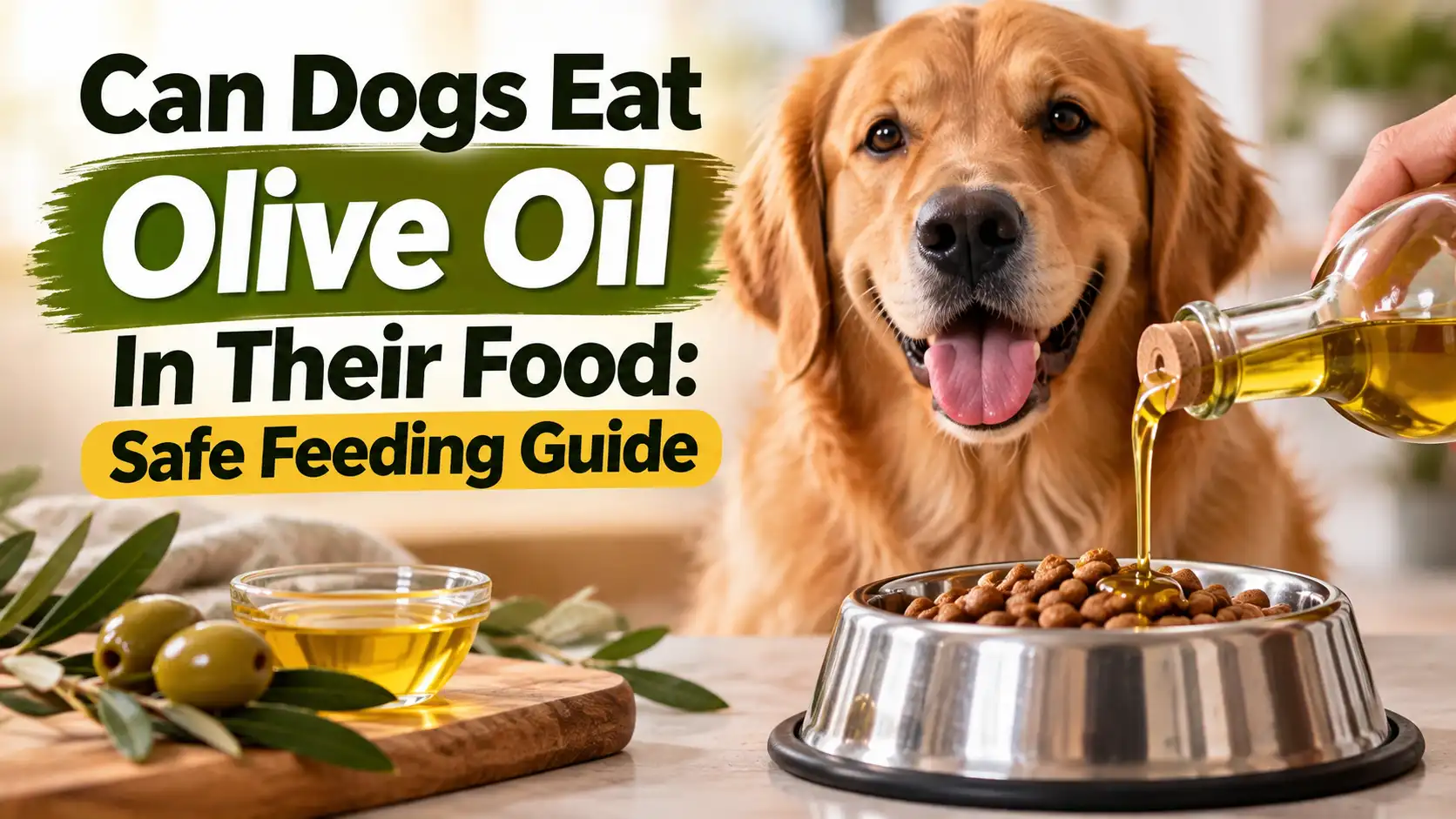
The safest method is to mix a very small amount into the dog’s normal meal. Do not replace balanced dog food with oil.
Try this simple method:
Measure a tiny amount.
Mix it well into the food.
Watch your dog’s stool and appetite.
Keep the amount steady if they tolerate it.
Can dogs eat olive oil in their food with kibble or wet food? Yes, both can work. Just make sure the oil is spread evenly so your dog does not get a greasy pocket in one bite.
When Olive Oil Is Not a Good Idea
Olive oil is not right for every dog. Some dogs do better without it, even in small amounts.
Avoid or ask your vet first if your dog has:
• Pancreatitis
• Chronic diarrhea
• Obesity
• Liver disease
• A fat-sensitive digestive system
Can dogs eat olive oil in their food if they are already on a rich diet? Usually, extra fat is unnecessary and may be harmful. More is not better here.
Olive Oil vs Other Fats for Dogs
Dog owners sometimes compare olive oil with fish oil, coconut oil, or flaxseed oil. Each has a different use.
• Olive oil: Mostly used for taste, calories, and mild fat support
• Fish oil: Often used for omega 3 fatty acids and skin support
• Coconut oil: Popular, but still high in fat and not always better tolerated
• Flaxseed oil: Plant-based, but not the same as fish-based omega 3s
Can dogs eat olive oil in their food instead of other oils? Yes, but olive oil is not always the best choice for a specific health goal. If you want support for skin inflammation, a vet may suggest a different oil.
Practical Tips from Real-World Use
Over time, I’ve learned that the best results come from keeping things simple. Dog owners often try to fix a dry coat, picky eating, or mild constipation with one ingredient, but nutrition works best in context.
Helpful tips:
• Start low and go slow
• Use only plain, good-quality olive oil
• Stop if stools become soft
• Do not use it as a cure-all
• Ask your vet if your dog has health problems
Can dogs eat olive oil in their food safely when you follow these steps? Usually, yes. The trick is being careful and paying attention to your dog’s response.
Signs Your Dog May Not Tolerate Olive Oil
Your dog may not do well with olive oil if you notice:
• Loose stool
• Gas
• Vomiting
• Reduced appetite
• Acting tired or uncomfortable
If these signs show up, stop giving olive oil and monitor your dog. Can dogs eat olive oil in their food after showing these signs? Not until you know whether the oil was the cause.
Frequently Asked Questions of Can dogs eat olive oil in their food
Can dogs eat olive oil in their food every day?
Yes, some dogs can tolerate a small amount daily, but it is not always necessary. If your dog already eats a complete diet, extra oil may add calories without much benefit.
Can dogs eat olive oil in their food for constipation?
A small amount may help some dogs pass stool more easily, but it is not a guaranteed fix. If constipation lasts more than a day or two, contact your vet.
Can puppies eat olive oil in their food?
Puppies can be more sensitive to diet changes, so it is best to be cautious. Ask your vet before giving olive oil to a puppy, especially if the puppy has a sensitive stomach.
Can dogs eat olive oil in their food if they have a sensitive stomach?
Sometimes, but many sensitive dogs do better without added fat. Start with a tiny amount only if your vet agrees, and stop if digestion gets worse.
Can dogs eat olive oil in their food instead of fish oil?
Not usually if your goal is omega 3 support. Olive oil and fish oil are different, and fish oil is generally better for EPA and DHA benefits.
Can dogs eat olive oil in their food with kibble?
Yes, olive oil can be mixed with kibble in a small amount. Just be sure to coat the food lightly so it is not overly greasy.
Conclusion
Can dogs eat olive oil in their food? Yes, in small amounts, and only when it fits your dog’s health needs. It may offer mild benefits like better taste, a shinier coat, and a little extra energy, but too much can lead to stomach upset or weight gain.
The safest approach is to start small, watch for changes, and avoid flavored oils or overuse. If your dog has any health concerns, your vet should guide the choice. If you want more practical pet nutrition tips like this, keep learning, stay observant, and always make food choices with your dog’s long-term health in mind.