Yes, your dog can eat only wet food if it is complete and nutritionally balanced.
If you are asking, “Can my dog eat only wet food?” the answer depends on the food, your dog’s age, health, teeth, and daily calorie needs. Wet food can be a healthy sole diet, but it must provide complete nutrition and be served in the right amount. This guide explains the benefits, risks, feeding tips, and signs that your dog may need a diet review.
Can my dog eat only wet food safely?
Yes, many dogs can eat only wet food safely for life. The key is choosing a product labeled “complete and balanced” for your dog’s life stage. This statement means the food meets established nutrient standards for dogs.
When asking, “Can my dog eat only wet food?” remember that wet food is not automatically complete. Some cans and pouches are made only for supplemental feeding, treats, or mixing with dry food. These products may lack key nutrients if fed as the main diet.
Look for these details on the package:
• “Complete and balanced” nutritional wording
• The correct life stage, such as puppy, adult, or senior
• Feeding directions based on your dog’s weight
• Calorie information, when available
• A clear ingredient list and manufacturer contact details
A diet that is complete and balanced should provide protein, fat, vitamins, minerals, and essential fatty acids. Your dog also needs the right balance of calcium and phosphorus, especially during growth.
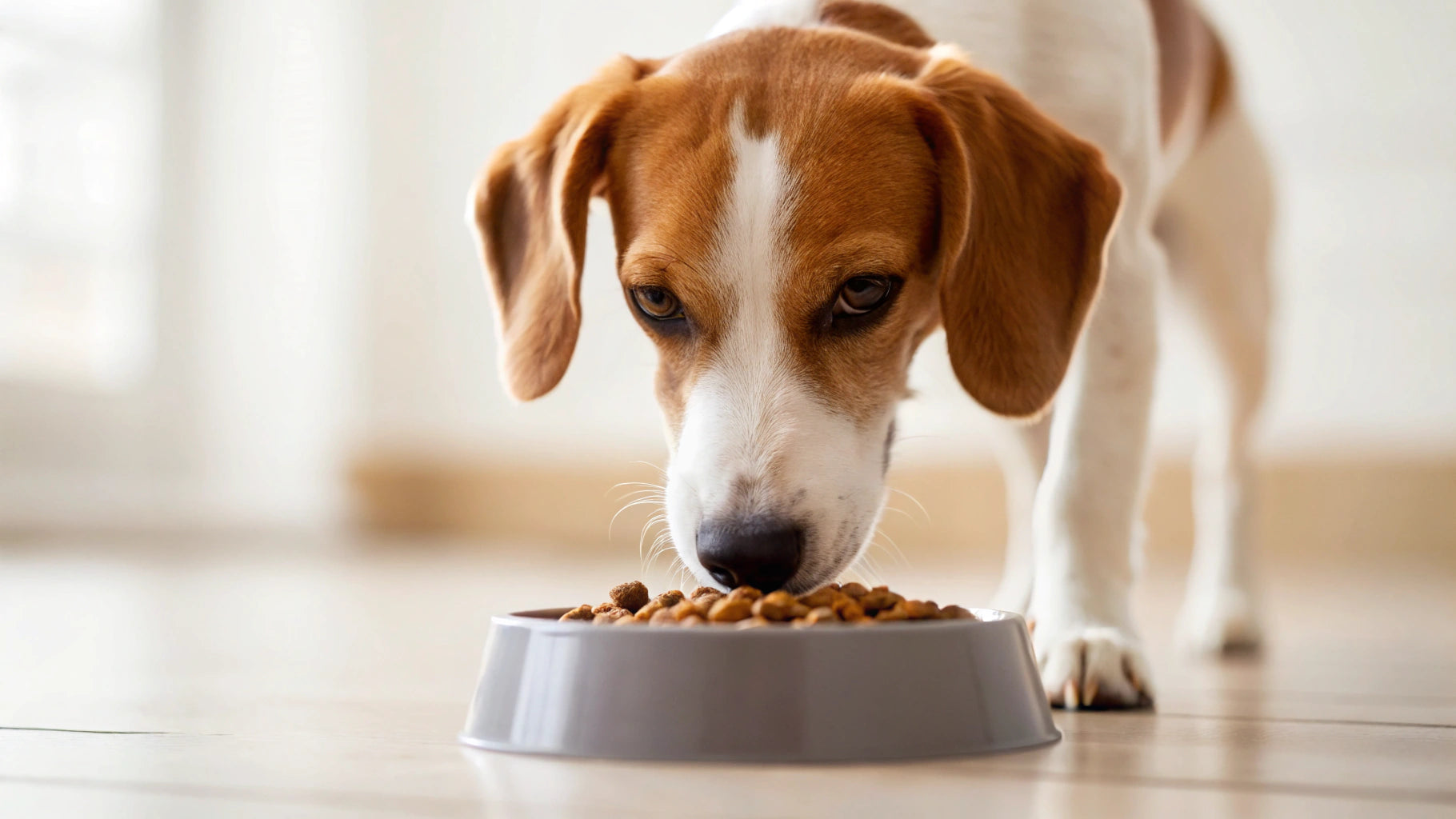
Benefits of feeding your dog only wet food
Wet food has several useful qualities. It contains much more water than dry kibble, which may help dogs that do not drink enough. It also has a soft texture and a strong smell, so many picky eaters find it more appealing.
For some dogs, wet food can make meals easier and more enjoyable. It may help older dogs with sore mouths, missing teeth, or reduced chewing strength. However, soft food does not treat dental disease, and a dog with mouth pain still needs a veterinary exam.
When considering, “Can my dog eat only wet food?” these benefits may support a wet-only plan:
• Higher moisture content may support daily fluid intake
• Soft texture can help dogs with chewing problems
• Strong aroma may encourage dogs with poor appetite
• Portions can be measured with reasonable accuracy
• It may be easier to hide prescribed medicine in some foods
Wet food can also be useful during recovery from illness. A veterinarian may recommend it for a dog with a temporary appetite problem or difficulty chewing. The right choice depends on the medical condition, since some diseases require specific prescription diets.

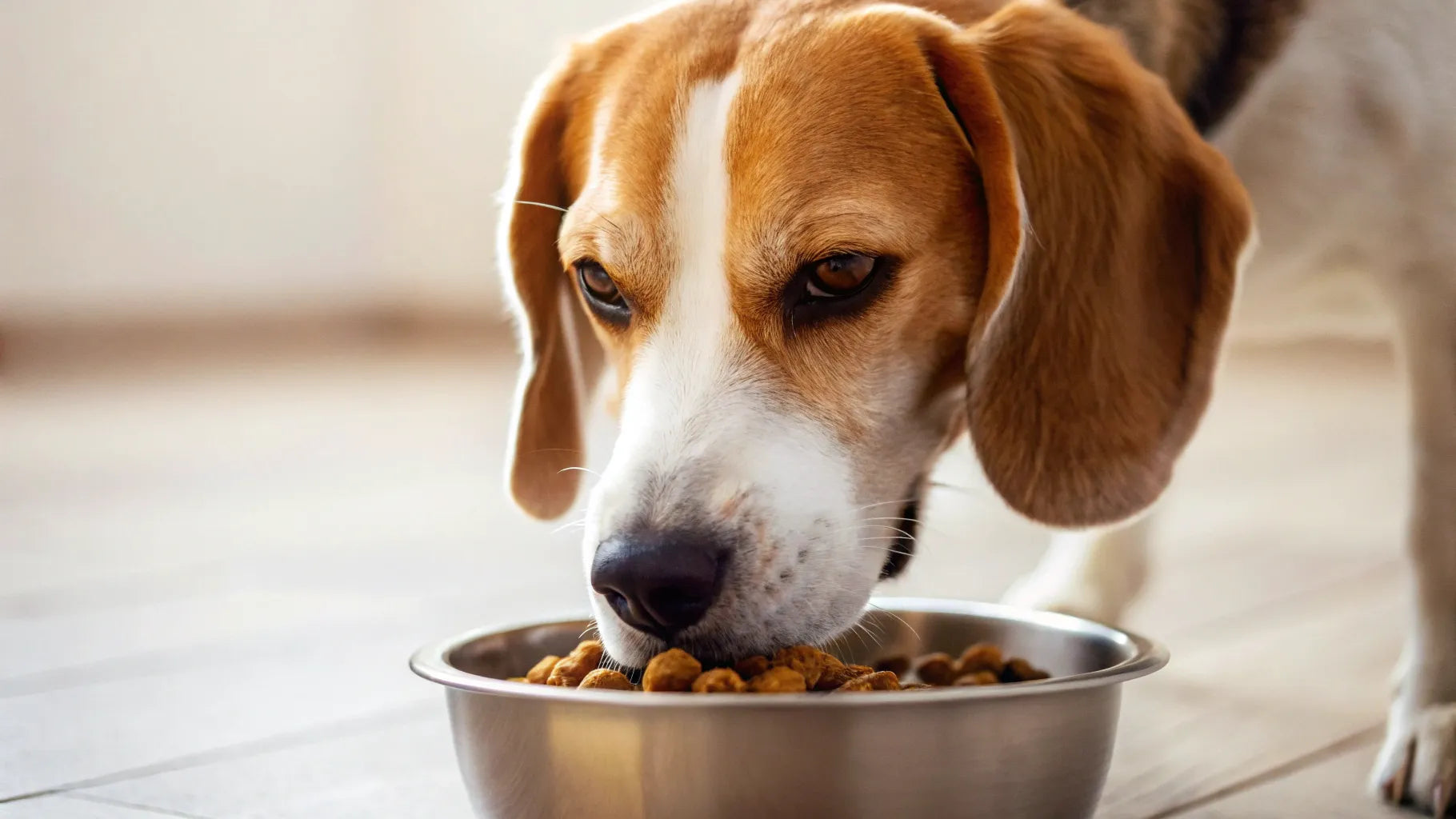
possible drawbacks of an all-wet-food diet
Wet food is not perfect for every dog. Its high water content means it usually contains fewer calories per ounce than dry food. Your dog may need a larger volume of food to meet daily energy needs.
Wet food can also cost more over time. Open cans must be covered and refrigerated, and unused portions should not sit at room temperature for long. Spoiled food can cause vomiting, diarrhea, or food poisoning.
Other possible concerns include:
• Easier overfeeding if portions are not measured
• More waste when cans are larger than one meal
• Strong food odors that some owners dislike
• Less scraping action against the teeth than some dry foods provide
• Increased risk of weight gain when rich foods are fed freely
It is important to understand that dry kibble does not automatically clean a dog’s teeth. Most dogs swallow kibble with little chewing, and ordinary dry food is not a substitute for brushing or professional dental care.
So, can my dog eat only wet food without dental problems? Possibly, but dental care must come from tooth brushing, veterinary checks, and products proven to support oral health. Ask your veterinarian which options are safe for your dog.
 possible drawbacks of an all-wet-food diet”
style=”max-width: 100%; height: auto; border: 2px solid black; border-radius: 10px; display: block; margin: 0 auto;”
loading=”lazy”
/>
How to choose the right wet dog food
The best wet food is one that matches your dog’s age, size, health, and activity level. A growing puppy needs different nutrient levels than an adult dog. Large-breed puppies may also need carefully controlled calcium and energy levels.
Read the label before you buy. Do not judge food quality by marketing words alone. Terms such as “natural,” “premium,” or “holistic” do not prove that a food is nutritionally complete.
Use this simple checklist:
Confirm that the food is complete and balanced.
Choose the correct life-stage formula.
Check whether it is designed for adult maintenance, growth, or all life stages.
Review the calorie content and feeding guide.
Consider your dog’s allergies, medical needs, and taste preferences.
Buy from a company that provides clear contact information and nutrition details.
If your dog has kidney disease, diabetes, pancreatitis, urinary problems, food allergies, or another long-term condition, ask your veterinarian before changing diets. A general wet food may not meet the special nutrient needs of a dog with disease.
A useful lesson from real-world feeding cases is that dogs often do well when owners focus less on trendy ingredients and more on nutrition, portions, and medical fit. A simple food that meets the right standard can be a better choice than an expensive food with unclear nutritional information.
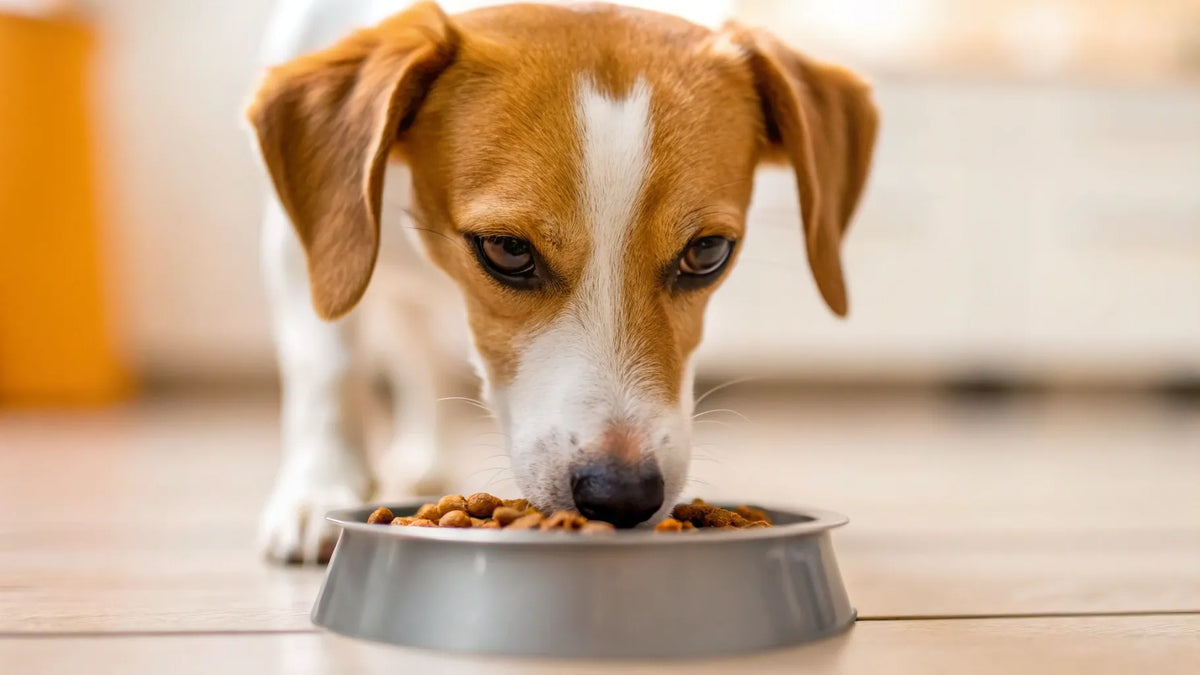
How much wet food should your dog eat?
Feeding amounts vary by body weight, age, activity, metabolism, and calorie density. Two cans of different brands may contain very different amounts of energy. That is why “one can per day” is not a complete feeding plan.
Start with the package guide, then adjust based on your dog’s body condition. You should be able to feel the ribs with light pressure, but the ribs should not be sharply visible in most healthy adult dogs. Your dog should also have a visible waist when viewed from above.
Follow these practical steps:
• Find your dog’s current weight.
• Check the food’s calorie content and feeding guide.
• Divide the daily amount into two or more meals.
• Measure each portion instead of feeding by eye.
• Watch weight and body shape every two to four weeks.
• Reduce treats if your dog gains weight.
Treats, table scraps, and food used for medication count toward daily calories. As a general rule, treats should make up no more than about 10% of daily calories unless your veterinarian advises otherwise.
Can my dog eat only wet food and still lose weight? Yes, weight loss depends on total calorie intake, not whether food is wet or dry. A veterinarian should guide weight loss in dogs with obesity, diabetes, or other health concerns.
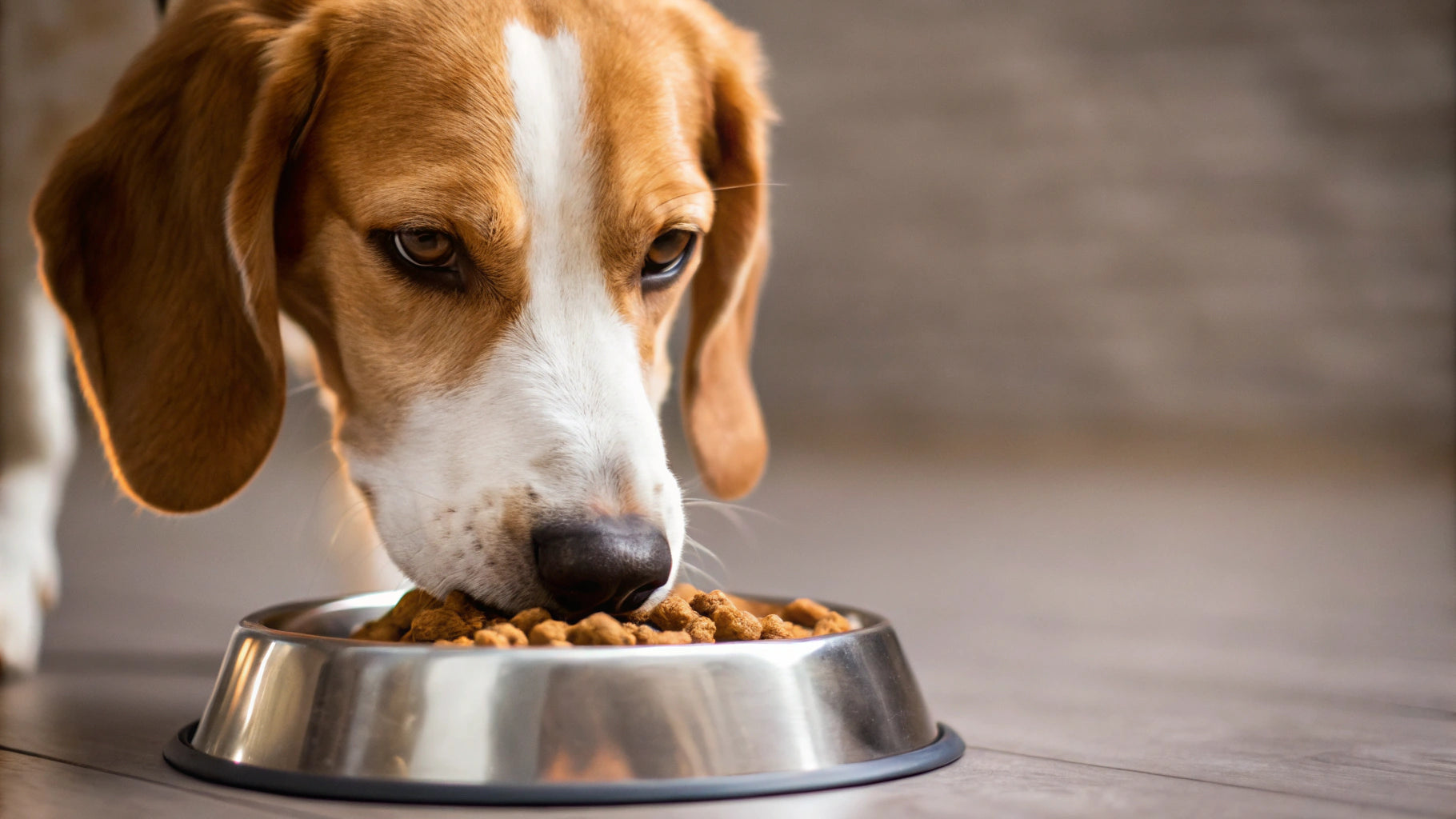
Can wet food cause diarrhea or stomach upset?
Wet food does not normally cause diarrhea when it is fresh, appropriate, and introduced slowly. Sudden diet changes can upset the digestive system, even when the new food is high quality.
Switch foods over about seven days. Start with a small amount of the new food mixed with the old food. Increase the new food gradually while reducing the old food.
A simple transition may look like this:
• Days 1 and 2: About 25% new food and 75% old food
• Days 3 and 4: About 50% new food and 50% old food
• Days 5 and 6: About 75% new food and 25% old food
• Day 7: 100% new food, if stools remain normal
Some dogs need a slower change. Stop and contact your veterinarian if your dog has repeated vomiting, bloody diarrhea, severe weakness, belly pain, or signs of dehydration.
Store unopened cans in a cool, dry place. Refrigerate opened wet food in a sealed container and follow the package storage instructions. When in doubt, throw it out. A spoiled meal is not worth the risk.
Wet food for puppies, senior dogs, and dogs with health problems
Puppies can eat wet food as their only diet if it is complete and balanced for growth. Puppy food should provide enough energy and the right nutrients for development. Adult maintenance food may not meet a puppy’s needs.
Senior dogs may benefit from wet food if they have dental pain or reduced appetite. However, “senior” is not a regulated life stage in the same way as puppy or adult food. Check the nutrient profile and ask your veterinarian if your dog has age-related disease.
Dogs with medical conditions need special care. A prescription wet diet may help manage certain illnesses, but it should be selected with veterinary guidance.
Can my dog eat only wet food when sick? Sometimes, but the answer depends on the illness. A dog with pancreatitis, kidney disease, or severe digestive problems may need a specific veterinary diet rather than ordinary canned food.
Watch for these warning signs:
• Ongoing loss of appetite
• Weight loss or rapid weight gain
• Frequent vomiting or diarrhea
• Excessive thirst or urination
• Trouble chewing or swallowing
• Low energy or unusual behavior
• Changes in stool that last more than a day or two
These signs may point to a health problem rather than a simple food preference.
How to switch your dog to only wet food
A gradual transition is usually gentler than changing meals overnight. This matters even if your dog seems excited about the new food. A happy first meal does not guarantee a calm digestive response.
Before switching, compare the calorie content of the old and new diets. Wet food often has a different calorie density, so the serving size may change. Your dog may need more food by volume, but not necessarily more calories.
Use this process:
Choose a complete and balanced wet food.
Feed a small amount beside the current food.
Increase the wet food over several days.
Keep meal times consistent.
Monitor stool, appetite, energy, and weight.
Adjust portions after watching body condition.
Some dogs prefer warm-smelling food. You can serve wet food at room temperature or warm it slightly, but never make it hot. Avoid adding onions, garlic, salty gravy, cooked bones, or fatty leftovers.
When people ask, “Can my dog eat only wet food?” I often point out that consistency matters as much as the food itself. A measured meal at a regular time makes it easier to spot changes and prevent accidental overfeeding.
Wet food and dental health
A wet-only diet is not automatically harmful to teeth, but it does not provide much mechanical chewing. Plaque can build up on any dog’s teeth, regardless of whether the dog eats wet food, dry food, or both.
Daily tooth brushing with dog-safe toothpaste is one of the most useful home habits. Never use human toothpaste because some products contain ingredients that can harm dogs.
A dental care plan may include:
• Daily or frequent tooth brushing
• Veterinary dental checks
• Professional cleaning when recommended
• Safe dental products approved by veterinary dental experts
• Regular checks for bad breath, red gums, loose teeth, or pain
Dry food may be part of some dental diets, but ordinary kibble should not be treated as a dental cleaning tool. If your dog refuses food, drops food, paws at the mouth, or chews on one side, arrange a veterinary visit.
Can my dog eat only wet food and keep healthy teeth? Yes, but only with active dental care. Food texture alone cannot replace brushing and professional assessment.
Is mixing wet and dry food better?
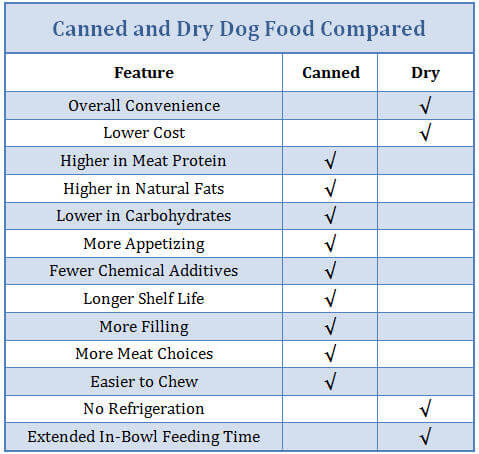
Mixing wet and dry food is optional. Some owners like the lower cost and convenience of kibble, while the dog enjoys the taste and moisture of canned food. Others choose wet food only because their dog cannot chew well or refuses dry food.
Both diets can work when the total daily food is complete and balanced. The main risk with mixed feeding is overfeeding. Measure the wet and dry portions together, and reduce each amount to account for the other.
Mixed feeding may be helpful when:
• Your dog enjoys variety
• You want to increase moisture intake
• You need to manage food costs
• Your dog accepts medicine in wet food
• You are slowly changing from one diet to another
There is no rule that every dog must eat kibble. Can my dog eat only wet food? Yes, if the diet supports good nutrition, healthy weight, normal digestion, and your dog’s specific needs.
Frequently asked questions: Can my dog eat only wet food
Can a dog eat wet food every day?
Yes, a dog can eat wet food every day when it is complete and balanced for the dog’s life stage. Measure portions carefully and monitor body weight.
Is wet food better than dry food for dogs?
Neither is always better. Wet food provides more moisture and may be easier to eat, while dry food is often cheaper and simpler to store.
Can wet food cause dogs to gain weight?
Yes, it can if your dog eats too many calories. Use the feeding guide as a starting point, measure meals, and adjust portions based on body condition.
Can puppies eat only wet food?
Yes, but the food must be labeled complete and balanced for growth or all life stages. Ask your veterinarian for guidance on large-breed puppy nutrition.
Should I add water to wet dog food?
You may add a small amount of clean water if your dog likes it. However, wet food already contains substantial moisture, so extra water is not always needed.
How long can wet dog food sit out?
Follow the package directions, but perishable wet food should not sit out for extended periods. Refrigerate leftovers promptly and discard food that looks or smells spoiled.
Can my dog eat only wet food with no kibble?
Yes, kibble is not required for every dog. A complete and balanced wet diet can provide all needed nutrients when portions and health needs are managed correctly.
Conclusion
Can my dog eat only wet food? Yes, in many cases, but the food must be complete and balanced, suitable for your dog’s life stage, and served in the right amount. Wet food can support hydration, appetite, and easy chewing, yet it may cost more and requires careful storage and dental care.
Change diets slowly, track your dog’s weight, and seek veterinary advice for puppies, senior dogs, and dogs with health problems. Choose nutrition and medical fit over flashy packaging, then review your dog’s condition as needs change. If this guide helped, share your experience or explore more evidence-based dog nutrition resources.