Most dogs eat dry food willingly when it is introduced slowly, made appealing, and matched to their health needs.
If you are wondering, “How can I get my dog to eat dry food?” the answer is rarely to simply leave the bowl down and hope for the best. Food refusal may come from habit, stress, dental pain, nausea, food quality, or too many treats. This guide explains safe, practical steps that veterinary professionals often recommend, along with common mistakes to avoid.
Why Your Dog May Not Eat Dry Food
Dogs can refuse dry food for many reasons. Some are harmless, while others need medical care. Understanding the cause is the first step in learning how to get your dog to eat dry food.
A dog that eats wet food, table scraps, or treats may hold out for a better option. Dogs learn quickly. If refusing kibble leads to chicken, cheese, or a tasty snack, your dog may repeat the behavior.
Dry food may also seem less appealing because it has a firm texture and a lower smell than canned food. Dogs rely heavily on scent when choosing food. Old kibble, poor storage, or a sudden change in recipe can make the meal less attractive.
Other possible causes include:
• Dental pain, broken teeth, gum disease, or mouth sores
• Upset stomach, nausea, constipation, or diarrhea
• Stress caused by travel, guests, noise, or a new pet
• Anxiety around the food bowl or feeding area
• A food allergy or intolerance
• A medical condition such as kidney disease, diabetes, or liver disease
• A change in appetite due to age, medication, or heat
If your dog refuses all food, seems weak, vomits, has diarrhea, loses weight, or drinks much more water than usual, contact a veterinarian. Puppies, senior dogs, and dogs with health problems may become dehydrated or ill faster than healthy adult dogs.
Check Your Dog’s Health First
Before trying tricks to improve kibble intake, look at your dog’s overall health. A healthy dog may skip one meal, but ongoing appetite loss deserves attention.
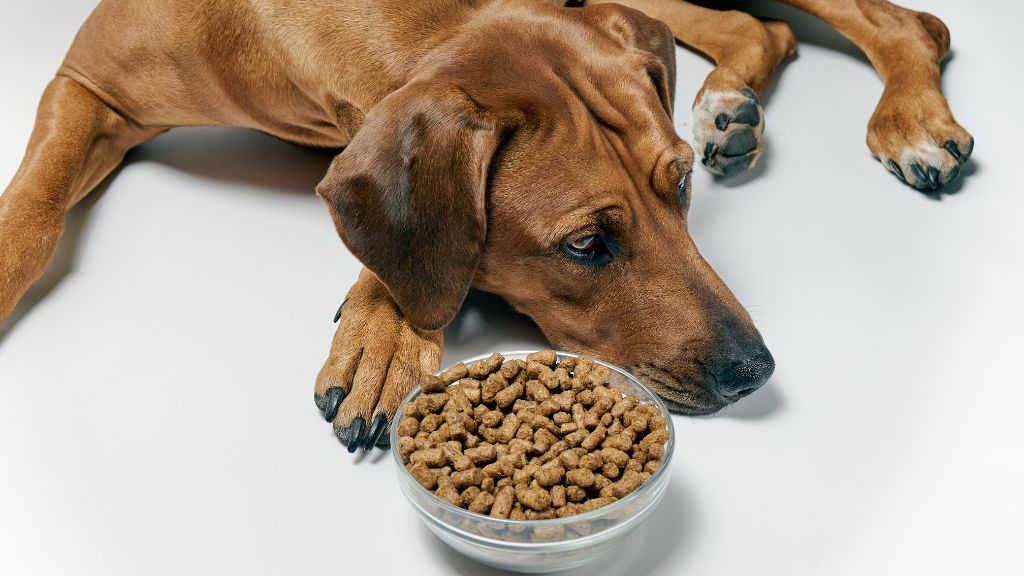
Watch your dog while it chews. Does it drop food from its mouth? Does it chew on one side? Does it paw at its mouth or avoid hard treats? These signs can point to dental pain, which is a common reason dogs stop eating dry food.
A veterinary check is especially important when appetite loss lasts more than 24 hours. Seek help sooner if your dog is very young, elderly, pregnant, diabetic, or has a known illness.
Your veterinarian may examine the teeth, gums, abdomen, hydration level, and body weight. Blood tests or imaging may be suggested if the symptoms point to a deeper problem. No feeding method can fix pain or illness, so health comes before training.

Make the Switch to Dry Food Slowly
A sudden food change can cause stomach upset and food refusal. Most dogs do better with a gradual transition over seven to ten days.
Try this basic plan:
Days 1 and 2: Serve about 25% new dry food and 75% current food.
Days 3 and 4: Use about 50% new food and 50% current food.
Days 5 and 6: Serve about 75% new food and 25% current food.
Day 7 or later: Offer 100% new dry food if your dog has normal stools and a good appetite.
Some dogs need two weeks or more. Move more slowly if your dog has a sensitive stomach, a history of pancreatitis, or a prescription diet.
If your dog develops repeated vomiting, severe diarrhea, blood in the stool, or marked tiredness, stop the transition and call your veterinarian. A slow change is helpful, but it is not a substitute for medical care.

Improve the Taste and Smell of Kibble
If you are asking how can i get my dog to eat dry food, start by making the food smell stronger. Warm smells are often more inviting than cold ones.
You can add a small amount of warm water to the kibble. Let it sit for five to ten minutes so the pieces soften and release more scent. This may also help dogs with sore teeth, although dental pain still needs treatment.
Other safe options may include:
• A spoonful of complete and balanced canned dog food
• A small amount of plain, cooked chicken with no bones, skin, salt, or seasoning
• Low sodium broth with no onion, garlic, or added spices
• A veterinary-approved food topper
Use toppers in small amounts. They should not replace most of the meal unless your veterinarian has designed a balanced home-cooked diet. Too many extras can add calories, upset the stomach, or teach your dog to reject plain food.
Avoid onions, garlic, grapes, raisins, chocolate, xylitol, macadamia nuts, cooked bones, and foods rich in fat. These can be dangerous for dogs.
:max_bytes(150000):strip_icc()/dogs-eating-from-food-bowls-2000-ea59444e6a984d51a394514750f4b0eb.jpg)
Create a Calm Feeding Routine
Dogs often eat better when meals follow a clear routine. Feed at the same times each day, and choose a quiet place away from foot traffic, loud appliances, and other pets.
Place the bowl down for 15 to 30 minutes. If your dog does not eat, remove the bowl without scolding. Offer the next meal at the usual time.
This method works best for healthy adult dogs. It may not suit puppies, underweight dogs, dogs with diabetes, or dogs on special medical diets. Ask your veterinarian before limiting meal access for these dogs.
Keep treats controlled. Treats should generally provide no more than about 10% of daily calories. Measure them from your dog’s daily food allowance when possible.
A predictable routine teaches your dog that food will return. It also prevents grazing all day, which can reduce hunger at mealtime.
Choose the Right Dry Food
Not every dry food works for every dog. The best choice depends on your dog’s age, size, activity level, medical needs, and personal taste.
Look for a food labeled complete and balanced for your dog’s life stage. In the United States, this usually means the diet meets established nutritional standards for growth, adult maintenance, or all life stages.
Consider these factors:
• Small kibble for toy breeds or dogs with small mouths
• Larger or specially shaped kibble for some larger dogs
• A puppy formula for growing puppies
• A senior or weight-control formula when advised by a veterinarian
• A prescription diet for diagnosed health problems
• A recipe that avoids known ingredients your dog cannot tolerate
Marketing terms such as “premium,” “natural,” or “holistic” do not always tell you whether the food is right for your dog. Focus on nutritional adequacy, safe manufacturing, ingredient quality, and your veterinarian’s advice.
Changing foods again and again can make the problem worse. Choose a suitable option and give your dog time to adjust unless the food causes clear problems.
Use Positive Training Instead of Pressure
Pressure can turn mealtime into a battle. Never force food into your dog’s mouth, punish refusal, or chase your dog with the bowl. These actions can increase fear and make food avoidance stronger.
Instead, reward small steps. You might place one piece of kibble near your dog, allow it to sniff, and offer calm praise. Once your dog eats it, repeat the process. You can also use part of the daily kibble portion as training rewards.
Food puzzles and slow feeders may make dry food more interesting. Scatter a few pieces on a clean floor or place them in a puzzle toy, as long as your dog is supervised and the area is safe.
One useful lesson from helping families with picky eaters is that consistency matters more than clever tricks. When one person offers kibble but another gives bacon under the table, the dog receives mixed signals. Everyone in the home should follow the same plan.
Know When to Use Wet Food or a Mixed Diet
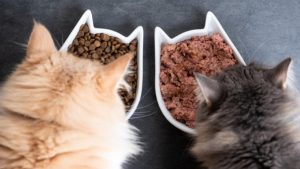
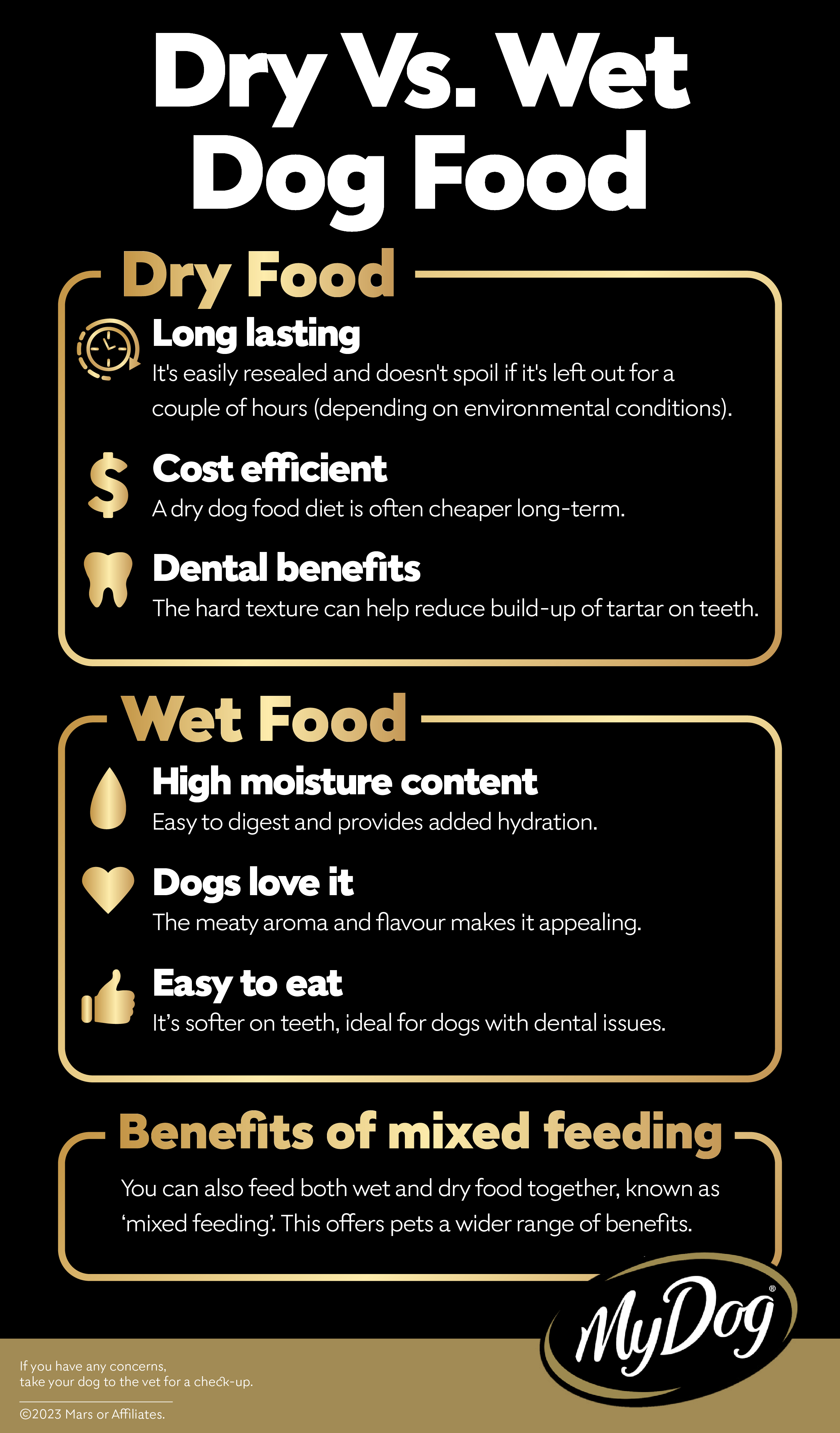
Your dog does not have to eat only dry food to be healthy. Many dogs do well with a combination of dry and wet food. Wet food can improve smell, moisture intake, and palatability.
A mixed diet may help dogs with:
• Poor appetite
• Dental discomfort, after veterinary care
• Older age
• Low water intake
• Recovery from illness
However, wet food often contains more calories per ounce than it appears to contain. Adjust the total daily amount so your dog does not gain excess weight.
If you mix foods, use products that are complete and balanced unless a veterinarian tells you otherwise. A small amount of topper is different from replacing a balanced meal with meat, rice, or leftovers.
For dogs with kidney disease, urinary problems, food allergies, or pancreatitis, ask your veterinarian before adding anything new.
Common Mistakes That Can Make Kibble Refusal Worse
Many owners try to help but accidentally reward food refusal. These mistakes are common and easy to fix.
• Offering several different foods at every meal: This can teach your dog to wait for a preferred option.
• Adding large amounts of treats: Treats may reduce hunger and create an unbalanced diet.
• Changing food too quickly: Sudden changes may cause gas, loose stools, or nausea.
• Leaving food out all day: Free feeding makes appetite harder to track.
• Ignoring dental signs: A dog with oral pain may need treatment, not a new flavor.
• Feeding from the table: Human food can encourage begging and picky eating.
• Focusing only on ingredients: A food may look appealing on paper but still fail to meet your dog’s needs.
If your dog has eaten poorly for several days, do not keep experimenting without professional guidance. Weight loss and poor nutrition can become serious, especially in small dogs.
A Simple Seven-Day Plan
A clear plan can make it easier to learn how can i get my dog to eat dry food without creating stress.
Day 1: Confirm that your dog is healthy enough for a feeding routine. Check the food’s freshness and expiration date.
Day 2: Feed in a quiet place at a set time. Offer the regular meal for 15 to 30 minutes.
Day 3: Add a little warm water or a small amount of approved topper.
Day 4: Use some kibble for gentle training or a food puzzle.
Day 5: Reduce treats and stop table scraps.
Day 6: Keep the same food, timing, bowl, and location. Avoid constant changes.
Day 7: Review your dog’s appetite, stool, energy, and weight. Contact your veterinarian if the problem continues or any warning signs appear.
This approach is not a race. Some dogs accept dry food within a day, while others need several weeks. Patience is part of the solution.
How Long Can a Dog Go Without Eating?
A healthy adult dog may skip one meal, but that does not mean a prolonged fast is safe. A dog that refuses food for 24 hours should usually be discussed with a veterinarian, especially if other symptoms are present.
Puppies, toy breeds, senior dogs, and dogs with medical conditions need faster attention. They may develop low blood sugar, dehydration, or weakness more quickly.
Do not force-feed your dog unless a veterinarian has shown you how to do it safely. Force-feeding can cause choking or aspiration, which happens when food enters the airway.
Monitor more than the food bowl. Check water intake, energy, stool, vomiting, breathing, gum color, and body weight. These details can help your veterinarian understand what is happening.
Frequently Asked Questions About How Can I Get My Dog to Eat Dry Food
Why is my dog suddenly refusing dry food?
Sudden refusal may be caused by dental pain, nausea, stress, illness, spoiled food, or a recent diet change. If your dog refuses all food or shows other symptoms, contact a veterinarian promptly.
Should I add water to my dog’s dry food?
Yes, adding warm water can make kibble softer and improve its smell. Use fresh food, serve it soon after moistening, and remove leftovers to reduce spoilage.
Can I mix wet food with dry food?
You can mix complete and balanced wet food with dry food in appropriate amounts. Reduce the dry portion to account for the added calories, and ask your veterinarian first if your dog has a medical condition.
How long should I leave dry food in the bowl?
For most healthy adult dogs, leave the meal down for about 15 to 30 minutes. Remove it afterward and offer food again at the next scheduled meal.
Should I change my dog’s food if it will not eat kibble?
Do not change food repeatedly without a plan. Check for health problems, confirm that the food is fresh, and make any transition gradually over seven to ten days.
Are toppers safe for picky dogs?
Small amounts of safe toppers can help, but too much may add calories or unbalance the diet. Avoid toxic foods such as onions, garlic, grapes, raisins, chocolate, xylitol, and cooked bones.
When should I call the veterinarian?
Call if your dog refuses food for about 24 hours, loses weight, vomits, has diarrhea, seems painful, or acts unusually tired. Seek help sooner for puppies, seniors, diabetic dogs, and dogs with chronic disease.
Conclusion
Learning how can i get my dog to eat dry food starts with finding the reason for the refusal. Check your dog’s health, introduce kibble slowly, improve its smell with safe additions, control treats, and keep meals calm and predictable.
Do not force food or reward every refusal with table scraps. With patience and a consistent plan, many dogs return to regular meals. If your dog continues to avoid food or shows warning signs, make a veterinary appointment and use professional guidance to choose the safest diet.