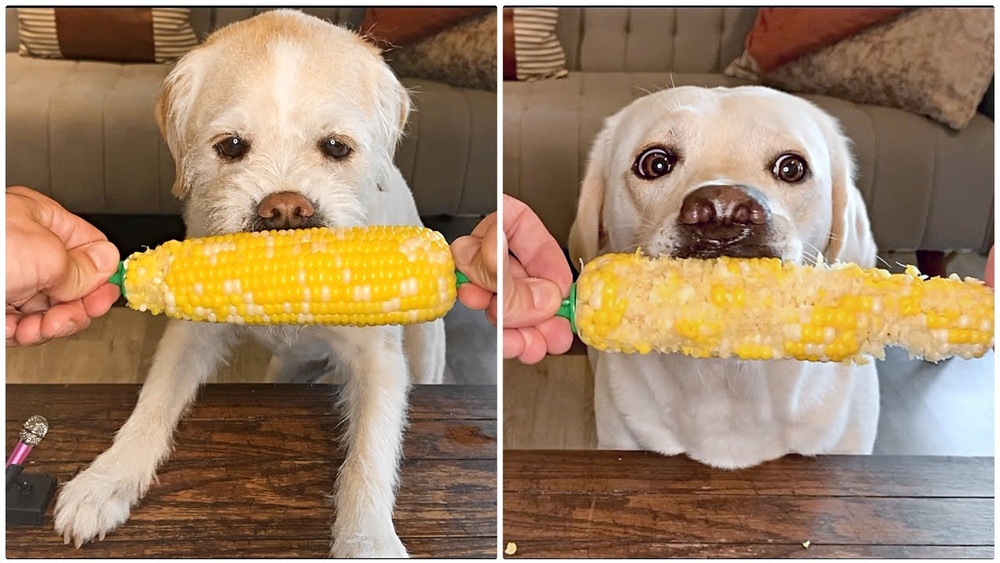
Can Dogs Eat Corn on the Cob? I asked the same thing after my dog grabbed a cob from a backyard BBQ. The short answer is no — dogs should not eat corn on the cob because the cob can cause a dangerous blockage in the stomach or intestines. I’ve spent years researching pet safety and talking with vets, and this is one food risk many dog owners in the USA sadly learn too late. If your dog ate a corn cob, it’s best to call your vet right away and watch for signs like vomiting, tiredness, or trouble pooping.
Why People Feed Corn On The Cob To Dogs
Dogs are curious by nature. They often want to taste what their owners are eating. At summer barbecues or family gatherings, corn on the cob is a popular side dish. Many people think it is harmless to toss the leftover cob to their dog, especially since dogs appear to enjoy chewing it.
Some owners believe the rough texture can help clean a dog’s teeth, while others just want to avoid wasting food.
Unfortunately, these well-meaning gestures can lead to serious health problems. Understanding why people share corn on the cob helps highlight common mistakes and the need for better knowledge.
Is Corn Safe For Dogs?
Corn itself is not toxic to dogs. In fact, corn kernels are found in many commercial dog foods. Corn provides carbohydrates, fiber, and some vitamins. However, there are a few things to remember before sharing corn with your pet:
- Digestibility: Dogs do not digest corn as well as humans. Large amounts of corn can cause stomach upset.
- Allergies: Some dogs may have a corn allergy. Symptoms include itchy skin, ear infections, and digestive upset.
- Added Ingredients: Butter, salt, and seasonings can be harmful. Spices and toppings can upset a dog’s stomach or even be toxic.
A small amount of plain, cooked corn can be safe for most dogs. The real danger is the cob itself.
The Real Danger: The Corn Cob
Unlike corn kernels, the cob is not safe for dogs. The corn cob is tough and fibrous, making it difficult to chew and digest. This creates several risks:
- Choking Hazard: Large pieces can become stuck in the throat.
- Intestinal Blockage: If swallowed, pieces of cob can block the intestines, which is a life-threatening emergency.
- Sharp Edges: Broken cob pieces can scratch or puncture the digestive tract.
Real Cases Of Corn Cob Blockage
Veterinary hospitals often see emergency cases involving corn cobs. According to the American Kennel Club, hundreds of dogs each year require surgery to remove corn cobs from their digestive system. Some dogs suffer for days before owners realize something is wrong.
For example, a Labrador in Texas became lethargic and stopped eating two days after eating a corn cob. X-rays showed a blockage, and emergency surgery was needed. The dog survived, but not all are so lucky. Early action is critical.
What Happens If A Dog Eats Corn On The Cob?
If your dog eats corn on the cob, what happens next depends on the size of the dog, the size of the cob, and how much was eaten. Small dogs are at higher risk because their digestive tracts are narrower.
Symptoms Of Corn Cob Blockage
Watch for these signs if you suspect your dog has swallowed a cob:
- Vomiting or retching
- Loss of appetite
- Lethargy
- Diarrhea or constipation
- Abdominal pain or swelling
- Restlessness or whining
These symptoms can appear hours or even days after the incident. Do not wait for all symptoms to show before seeking help.
Why Blockage Is So Dangerous
A corn cob does not break down easily. It can get stuck in the stomach, small intestine, or colon. This blocks the passage of food and can cut off blood supply to the intestines, causing tissue death. Without quick surgery, this can be fatal.
What To Do If Your Dog Eats Corn On The Cob
Quick action is essential. Here’s what you should do:
- Do Not Induce Vomiting: The cob can get stuck in the throat on the way back up.
- Call Your Veterinarian: Describe what happened, the size of your dog, and how much cob was eaten.
- Monitor for Symptoms: Watch for the warning signs listed above.
- Follow Veterinary Advice: Your vet may recommend bringing your dog in for an exam or X-rays.
Never assume your dog will “pass” the cob naturally. This rarely happens without complications.
How Veterinarians Diagnose And Treat Corn Cob Ingestion
Diagnosis
Vets use a combination of history, symptoms, and tests:
- Physical exam: Checking the abdomen for pain or swelling.
- X-rays or ultrasound: Identifying blockages or pieces of cob.
- Blood tests: Checking for dehydration or infection.
Treatment
If a blockage is found, surgery is usually required. The vet will open the abdomen and remove the cob. In mild cases, if the cob is still in the stomach, it may be removed with an endoscope (a camera with a grabbing tool) under anesthesia.
Recovery depends on how quickly treatment starts. Most dogs recover well with prompt care, but delays increase risks.
Example: Treatment Outcomes
A 2022 study reported that 84% of dogs with corn cob blockages survived if treated within 24 hours. The survival rate dropped to 60% if treatment was delayed more than two days.
Corn On The Cob Vs. Other Table Scraps: Safety Comparison
Dogs often receive other leftovers besides corn. Here is a comparison of the risks:
| Food | Risks | Safe in Small Amounts? |
|---|---|---|
| Corn on the Cob | Choking, blockage, intestinal injury | No |
| Cooked Chicken (no bones) | Seasoning, salt, fat | Yes |
| Grapes/Raisins | Kidney failure | No |
| Carrots | Choking (large pieces) | Yes |
| Chocolate | Toxic, heart and nerve damage | No |
As you can see, corn on the cob is especially risky compared to other common foods.
Why Dogs Love Chewing Corn Cobs
Dogs use their mouths to explore. The corn cob’s texture is satisfying to chew and can keep a dog busy for a long time. Some dogs enjoy the taste of leftover corn or butter on the cob. Chewing can also be a way for bored or anxious dogs to relieve stress.
However, just because dogs like it does not mean it is safe. In fact, many dangerous objects attract dogs for the same reasons.
Are There Any Safe Ways To Give Corn To Dogs?
Yes, but only in moderation and with proper preparation. Here’s how:
- Plain, Cooked Kernels: Remove kernels from the cob and offer a small amount as a treat.
- No Butter, Salt, or Spices: Plain is best. Avoid seasonings or toppings.
- Small Portions: Too much corn can cause stomach upset or weight gain.
- Supervision: Always watch your dog when giving new foods.
Never give the cob, even as a chew toy.
Healthy Alternatives To Corn On The Cob
Dogs enjoy chewing and crunching. Here are safer choices:
- Carrot sticks: Low calorie and help clean teeth.
- Apple slices: Remove seeds and core first.
- Special dog chews: Made to be safe for dogs.
- Frozen green beans: Crunchy and healthy.
Avoid cooked bones, rawhide, or anything hard enough to break teeth.
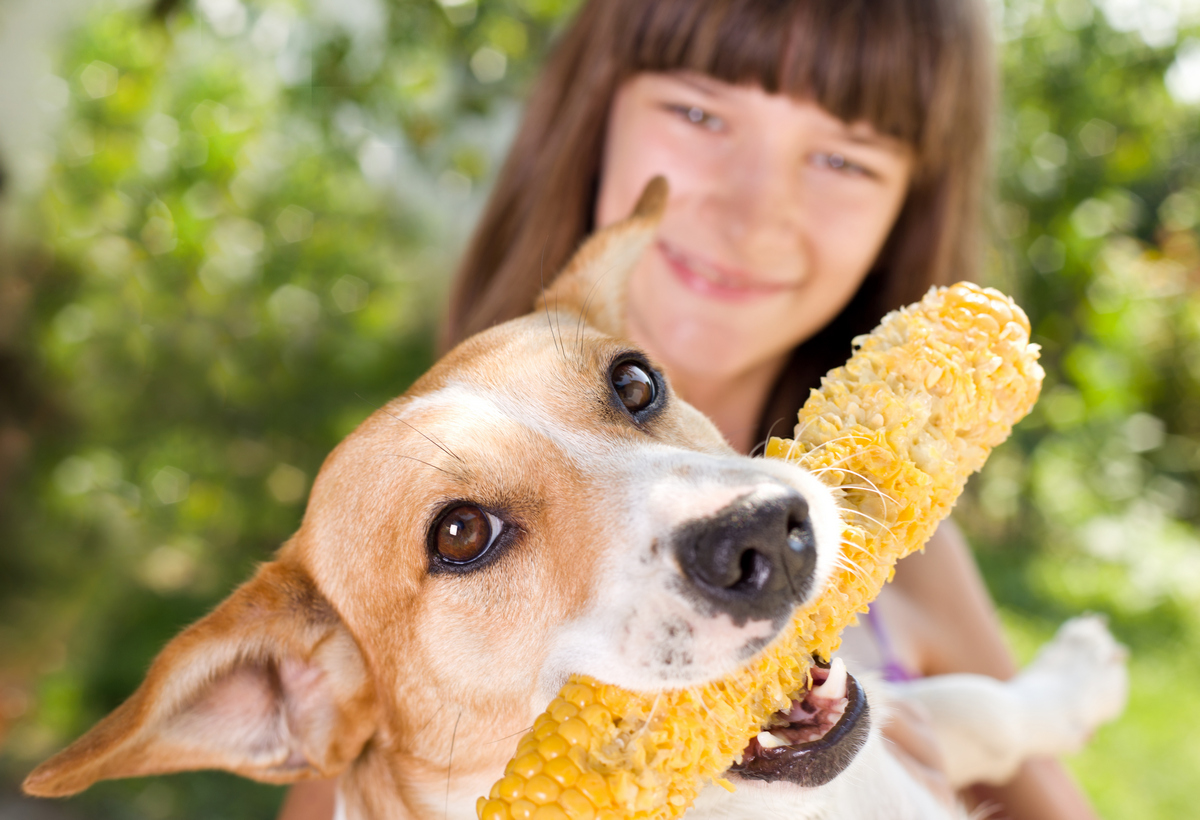
Credit: www.vets-now.com
Why Some People Still Give Corn Cobs To Dogs
Despite warnings, some owners still share corn cobs. Here are common reasons:
- Lack of Awareness: Many do not know the risks.
- Old Advice: Years ago, some books suggested giving cobs for teeth cleaning.
- Online Misinformation: Not all pet advice on the internet is reliable.
- Dogs Seem to Enjoy It: Owners mistake a dog’s interest for safety.
Better education is needed to protect dogs from preventable harm.
Hidden Dangers: Corn Cob In The Trash
A surprising number of cases happen because dogs find corn cobs in the garbage. Dogs have a strong sense of smell and can dig through trash to find food. Owners may not even realize their dog has eaten a cob until symptoms appear.
Preventing Trash Accidents
- Use trash cans with locking lids.
- Take trash outside quickly after meals.
- Keep dogs out of the kitchen during clean-up.
One overlooked cob in the trash can cause an emergency.
Table: Signs And Speed Of Corn Cob Blockage
Here is how fast symptoms may appear after a dog eats a corn cob:
| Time After Eating | Possible Symptoms | Action Needed |
|---|---|---|
| 0-2 hours | None, or mild discomfort | Call vet, monitor closely |
| 2-12 hours | Vomiting, restlessness | Urgent vet visit if symptoms appear |
| 12-48 hours | Abdominal pain, loss of appetite, severe vomiting | Emergency care needed |
Even if your dog seems fine at first, problems can develop quickly.
Data: How Common Are Corn Cob Emergencies?
Corn cob ingestion is more common than many realize. In the US, veterinarians report hundreds of emergency surgeries every summer.
- The Pet Poison Helpline states corn cobs are among the top 10 foreign objects causing surgery in dogs.
- A UK survey found that 1 in 20 dogs brought to the vet for vomiting had eaten a corn cob.
- Large breeds are more likely to survive, but small breeds are at the greatest risk.
These numbers show that the problem is widespread and serious.
Dogs, Corn, And Nutrition: The Facts
Some owners worry that corn is unhealthy for dogs. Here’s what science says:
- Corn kernels provide energy, vitamins (like B6, folate), and fiber.
- Corn is not a “filler”—it has nutritional value, especially for active dogs.
- Some dogs are allergic to corn, but this is rare (less than 4% of food allergies).
Dogs do not need corn in their diet, but small amounts are safe for most. The problem is always the cob.
How To Prevent Corn Cob Accidents
Prevention is the best cure. Here’s how to avoid trouble:
- Educate Family and Guests: Make sure everyone knows not to feed the dog corn cobs.
- Supervise During Meals: Watch your dog at picnics or barbecues.
- Dispose of Cobs Securely: Use outdoor bins with lids.
- Train “Leave It” Command: This can stop a dog from grabbing dropped food.
Taking these steps reduces the risk of an emergency.

Credit: www.bbc.com
Table: Safe Vs. Unsafe Corn Products For Dogs
Here’s a quick look at which corn products are safe for dogs:
| Corn Product | Safe for Dogs? | Notes |
|---|---|---|
| Fresh Corn Kernels | Yes | In small, plain amounts |
| Canned Corn | Yes | Rinse to remove salt |
| Corn on the Cob | No | Choking and blockage risk |
| Popcorn (plain, air-popped) | Yes | No butter, salt, or toppings |
| Corn Chips | No | Too salty, fatty, and processed |
Remember, when in doubt, stick to dog-safe treats.
What About Small Pieces Of Cob?
Some owners ask if small pieces of cob are safe. The answer is no. Even a small chunk can block a dog’s intestine, especially in small breeds. Dogs do not chew food as thoroughly as humans. A piece that seems harmless can cause a serious emergency.
Common Myths About Dogs And Corn Cobs
Myth 1: “my Dog Ate A Corn Cob Once And Was Fine”
Many dogs may seem fine after eating something dangerous—until they are not. Just because nothing happened once does not make it safe.
Myth 2: “large Dogs Can Handle Cobs”
While large breeds have wider digestive tracts, blockages still happen. No dog breed is immune.
Myth 3: “raw Corn Cobs Are Safer”
Raw cobs are just as dangerous as cooked. The risk is the physical shape and texture, not cooking.
How To Tell If Your Dog Ate A Corn Cob
Sometimes you do not see your dog eating the cob. Here’s how to spot the signs:
- Sudden vomiting or gagging after a meal
- Chewed or missing cobs in the trash
- Drooling, pawing at the mouth
- Weakness or hiding
If you suspect your dog got into the trash, act quickly. It is better to be safe than sorry.
Why Immediate Veterinary Care Is Vital
Dogs with a blocked intestine can decline rapidly. The longer the blockage, the higher the risk of:
- Intestine death (necrosis)
- Blood poisoning (sepsis)
- Death
Some owners wait, hoping their dog will “pass” the cob. This is a dangerous mistake. Early treatment gives the best chance for recovery.
Special Risk: Puppies And Small Breeds
Puppies and small dogs are at extra risk because their digestive tracts are tiny. Even a small piece of cob can block their intestines. These dogs can go from healthy to critically ill in just a few hours.
If your puppy or small dog eats a cob, do not wait. Call your vet immediately.
:strip_icc()/feeding-dog-corn-on-the-cob-3385222-hero-ff652e13f0e6409da868e574e92e46a8.jpg)
Credit: www.thesprucepets.com
The Cost Of Corn Cob Surgery
Emergency surgery for a corn cob blockage is expensive. In the US, it can cost $1,500–$4,000 or more. Costs include:
- X-rays and blood tests
- Anesthesia and surgery
- Hospital stay
- Medications
Many pet owners are shocked by the bill. Preventing corn cob accidents is safer and far less expensive.
The Bottom Line: Never Feed Corn On The Cob To Dogs
No matter how much your dog begs, corn on the cob is never safe. The risks—choking, blockage, and death—outweigh any benefits. Even a small piece can be deadly. There are many safe, healthy alternatives for treats and chews.
For more information about food safety for pets, see the ASPCA’s list of foods to avoid.
Frequently Asked Questions
Can Dogs Eat Plain Corn Kernels?
Yes, most dogs can eat plain corn kernels in small amounts. Make sure the kernels are cooked and free from butter, salt, or spices. Too much corn can cause stomach upset, so treats should be given in moderation.
What Should I Do If My Dog Ate A Corn Cob But Seems Fine?
Do not wait for symptoms. Call your veterinarian right away. Some symptoms take time to appear, but early treatment improves the chances of a full recovery. Monitor your dog closely for any signs of distress.
Are There Any Breeds That Can Safely Eat Corn Cobs?
No breed can safely eat corn cobs. Both large and small dogs are at risk of blockage or injury. Never offer a corn cob to your dog, regardless of size or breed.
Is Popcorn Safe For Dogs?
Plain, air-popped popcorn is usually safe in small amounts. Avoid butter, salt, and flavorings. Do not give unpopped kernels, as they can be a choking hazard.
Can Corn Cobs Clean A Dog’s Teeth?
No. The risk of choking and blockage is too high. Safer options for dental health include special dog chews, dental sticks, or raw carrots.
Sharing food with your dog is a way to show love, but it must be done wisely. When it comes to corn on the cob, always choose safety first. Your dog’s health and happiness depend on it.