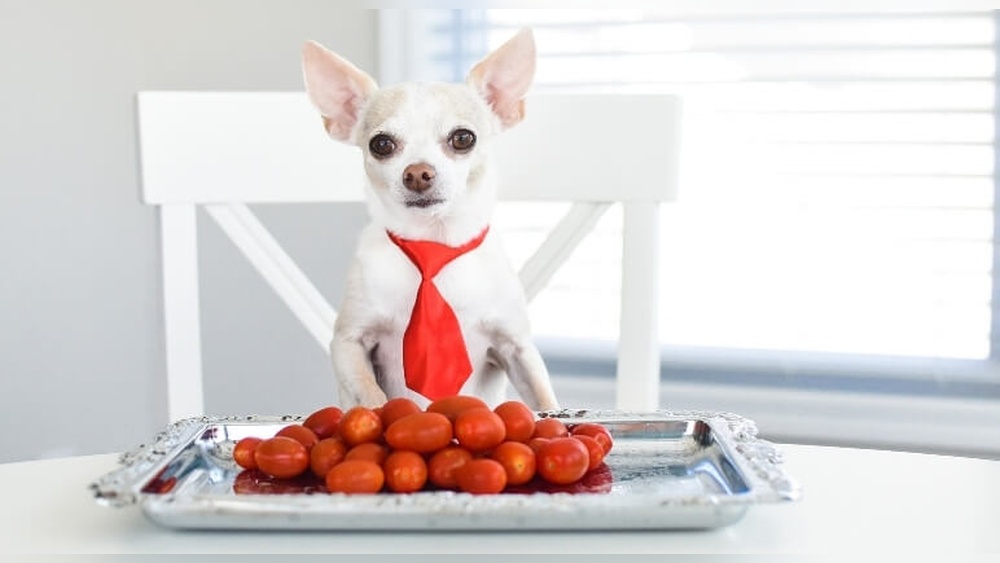
Can My Dog Eat Tomatoes?
If you love sharing snacks with your dog, you might wonder if tomatoes are safe for them. You see tomatoes in salads, pasta, and sauces every day. They’re healthy for humans, but are they okay for dogs? The answer is not as simple as “yes” or “no.
” This article will guide you through everything you need to know about tomatoes and your dog’s safety. You’ll learn when tomatoes are safe, when they’re risky, and how to serve them the right way. We’ll look at science, real-life examples, and give you practical tips.
By the end, you’ll have all the answers, even to questions you didn’t know to ask.
Why Dog Owners Worry About Tomatoes
Many people believe that all fruits and vegetables are good for dogs. But tomatoes are part of the nightshade family. This group also includes potatoes, eggplants, and peppers. These plants have natural chemicals that can be harmful to some animals, including dogs.
The main concern is a substance called tomatine, which is found in the green parts of the tomato plant—like stems and unripe tomatoes. Tomatine can be dangerous in large amounts. But ripe, red tomatoes have much less tomatine.
Many veterinarians get calls about dogs eating tomatoes in gardens or off the table. Some owners panic after reading scary stories online. That’s why it’s important to understand what’s really safe and what’s not.
The Science: What’s In A Tomato?
Tomatoes are more than just water and flavor. They contain vitamins, minerals, and other chemicals that affect dogs in different ways.
Main Nutrients In Tomatoes
- Vitamin C: Good for the immune system.
- Vitamin A: Supports vision and skin health.
- Potassium: Helps with muscle and nerve function.
- Fiber: Aids in digestion.
- Lycopene: An antioxidant that can protect cells.
While these nutrients are helpful for humans, dogs usually get what they need from their regular dog food. Still, small amounts of tomatoes can add variety and flavor.
The Risky Part: Tomatine And Solanine
The real issue for dogs is tomatine and, to a lesser extent, solanine. These are natural compounds that protect the plant from insects and disease.
- Tomatine: Most concentrated in green tomatoes, stems, and leaves.
- Solanine: Also found in other nightshade plants, like potatoes.
In ripe, red tomatoes, the amount of tomatine is very low—often too low to cause harm unless a dog eats a very large quantity.
Are Tomatoes Safe For Dogs? The Short Answer
Most healthy dogs can eat small amounts of ripe, red tomato without problems. The danger comes from eating:
- Green, unripe tomatoes
- Tomato stems and leaves
- Large amounts at one time
If your dog eats a slice of ripe tomato, they’re likely to be fine. But if they eat a whole plant or a bowl of green tomatoes, they could get sick.
Which Parts Of The Tomato Plant Are Toxic?
Not all parts of the tomato are equal. Some are safe, some are not.
Safe Parts
- Ripe, red tomato fruit (the part we eat)
- Tomato juice made from ripe tomatoes (with no added ingredients)
Unsafe Parts
- Green tomatoes (unripe fruit)
- Leaves and stems
- Flowers and roots
Here’s a simple comparison:
| Part of Tomato Plant | Safe for Dogs? | Why? |
|---|---|---|
| Ripe red fruit | Yes, in small amounts | Low tomatine content |
| Green fruit | No | High tomatine content |
| Leaves & stems | No | Very high tomatine content |
| Flowers/roots | No | Contain tomatine/solanine |
How Much Tomato Is Too Much?
A small bite of ripe tomato is usually safe for most dogs. Problems happen when a dog eats too much, especially the wrong parts.
How Much Tomatine Is Harmful?
Research shows that a dog would need to eat a large amount of green tomato or leaves to get really sick. The exact toxic dose depends on the dog’s size and health. For most adult dogs, eating a slice or two of ripe tomato is safe.
But even small amounts of leaves or stems can cause problems.
Signs Of Tomato Poisoning
Watch for these signs if your dog eats the wrong part of a tomato plant:
- Weakness or tiredness
- Drooling or foaming at the mouth
- Upset stomach (vomiting or diarrhea)
- Confusion or changes in behavior
- Fast or irregular heartbeat
- Trembling or seizures (very rare)
If you see these symptoms, call your vet right away.
Benefits Of Ripe Tomatoes For Dogs
Ripe tomatoes offer a few health benefits when given in moderation:
- Low in calories: Good for dogs on a diet or as a light snack.
- Antioxidants: Lycopene and beta-carotene may help protect your dog’s cells.
- Vitamins: Small amounts of vitamin C and potassium are good for overall health.
- Hydration: Tomatoes are about 95% water, so they can help keep your dog hydrated on hot days.
But remember, tomatoes should never replace a balanced dog diet. Think of them as an occasional treat.
When Should You Avoid Giving Tomatoes?
There are times when even ripe tomatoes are not a good idea for dogs:
- Allergy risk: Some dogs are allergic to tomatoes.
- Sensitive stomach: Dogs with sensitive digestion may get diarrhea.
- Health conditions: Dogs with kidney problems or acid reflux may do worse with tomatoes.
- Puppies: Young puppies are more sensitive and should avoid tomatoes until older.
If your dog has had trouble with new foods before, ask your vet before trying tomatoes.
Tomato-based Foods: Are They Safe?
Many common foods use tomatoes, but are they safe for your dog? Let’s break down some examples.
1. Tomato Sauce
Most tomato sauces contain salt, sugar, onions, garlic, and spices. Onions and garlic are toxic to dogs. Even small amounts can cause serious health problems. Store-bought sauces are not safe for dogs.
2. Ketchup
Ketchup is high in sugar and often contains onions or garlic powder. It’s not healthy for dogs, even if they like the taste.
3. Sun-dried Tomatoes
Sun-dried tomatoes are concentrated and may be packed with oil, salt, or spices. This makes them risky for dogs.
4. Canned Tomatoes
Canned tomatoes usually have added salt or preservatives. Always check the label for extra ingredients. Plain, low-salt canned tomatoes are safer but still best in small amounts.
5. Tomato Soup
Most tomato soups include cream, butter, salt, and sometimes onions or garlic. These are not good for dogs.
Here’s a summary:
| Tomato Food | Safe for Dogs? | Main Risks |
|---|---|---|
| Plain ripe tomato | Yes, small amounts | Watch for allergies |
| Tomato sauce | No | Onions, garlic, salt, spices |
| Ketchup | No | Sugar, salt, spices |
| Sun-dried tomato | No | Salt, oil, concentrated tomatine |
| Canned tomato | Rarely, check label | Salt, preservatives |
| Tomato soup | No | Cream, salt, onions/garlic |

Credit: www.tasteofthewildpetfood.com
How To Safely Feed Tomatoes To Your Dog
If you want to give your dog a taste of tomato, follow these safe steps:
- Choose ripe, red tomatoes only. Avoid green tomatoes, leaves, and stems.
- Wash the tomato well to remove dirt and chemicals.
- Remove all leaves, stems, and seeds. Seeds are not toxic, but some dogs may find them hard to digest.
- Cut into small pieces. This helps avoid choking, especially in small dogs.
- Start with a small amount. Watch your dog for any reaction.
- Serve plain. No salt, oil, or spices.
A good serving size is a thin slice for small dogs, or a few small cubes for larger dogs.
A Practical Example
Suppose you’re making a salad. You can set aside a small, plain piece of tomato for your dog. Rinse it, remove any seeds or skin if your dog is sensitive, and offer it as a treat. Watch for any upset stomach over the next day.
Common Mistakes Dog Owners Make With Tomatoes
Even caring owners can make mistakes. Here are two that are easy to miss:
- Letting dogs roam in the garden: Dogs may chew on tomato plants, especially puppies. The leaves and green fruit are more toxic than most people think.
- Feeding leftovers: Many people give dogs leftover food with tomato sauce or ketchup, not realizing it often contains onions, garlic, or too much salt.
Insider Tip: If you grow tomatoes, fence off your garden or supervise your dog closely. Dogs are curious, and the leaves and stems are the most dangerous part.
What If My Dog Eats A Tomato Plant?
Don’t panic. Most dogs would have to eat a lot of leaves or green fruit to get really sick, but every dog is different. Here’s what to do:
- Remove any plant parts from your dog’s mouth.
- Check how much was eaten. Was it a nibble or a whole branch?
- Watch for symptoms like drooling, vomiting, or weakness.
- Call your vet if your dog ate a lot, is small, or shows any symptoms.
- Bring a sample to the vet if you’re not sure what part was eaten.
Are Some Dog Breeds More Sensitive?
All dogs can react if they eat too much tomatine, but small breeds and puppies are at higher risk. Their bodies are smaller, so a small amount can have a bigger effect. Older dogs and those with health issues are also more sensitive.
If your dog is a Yorkshire Terrier, Chihuahua, or another tiny breed, be extra careful.

Credit: hennekes-healthcare.nl
Tomato Alternatives For Dogs
If you’re worried about tomatoes, there are other fruits and vegetables that are safer and often better for dogs:
- Carrots: Crunchy and sweet, low in calories.
- Cucumber: Refreshing and hydrating.
- Apples: Remove the seeds and core, as seeds contain cyanide.
- Blueberries: Packed with antioxidants.
- Pumpkin: Good for digestion.
Always serve these treats plain and in small pieces.
The Tomato And Dog Myth: Busted
Some pet myths say that tomatoes are always poisonous for dogs. This is not true. The key is knowing the difference between ripe and unripe, and how much is safe. In fact, many veterinarians use tomatoes as an example of a food that is safe in small amounts but dangerous in excess.
The Role Of Your Vet
Your veterinarian is your best source of advice when it comes to your dog’s diet. If you’re ever unsure, ask them before sharing new foods. Some dogs have unique health problems that make tomatoes risky even in small amounts.
Real-life Stories: When Tomatoes Go Wrong
Vets sometimes see dogs with tomato poisoning. In most cases, the dog ate a lot of green tomatoes or chewed up a garden plant. Symptoms usually start within a few hours. With fast treatment, most dogs recover well. But rare cases can require a night at the vet for fluids and monitoring.
Surprising fact: Some dogs actually dislike tomatoes. If your dog spits out a tomato, don’t force them. Dogs have good instincts about what’s good for them.
How Tomatoes Compare To Other Foods Dogs Should Avoid
Tomatoes are not the only human food that can be risky for dogs. Here’s a quick comparison with other common foods:
| Food | Safe for Dogs? | Notes |
|---|---|---|
| Ripe tomato | Yes, small amounts | Plain only |
| Chocolate | No | Highly toxic |
| Grapes/raisins | No | Can cause kidney failure |
| Onions/garlic | No | Damages red blood cells |
| Cooked bones | No | Choking risk |
| Carrots | Yes | Good in moderation |
Notice that tomatoes, when prepared correctly, are safer than foods like chocolate or grapes, which are always dangerous.
Two Insights Dog Owners Often Miss
- Tomato allergies in dogs are real. While rare, some dogs can react with itchiness, swelling, or stomach upset. Always start with a tiny amount and watch your dog for 24 hours.
- Cumulative risk matters. Even if your dog eats a little tomato every day with no problem, the risk adds up if they also eat other nightshade vegetables or have health issues. Moderation is key.

Credit: www.plattar.com
What The Experts Say
The American Kennel Club and the ASPCA both agree: Ripe tomatoes are safe for most dogs, but leaves and stems are not. For more, you can read their advice at the ASPCA website.
Final Thoughts: Should You Feed Your Dog Tomatoes?
Tomatoes can be a safe, low-calorie treat for most healthy dogs when served correctly. The keys are:
- Only feed ripe, red fruit.
- Avoid all green parts and leaves.
- Watch for allergies or upset stomach.
- Never give tomato-based sauces, ketchup, or soups.
Your dog’s health always comes first. When in doubt, check with your vet. If you’re careful, a little tomato now and then can add variety to your dog’s treat menu.
Frequently Asked Questions
Can Dogs Eat Cherry Tomatoes?
Yes, but only if they are ripe and red. Cherry tomatoes are just small tomatoes, so the same rules apply. Wash them, remove the stem, and cut into small pieces. Never feed green or unripe cherry tomatoes.
What Should I Do If My Dog Eats Tomato Leaves?
Tomato leaves have a high level of tomatine. If your dog eats leaves, watch for symptoms like drooling, vomiting, or tiredness. Call your vet, especially if your dog is small or ate a large amount.
Are Cooked Tomatoes Safe For Dogs?
Plain, cooked ripe tomatoes are generally safe for dogs. But most cooked tomato dishes (like sauces) have added ingredients that are not safe. Only give plain, cooked tomato with no oil, salt, or spices.
Can Puppies Eat Tomatoes?
It’s best to avoid giving tomatoes to puppies. Their stomachs are more sensitive, and the risk of upset or allergic reaction is higher. Wait until your puppy is an adult before offering tomato as a treat.
How Often Can I Give My Dog Tomatoes?
Tomatoes should be an occasional treat, not a daily snack. Once or twice a week is enough. Too much tomato can cause stomach upset, even if your dog is healthy.
If you have more questions or worries, your veterinarian can give advice based on your dog’s unique needs.