Can Dogs Eat Peanuts?
Many dog owners love to share snacks with their pets. Peanuts are a common treat for humans, but is it safe for dogs? The answer is more complex than a simple yes or no. While peanuts are not toxic to dogs, there are important facts, risks, and feeding guidelines you must know.
Giving your dog the wrong kind of peanut, or too much, can lead to health problems. But if you understand the details, peanuts can sometimes be a safe and tasty treat.
In this article, you’ll learn everything you need to know about peanuts for dogs. We’ll cover health benefits, risks, the right way to feed, which peanut products to avoid, how peanuts compare with other nuts, and much more. Whether you’re curious about peanut butter, roasted peanuts, or have a dog with allergies, you’ll find clear answers here.
Are Peanuts Safe For Dogs?
Peanuts are not poisonous for dogs. Most healthy dogs can eat a small amount of plain, unsalted peanuts without harm. The key is moderation and serving the right kind. Raw, shelled peanuts are safest. However, there are several important details to remember:
- Peanuts are high in fat and calories
- Some peanut products contain harmful additives
- Peanuts can cause allergic reactions in rare cases
While peanuts are safe in small amounts, they should never be a daily snack or a large part of your dog’s diet. Dogs have different digestive systems than humans. What is healthy for us can be too rich or risky for them.
Nutritional Value Of Peanuts For Dogs
Peanuts are energy-dense and contain useful nutrients. Here’s what peanuts offer:
| Component | Amount per 1 oz (28g) of Peanuts | Benefit for Dogs |
|---|---|---|
| Protein | 7g | Supports muscle maintenance |
| Fat | 14g | Provides energy (but can cause weight gain) |
| Fiber | 2.4g | Supports digestion |
| Vitamin E | 2.4mg | Antioxidant, supports skin and coat |
| Niacin (B3) | 3.4mg | Boosts metabolism |
| Magnesium | 49mg | Supports bone health |
| Phosphorus | 111mg | Bone and teeth health |
Dogs need protein and healthy fats, but too much can upset their stomachs. Peanuts offer some vitamins and minerals, but your dog should get most nutrition from their regular food.
Insight: Many owners think the “protein” in peanuts is ideal for dogs. In truth, dogs digest animal proteins much better than plant proteins like those in peanuts.
Benefits Of Peanuts For Dogs
Feeding peanuts occasionally can bring benefits:
- High-energy treat: Peanuts offer a quick energy boost, which may help active or working dogs in small amounts.
- Healthy skin and coat: The vitamin E and healthy fats can support coat shine and skin health.
- Brain health: Niacin and vitamin B6 in peanuts are good for nerve and brain function.
- Enrichment: Giving a few peanuts as a treat or reward can provide mental stimulation and variety.
Still, these benefits only appear with moderation. Too many peanuts will quickly erase the positives.
Risks And Dangers Of Peanuts For Dogs
While peanuts are not toxic, there are important risks to understand:
1. Choking Hazard
Whole peanuts, especially with shells, can block your dog’s throat or digestive tract. Small or toy breeds are at higher risk.
2. High Fat Content
Peanuts are about 50% fat. Dogs who eat too many fatty foods can develop:
- Pancreatitis: Inflammation of the pancreas, which can cause vomiting, diarrhea, and severe pain.
- Obesity: Even a few peanuts add up for small dogs.
3. Salt And Seasoning
Many peanuts sold for people are salted, spiced, or flavored. Too much salt can cause sodium poisoning in dogs, leading to vomiting, tremors, or even death. Some seasonings (like onion or garlic powder) are toxic to dogs.
4. Artificial Sweeteners
Some peanut butters and snacks contain xylitol, a sweetener that is deadly to dogs even in tiny amounts.
5. Allergic Reactions
Dogs can have peanut allergies, though it’s rare. Signs include:
- Itching or swelling
- Hives
- Difficulty breathing
- Vomiting
If your dog shows these symptoms, get veterinary help right away.
Insight: Some owners think “organic” or “natural” peanuts are always safe. But even natural peanuts can be risky if your dog is sensitive to fat or has a history of pancreatitis.

Credit: www.dogster.com
Which Peanuts And Peanut Products Are Safe?
Not all peanuts are equal. Here’s a simple guide:
| Product | Safe for Dogs? | Notes |
|---|---|---|
| Raw, unsalted peanuts | Yes, in moderation | Best choice; avoid shells |
| Dry-roasted, unsalted peanuts | Yes, in moderation | Check for added oils or flavorings |
| Salted peanuts | No | High sodium; can be dangerous |
| Flavored peanuts | No | Seasonings may be toxic |
| Honey-roasted or sweetened peanuts | No | Too much sugar; sometimes xylitol |
| Peanut shells | No | Indigestible; choking risk |
| Peanut butter (plain, unsalted, no xylitol) | Yes, in small amounts | Check ingredients carefully |
| Peanut oil | No | High-fat; not recommended |
Tip: Always check the label before sharing any peanut product with your dog.
How To Feed Peanuts To Dogs Safely
If you want to give your dog peanuts, follow these steps for safety:
- Choose plain, unsalted peanuts. Avoid any with flavoring, salt, or sugar.
- Remove the shell. Only give the inner nut, as shells can cause choking.
- Break peanuts into small pieces for small dogs or puppies.
- Give only a few peanuts at a time. For most dogs, 1-2 peanuts is enough as a treat.
- Watch for reactions. The first time, give only a small piece and observe for 24 hours.
Example Feeding Plan
- Small dogs (under 20 lbs): 1-2 peanuts, once a week
- Medium dogs (20–50 lbs): 2-3 peanuts, once or twice a week
- Large dogs (50+ lbs): 3-5 peanuts, up to twice a week
Never use peanuts to replace part of your dog’s daily meals.
Signs Of Problems
Stop feeding peanuts if you see:
- Vomiting or diarrhea
- Gas or bloating
- Coughing or gagging
- Itching or swelling
Contact your vet if symptoms are severe.
Peanuts Vs. Other Nuts: Which Are Safer For Dogs?
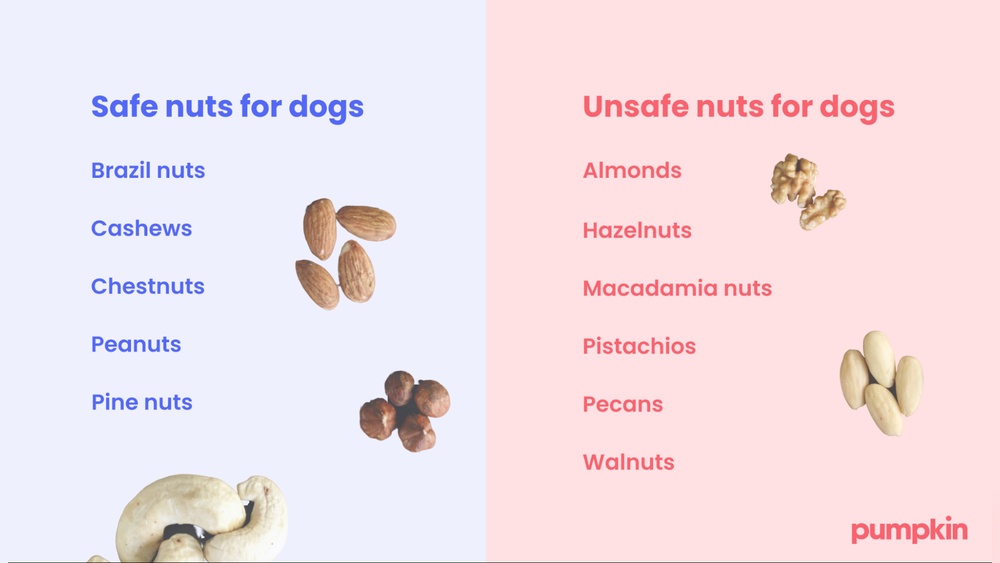
Not all nuts are equal for dogs. Some are much more dangerous than peanuts. Here’s a comparison:
| Nut | Safe for Dogs? | Main Risks |
|---|---|---|
| Peanuts | Yes, in small amounts | High fat, choking, allergies |
| Almonds | No | Choking, GI upset, high fat |
| Walnuts | No | Mold toxins, GI upset |
| Macadamia nuts | No | Highly toxic, even in small amounts |
| Pecans | No | Mold toxins, GI upset |
| Pistachios | No | High fat, GI upset, possible toxins |
| Cashews | Rarely, in tiny amounts | High fat, choking, allergies |
Non-obvious tip: Some wild nuts (like black walnuts or bitter almonds) are extremely toxic for dogs, so never let your pet eat nuts found outside.
Peanut Butter For Dogs: Is It Safe?
Peanut butter is a common treat for dogs, often used for training or to hide pills. Most dogs love it, but not all peanut butters are safe.
What To Watch For
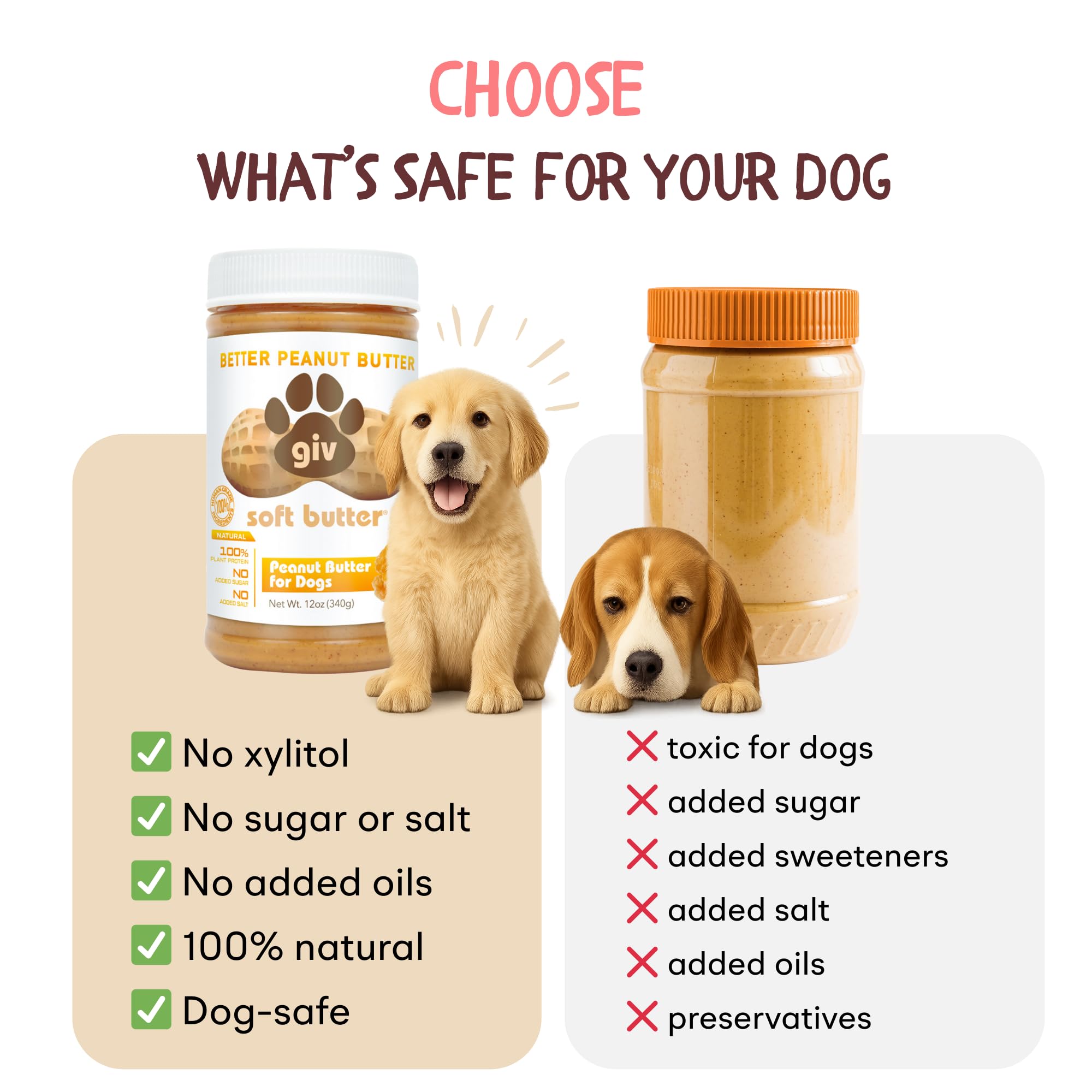
- Xylitol: This artificial sweetener is deadly for dogs. Even a small amount can cause liver failure.
- Salt: Too much salt can harm your dog’s kidneys.
- Added Sugar or Fats: Some peanut butters are high in sugar or hydrogenated fats.
Safe Peanut Butter Checklist
- Ingredients: Only peanuts (and maybe a little salt)
- No xylitol, artificial sweeteners, or chocolate
- No added sugar or oils
How Much Peanut Butter Is Safe?
A small lick on a spoon, or a thin layer in a Kong toy, is enough. For most dogs, half a teaspoon to 1 teaspoon is plenty as a treat. Too much, even of the “safe” kind, is unhealthy.
Common mistake: Some owners use peanut butter as a daily snack. This can quickly lead to weight gain or digestive issues.
Dogs With Allergies Or Health Issues
Some dogs are more sensitive to peanuts:
Dogs With Pancreatitis
Peanuts are high in fat, which can trigger or worsen pancreatitis. If your dog has had pancreatitis, avoid peanuts completely.
Dogs With Food Allergies
Some dogs have allergies to peanuts or other legumes. Always test with a tiny amount first and watch for reactions.
Overweight Dogs
Peanuts are calorie-rich. If your dog is overweight or has a tendency to gain weight, avoid peanuts or use a very small amount as a rare treat.
Signs Of Peanut Allergy Or Toxicity In Dogs
While rare, peanut allergies can cause dangerous reactions. Watch for:
- Facial swelling
- Hives or red skin
- Sudden vomiting or diarrhea
- Difficulty breathing
- Collapse
If you see these symptoms, seek emergency veterinary care.
What To Do If Your Dog Eats Too Many Peanuts
If your dog eats a large amount of peanuts, especially salted or flavored, take these steps:
- Remove remaining peanuts to prevent more eating.
- Check the ingredient label for xylitol or toxic seasonings.
- Watch your dog for vomiting, diarrhea, restlessness, or signs of choking.
- Call your veterinarian if your dog ate more than a small handful, is very small, or shows symptoms.
Peanuts are not usually deadly, but overeating can cause severe digestive upset, salt poisoning, or pancreatitis.
Practical Tips For Giving Your Dog Peanuts
- Use as a high-value treat only. For example, during nail trims, training, or as a reward for calm behavior.
- Mix small peanut pieces into puzzle toys for enrichment.
- Make homemade peanut butter dog treats with plain peanuts and oat flour.
- Avoid giving peanuts near mealtime to prevent excess calories.
Non-obvious insight: Dogs with a history of bladder stones should avoid peanuts because they are high in oxalates, which can contribute to stone formation.
Credit: stogagirlssoccer.com
Healthy Alternatives To Peanuts For Dogs
If you’re worried about the risks, there are safer, lower-fat treats:
- Carrot sticks (low calorie, crunchy)
- Apple slices (no seeds)
- Blueberries (antioxidants)
- Boiled chicken breast (high protein, low fat)
- Commercial dog treats (formulated for dogs)
These options are safer for dogs with sensitive stomachs or weight problems.
How Veterinarians View Peanuts For Dogs
Most veterinarians agree:
- Peanuts are not essential for a dog’s diet.
- Occasional, plain peanuts are safe for healthy adult dogs.
- Dogs with health issues (pancreatitis, allergies, obesity) should avoid peanuts.
- Peanut butter is fine in small, ingredient-checked amounts.
For more information about peanut safety and nutrition for dogs, see this resource from the American Kennel Club.

Credit: headsupfortails.com
When To Avoid Peanuts Completely
Skip peanuts and peanut products if your dog:
- Has had pancreatitis
- Is overweight or on a weight-loss diet
- Has a history of food allergies or sensitivities
- Is a toy breed or a puppy prone to choking
There are safer treats that offer the same reward without the risks.
How To Choose Peanut Products For Dogs
Read labels carefully. Look for:
- 100% peanuts or “peanuts, salt” only
- No xylitol, chocolate, or artificial flavors
- No honey-roasted, spicy, or BBQ flavors
Buy from brands that state “xylitol-free” to be sure.
If you’re making homemade peanut butter, use only unsalted peanuts.
How Peanuts Fit Into A Balanced Dog Diet
Peanuts should only be a treat, not a meal replacement. Treats should be less than 10% of your dog’s daily calories. For a 30-pound dog, that’s about 30-40 calories from treats per day — about 2 peanuts.
Dogs need a complete diet from their regular dog food. Peanuts do not provide all the nutrients your dog needs.
Myths And Facts About Dogs And Peanuts
Let’s clear up some common myths:
- Myth: “Peanuts are dangerous for all dogs.”
Fact: Most healthy dogs can eat a few plain peanuts safely.
- Myth: “Peanut butter is always safe.”
Fact: Many brands contain xylitol, salt, or sugar.
- Myth: “Peanuts are a good protein source for dogs.”
Fact: Animal proteins are much better for dogs than plant proteins.
- Myth: “All nuts are safe if peanuts are safe.”
Fact: Many nuts (macadamia, walnuts) are toxic to dogs.
Frequently Asked Questions
Can Puppies Eat Peanuts?
Puppies can eat very small amounts of plain, unsalted peanuts, but it’s best to wait until they are older. Puppies have sensitive stomachs and are at higher risk of choking. Stick to safer treats until your puppy is at least six months old.
Is Peanut Butter Good For Dogs With Medication?
Peanut butter is often used to hide pills, but check the label first. Only give peanut butter with no xylitol, low salt, and no added sugar. Use just enough to cover the pill. Ask your vet if you’re not sure.
How Often Can I Give My Dog Peanuts?
Peanuts should be an occasional treat, not a daily snack. For most dogs, once or twice a week is enough. Overfeeding can lead to weight gain and health issues.
What Should I Do If My Dog Ate Peanut Shells?
Peanut shells can block or irritate your dog’s stomach or intestines. If your dog ate shells, watch for vomiting, lack of appetite, or constipation. Contact your vet if you notice any problems or if your dog ate a large amount.
Are Boiled Or Roasted Peanuts Better For Dogs?
Both plain, unsalted boiled and roasted peanuts are safe in moderation. Roasted peanuts can be a little drier and may be easier to break into small pieces. The key is to avoid any salt, oil, or flavoring.
Peanuts can be a safe, occasional treat for most dogs if you follow these guidelines. Remember, moderation is key, and always check ingredients before sharing. When in doubt, ask your veterinarian. Treats are for fun — your dog will love you just as much with or without peanuts.