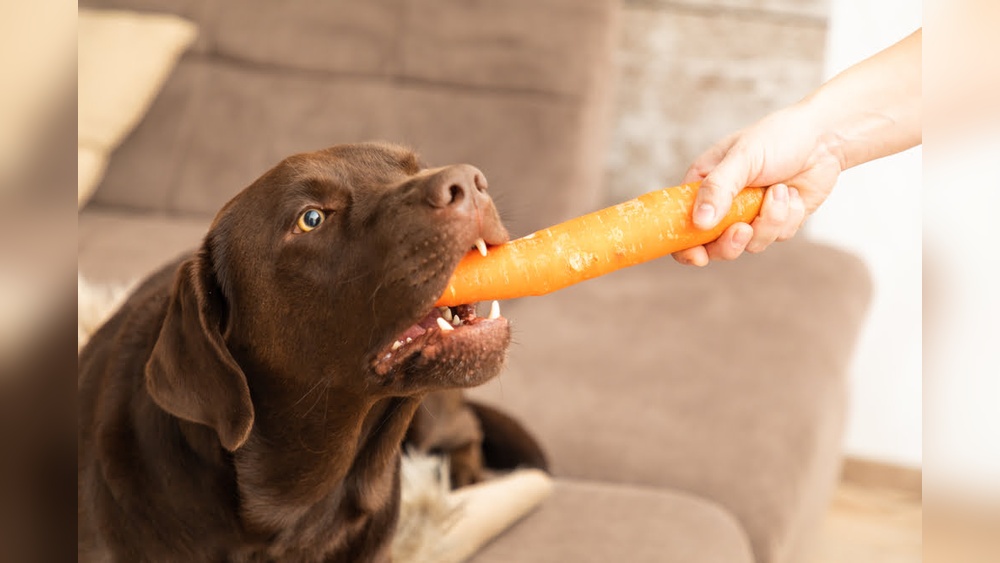
Can Dogs Eat Carrots?
Dogs have a curious way of watching us eat. Their eyes follow every bite, hoping for a treat. Many owners want to share healthy snacks with their pets. Carrots often come up as an option. These bright orange vegetables are crunchy, sweet, and common in kitchens around the world. But before giving your dog a carrot, it’s smart to ask: Can dogs eat carrots? Are they safe, healthy, or risky in any way?
Understanding what is safe for dogs is not always simple. Some vegetables are healthy for humans but toxic for dogs. On the other hand, some foods can add nutrition and variety to a dog’s diet if used correctly. Carrots are one of those foods that often create questions.
This article will guide you through everything you need to know about dogs and carrots. You’ll discover the benefits, risks, proper serving methods, and even some fun carrot recipes for your furry friend. Whether you are a new pet owner or an experienced dog lover, you’ll find clear, practical answers here.
Are Carrots Safe For Dogs?
Most people are happy to hear that carrots are safe for dogs. In fact, carrots are one of the most recommended vegetables for dogs by veterinarians. They are not toxic and do not contain harmful compounds like onions or garlic. When given in the right way, carrots can be a healthy addition to your dog’s diet.
However, safety also depends on how you serve them. Raw carrots are hard and can be a choking hazard if not cut properly. For small puppies or dogs that gulp their food, large pieces can block the airway. Cooked carrots are softer and easier to chew, but you should never add salt, butter, or seasonings.
Always wash carrots well to remove any pesticides or dirt before feeding.
Many commercial dog foods contain carrot as an ingredient. This shows how widely accepted carrots are for canine diets. Still, even healthy foods should be given in moderation. Too much of any one thing, even a vegetable, can cause stomach problems or digestive upset.
Nutritional Value Of Carrots For Dogs
Carrots are more than just a crunchy snack. They are packed with nutrients that can support your dog’s health. Here’s what carrots offer:
| Nutrient | Amount per 100g (raw) | Benefit for Dogs |
|---|---|---|
| Vitamin A (as beta-carotene) | 835 mcg | Supports eye health, immune function |
| Fiber | 2.8 g | Improves digestion, healthy stool |
| Vitamin K1 | 13.2 mcg | Helps blood clotting |
| Potasium | 320 mg | Supports muscle and heart function |
| Vitamin C | 5.9 mg | Antioxidant, helps immune system |
| Calories | 41 | Low-calorie snack |
Beta-carotene is the most famous nutrient in carrots. In the body, it turns into vitamin A. Vitamin A is important for healthy eyes, skin, and a strong immune system. Dogs need vitamin A, but too much can be dangerous. Carrots are a safe way to give a boost of this vitamin without the risk of overdose, as long as you use them as a treat and not the main meal.
Fiber in carrots helps dogs with digestion. It can help firm up loose stool or reduce constipation. Carrots are also naturally low in fat and calories, making them ideal for dogs who need to lose weight or need low-fat snacks due to health problems.
Health Benefits Of Carrots For Dogs
Carrots are not just safe. They offer many health benefits when given in the right amounts. Here are some key benefits for dogs:
1. Healthy Eyes
Carrots are rich in beta-carotene, which supports eye health. Older dogs, or breeds prone to eye issues, may benefit from this extra nutrition. While carrots won’t cure eye diseases, they support general eye wellness.
2. Dental Health
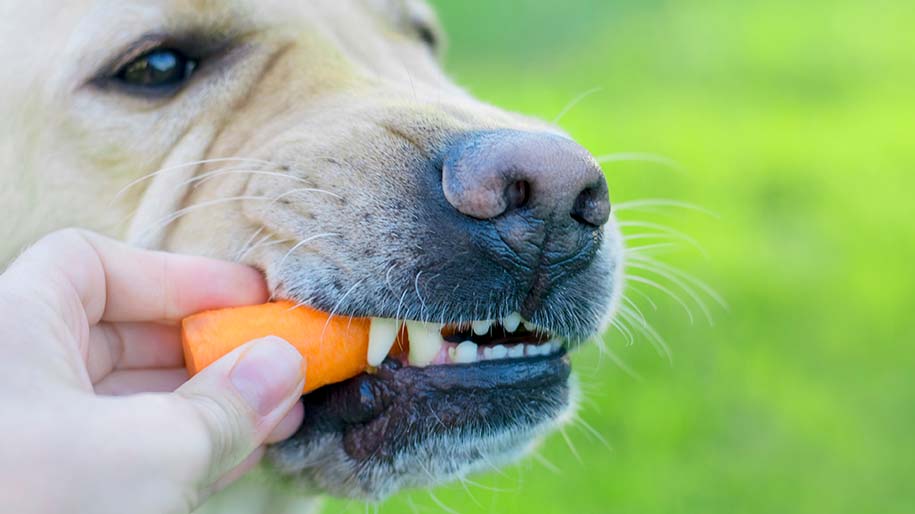
Crunchy raw carrots can help remove plaque and clean teeth. Chewing on a firm carrot acts like a natural toothbrush. This is not a substitute for real dental care, but it helps between brushings.
3. Weight Control
Many dogs love treats, but most commercial treats are high in calories. Carrots are filling but low in calories. Giving carrot slices instead of regular treats can help overweight dogs slim down.
4. Digestive Health
Carrots contain both soluble and insoluble fiber. This helps keep the gut healthy and supports regular bowel movements.
5. Immune System Support
Vitamins and antioxidants in carrots help the immune system. A stronger immune system means your dog is better at fighting off sickness.
6. Hydration
Carrots are about 88% water. On hot days, they offer a little extra hydration, especially for dogs who don’t drink much water.
7. Allergy-friendly
Carrots are rarely an allergen for dogs. They are a good choice for dogs with food allergies or sensitive stomachs.
Some of these benefits are clear right away—like better digestion or less weight gain. Others, such as eye health and immune support, work quietly over time.
Risks And Downsides Of Feeding Carrots To Dogs
Carrots are mostly safe, but there are a few risks to know:
- Choking Hazard: Large, hard pieces can get stuck, especially in small dogs or greedy eaters. Always cut carrots into small, manageable pieces.
- Digestive Upset: Too many carrots can lead to diarrhea or gas. Start with a small amount and see how your dog reacts.
- High Natural Sugar: Carrots are sweeter than many vegetables. Dogs with diabetes or weight problems should eat them in moderation.
- Too Much Vitamin A: It’s rare, but eating huge amounts of carrots every day could lead to vitamin A overload. This is more likely if your dog also eats other high-vitamin A foods.
If your dog has never eaten carrots before, watch closely for signs of allergy or stomach upset. If you notice vomiting, diarrhea, or itching, stop giving carrots and talk to your vet.
How To Safely Serve Carrots To Dogs
Serving carrots safely is important. Here’s how to make them easy and fun for your dog:
1. Wash Well
Rinse carrots to remove dirt or pesticides. Even organic carrots need a wash.
2. Peel (optional)
Peeling is not required, but it removes any tough or dirty skin. Some dogs prefer peeled carrots for the softer texture.
3. Cut Into Small Pieces
For small dogs or puppies, slice carrots into coins, sticks, or cubes. For large dogs, bigger sticks are fine, but avoid whole carrots unless you supervise.
4. Cooked Or Raw
Both cooked and raw carrots are healthy. Steaming makes carrots softer and easier to digest, especially for dogs with dental problems or seniors.
5. No Seasonings
Never add salt, butter, oil, or spices. Plain carrots are best.
6. Frozen Carrots
Freeze carrot sticks for a cool summer treat or for teething puppies. They can help soothe gums and keep dogs busy.
7. Mix With Food
You can mix small pieces of carrot into your dog’s regular food for extra crunch and nutrition.
Here is a simple guide comparing different ways to serve carrots:
| Preparation Method | Best For | Notes |
|---|---|---|
| Raw, sliced | Most adult dogs | Good for teeth, crunchy texture |
| Steamed or boiled | Puppies, seniors, dental issues | Softer, easier to digest |
| Frozen sticks | Teething puppies, hot weather | Soothes gums, helps with boredom |
| Shredded or grated | Small dogs, mixed into food | Easy to hide in meals |
Always start with a small serving to see how your dog likes it and how their stomach reacts.
How Much Carrot Can Dogs Eat?
Moderation is important, even with healthy snacks. Here’s a guide to how much carrot is right:
- Small dogs (under 20 lbs): 1-2 tablespoons per day
- Medium dogs (20-50 lbs): Up to ¼ cup per day
- Large dogs (over 50 lbs): Up to ½ cup per day
Carrots should not make up more than 10% of your dog’s daily calories. Treats, including carrots, are extra—not a replacement for balanced dog food.
Too many carrots can fill your dog up, leaving less room for their main food. This can lead to nutritional gaps over time. Watch your dog’s weight, stool quality, and appetite. Change the amount if you see any problems.

Credit: dragonflyproducts.co.uk
Special Considerations: Puppies, Seniors, And Sick Dogs
Dogs of different ages and health conditions have different needs.
Puppies
Puppies love to chew, and carrots are safe for teething. Use frozen, peeled carrot sticks for sore gums. Always watch puppies closely to prevent choking. Slice carrots into small pieces for breeds with tiny mouths.
Puppies have delicate stomachs. Give only a small amount at first, and wait 24 hours to check for any bad reactions.
Senior Dogs
Older dogs may have bad teeth or sensitive mouths. Soft, cooked carrots are gentle and easy to eat. Carrots are also low in fat, so they are good for seniors who need to lose weight or have pancreatitis.
Dogs With Health Problems
Some dogs have diabetes, allergies, or other conditions. Carrots have natural sugars, but the amount is low. Diabetic dogs can usually have small amounts, but ask your vet first. For dogs with food allergies, carrots are one of the safest treats.
If your dog is on a special diet, always check before adding new foods.
Fun Ways To Add Carrots To Your Dog’s Diet
Carrots do not have to be boring! Here are some creative ideas to keep your dog excited about carrots:
1. Diy Carrot Dog Treats
Mix mashed carrots with oat flour and a beaten egg. Roll into small balls and bake at 350°F for 20 minutes. Let cool before serving.
2. Carrot And Apple Bites
Grate carrot and apple, mix together, and freeze in small silicone molds for a refreshing summer snack.
3. Carrot Ice Cubes
Puree carrots with water, pour into ice cube trays, and freeze. These cubes make a great treat for hot weather.
4. Carrot Kong Filler
Fill a Kong toy with mashed carrots, plain yogurt, and a spoonful of peanut butter (no xylitol). Freeze for a long-lasting, healthy chew.
5. Carrot Sticks For Training
Thin carrot sticks are a low-calorie reward for training sessions. Dogs love the crunch.
6. Carrot Smoothie
Blend cooked carrots with a little unsweetened pumpkin and water. Pour over dry food for a special dinner.
Remember to introduce new treats slowly and keep portions small.
:max_bytes(150000):strip_icc()/11-human-foods-dogs-can-eat-and-5-they-shouldnt-color01-18549b5534c4402b8641c1c60d33b9b2.jpg)
Credit: www.treehugger.com
Comparing Carrots To Other Dog-safe Vegetables
Carrots are not the only vegetable dogs can eat. Some owners want variety or worry about allergies. Here’s a quick comparison of carrots to other popular vegetables:
| Vegetable | Calories (per 100g) | Key Benefit | Special Precaution |
|---|---|---|---|
| Carrot | 41 | Beta-carotene, fiber | High in natural sugar |
| Green bean | 31 | Low calorie, good for weight loss | Must be plain, not canned in salt |
| Pumpkin | 26 | Soothes digestion | Use pure, not pie filling |
| Broccoli | 34 | Vitamin C, fiber | Can cause gas if too much |
| Sweet potato | 86 | Rich in fiber, vitamins | Only cooked and plain |
| Cucumber | 16 | Hydrating, very low calorie | Peel for sensitive stomachs |
Carrots are one of the safest and most popular choices. They are easy to find, cheap, and most dogs love them. Still, every dog is different. If your pet does not like carrots, try another safe vegetable.
Common Mistakes When Giving Dogs Carrots
Even with a healthy food like carrots, mistakes happen. Here are some pitfalls to avoid:
- Giving Whole Carrots: Dogs can choke on large, whole carrots. Always slice or chop, especially for small dogs.
- Overfeeding: Too many carrots can cause stomach upset or too much sugar. Stick to the recommended serving sizes.
- Adding Salt or Spices: Dogs do not need extra flavorings. Salt, garlic, and onion powder are dangerous for dogs.
- Ignoring Food Allergies: Some dogs, though rare, are allergic to carrots. Start with a tiny amount and watch for reactions.
- Using Carrots as a Meal Replacement: Carrots are a treat, not a substitute for balanced dog food. They do not have all the nutrients your dog needs.
One insight many owners miss: dogs often swallow treats whole. Even big dogs can choke if they are excited or eat too fast. Always supervise when giving any new treat.
Another beginner mistake is not considering the dog’s unique health needs. If your dog has medical problems, check with your vet before adding carrots or any new food.
What Vets Say About Dogs Eating Carrots
Veterinarians usually support giving carrots to dogs as an occasional treat. According to the American Kennel Club and many vet nutritionists, carrots are safe and healthy in moderation. Vets often recommend carrots for:
- Overweight dogs (as a low-calorie treat)
- Dogs with dental tartar (for chewing action)
- Dogs with food allergies (because carrots are rarely allergenic)
However, vets warn against overfeeding. Carrots should never be more than a small part of the diet. For dogs with special health issues—like diabetes, kidney disease, or pancreatitis—ask your vet before making any changes.
For more on safe foods for dogs, you can check the advice from the American Kennel Club.
Signs Of Trouble: When Carrots Are Not Right For Your Dog
Most dogs tolerate carrots well, but some may have problems. Watch for these signs after your dog eats carrots:
- Vomiting or repeated gagging
- Diarrhea or very loose stools
- Itching around the face or paws
- Coughing or signs of choking
If you see these symptoms, stop giving carrots and call your vet. Severe reactions are rare, but every dog is unique.
A less obvious issue: if your dog is turning down regular food after getting carrots, you may be offering too many treats. Cut back and use carrots as a reward, not the main event.
Myths And Misunderstandings About Dogs And Carrots
There are some common myths about carrots and dogs:
- Myth: Carrots cure eye disease.
Carrots help support healthy eyes but do not cure eye problems. Dogs with eye issues need vet care.
- Myth: Carrots clean teeth as well as brushing.
Carrots can help remove some plaque, but they are not a replacement for brushing or professional dental cleaning.
- Myth: Carrots are calorie-free for dogs.
Carrots are low-calorie but not zero. Overfeeding can still cause weight gain.
- Myth: All dogs love carrots.
Most dogs enjoy carrots, but some may not like the taste or texture. That’s okay—there are other healthy treats.
- Myth: Dogs should only eat raw carrots.
Dogs can enjoy both raw and cooked carrots. Sometimes, cooked carrots are easier to digest.
Knowing the facts helps you make smart choices for your dog’s health.
Frequently Asked Questions
Can Dogs Eat Carrot Tops Or Greens?
Carrot tops, also called carrot greens, are not toxic to dogs. However, they can be bitter and hard to digest. Most dogs do not like the taste. If you want to try, wash the greens well, chop finely, and serve only a tiny amount.
Watch for any stomach upset.
How Often Can I Give My Dog Carrots?
Carrots can be given daily in small amounts. They should be a treat, not a main food. Follow the 10% rule: treats, including carrots, should not be more than 10% of your dog’s daily calories. Too many treats can lead to weight gain or digestive problems.
Are Baby Carrots Safe For Dogs?
Yes, baby carrots are safe for dogs. They are small, soft, and easy to serve. Still, for very small dogs or puppies, cut them into smaller pieces to prevent choking. Always wash them before serving.
Can Dogs With Diabetes Eat Carrots?
Most diabetic dogs can enjoy a small amount of carrot. Carrots have some natural sugars, but the fiber helps slow sugar absorption. Always check with your vet before giving any new food to a diabetic dog, and monitor blood sugar closely.
What Should I Do If My Dog Chokes On A Carrot?
If your dog chokes on a carrot, act fast. Try to remove the piece from their mouth if safe. If your dog cannot breathe, coughs, or collapses, seek emergency vet help right away. To prevent choking, always cut carrots into small pieces and supervise your dog while eating.
Dogs bring joy to our lives, and sharing healthy snacks like carrots can add to that happiness. By serving carrots the right way and in the right amount, you give your dog extra nutrition, fun, and flavor. Always watch for signs of trouble, start slow, and enjoy seeing your pet crunch on a safe, tasty treat.
With a little care, carrots can be a wonderful part of your dog’s healthy, happy life.
Credit: www.metlifepetinsurance.com