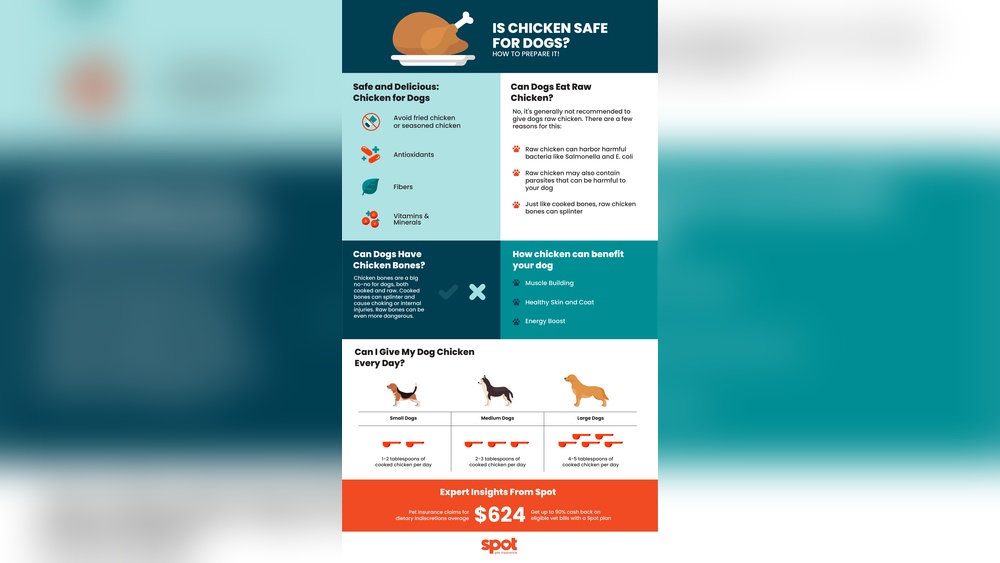
Can Dogs Eat Raw Chicken?
Many dog owners wonder if raw chicken is a safe and healthy food for their pets. Some believe that a natural diet, similar to what wild dogs eat, is best. Others worry about bacteria and health risks. The truth is, feeding raw chicken to dogs is not a simple yes or no answer. There are benefits, dangers, and important details that every dog owner should understand before making this choice. This article will give you a clear, deep look at the facts, risks, and smart practices about dogs eating raw chicken. You’ll learn what happens inside your dog’s body, what vets say, and what real research shows.
Why People Consider Feeding Dogs Raw Chicken
Dog owners often want the best for their pets. Some believe that raw diets are healthier and closer to what dogs ate before they were domesticated. The main reasons people choose raw chicken include:
- Natural diet: Wolves and wild dogs eat raw meat in the wild.
- Shiny coat and healthy skin: Some owners notice better fur and fewer skin problems.
- Smaller stools: Dogs on raw diets often have less waste, which some see as a sign of better digestion.
- Dental benefits: Chewing raw meat and bones may help clean teeth.
- More energy: Some dogs seem livelier when eating fresh foods.
However, these claims are debated, and not all are supported by strong science. It’s important to look at the facts and not just opinions or trends.
What Is In Raw Chicken?
Raw chicken is made up of several parts that can affect your dog’s health:
- Protein: Main building block for muscles and organs.
- Fat: Source of energy, helps with vitamin absorption.
- Water: Keeps dogs hydrated.
- Vitamins and minerals: Like B vitamins, iron, phosphorus, and zinc.
- Bacteria: Raw chicken often carries bacteria like Salmonella and Campylobacter.
Here is a breakdown of the nutrients in 100 grams of raw chicken breast:
| Nutrient | Amount (per 100g) |
|---|---|
| Protein | 22-24 grams |
| Fat | 2-3 grams |
| Calories | 110-120 kcal |
| Water | 74-76 grams |
| Vitamin B6 | 0.5-0.6 mg |
| Phosphorus | 190-200 mg |
| Zinc | 0.9-1 mg |
This shows that raw chicken is rich in protein and water but low in fat and has some important minerals.
Benefits Of Feeding Dogs Raw Chicken
Some dog owners see positive changes when they switch to a raw chicken diet. Here are a few possible benefits:
High-quality Protein
Dogs need protein for muscle, immune health, and energy. Raw chicken is a lean source of protein. For active or growing dogs, this can be a real plus.
Improved Digestion
Many owners report that their dogs have smaller stools and less gas on raw diets. This might mean the food is being digested better.
Dental Health
Chewing on raw chicken wings or necks can help scrape off plaque and keep teeth cleaner. Cooked bones are dangerous, but some raw bones are softer and less likely to splinter.
Shinier Coats
Anecdotal reports say some dogs get a shinier, softer coat and less skin itching on raw chicken diets. This may be due to fresh nutrients and healthy fats.
Fewer Allergies
Some dogs with food allergies improve when switched to a simple raw diet. Raw chicken may be easier for them to tolerate if they have issues with grains or fillers.
More Natural Behavior
Chewing and tearing raw meat can satisfy a dog’s natural instincts. This can reduce boredom and improve behavior.
Risks Of Feeding Dogs Raw Chicken
Although there are possible benefits, there are also serious risks. Not all dogs should eat raw chicken, and some problems can be severe.
Bacterial Infections
Raw chicken can contain dangerous bacteria such as Salmonella and Campylobacter. These can cause vomiting, diarrhea, fever, and dehydration in dogs. Puppies, older dogs, and those with weak immune systems are at higher risk.
Parasites
Raw chicken may carry parasites like tapeworms or roundworms. These can infect your dog and cause health problems.
Bone Dangers
Chicken bones, even raw, can break or splinter. This can cause choking, blockages, or tears in the digestive tract. While raw bones are softer than cooked, there is still a risk.
Nutritional Imbalance
Feeding only raw chicken is not a complete diet. Dogs need other nutrients found in organs, vegetables, and supplements. A diet of only chicken can lead to deficiencies over time.
Human Health Risks
Bacteria from raw chicken can spread to people, especially children or those with weak immune systems. Handling raw meat needs care to avoid cross-contamination in your kitchen.
Cost And Convenience
Raw diets can be more expensive and take more time to prepare. You need to buy, store, and handle fresh meat safely.
What The Research Says
Scientific studies on raw diets for dogs show mixed results.
- A study by the FDA found that 16% of raw pet food tested positive for Salmonella, compared to 1% of cooked food.
- Another study showed that dogs eating raw chicken had a higher risk of carrying Campylobacter, which can cause illness in humans and dogs.
- A 2018 study linked raw chicken to a higher risk of polyradiculoneuritis (a nerve disease similar to Guillain-Barré syndrome in people) in dogs.
These studies suggest that while some dogs handle raw chicken well, there are real risks that owners should not ignore.
Which Dogs Should Never Eat Raw Chicken?
Some dogs are at higher risk for problems if they eat raw chicken:
- Puppies: Their immune systems are not fully developed.
- Senior dogs: Older dogs may have weaker immunity.
- Dogs with health issues: Dogs with cancer, diabetes, or other diseases are more likely to get sick from bacteria.
- Pregnant or nursing dogs: They need extra protection from infection.
- Dogs with pancreatitis: High-fat diets or raw fat can trigger attacks.
If your dog falls into one of these groups, it is safest to avoid raw chicken.
:strip_icc()/GettyImages-1267585468-f498c664f5ff41ddbc41ef357de94288.jpg)
Credit: www.thesprucepets.com
Safe Ways To Feed Dogs Raw Chicken
If you decide to feed raw chicken, there are ways to reduce the risks:
Buy High-quality Meat
Choose fresh, human-grade chicken from a trusted source. Avoid meat that is old or has been sitting out.
Freeze First
Freezing chicken at -4°F (-20°C) for at least three days can kill most parasites. However, it does not remove all bacteria.
Clean Surfaces And Hands
Wash hands, bowls, and surfaces with hot, soapy water after handling raw chicken. This helps stop the spread of bacteria.
Avoid Dangerous Bones
Feed only soft, edible bones like necks or wings. Never give cooked bones, as they splinter more easily.
Balance The Diet
Don’t feed only chicken. Add other meats, organs, and safe vegetables to ensure your dog gets all nutrients.
Watch Your Dog
Observe for any signs of illness after feeding raw chicken. Look for vomiting, diarrhea, tiredness, or changes in behavior. See a vet if you notice problems.
How Much Raw Chicken Can A Dog Eat?
The amount depends on your dog’s weight, age, and activity level. A common rule is to feed 2-3% of your dog’s body weight per day in raw food.
For example:
- A 30-pound (14 kg) dog would need about 0.6–0.9 pounds (270–400 grams) of raw food daily.
- This includes chicken and other ingredients, not just chicken.
Here’s a quick guide:
| Dog Weight | Daily Raw Food Amount (2%) | Daily Raw Food Amount (3%) |
|---|---|---|
| 10 lbs (4.5 kg) | 3.2 oz (90g) | 4.8 oz (135g) |
| 30 lbs (13.6 kg) | 9.6 oz (270g) | 14.4 oz (400g) |
| 50 lbs (22.7 kg) | 16 oz (450g) | 24 oz (680g) |
| 70 lbs (31.8 kg) | 22.4 oz (635g) | 33.6 oz (955g) |
Always adjust the amount based on your dog’s weight, activity, and health.
Can Dogs Eat Raw Chicken Bones?
This is a common question. Some say raw bones are safe, while cooked bones are not. Here’s what you should know:
- Raw chicken bones are softer and easier to chew than cooked bones.
- They can provide calcium and help clean teeth.
- The risk of choking or blockages is still there, especially for small dogs or those that gulp food.
Never leave your dog alone with bones. Always watch closely, and only give bones that are the right size for your dog.
What Parts Of Chicken Can Dogs Eat Raw?
Not all parts of the chicken are the same. Here’s a breakdown:
- Breast and thigh: Good sources of lean protein, less fat than other parts.
- Necks and wings: Often used for chewing, but must be the right size for your dog.
- Feet: High in collagen, good for joints, but must be clean and fresh.
- Organs (liver, heart, gizzard): Very nutritious, but should be only 10–15% of the diet.
- Skin: High in fat, so feed in small amounts only.
Avoid the backbone and larger bones, as these can be too hard or splinter.
Here is a simple comparison of chicken parts and their key values:
| Part | Main Nutrients | Risk Level |
|---|---|---|
| Breast | Protein, B vitamins | Low |
| Thigh | Protein, Fat | Low |
| Neck | Calcium, Protein | Medium |
| Wings | Protein, Fat | Medium |
| Feet | Collagen | Low (if clean) |
| Liver | Iron, Vitamin A | Low (in small amounts) |

Credit: www.naturesmenu.co.uk
Common Mistakes When Feeding Raw Chicken
Many beginners make errors when starting a raw chicken diet for their dogs. Here are the most frequent mistakes:
- Not balancing the diet: Dogs need more than just chicken. Add organs, other meats, and vegetables.
- Feeding too much bone: Too many bones can cause constipation or blockages.
- Not watching for choking: Some dogs swallow bones too quickly.
- Not handling meat safely: Bacteria can spread in your kitchen.
- Ignoring your dog’s health: Not all dogs can handle raw meat, especially if sick or old.
- Feeding large pieces: Cut chicken into sizes that match your dog’s breed and chewing style.
- Not freezing first: Freezing kills most parasites but not all bacteria.
- Skipping vet advice: Always talk to your vet before changing your dog’s diet.
What Do Vets Say About Dogs Eating Raw Chicken?
Most vets in the US and UK are cautious about raw chicken diets. Their main concerns are:
- Bacteria: Risks to dogs and humans.
- Nutritional balance: Hard to achieve with raw meat alone.
- Bones: Risk of injury.
However, some holistic or raw diet vets support feeding raw, if done safely and carefully. They often recommend:
- Mixing in other meats and organs.
- Using supplements to cover any gaps.
- Buying high-quality meat.
- Watching for signs of illness.
It’s wise to find a vet who understands both sides and can guide you based on your dog’s needs.

Credit: www.foresthillvet.com.au
What About Store-bought Raw Dog Food?
There are many commercial raw dog foods that include chicken. These are often ground and balanced with other ingredients.
Pros:
- More balanced nutrition.
- Less risk of choking.
- Easier to handle and store.
Cons:
- Still may carry bacteria.
- Can be expensive.
- Quality varies by brand.
Always check labels and reviews, and buy from trusted companies.
Signs Your Dog Is Not Handling Raw Chicken Well
Not every dog will thrive on raw chicken. Watch for these warning signs:
- Vomiting or diarrhea
- Lethargy or weakness
- Coughing or choking
- Constipation or straining
- Loss of appetite
- Unusual drooling
If you notice these, stop feeding raw chicken and see your vet. Sometimes, even a small piece can cause problems, especially if your dog eats too fast or has health issues.
How To Switch Your Dog To A Raw Chicken Diet
If you want to move your dog to a raw diet, do it slowly:
- Start by mixing small amounts of raw chicken with your dog’s regular food.
- Increase the amount of raw chicken over 7–10 days.
- Watch for digestive upset. Slow down if your dog gets sick.
- Add in other meats, organs, and vegetables gradually.
- Make sure fresh water is always available.
Switching too fast can cause stomach upset or diarrhea. Every dog is different, so go at your pet’s pace.
Real-life Stories: What Dog Owners Say
Some dog owners share positive experiences with raw chicken:
- “My Labrador’s coat became much shinier after switching to a raw diet.”
- “My dog stopped having skin allergies once we removed dry kibble and started raw chicken.”
- “Our vet warned us about bacteria, but we’ve had no problems with careful handling.”
Others, however, have faced issues:
- “My small dog choked on a chicken neck—never again.”
- “After one week, my dog had bad diarrhea and needed antibiotics.”
These stories show that results can vary. Each dog is unique, and what works for one may not work for another.
Tips For Safe And Healthy Raw Chicken Feeding
If you choose to feed your dog raw chicken, these tips can help:
- Buy from reputable sources.
- Store chicken in the freezer until use.
- Thaw in the fridge, not on the counter.
- Wash bowls and surfaces right after feeding.
- Supervise your dog when eating bones.
- Include a variety of foods for balance.
- Visit your vet for regular health checks.
One insight many owners miss: Rotate protein sources. Don’t feed only chicken—mix in beef, turkey, or fish for better nutrition and lower risk of allergies.
Another tip: Keep a feeding diary. Track what your dog eats, how much, and any changes in health. This helps spot problems early.
Alternatives To Raw Chicken
If you’re not sure about raw chicken, there are other ways to feed your dog:
- Cooked chicken: Safer, but remove bones and skin.
- Freeze-dried raw diets: Less risk of bacteria, but more expensive.
- High-quality kibble: Easy and safe, but some dogs have allergies or dislike it.
- Homemade balanced meals: With guidance from a vet or pet nutritionist.
Each option has pros and cons, so choose what fits your dog and lifestyle.
For more information, you can check the advice from the American Veterinary Medical Association.
Frequently Asked Questions
Can Puppies Eat Raw Chicken?
Puppies should not eat raw chicken. Their immune systems are not fully developed, making them more likely to get sick from bacteria. It’s safer to feed puppies cooked meats or a balanced commercial puppy food until they are older.
How Do I Know If Raw Chicken Is Making My Dog Sick?
Watch for signs like vomiting, diarrhea, tiredness, or loss of appetite. If your dog shows any of these symptoms after eating raw chicken, stop feeding it immediately and contact your vet. Early action can prevent serious illness.
Are Raw Chicken Wings Safe For Dogs?
Raw chicken wings can be safe for some dogs, but there is a risk of choking or digestive blockages, especially in small dogs or those that gulp food. Always supervise your dog, give the right size, and make sure the wings are fresh and clean.
Can Raw Chicken Cause Allergies In Dogs?
Yes, any food can cause allergies, including raw chicken. Signs of a chicken allergy include itching, red skin, ear infections, or stomach upset. If you suspect an allergy, try a different protein and talk to your vet.
Is It Better To Feed Cooked Or Raw Chicken?
Cooked chicken is safer because cooking kills bacteria and parasites. However, cooked bones are very dangerous and should never be fed. Raw chicken is closer to a natural diet but carries more risk. The best choice depends on your dog’s health, your comfort with handling raw meat, and advice from your vet.
Feeding dogs raw chicken is a choice that requires careful thought and smart practices. It offers possible health benefits but also real risks. Each dog is different, so what works for one may not work for another. If you decide to feed raw chicken, do it safely, watch your dog closely, and work with a trusted vet.
Your dog’s health is worth the extra care and attention.