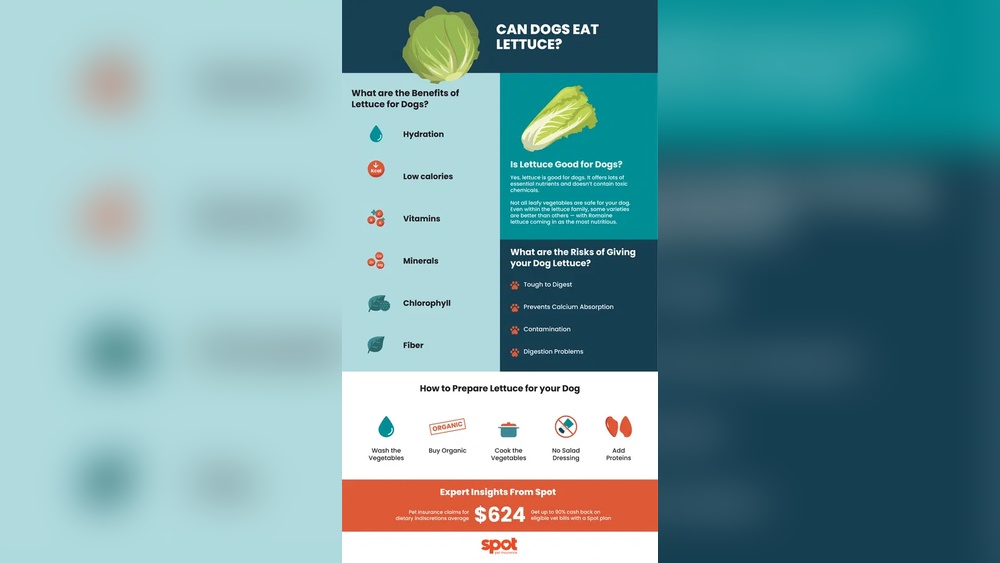
Many dog owners wonder if sharing a crunchy lettuce leaf with their furry friend is safe. You might be making a salad, and your dog sits close, hoping for a bite. Is it okay to give in? The simple answer is yes—dogs can eat lettuce.
But, as with many things, there’s more you should know before turning your dog into a salad fan. This article gives you clear, complete guidance on feeding lettuce to dogs, including the benefits, risks, preparation tips, and much more. By the end, you’ll know exactly how lettuce fits into your dog’s diet.
Is Lettuce Safe For Dogs?
Lettuce is not toxic to dogs. Most types, including romaine, iceberg, and butterhead, are considered safe in moderation. Lettuce is mostly water, which means it’s low in calories and unlikely to cause weight gain. However, safety goes beyond just avoiding toxins. You should also think about choking hazards, digestive issues, and how lettuce fits into your dog’s overall nutrition.
Some dogs have sensitive stomachs. Introducing any new food, even something as gentle as lettuce, can sometimes cause mild stomach upset, such as loose stool or gas. Start with a small piece and watch how your dog reacts. If you see any vomiting, diarrhea, or signs of discomfort, stop feeding lettuce and talk to your veterinarian.
Nutritional Value Of Lettuce For Dogs
Lettuce is not a nutritional powerhouse, but it does contain some useful nutrients. Here’s a quick look at what you’ll find in 100 grams of romaine lettuce:
| Nutrient | Amount | Why It Matters for Dogs |
|---|---|---|
| Water | 95g | Keeps dogs hydrated |
| Calories | 17 kcal | Low-calorie treat |
| Fiber | 2g | Supports digestion |
| Vitamin A | 4360 IU | Supports vision and immune health |
| Vitamin K | 48 mcg | Helps with blood clotting |
| Folate | 64 mcg | Cell growth and function |
| Potassium | 247 mg | Muscle and nerve health |
These nutrients support your dog’s basic health, but lettuce should never replace a complete dog food. It’s best seen as a healthy snack or a way to add crunch to their diet.
Health Benefits Of Lettuce For Dogs
Giving your dog lettuce can be a healthy choice when done right. Here’s how it helps:
1. Low-calorie Treat
Lettuce is mostly water, so it adds volume to your dog’s diet without adding extra calories. This is great for dogs who need to watch their weight or those on a diet.
2. Hydration
On hot days or after exercise, lettuce can help keep your dog hydrated. While it’s not a replacement for water, its high water content is a bonus.
3. Dietary Fiber
Fiber in lettuce supports healthy digestion. Small amounts can help regulate bowel movements and prevent constipation.
4. Vitamins And Minerals
Lettuce contains vitamin A, vitamin K, and potassium, which support your dog’s eyesight, immune system, and bone health.
5. Mental Stimulation
The crunch and texture of lettuce can be mentally engaging. Dogs enjoy new tastes and sensations, and crunchy foods can help with boredom.
Non-obvious insight: Many dogs find the act of chewing lettuce satisfying, especially if they are on restricted diets and miss out on other treats.
Risks And Precautions
Even though lettuce is safe, there are some risks to keep in mind:
1. Digestive Upset
Some dogs may get gas or diarrhea after eating lettuce, especially if they eat too much. Introduce it slowly and watch for any changes in your dog’s stool.
2. Choking Hazard
Large pieces of lettuce can be hard to chew, especially for small dogs. Always cut lettuce into bite-sized pieces to prevent choking.
3. Pesticides And Chemicals
Store-bought lettuce may have pesticide residues. Wash all lettuce carefully before giving it to your dog.
4. Not A Complete Meal
Lettuce lacks protein and essential fats. It should never replace regular dog food.
5. Possible Allergies
It’s rare, but some dogs can have food allergies or sensitivities. If you notice any itching, swelling, or trouble breathing, stop feeding lettuce and contact your vet.
Practical tip: If your dog has never had leafy greens before, start with a tiny piece and wait 24 hours before offering more.
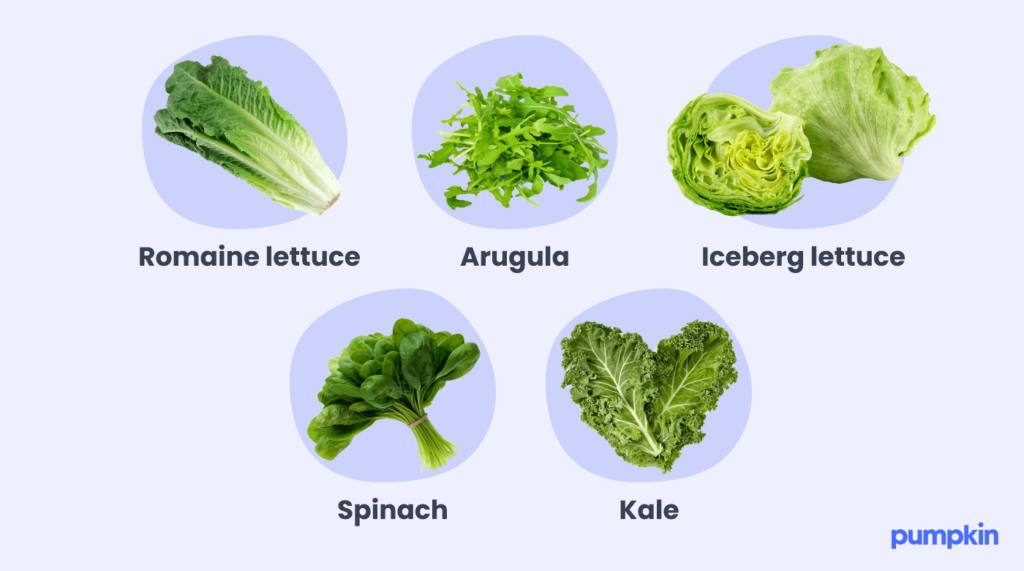
Types Of Lettuce: Which Are Best For Dogs?
Not all lettuces are the same. Here’s how the most common varieties compare for dogs:
| Type | Texture | Main Nutrients | Best For |
|---|---|---|---|
| Romaine | Crisp, firm | Vitamin A, K, Folate | Most dogs, easy to chew |
| Iceberg | Very crisp | Mainly water, little nutrition | Hydration, less nutrition |
| Butterhead (Boston/Bibb) | Soft, tender | Vitamin A, K | Small or older dogs |
| Leaf Lettuce (Red/Green) | Loose, soft | Vitamin K, A | Dogs with sensitive teeth |
Romaine lettuce is usually the best choice because it has more nutrients. Iceberg is safe but has less nutrition. Butterhead and leaf lettuce are soft and easy to eat.
Non-obvious insight: Avoid giving your dog wilted or spoiled lettuce, which can harbor bacteria that cause stomach upset.
How To Prepare Lettuce For Dogs
How you serve lettuce matters. Here’s a step-by-step guide:
1. Choose Fresh Lettuce
Pick bright, crisp leaves. Avoid any with brown spots, slimy texture, or bad smell.
2. Wash Thoroughly
Rinse each leaf under cold water to remove dirt and pesticides.
3. Cut Into Small Pieces
Chop lettuce into bite-sized pieces to reduce the risk of choking. For puppies and small breeds, make the pieces even smaller.
4. Serve Plain
Do not add salad dressing, oil, salt, or spices. These can upset your dog’s stomach or even be toxic.
5. Serve Raw Or Lightly Steamed
Raw lettuce is fine, but some dogs prefer it slightly steamed for easier digestion. Avoid frying or sautéing.
6. Mix With Dog Food
If your dog is unsure about the new taste, try mixing small pieces of lettuce into their regular food.
7. Start Small
Give just a few pieces at first and monitor your dog’s reaction.
Practical example: If you’re eating a salad, set aside a few clean lettuce leaves before adding dressing or toppings. Give those plain leaves as a treat.
How Much Lettuce Can Dogs Eat?
Lettuce should be an occasional treat, not a staple. For most dogs, a few small pieces (about 1-2 tablespoons) is enough. As a rule, treats and extras (including lettuce) should not make up more than 10% of your dog’s daily calories.
Serving size by dog weight:
- Small dogs (under 20 lbs): 1–2 small pieces (1 tablespoon)
- Medium dogs (20–50 lbs): 2–4 pieces (2 tablespoons)
- Large dogs (50+ lbs): Up to 1/4 cup, chopped
Real-world tip: Too much lettuce can lead to loose stools or diarrhea. Always stick to small amounts, especially if your dog is new to leafy greens.
Lettuce Vs. Other Vegetables For Dogs
You might wonder how lettuce compares to other vegetables that are safe for dogs. Here’s a quick comparison:
| Vegetable | Calories (per 100g) | Fiber | Vitamins | Digestibility |
|---|---|---|---|---|
| Lettuce | 17 | 2g | A, K, Folate | Easy |
| Carrot | 41 | 2.8g | A, K, B6 | Moderate |
| Green Bean | 31 | 2.7g | A, C, K | Easy |
| Broccoli | 34 | 2.6g | C, K, Folate | Moderate |
| Cucumber | 16 | 0.5g | K | Easy |
Lettuce is low in calories and fiber, making it a gentle choice for dogs who need a light snack. But it doesn’t have as many vitamins or minerals as carrots or broccoli.
Expert tip: Rotate different vegetables for variety. Don’t rely on lettuce alone for nutrients.
Can Puppies Eat Lettuce?
Yes, puppies can have lettuce, but you need to be extra careful. Their digestive systems are more sensitive, and they can choke more easily. Always cut lettuce into tiny pieces. Start with just a nibble and watch for any sign of upset.
If your puppy has diarrhea, stop feeding lettuce and try again when their stomach is more mature.
Puppies should get most of their calories from a balanced puppy food. Lettuce is only an occasional treat.
Dogs With Special Diets: Is Lettuce Ok?
If your dog has health problems, you might wonder if lettuce is safe. Here’s what you need to know:
- Overweight dogs: Lettuce is a good low-calorie treat.
- Dogs with diabetes: Lettuce has almost no sugar, so it’s safe in small amounts.
- Dogs with kidney issues: Lettuce is low in phosphorus, so it’s usually safe, but always check with your vet.
- Dogs with allergies: Lettuce is not a common allergen, but monitor closely the first time.
If your dog is on a prescription diet, always ask your veterinarian before giving new foods.
When To Avoid Giving Lettuce
Lettuce is not for every dog or every situation. Skip lettuce if:
- Your dog has a known allergy to leafy greens.
- Your dog is vomiting, has diarrhea, or an upset stomach.
- The lettuce is wilted, moldy, or slimy.
- The lettuce is covered with dressing, oil, or seasonings.
- Your dog is a very young puppy (under 8 weeks).
Experience-based warning: If your dog has a history of stomach problems, it’s better to avoid raw vegetables and stick to their regular diet.
Common Mistakes When Feeding Lettuce To Dogs
Even well-meaning owners can make mistakes. Watch out for these:
- Giving too much at once: Leads to diarrhea or gas.
- Not washing lettuce: Pesticides can make dogs sick.
- Large pieces: Choking risk, especially for small dogs.
- Adding human toppings: Dressing, cheese, or bacon bits are not safe.
- Feeding spoiled lettuce: Increases risk of stomach upset or infection.
Practical tip: Always supervise your dog the first time they eat lettuce.
Signs Of Trouble After Eating Lettuce
Most dogs do fine with a little lettuce. Still, know what to watch for:
- Vomiting
- Diarrhea
- Excessive drooling
- Loss of appetite
- Signs of choking (coughing, gagging)
- Swelling or itching (rare)
If your dog shows any of these signs, stop feeding lettuce and call your veterinarian. Problems are rare, but it’s always better to be cautious.
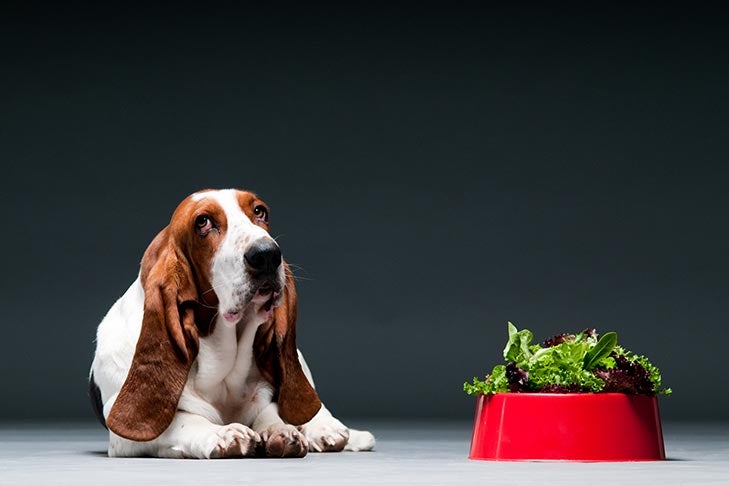
Creative Ways To Serve Lettuce To Dogs
Plain lettuce is safe, but some dogs find it boring. Here are ideas to make it more fun:
- Lettuce Wraps: Wrap a small piece of lean, cooked chicken in a lettuce leaf.
- Frozen Crunch: Freeze chopped lettuce in ice cubes for a cool summer snack.
- Mix with Other Safe Veggies: Combine lettuce with carrots or green beans for a crunchy salad.
- Dog Salad Topper: Sprinkle chopped lettuce over regular dog food.
- Training Treats: Use small pieces as low-calorie rewards during training.
Real-life example: Some owners use lettuce as a “filler” in puzzle toys, which helps slow down fast eaters.
Credit: www.akc.org
Lettuce And Dental Health
Crunchy foods like lettuce can help scrape plaque from teeth. However, lettuce is not as effective as dog-specific dental chews. Still, chewing on lettuce gives some gentle cleaning and freshens breath.
Important: Lettuce is not a substitute for regular tooth brushing or dental checks.
Lettuce In Commercial Dog Foods
Some commercial dog foods and treats add lettuce powder for fiber or texture. This is safe but doesn’t add much nutrition. Always read labels and choose products with clear, simple ingredients.
Credit: www.pumpkin.care
Can Lettuce Be Toxic To Dogs?
Plain lettuce is not toxic. However, there are some related plants, like wild lettuce (Lactuca virosa), that can be dangerous. Never let your dog eat unknown plants from the garden or wild areas.
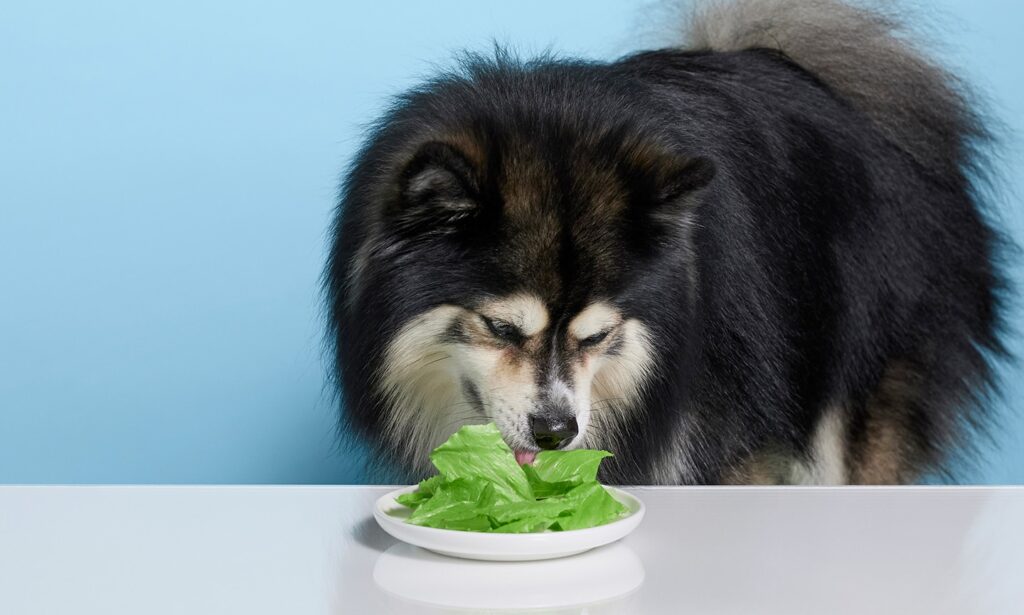
What About Lettuce Stems And Cores?
The leafy part of lettuce is best. Stems and cores are tougher and can be harder to digest. They also pose a higher choking risk, especially for small dogs. If you give stems, chop them very small.
Credit: www.chewy.com
Lettuce And Dogs With Sensitive Stomachs
Some dogs have trouble digesting even small amounts of raw vegetables. If your dog has a sensitive stomach, try steaming the lettuce before serving. This softens the fibers and makes it easier to digest.
Tip: If your dog has chronic digestive problems, lettuce (and other raw veggies) may not be a good idea.
Lettuce Allergies In Dogs
It’s rare, but dogs can be allergic to almost any food, including lettuce. Signs include itching, swelling, hives, or facial swelling. If you see these signs, stop giving lettuce and contact your veterinarian.
Fact: Food allergies are more common with proteins (like chicken or beef) than with vegetables, but it’s always wise to watch for reactions.
How Lettuce Can Fit Into A Balanced Dog Diet
Lettuce can add variety and texture, but it should never make up a large part of your dog’s diet. Use it as an occasional treat or reward. Dogs need protein, fat, vitamins, and minerals from high-quality dog food. Lettuce is just a “bonus” for most dogs.
Calm expert tip: If you want to feed more vegetables, consider mixing different types and always keep the total amount under 10% of your dog’s daily calories.
Research And Veterinary Opinions
Veterinarians generally agree that lettuce is a safe, low-calorie treat for most dogs. However, they remind owners that it adds little nutrition and shouldn’t replace regular food.
A recent survey found that about 20% of dog owners give their pets vegetables, with lettuce among the most common. Most report no problems, but a few mention mild digestive upset.
For more science-based information, you can read about dog nutrition on the ASPCA website.
Frequently Asked Questions
Can All Breeds Of Dogs Eat Lettuce?
Yes, all breeds can eat lettuce, but the serving size and preparation may vary. Small breeds need smaller pieces to avoid choking, while larger breeds can handle bigger bites. Always introduce new foods slowly and monitor for any signs of digestive upset.
Is Lettuce Better Cooked Or Raw For Dogs?
Both are safe, but raw lettuce provides crunch, which many dogs enjoy. If your dog has a sensitive stomach, steaming the lettuce can make it easier to digest. Never add oil, butter, or spices.
What Kind Of Lettuce Is Best For Dogs?
Romaine lettuce is a good choice because it has more vitamins and minerals. Butterhead and leaf lettuce are also safe and easy to chew. Iceberg is okay but has less nutrition.
Can Lettuce Help Dogs With Constipation?
A little lettuce can help because it adds fiber and water, which aid digestion. However, too much can cause diarrhea. For chronic constipation, always consult your veterinarian.
What Should I Do If My Dog Ate Too Much Lettuce?
If your dog eats a large amount of lettuce, they might get diarrhea or gas. Give them plenty of water and watch for signs of discomfort. If symptoms are severe or last more than a day, contact your veterinarian.
—
Giving your dog lettuce can be a healthy, low-calorie treat when offered in the right way. Remember to keep portions small, wash thoroughly, and always serve it plain. While lettuce is not a superfood, it adds variety and crunch to your dog’s diet.
Pay attention to your dog’s reaction, and don’t hesitate to ask your veterinarian if you have concerns. With the right approach, both you and your dog can enjoy those fresh, green leaves together.