Are Apples Safe For Dogs?
Dogs are part of the family. You want to give them treats that are not only tasty, but also healthy. Many dog owners wonder about fruits—especially apples. You might have asked yourself, “Are apples safe for dogs? ” The answer is not as simple as a yes or no.
Apples can be a nutritious snack, but there are important things to know before sharing this popular fruit with your furry friend.
This article explains everything about dogs and apples. You will learn about the benefits, risks, how to serve apples safely, and what to avoid. We’ll also cover special cases, like puppies and older dogs, and answer the most common questions.
If you want your dog to enjoy apples safely, read on.
Why Dog Owners Want To Give Apples
Apples are everywhere. They are sweet, crunchy, and easy to find. People eat apples for their health benefits—so it’s natural to wonder if dogs can enjoy them too. Many commercial dog treats use apples for flavor and nutrition. Some owners use apple slices as a low-calorie treat during training.
Others use apples to help clean their dog’s teeth.
There is also curiosity about variety. Dogs get bored with the same food every day. Offering different fruits or vegetables can make life more interesting for them. Apples seem like a safe choice, but it’s important to understand the details before sharing.
Nutritional Value Of Apples For Dogs
Apples are packed with nutrients that can benefit both humans and dogs. Here’s what apples contain and how they can help your dog:
- Vitamins: Apples are rich in Vitamin C and Vitamin A. Vitamin C helps keep the immune system strong. Vitamin A supports healthy eyes and skin.
- Fiber: The fiber in apples can help with digestion. It can make your dog feel fuller, which is helpful if your dog needs to lose weight.
- Antioxidants: Apples have plant compounds called antioxidants. These can reduce inflammation and protect cells from damage.
- Low Calories: Apples are low in calories and fat. This makes them a good treat for dogs on a diet.
But apples are also high in natural sugar. Too much sugar is not good for dogs. That’s why moderation is key.
| Nutrient | Amount (per 100g apple) | Benefit for Dogs |
|---|---|---|
| Calories | 52 kcal | Low-calorie treat |
| Vitamin C | 4.6 mg | Boosts immune system |
| Fiber | 2.4 g | Supports digestion |
| Sugar | 10 g | Quick energy, but should be limited |
Most dogs can handle a slice or two without any problems. But giving your dog half an apple or more at once is too much. Always start small and watch for any reactions.
The Benefits Of Apples For Dogs
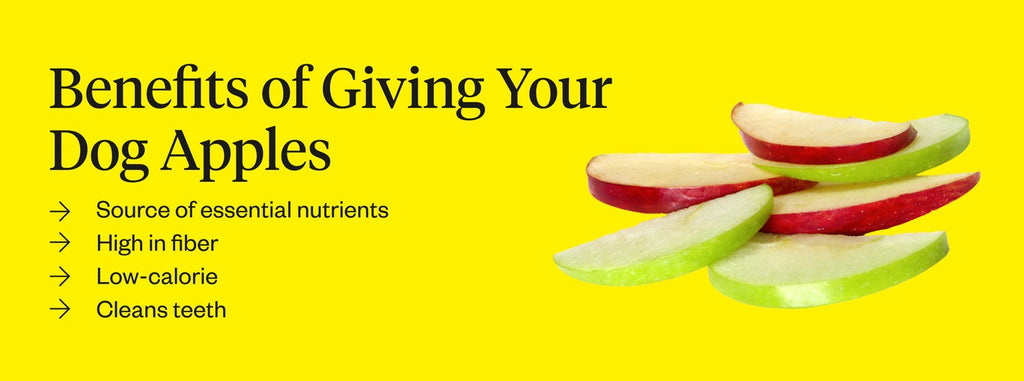
Apples offer several advantages as a dog treat. Here are the main benefits:
1. Healthy Snack Option
Dogs love crunchy treats. Apples have a satisfying crunch and natural sweetness. Unlike many store-bought treats, apples are low in calories and fat. This can help you manage your dog’s weight.
2. Good For Teeth
Chewing apple slices can help scrape away soft plaque on your dog’s teeth. This is not a substitute for brushing, but it does help keep their mouth cleaner between brushings.
3. Supports Digestion
The fiber in apples can make your dog’s digestive system work better. If your dog is constipated, a small piece of apple can help move things along. But too much fiber at once can cause an upset stomach.
4. Hydration
Apples are over 80% water. Giving your dog small pieces of apple on a hot day can help them stay hydrated.
5. Boosts Immunity
The vitamins and antioxidants in apples support your dog’s immune system. This helps them fight off sickness and recover faster from minor illnesses.
6. Gentle On Sensitive Stomachs
Most dogs can handle apples better than richer, fatty treats. If your dog has a sensitive stomach, apples can be a good alternative—just be sure to introduce them slowly.
Risks And Dangers Of Apples For Dogs
While apples are mostly safe, there are important risks to know. Ignoring these can harm your dog.
1. Apple Seeds Contain Cyanide
The biggest danger in apples is the seeds. Apple seeds contain a substance called amygdalin. When chewed and digested, amygdalin can turn into cyanide—a toxic chemical. Dogs would need to eat many seeds to get sick, but it’s not worth the risk. Always remove the core and seeds before giving apple to your dog.
2. Choking Hazard
Apple slices are generally safe, but whole apples or large chunks can get stuck in your dog’s throat. Small dogs are at higher risk. Always cut apples into bite-sized pieces.
3. Upset Stomach
Some dogs have sensitive stomachs. Too much apple can cause diarrhea or vomiting. Start with a small amount and watch for signs of discomfort.
4. Allergic Reactions
A small number of dogs are allergic to apples. Symptoms include itching, swelling, or trouble breathing. If you see these signs, stop giving apples and call your vet.
5. Apple Cores
The core is tough and hard to digest. It can cause a blockage in your dog’s gut if swallowed. Always throw the core away.
6. High Sugar Content
Even though the sugar in apples is natural, too much can lead to weight gain or even diabetes in some dogs. Stick to a few small pieces and avoid giving apples daily.
| Risk | Level of Danger | Precaution |
|---|---|---|
| Seeds (Cyanide) | High | Remove all seeds |
| Choking | Medium | Cut apples into small pieces |
| Upset Stomach | Low-Medium | Give small amounts |
| High Sugar | Low (in small amounts) | Limit portion size |
How To Safely Serve Apples To Dogs
Apples can be a healthy treat if you serve them the right way. Here’s how to do it:
1. Wash The Apple
Pesticides and dirt can stay on the skin of the apple. Wash it well under running water before cutting.
2. Remove Core And Seeds
Never give your dog the apple core or seeds. Use a knife or apple corer to remove them completely.
3. Cut Into Small Pieces
Slice the apple into small, bite-sized pieces that match your dog’s size. For small dogs, cut even smaller.
4. Serve In Moderation
A few pieces are enough. One or two slices a day is safe for most dogs. For small breeds, start with half a slice.
5. Watch For Reactions
After the first time, check your dog for any signs of stomach upset or allergy. If your dog vomits or gets diarrhea, stop giving apples.
6. Use As Training Treats
Apples can make great low-calorie training rewards. Just remember to count these into your dog’s daily treat limit.
7. Avoid Apple-flavored Or Processed Foods
Stay away from apple pie, applesauce with added sugar, or dried apple chips made for people. They often contain added sugar, spices, or artificial ingredients that are unsafe for dogs.
Which Dogs Should Avoid Apples?
Most dogs can eat apples, but there are some exceptions.
1. Dogs With Diabetes
Apples have natural sugar. If your dog has diabetes or is overweight, ask your vet before offering apples.
2. Dogs With Food Allergies
If your dog is allergic to apples or has a history of fruit allergies, avoid giving apples.
3. Puppies
Puppies have sensitive stomachs. If you want to give apples to a puppy, start with a tiny piece and wait 24 hours to see if there is any reaction.
4. Dogs With Dental Issues
If your dog has broken teeth or gum disease, the crunchiness of apples could be painful. Soft, cooked apple (with no sugar or spices) may be an option, but check with your vet.
5. Dogs With Digestive Problems
Dogs with ongoing digestive issues may not handle the fiber in apples well. Talk to your vet before trying.
Credit: www.petmagasin.com
How Much Apple Is Safe For A Dog?
Serving size depends on your dog’s weight and size. Here are some general guidelines:
- Small dogs (under 20 lbs): 1–2 small slices (about 1/8 of an apple)
- Medium dogs (20–50 lbs): 2–3 slices (about 1/4 of an apple)
- Large dogs (over 50 lbs): 3–4 slices (about 1/3 of an apple)
Do not give your dog a whole apple at once. Too much fiber and sugar can lead to problems. Use apples as an occasional treat—not a daily habit.
Best Ways To Serve Apples To Dogs
There are many ways to add apples to your dog’s diet. Here are some ideas:
1. Plain, Fresh Apple Slices
This is the simplest and safest way. Just wash, core, and cut the apple into pieces.
2. Frozen Apple Chunks
Freeze small apple pieces for a cool treat in the summer. This soothes teething puppies (in tiny amounts).
3. Apple Mixed With Dog Food
Chop a small amount of apple and mix it with your dog’s regular food. Make sure it is in moderation.
4. Homemade Apple Dog Treats
You can bake simple treats at home using apple, pumpkin, and oat flour. Avoid recipes with sugar, salt, or spices.
5. Dehydrated Apple Slices
If you have a food dehydrator, make plain dried apple chips (no sugar or additives). Make sure they are chewy, not too hard, to avoid choking.
6. Apple And Peanut Butter
A thin slice of apple with a tiny amount of unsweetened, xylitol-free peanut butter is a favorite for many dogs. Never use peanut butter with xylitol—it is deadly for dogs.
7. Apple “ice Cubes”
Blend apple with water, pour into ice cube trays, and freeze. Give as an occasional treat in hot weather.

Credit: www.youtube.com
Apples Vs. Other Fruits For Dogs
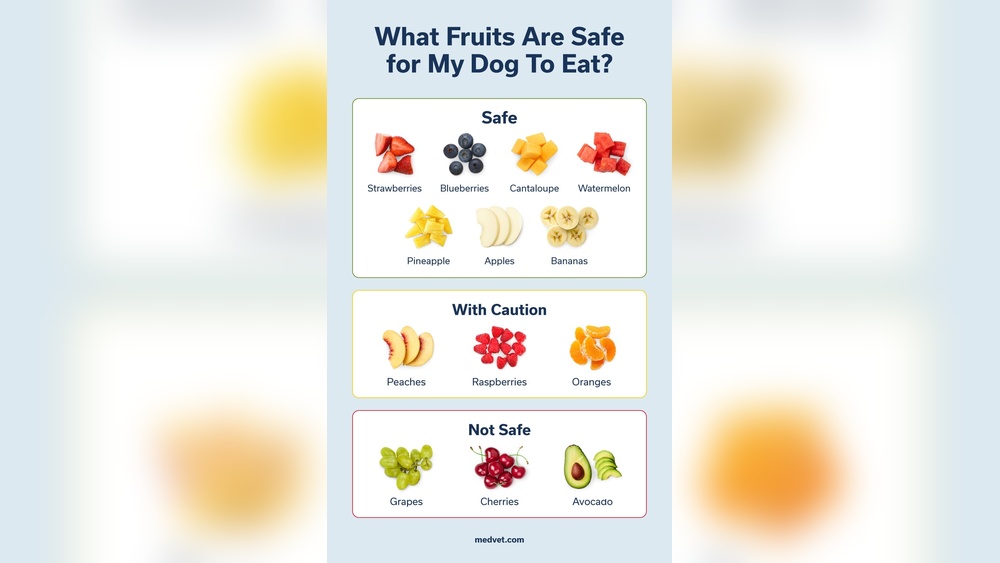
Many fruits are safe for dogs in small amounts, but not all. Here’s how apples compare to other popular fruits:
| Fruit | Safe for Dogs? | Main Risks |
|---|---|---|
| Apple | Yes (core/seeds removed) | Seeds (cyanide), choking |
| Banana | Yes (in moderation) | High sugar, constipation if too much |
| Grapes | No | Kidney failure (even small amounts) |
| Blueberries | Yes | None (unless allergy) |
| Cherries | No | Pit (cyanide), choking, stomach upset |
| Watermelon | Yes (no seeds/rind) | Choking (seeds/rind) |
| Orange | Yes (in small amounts) | Stomach upset from acid/sugar |
Notice that grapes and cherries are very dangerous. Apples are much safer if you remove the risky parts.
Common Mistakes When Giving Apples To Dogs
Many dog owners make simple mistakes with apples. Avoid these common errors:
1. Not Removing The Seeds And Core
Even a few seeds can be risky over time. Always take them out.
2. Giving Too Much Apple
Dogs don’t need much fruit. Too much can cause stomach upset and weight gain.
3. Ignoring Allergies Or Sensitivities
Start with a small piece and watch your dog carefully.
4. Using Processed Apple Products
Applesauce, pie filling, and dried apple snacks for people are usually unhealthy for dogs. They often have sugar or other additives.
5. Forgetting To Wash The Apple
Pesticides can stay on the skin. A quick wash can remove most of them.
6. Not Supervising
If you have a puppy or a dog that gulps food, always supervise when giving apple pieces.
Credit: aurabio.com
What To Do If Your Dog Eats Apple Seeds Or Core
Sometimes dogs get into things they should not. If your dog eats a few apple seeds or a piece of core by accident, don’t panic. A small amount is unlikely to cause harm right away. But if your dog eats a lot of seeds or several cores, call your veterinarian.
Watch for signs of poisoning, such as:
- Trouble breathing
- Dilated pupils
- Bright red gums
- Vomiting
- Collapse
If you see these signs, get emergency help right away.
Special Considerations: Puppies, Senior Dogs, And Dogs With Health Issues
Puppies
Puppies are curious and like to chew. Give only a tiny piece of apple at first. Wait to see if there’s any reaction. Apples are not a replacement for puppy food.
Senior Dogs
Older dogs may have sensitive teeth or gums. Soft, peeled apple slices may be easier for them. Check with your vet before making any diet changes.
Dogs With Chronic Illness
If your dog has kidney disease, diabetes, or another long-term health problem, ask your vet before adding apples to their diet. The extra sugar or fiber can sometimes make health issues worse.
Myths About Apples And Dogs
There are many myths about apples. Let’s clear up a few:
- Myth: “A dog can eat a whole apple safely.”
Fact: The seeds and core are dangerous.
- Myth: “Apple seeds are harmless unless chewed.”
Fact: Dogs often chew food, and even small amounts over time can build up toxins.
- Myth: “Apple treats are always healthy.”
Fact: Many store-bought apple treats contain sugar or xylitol (which is deadly for dogs).
- Myth: “All dogs love apples.”
Fact: Some dogs dislike apples, and that’s okay. Never force them.
Non-obvious Tips For Feeding Apples
Many articles skip small but important details. Here are two non-obvious insights:
- Rotate Apples with Other Treats: Always giving the same treat (even apples) can cause boredom and limit nutrition. Rotate with other safe fruits and veggies for variety.
- Watch for Changes in Poop: Apples add fiber. If your dog’s poop changes in color or consistency after apples, reduce or stop giving them. It’s a sign their body is adjusting, or not handling it well.
A third tip: If your dog is on medication, check with your vet. Apples can sometimes affect the absorption of certain drugs due to fiber.
When To Call The Vet
Apples are generally safe, but call your vet if:
- Your dog eats a large number of seeds or cores
- You see signs of allergy (swelling, itching, vomiting)
- Your dog has ongoing diarrhea after eating apples
- You have a puppy, senior, or sick dog and want to add apples to their diet
It’s always better to be careful. Your vet can help you make the safest choices for your dog.
Evidence And Studies
Research on apples and dogs is not as deep as for humans, but experts agree apples are safe in moderation with proper preparation. For more details, you can read about pet nutrition at the ASPCA.
Frequently Asked Questions
Can Dogs Eat Apple Skin?
Yes, dogs can eat apple skin if it is washed well. The skin contains extra fiber and antioxidants. For dogs with sensitive stomachs or those who are new to apples, peel the apple first.
Are Green Apples Better Than Red Apples For Dogs?
Both green and red apples are safe for dogs. Green apples (like Granny Smith) are more tart and have slightly less sugar. Red apples are sweeter. Choose whichever your dog prefers, but always remove seeds and core.
Can Apples Help With My Dog’s Bad Breath?
Yes, chewing apple slices can help reduce mild bad breath by cleaning some plaque and food residue. However, it will not cure serious dental problems. Brush your dog’s teeth regularly for best results.
What Should I Do If My Dog Accidentally Eats Apple Seeds?
If your dog eats a few seeds, watch for signs of sickness. A small amount rarely causes problems. If your dog eats a lot of seeds or you see symptoms like vomiting or trouble breathing, call your vet immediately.
How Often Can I Give My Dog Apples?
Apples should be an occasional treat, not a daily snack. Once or twice a week is enough for most dogs. Too much apple can cause stomach upset or weight gain due to sugar.
Dogs love treats, and apples can be a safe, healthy choice if you follow the simple rules above. Always remember to remove the seeds and core, start with small pieces, and watch your dog for any reactions. When in doubt, your veterinarian is the best source of advice.
Sharing an apple with your dog can be fun and healthy—but only if you do it the right way.