What Fruits Can Dogs Eat? Safe Choices is a question every dog owner asks at some point, often right when your pup stares at your snack. The short answer is yes—many fruits like apples, blueberries, and bananas are safe in small amounts. I’ve tried a few with my own dog, and it’s amazing how excited they get over simple, healthy treats. As someone who studies pet nutrition closely, I’ll walk you through the best safe picks—so keep reading before you share your next bite.
Why Share Fruit With Your Dog?
Fruit can be more than a tasty treat. Many fruits are packed with vitamins, minerals, and antioxidants. These nutrients can help boost your dog’s immune system, support healthy skin and coat, and aid digestion. For example, vitamin C helps fight inflammation, while fiber can keep your dog’s gut in good shape.
However, fruit should only be a small part of your dog’s diet. Dogs are mainly carnivores, and their bodies are built for meat and vegetables, not large amounts of sugar. Too much fruit can lead to upset stomach, diarrhea, or even weight gain.
The best approach is to use fruit as an occasional snack or reward, not a daily meal.
Fruits That Are Safe For Most Dogs
Let’s break down some of the most popular fruits that dogs can enjoy. Each fruit comes with its own set of benefits, preparation tips, and things to watch out for.
1. Apples
Apples are crunchy, low in calories, and high in fiber. They are a good source of vitamins A and C. Dogs usually love the sweet, crisp taste.
- How to serve: Wash, core, and remove all seeds. Apple seeds contain cyanide, which can be toxic in large amounts. Cut the apple into small slices.
- Benefits: Helps clean teeth and freshen breath. Fiber aids digestion.
- Risks: Never give whole apples or the core.
2. Bananas
Bananas are soft, sweet, and easy to digest. They are rich in potassium, vitamin B6, and vitamin C.
- How to serve: Peel and cut into bite-sized pieces.
- Benefits: Good for muscle and nerve health.
- Risks: High in sugar, so use as an occasional treat, especially for overweight or diabetic dogs.
3. Blueberries
Blueberries are a superfood for both humans and dogs. They are packed with antioxidants, fiber, and vitamin C.
- How to serve: Rinse well and serve whole or mashed. Fresh or frozen both work.
- Benefits: Supports brain health and may slow aging.
- Risks: Small but can be a choking hazard for very small dogs.
4. Watermelon
Watermelon is hydrating and low in calories. It’s about 92% water, making it perfect for summer.
- How to serve: Remove rind and seeds, then cut into chunks.
- Benefits: Contains vitamins A, B6, and C.
- Risks: Seeds can cause intestinal blockage; rind is hard to digest.
5. Strawberries
Strawberries are sweet, juicy, and full of vitamin C and fiber.
- How to serve: Wash, remove the stem, and cut into small pieces.
- Benefits: Contains an enzyme that helps whiten teeth.
- Risks: High sugar content.
6. Cantaloupe
Cantaloupe is another hydrating fruit. It contains vitamins A and C, and fiber.
- How to serve: Remove rind and seeds, cut into cubes.
- Benefits: Good for hydration and immune support.
- Risks: Like other melons, the rind is not safe.
7. Pears
Pears are rich in copper, vitamins C and K, and fiber.
- How to serve: Core and remove seeds, then slice.
- Benefits: Supports heart health.
- Risks: Seeds contain cyanide, similar to apples.
8. Pineapple
Pineapple is tropical and packed with vitamins and minerals, including vitamin C and manganese.
- How to serve: Remove all skin and core, cut the flesh into small chunks.
- Benefits: Contains bromelain, which may aid digestion.
- Risks: Acidic—too much can cause mouth irritation.
9. Mango
Mango is sweet and full of vitamins A, B6, C, and E.
- How to serve: Peel, remove the pit, and slice.
- Benefits: Good for vision and immune health.
- Risks: Pit is toxic and a choking hazard; high sugar.
10. Oranges
Oranges are high in vitamin C and fiber.
- How to serve: Peel and remove seeds and pith.
- Benefits: Boosts immune system.
- Risks: Acidic—start with a small piece to see if your dog tolerates it.
11. Peaches
Peaches are a juicy treat with fiber and vitamin A.
- How to serve: Remove pit and slice.
- Benefits: Supports skin and eye health.
- Risks: Pits contain cyanide; never give canned peaches due to syrup.
12. Raspberries
Raspberries are full of antioxidants and fiber.
- How to serve: Rinse and offer a few berries at a time.
- Benefits: May have anti-inflammatory effects.
- Risks: Contains small amounts of xylitol (natural); safe in moderation.
13. Cranberries
Cranberries can be a tart, healthy snack in small doses.
- How to serve: Fresh, unsweetened, and in small amounts.
- Benefits: Good for urinary health.
- Risks: Too many can upset the stomach; avoid juices with added sugar.
14. Kiwi
Kiwi is high in vitamin C, fiber, and potassium.
- How to serve: Peel and slice. Only give in small amounts.
- Benefits: Supports digestion.
- Risks: Some dogs may dislike the sour taste.
15. Blackberries
Blackberries contain fiber, vitamins, and antioxidants.
- How to serve: Rinse and offer whole or mashed.
- Benefits: May help control inflammation.
- Risks: Seeds are small but generally safe in moderation.
16. Plums (flesh Only)
Plum flesh is safe, but the pit is highly toxic.
- How to serve: Remove pit completely and serve only the flesh.
- Benefits: Contains vitamins A and C.
- Risks: Pit contains cyanide and is a choking hazard.
17. Coconut
Coconut can be given in small amounts. It contains healthy fats.
- How to serve: Offer unsweetened coconut meat or shreds.
- Benefits: May support skin and coat health.
- Risks: High in fat and calories; avoid sweetened or processed coconut.
18. Pumpkin
Pumpkin (technically a fruit) is excellent for digestion.
- How to serve: Plain, cooked, or canned (without spices or sugar).
- Benefits: Soothes upset stomach; adds fiber.
- Risks: Never use pumpkin pie filling.
19. Papaya
Papaya is sweet, soft, and loaded with vitamins and enzymes.
- How to serve: Remove seeds and skin, cut into small pieces.
- Benefits: Aids digestion and immunity.
- Risks: Seeds are not safe.
20. Honeydew Melon
Honeydew is a hydrating snack with vitamins B and C.
- How to serve: Remove rind and seeds; cut into chunks.
- Benefits: Helps with hydration.
- Risks: Rind and seeds are not safe.
21. Apricots
Apricots have vitamin A, potassium, and fiber.
- How to serve: Remove pit, slice the flesh.
- Benefits: Good for eyes and immune system.
- Risks: Pit is toxic and a choking hazard.
22. Cherries (flesh Only)
Cherries are safe if you remove all pits and stems.
- How to serve: Remove pit and stem; offer only a small amount.
- Benefits: Contains antioxidants.
- Risks: Pits and stems contain cyanide.
23. Clementines And Tangerines
Clementines and tangerines are similar to oranges.
- How to serve: Peel and remove seeds.
- Benefits: Good for immune support.
- Risks: High in sugar; acidity can cause stomach upset.
24. Gooseberries (with Caution)
Gooseberries are sometimes safe, but some sources say they can be toxic in large amounts. Only give a small taste and watch for reactions.
- How to serve: Wash and offer a tiny piece.
- Benefits: Contains vitamin C.
- Risks: Use caution; not for regular feeding.
25. Mulberries (moderation)
Mulberries are high in vitamin C and fiber.
- How to serve: Offer only a few at a time.
- Benefits: May support healthy blood sugar.
- Risks: Too many can cause digestive upset.
26. Persimmons
Persimmons contain vitamins A and C.
- How to serve: Remove seeds and pit, slice the flesh.
- Benefits: Good for eyes and immunity.
- Risks: Seeds and pit can cause intestinal blockage.
How Much Fruit Should You Give Your Dog?
Even healthy fruits must be given in moderation. A good rule is that fruit should make up no more than 10% of your dog’s daily calories. For most dogs, this means a few small bites a day. Large dogs can safely eat a bit more, while small dogs may only need a teaspoon or two.
Some fruits are high in sugar, which can lead to weight gain or tooth problems if overfed. Always start with a small amount and watch for allergies or stomach upset.
Here’s a quick look at how fruit should fit into your dog’s daily diet:
| Dog Size | Daily Fruit Portion | Example Fruits |
|---|---|---|
| Small (up to 20 lbs) | 1-2 teaspoons | Blueberries, apple slices |
| Medium (21-50 lbs) | 1-2 tablespoons | Banana, melon cubes |
| Large (51+ lbs) | 2-4 tablespoons | Watermelon, orange slices |
Remember, every dog is different. Some dogs may have sensitive stomachs or be prone to allergies, so always monitor for reactions when trying a new fruit.
Fruits To Avoid Completely
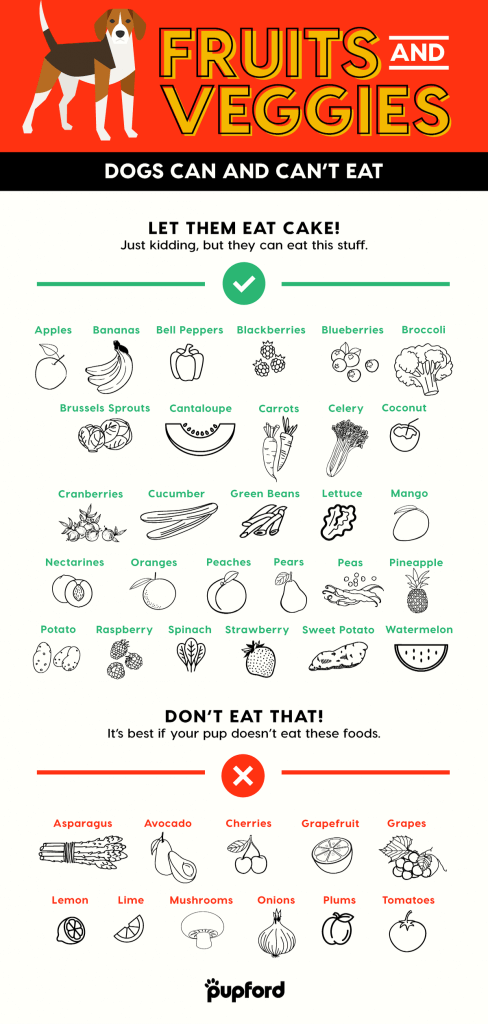
Not all fruits are safe for dogs. Some can cause vomiting, seizures, or even death. The most dangerous fruits contain substances dogs cannot break down, or they have pits and seeds that can block or poison.
Grapes And Raisins
Grapes and raisins are very toxic to dogs. Even a small amount can cause kidney failure. Never feed these to your dog in any form.
Avocado
Avocado contains a substance called persin, which can cause vomiting and diarrhea. The pit is a choking hazard as well.
Cherries (whole)
While the flesh is safe in small amounts, the pit, stem, and leaves of cherries contain cyanide, which is highly toxic.
Citrus Fruits (peels)
Lemon, lime, grapefruit, and orange peels are too acidic and can upset your dog’s stomach. The essential oils can also be toxic.
Tomatoes (unripe Or Green Parts)
Ripe tomatoes are usually safe in small amounts, but green parts (stem, leaves, unripe fruit) contain solanine, which is toxic.
Fruit Seeds And Pits
Seeds and pits from apples, pears, peaches, plums, and cherries contain cyanide. Always remove them before sharing fruit with your dog.
Here’s a summary of fruits you should never give your dog:
| Unsafe Fruit | Why It’s Dangerous | Symptoms to Watch For |
|---|---|---|
| Grapes/Raisins | Kidney failure risk | Vomiting, lethargy, loss of appetite |
| Avocado | Contains persin | Stomach upset, diarrhea |
| Cherry pits | Cyanide poisoning | Breathing issues, shock |
| Lemon/Lime/Grapefruit peels | Essential oils/toxins | Drooling, tremors |
| Unripe tomato | Contains solanine | Weakness, confusion |
If your dog eats any of these, contact your veterinarian right away.
How To Prepare Fruit For Dogs
Even safe fruits can be dangerous if not prepared properly. Here are some practical steps:
- Wash all fruits to remove pesticides and dirt.
- Remove pits, seeds, and hard peels before serving.
- Cut fruit into bite-sized pieces to avoid choking.
- Introduce new fruits slowly and watch for allergies.
- Avoid canned or processed fruits, which often have added sugar or artificial sweeteners.
If you want to make frozen treats, try blending safe fruits with plain yogurt and freezing in an ice cube tray.
Comparing Fruit Nutrition For Dogs
Not all fruits are created equal. Here’s a comparison of common dog-safe fruits and their key nutrients (per 100g serving):
| Fruit | Calories | Sugar (g) | Vitamin C (%) | Fiber (g) |
|---|---|---|---|---|
| Apple | 52 | 10 | 8 | 2.4 |
| Banana | 89 | 12 | 14 | 2.6 |
| Blueberry | 57 | 10 | 16 | 2.4 |
| Watermelon | 30 | 6 | 8 | 0.4 |
| Strawberry | 32 | 4.9 | 98 | 2.0 |
| Pear | 57 | 10 | 7 | 3.1 |
| Pineapple | 50 | 10 | 79 | 1.4 |
You’ll notice that strawberries are very high in vitamin C, while bananas are higher in calories and sugar. This table can help you choose the right fruit depending on your dog’s needs and health.
Common Mistakes When Feeding Fruit
Many owners make mistakes when giving fruit to their dogs. Here are two non-obvious insights:
- Giving fruit with meals: Some dogs get an upset stomach when fruit is mixed with their main food. It’s better to offer fruit as a separate treat.
- Forgetting about allergies: Dogs can develop allergies to almost any food, including fruit. If you see itching, ear infections, or stomach issues, stop the new fruit and talk to your vet.
Other common mistakes include giving too much fruit, ignoring seeds and pits, or sharing dried or canned fruit (which can be loaded with sugar or artificial sweeteners).
When To Call The Vet
If your dog eats a dangerous fruit or shows symptoms like vomiting, diarrhea, drooling, difficulty breathing, or weakness, call your vet immediately. Quick action can save your dog’s life.
Also, if you’re not sure about a fruit or your dog has a health problem (like diabetes, kidney disease, or allergies), ask your vet before adding new foods.

Credit: www.reddit.com
Creative Ways To Give Fruit To Your Dog
Dogs love variety, and fruit can make training and snack time more fun. Here are a few ideas:
- Frozen treats: Blend banana, watermelon, or blueberries with plain yogurt and freeze in molds.
- Fruit “popsicles”: Freeze apple or melon chunks as a cool summer snack.
- Stuffed toys: Fill a Kong toy with mashed pumpkin or banana and freeze.
- Training rewards: Use tiny bits of apple or blueberry as low-calorie treats.
Just remember—fruit should always be a treat, not a meal replacement.
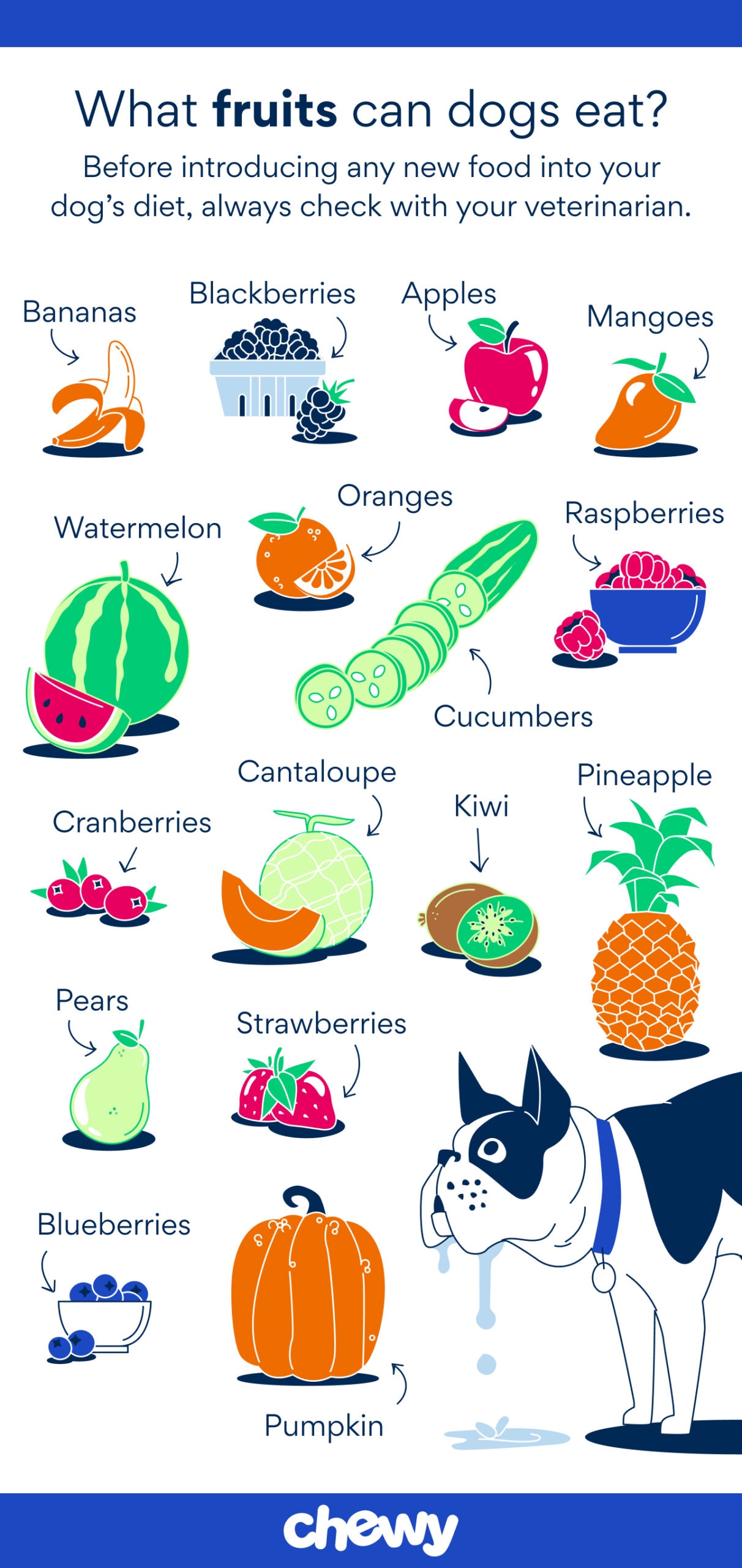
Fruits And Special Diets
If your dog is overweight, diabetic, or has kidney issues, you need to be extra careful with fruit. Some fruits are high in sugar or potassium, which may not be safe for these dogs.
- Overweight dogs: Choose low-calorie fruits like watermelon or blueberries.
- Diabetic dogs: Avoid high-sugar fruits like bananas and mangoes.
- Kidney disease: Check with your vet—some fruits are too high in potassium.
If your dog is on prescription food, always check before adding new treats.
Credit: www.chewy.com
The Bottom Line On Dogs And Fruit
Fruits can add fun and health to your dog’s life, but not all fruits are safe. The best fruits for dogs are apples, bananas, blueberries, and melons—given in moderation and prepared properly. Always avoid grapes, raisins, avocado, and pits or seeds.
Watch your dog for reactions, start slowly, and consult your vet if you have questions. With a little care, fruit can be a delicious, healthy addition to your dog’s snack menu.
For more details on which fruits are dog-safe, check the American Kennel Club’s guide.
Frequently Asked Questions
Can Dogs Eat Fruit Every Day?
Most dogs can have a small amount of safe fruit every day, as long as it’s only 10% or less of their total calories. Too much fruit can lead to weight gain or stomach upset. Always monitor for any negative reactions.
Are Dried Fruits Safe For Dogs?
No, dried fruits like raisins, dried apricots, or cranberries often have concentrated sugar and may contain toxic preservatives. Even if they seem natural, avoid them unless your vet says otherwise.
What Should I Do If My Dog Eats A Grape Or Raisin?
Contact your veterinarian immediately, even if your dog seems fine. Grapes and raisins can cause serious kidney damage, sometimes with only a small amount.
Can Puppies Eat Fruit?
Puppies can enjoy small amounts of safe fruits, but their stomachs are more sensitive. Introduce new foods slowly and watch for any signs of allergies or digestive upset.
Is It Safe To Give Fruit With The Peel?
Most fruit peels are not safe for dogs. Citrus peels, apple skin (if organic and washed), and banana peels should always be removed. Peels can be hard to digest or may contain pesticides.
Your dog’s safety and happiness are worth a little extra care. With the right fruits, you can share delicious, healthy moments together for years to come.
Credit: pupford.com