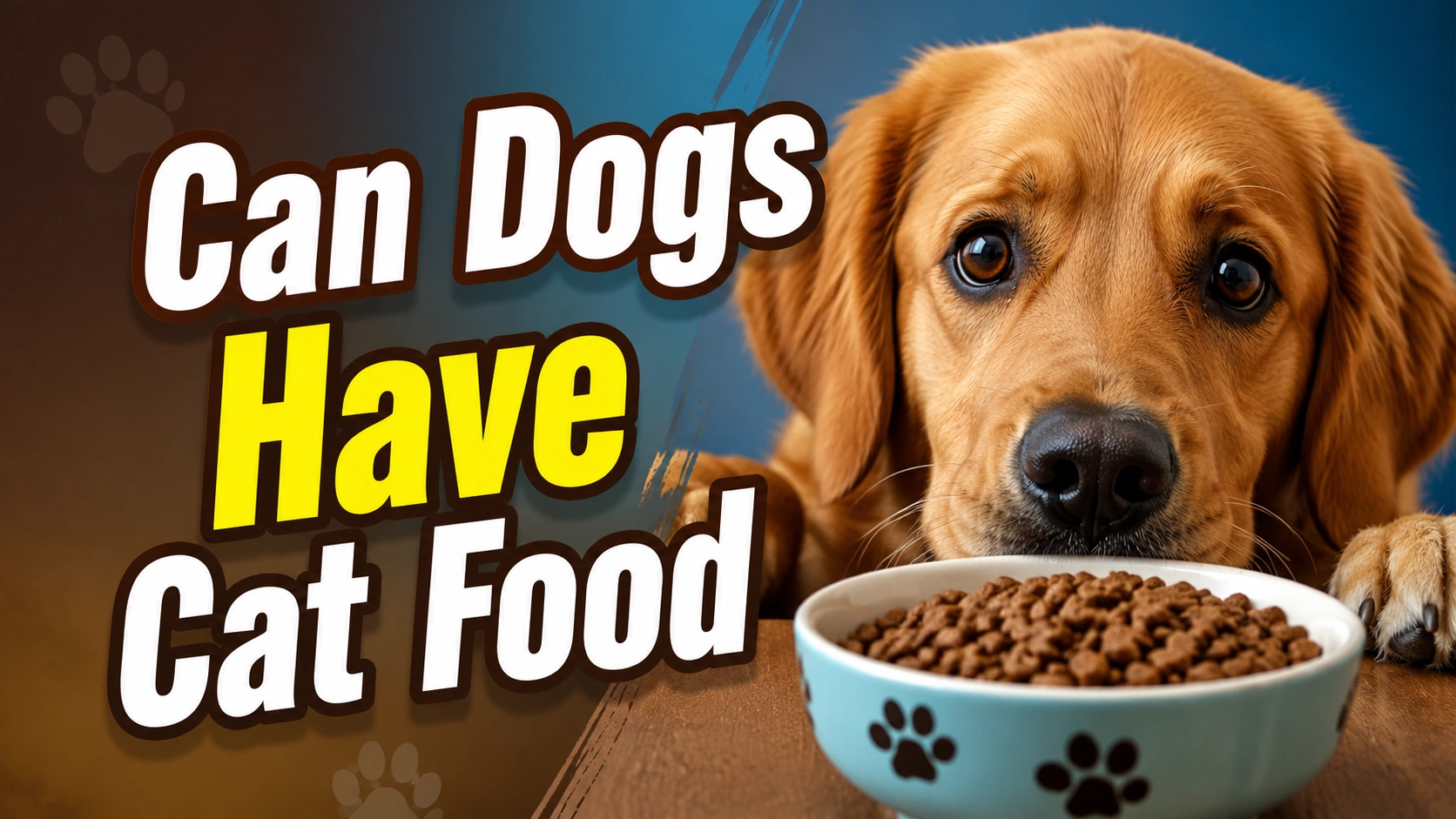
Dogs can eat cat food occasionally, but it is not appropriate as a long-term diet.
I’ve worked with dogs and cats for over a decade as a veterinary technician and animal caregiver, and I know the practical and nutritional consequences behind the question can dogs have cat food. This article explains exactly what happens when dogs eat cat food, when it’s okay, the risks to watch for, and clear steps to keep your dog healthy. Read on for evidence-based guidance, real-life tips, and simple action steps you can use right away.
How cat food differs from dog food
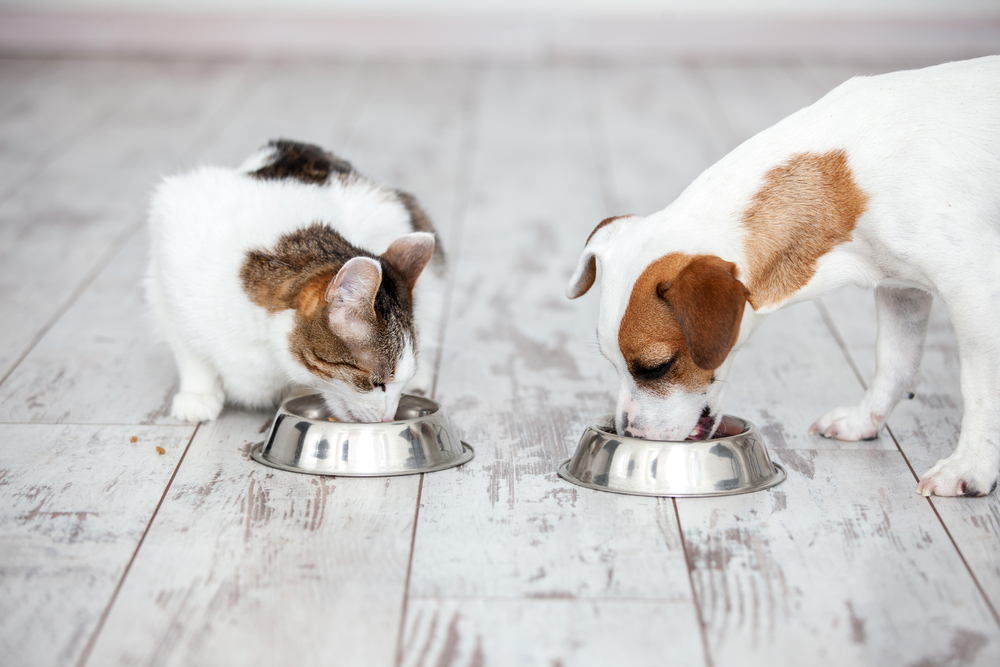
Cat food is formulated for obligate carnivores. It normally has higher protein, higher fat, and extra nutrients like taurine and arachidonic acid that cats need. Dog food is balanced for omnivores and aims to provide the vitamins, minerals, and calories dogs require across life stages.
Key nutritional differences that matter when asking can dogs have cat food:
- Protein levels are higher in cat food, which can be too rich for many dogs.
- Fat content is elevated in cat food, increasing calorie density and pancreatitis risk.
- Certain amino acids and vitamins are added specifically for cats and are unnecessary for dogs.
- Calorie density can lead to weight gain if dogs eat cat food regularly.
Short-term effects: what happens if a dog eats cat food
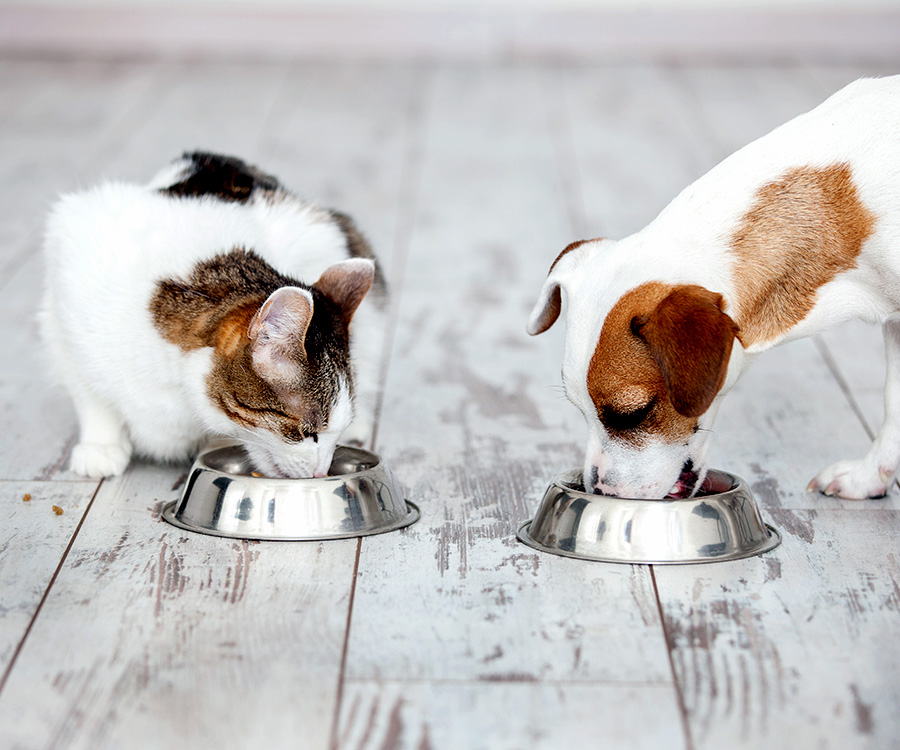
If a dog nibbles cat food once or twice, most will only have mild stomach upset. Expect one or two soft stools, slight vomiting, or temporary gas in sensitive dogs.
Short-term issues to watch for:
- Mild gastrointestinal upset within 12–24 hours.
- Sudden interest in cat food because of the strong smell and taste.
- Potential for overeating when high-calorie wet cat food is freely available.
When considering can dogs have cat food in an emergency, occasional ingestion usually isn’t dangerous, but monitor your pet closely for worsening signs.
Serious risks and long-term consequences
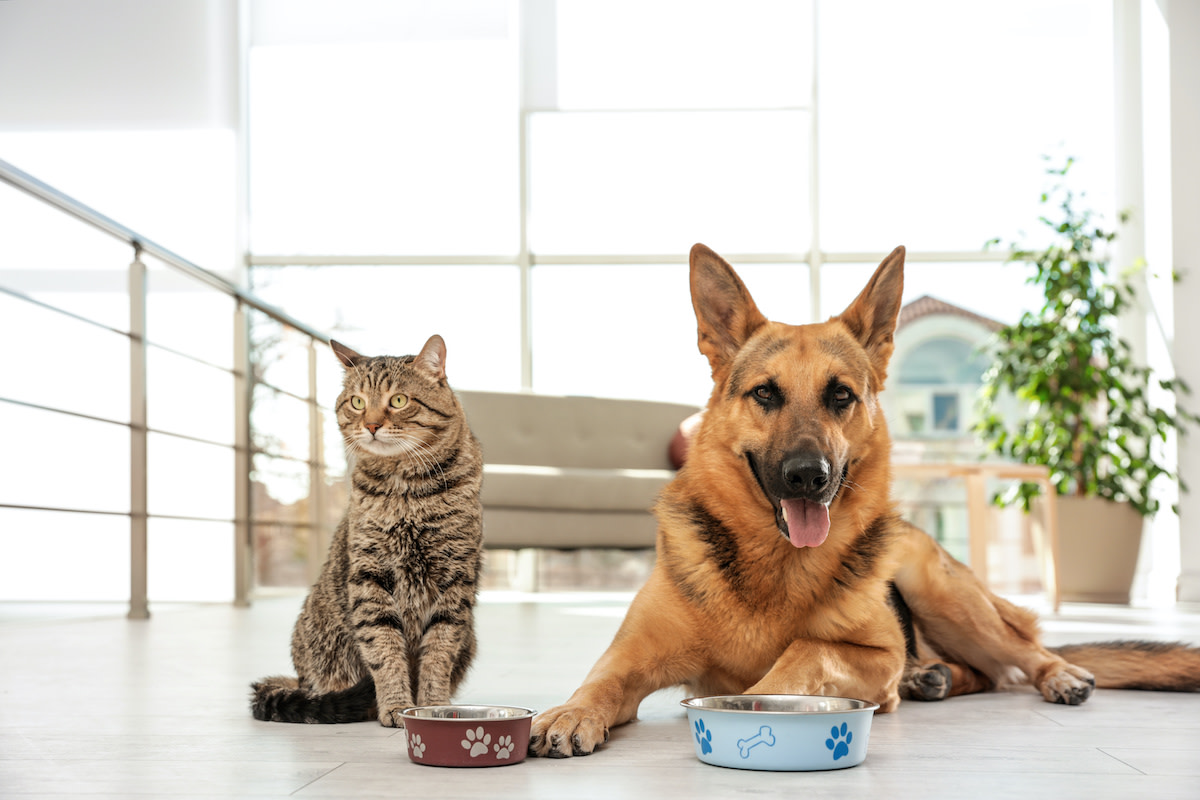
Regular feeding of cat food can cause real health problems in dogs over time. The main concerns arise from unbalanced nutrition and excessive fat and protein.
Long-term risks include:
- Obesity from calorie-dense formulas.
- Chronic digestive issues and altered stool quality.
- Increased risk of pancreatitis in predisposed dogs due to high fat.
- Nutrient imbalances that may stress organs such as the kidneys or liver.
- Dental plaque and smell issues if fed sticky wet cat food frequently.
These concerns make the answer to can dogs have cat food clear: occasional is tolerable, routine is harmful.
When can dogs have cat food? Exceptions and safe moments
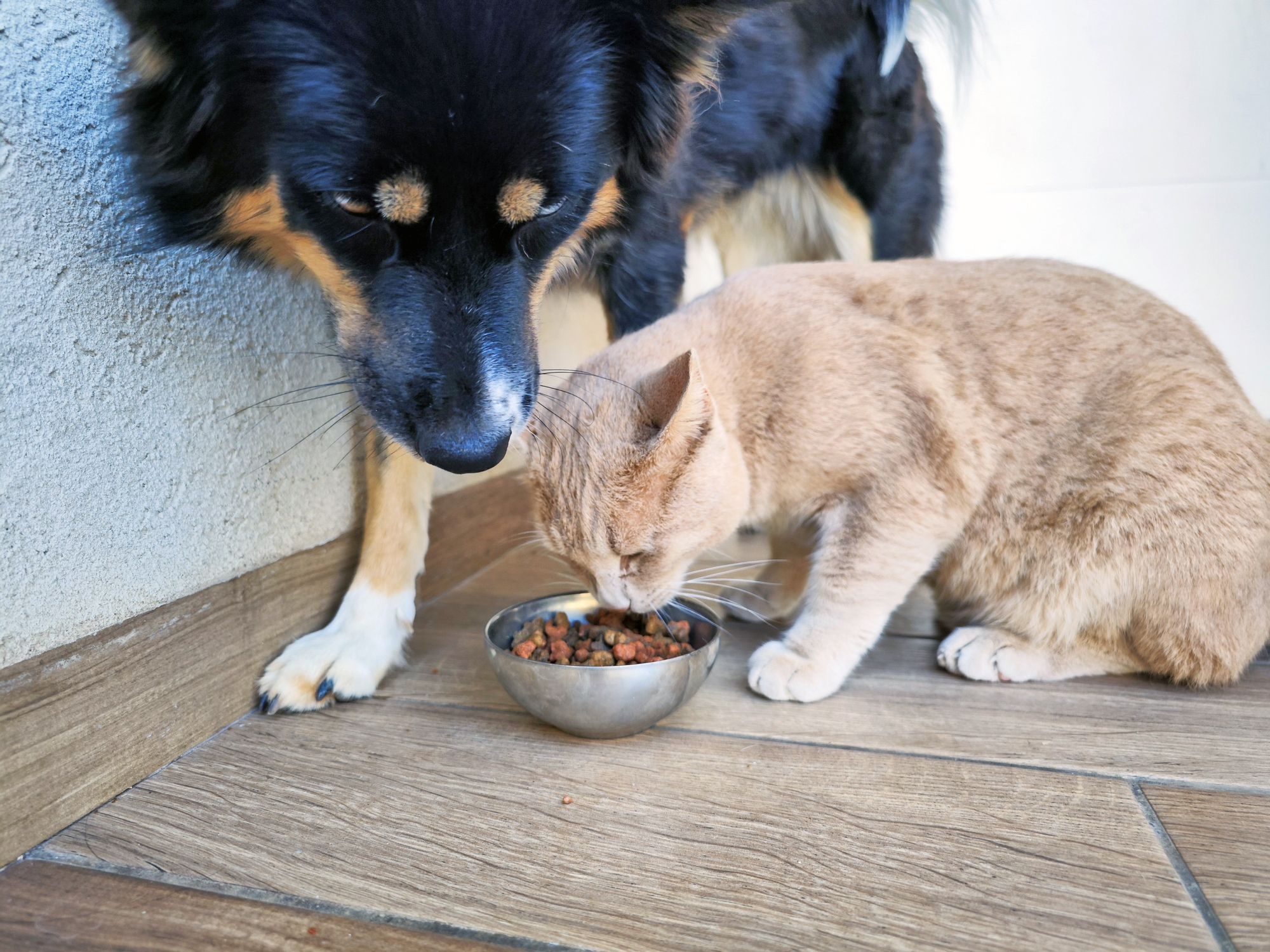
There are limited situations when can dogs have cat food without major risk:
- Emergency use for a very short time if dog food is unavailable.
- A one-time taste or accidental ingestion usually requires no treatment.
- Small, healthy adult dogs may tolerate occasional bites, but puppies and seniors are more vulnerable.
Avoid using cat food as a training treat or regular meal. If your dog has pancreatitis, obesity, or kidney disease, do not let them eat cat food at all.
What to do if your dog eats cat food
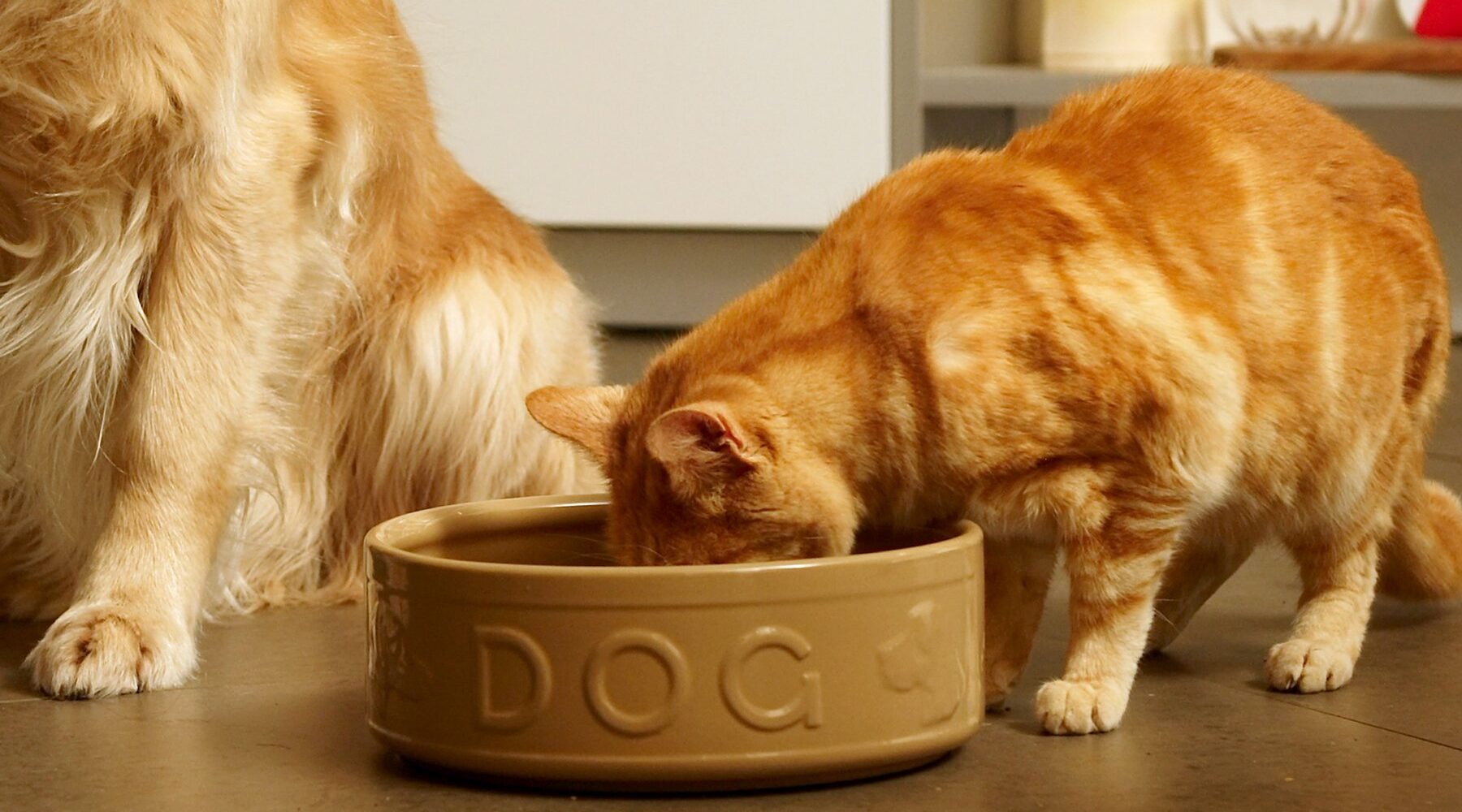
If your dog eats cat food, follow these steps:
- Observe for 24 hours for vomiting, diarrhea, lethargy, abdominal pain, or loss of appetite.
- Withhold food for a few hours if vomiting occurs, then offer small bland meals.
- Call your veterinarian if your dog is a puppy, senior, has underlying disease, or shows severe signs.
If you suspect your dog ate a large amount or fat-heavy canned food, contact your vet promptly. Quick action can prevent pancreatitis or other complications.

Practical prevention strategies and feeding tips
Stopping access to cat food is the main defense. Use these practical tactics from my years working in clinics and homes.
Prevention ideas:
- Feed pets in separate rooms or at different times to reduce temptation.
- Use elevated feeding stations for cats if your dog cannot jump up.
- Place cat food in a closed room with a baby gate and cat door, or use microchip-activated feeders.
- Store unused cat food in sealed containers and out of reach.
- Reward dogs with healthy training treats to reduce interest in cat food.
Feeding alternatives:
- Keep a small bag of dog-safe treats for training instead of cat food.
- Offer high-value dog-safe wet food if you need to transition or tempt a picky eater.
These steps answer how to manage the question can dogs have cat food in daily life.
Personal experience and lessons learned
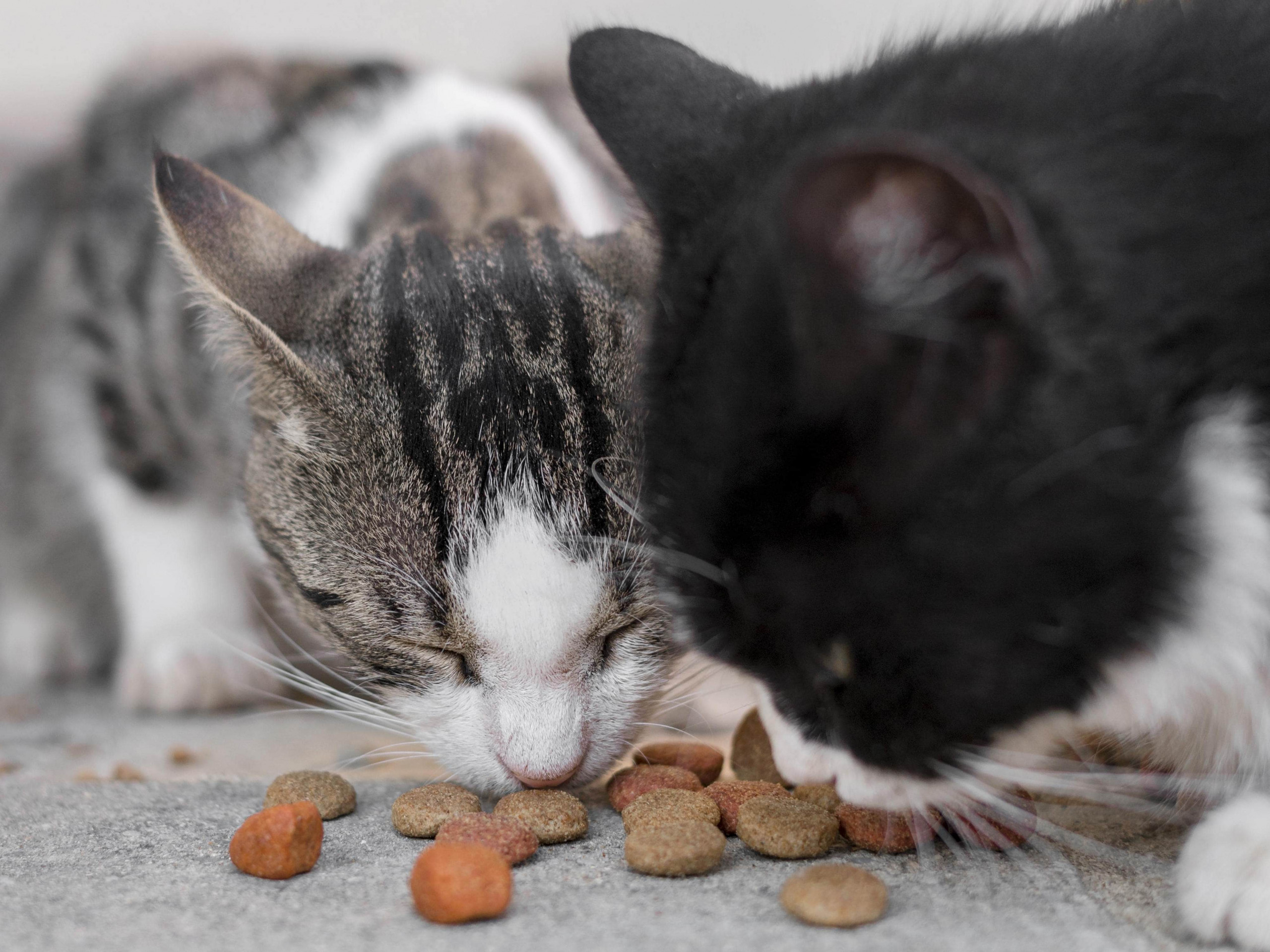
From working in a veterinary clinic, I’ve seen dogs that developed pancreatitis after repeated access to rich cat food. One patient, a small terrier, loved damp cat food and started having recurring vomiting episodes. After switching to a measured dog diet and improving storage, the episodes stopped.
Lessons I learned:
- Dogs will seek out strong-smelling cat food quickly, especially if bored.
- Prevention and supervision beat treatment. Secure cat food and use feeding routines.
- If your dog samples cat food once, don’t panic. Monitor and adjust storage to prevent repeats.
These real-life cases shaped my practical advice on can dogs have cat food and how to manage risk.

Related concepts and deeper nutrition notes
Understanding dog and cat digestive differences clarifies why can dogs have cat food is a frequent question. Dogs digest a wider range of carbohydrates and regulate some nutrients differently. Cat food’s extra taurine, arachidonic acid, and B vitamins are safe in small amounts for dogs but unnecessary.
Quick PAA-style questions and answers:
- Can kittens eat dog food? Kittens should not rely on dog food because it lacks nutrients cats need.
- Is wet cat food worse than dry? Wet cat food often has higher fat and calories, which can be more problematic for dogs.
- How much cat food is dangerous? A small taste is usually fine; large or repeated amounts increase risk.
Frequently Asked Questions of can dogs have cat food
Can a dog eat cat food once?
A one-time taste usually causes no long-term harm, but watch for vomiting or diarrhea for 24 hours. If symptoms appear or the dog is very young or ill, contact your vet.
Will cat food make my dog sick right away?
Most healthy dogs will only have mild, short-lived stomach upset after eating cat food. Severe reactions are uncommon unless a large amount or a high-fat formula was consumed.
Can puppies eat cat food?
Puppies should not eat cat food regularly because it can cause nutrient imbalances and rapid growth issues. If a puppy eats it accidentally, monitor closely and call a vet for guidance.
How much cat food is dangerous for a dog?
Small amounts are typically harmless; danger increases with portion size and frequency. Frequent feeding or a large binge can lead to pancreatitis or obesity.
Should I take my dog to the vet after eating cat food?
If your dog ate a small amount and shows no symptoms, you can monitor at home. Seek veterinary care for vomiting, severe diarrhea, lethargy, or if the dog has preexisting health issues.
Can cat food cause pancreatitis in dogs?
Yes, high-fat cat food can trigger pancreatitis in susceptible dogs, especially if eaten in large quantities. Immediate veterinary attention is advised if pancreatitis is suspected.
Is it okay to feed cat food during emergencies?
In a short-term emergency, cat food is a better temporary option than no food. Plan to resume appropriate dog nutrition as soon as possible.
Conclusion
Feeding cat food to dogs occasionally is unlikely to be disastrous, but it is not a safe long-term diet. Repeated or large servings of cat food can cause obesity, pancreatitis, and nutrient imbalances. Use prevention steps like separate feeding, secure storage, and pet-proofing to avoid accidental access. If your dog samples cat food, monitor for symptoms and contact your vet when in doubt. Take action today: secure pet food, set feeding routines, and ask your vet for diet advice if you worry about repeated incidents or special dietary needs. Leave a comment with your experiences or questions below — I’ll respond with practical tips.