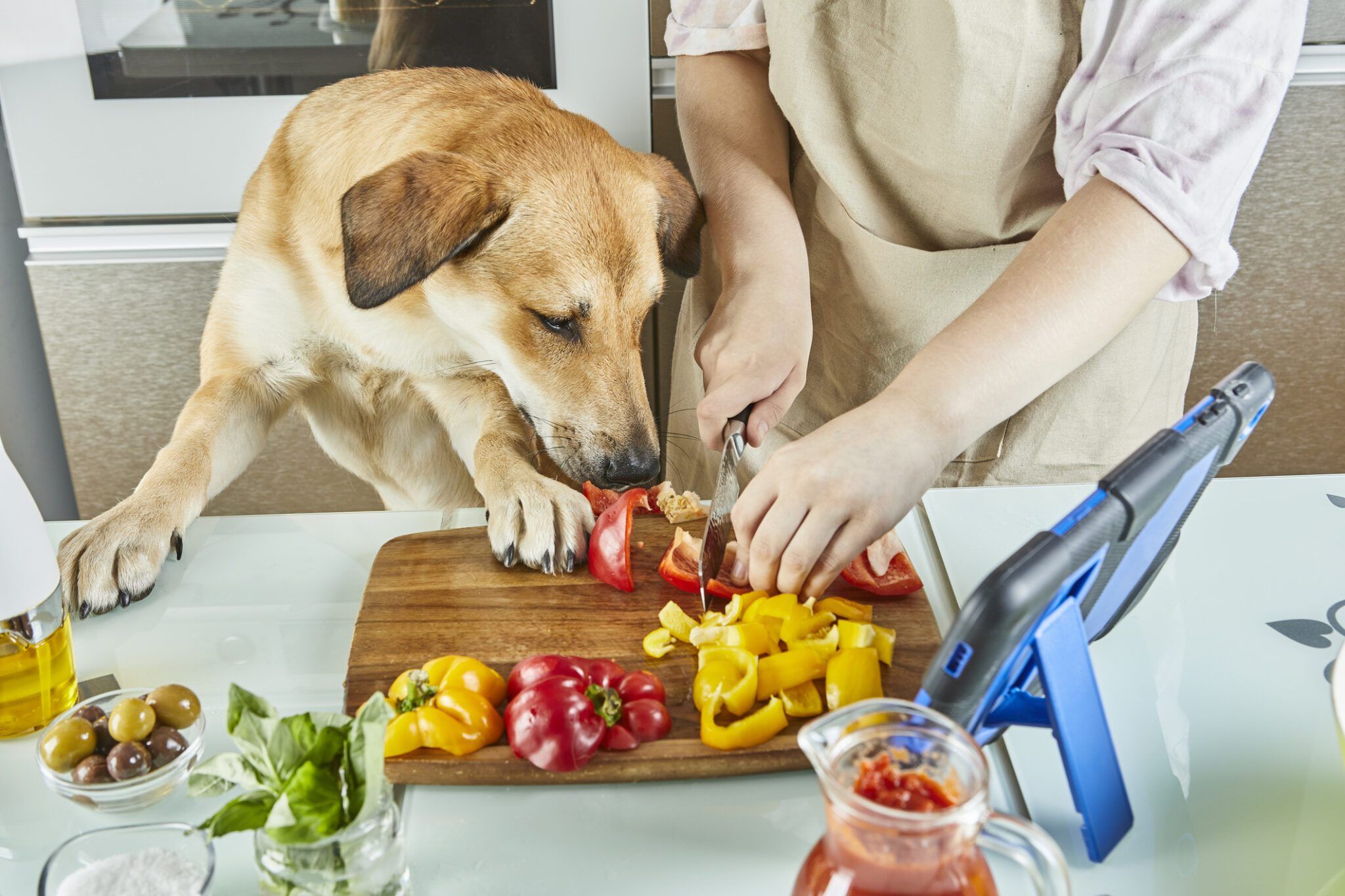
Dogs can sense the burn of spicy foods, but they don’t taste spice the way we do.
I’ve studied animal behavior and worked in dog care for years, so I know how curious owners are about can dogs taste spicy food. This article explains how dogs experience spice, the science behind the sensation, health risks, practical steps if your dog eats spicy food, and safe alternatives. Read on to learn clear, evidence-based guidance and hands-on tips you can use today.
How dogs taste and smell
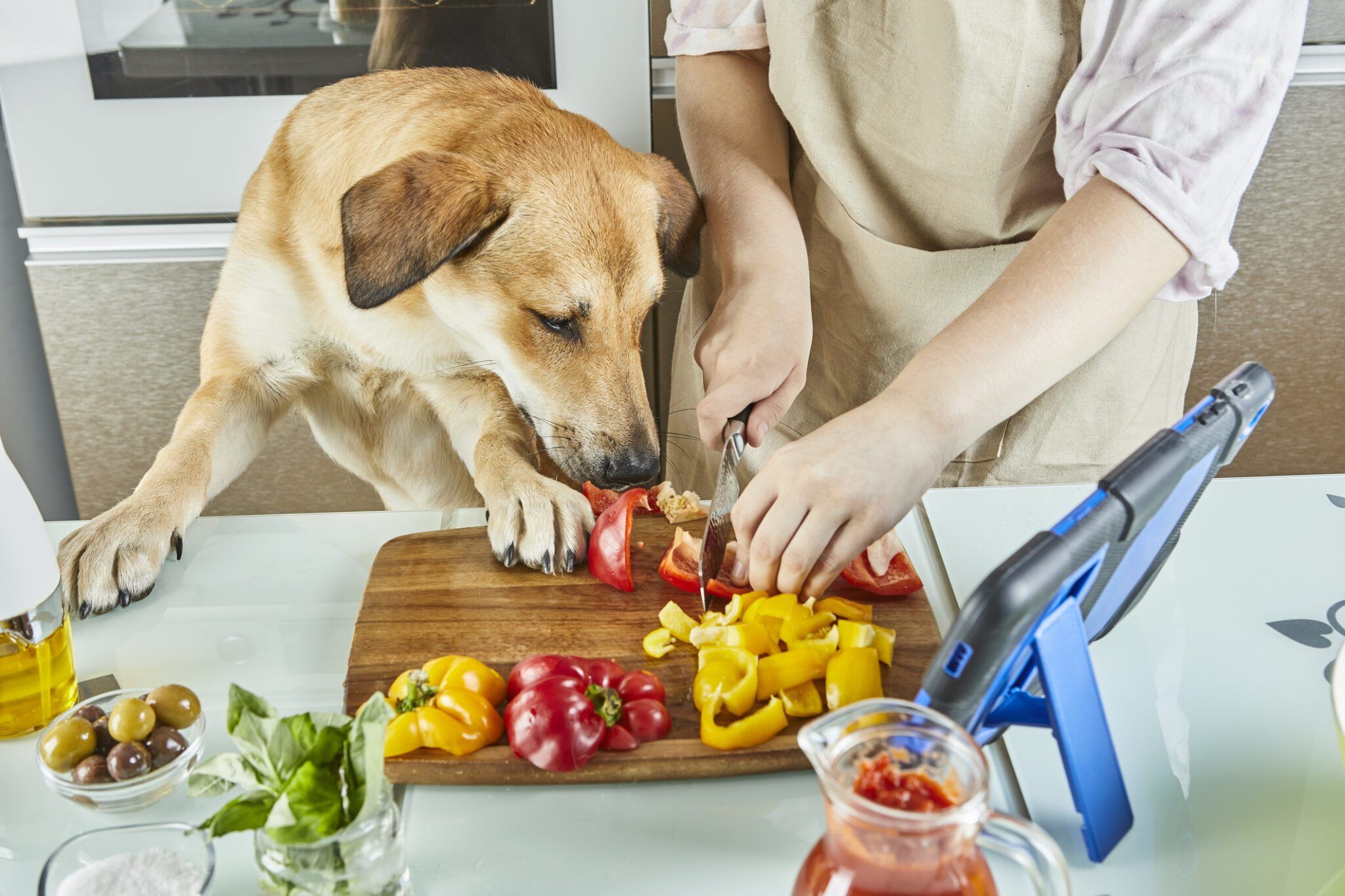
Dogs have far fewer taste buds than humans. They rely heavily on smell to judge food.
Dogs taste basic flavors like sweet, salty, sour, bitter, and savory. Their sense of smell shapes much of what they think tastes good. When you ask "can dogs taste spicy food," remember that smell and nerve sensation matter more than taste buds for spice.
Dogs also have nerve receptors that detect chemical irritation. That helps explain why hot or spicy food can bother them even if they don’t “taste” heat like we do.
What “spicy” really means for animals
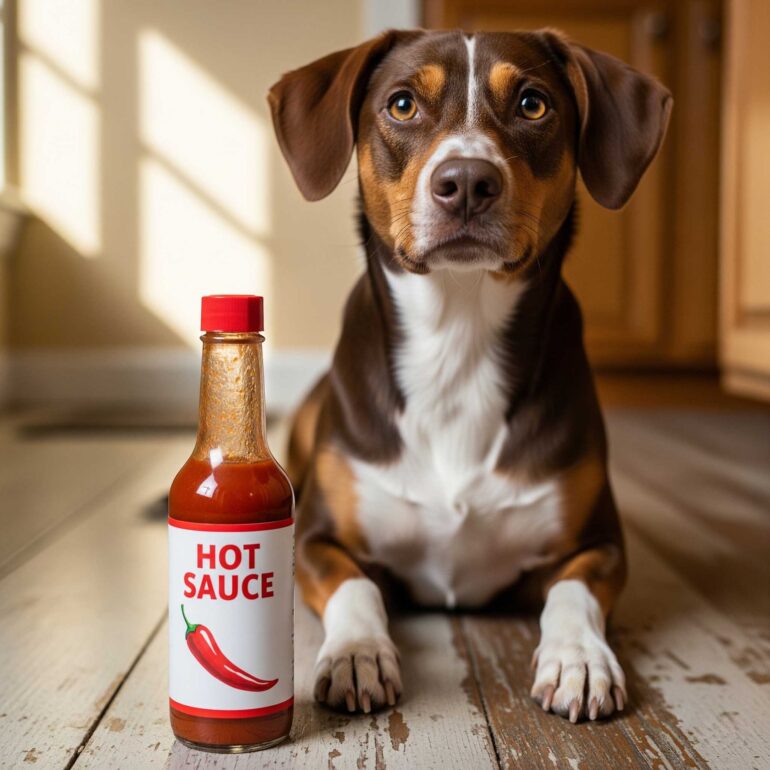
Spicy usually refers to capsaicin and related compounds in peppers. Capsaicin activates heat receptors in mammals.
That activation happens through TRPV1 receptors on nerve cells. The receptors tell the brain there is heat or pain. This reaction is not a flavor in the usual sense. It is a sensory warning.
When considering can dogs taste spicy food, understand that dogs sense the burn through nerve activation, not through a complex flavor profile like humans.

Can dogs taste spicy food? The short science
Dogs can feel the heat from spicy foods. They detect capsaicin-triggered irritation. They do not experience the same flavor complexity humans do.
Dogs have fewer taste buds and a different mix of receptors. The main reaction to spicy food is irritation and burning. In practice, can dogs taste spicy food? They perceive the burn and discomfort but not the culinary nuance.
PAA-style quick Q&A:
- Q: Will a dog know a pepper is “hot”? A: Yes. The dog will feel irritation or burning from capsaicin.
- Q: Do dogs enjoy chili like humans? A: Most dogs avoid it because the burn causes discomfort, not pleasure.

Health risks of spicy food for dogs
Spicy food can cause stomach upset in dogs. Mild cases show drooling, pawing at the mouth, vomiting, or diarrhea.
More serious risks include:
- Pancreatitis from rich, spicy meals.
- Mouth and throat irritation leading to drooling and coughing.
- Gastrointestinal inflammation and discomfort.
- Toxic reactions from certain spices like garlic, onion, and excessive nutmeg.
When thinking about can dogs taste spicy food, weigh the sensory discomfort and the real health risks. Some spices are not just unpleasant — they are dangerous.
What to do if your dog eats spicy food
Stay calm and act quickly. Most mild cases resolve with home care, but watch for danger signs.
Steps to follow:
- Offer cool water to rinse the mouth. This eases the burning.
- Provide plain, unsweetened yogurt or milk in small amounts if tolerated; dairy can help soothe.
- Do not give alcohol, oils, or human antacids without vet approval.
- Call your veterinarian if vomiting, lethargy, continuous diarrhea, or signs of pain appear.
- In severe cases, seek immediate veterinary care.
Knowing can dogs taste spicy food helps you take the right steps. The goal is to reduce discomfort and prevent complications like pancreatitis.

Safe flavor alternatives and feeding tips
You can add mild, dog-safe flavors without heat. Use whole foods that appeal to dogs and are gentle on the stomach.
Dog-safe flavor ideas:
- Plain cooked pumpkin for fiber and taste.
- Small amounts of cooked carrot or apple for crunch and sweetness.
- Low-sodium broth added to dry food for aroma.
- Fresh herbs like parsley in tiny amounts for breath and flavor.
Avoid:
- Chili peppers and hot sauces.
- Garlic, onions, chives, and raw nutmeg.
- Large amounts of rich, oily human food.
Practice portion control and keep people food out of reach. When considering can dogs taste spicy food, it’s wiser to avoid introducing hot spices at all.

Personal experience and practical lessons
Years working with dogs taught me a few clear lessons. Once a friend’s dog ate a bite of spicy salsa at a picnic. The dog drooled and had mild vomiting for a day. After that, the owner trained guests to keep snacks away and used covered bowls.
Key takeaways from my experience:
- Keep spicy human food far from dog zones.
- Watch for early signs like pawing at the mouth.
- Have your vet’s phone number handy and know basic home care steps.
These small actions prevent trouble and make life easier for you and your dog. Remember that can dogs taste spicy food is less about flavor and more about avoiding harm.

Frequently Asked Questions of can dogs taste spicy food
Can dogs feel the spiciness like humans do?
Dogs feel the burning sensation caused by capsaicin, but they do not taste spicy flavors the same way humans do. The heat is perceived as irritation rather than a flavor.
Is spicy food toxic to dogs?
Spice itself is not always toxic, but many spicy foods contain ingredients that can harm dogs, such as garlic and onions. Spicy meals also increase the risk of digestive upset and pancreatitis.
What signs show my dog ate something too spicy?
Common signs include drooling, pawing at the mouth, vomiting, diarrhea, and lethargy. If breathing becomes labored or symptoms persist, contact a vet right away.
Can dairy help if my dog ate spicy food?
Small amounts of plain yogurt or milk can help soothe the mouth because dairy can bind capsaicin. Use dairy cautiously if your dog is lactose intolerant.
How can I safely add flavor to my dog’s food?
Use plain, cooked vegetables, plain pumpkin, or low-sodium broth. Avoid hot spices, garlic, and onions and introduce any new food in small amounts.
Conclusion
Dogs sense spice as heat and irritation more than flavor. Knowing can dogs taste spicy food helps you protect them and choose safe treats. Keep spicy items away, watch for signs of distress, and call your vet if needed. Try mild, dog-safe alternatives to add variety without risk. If this helped, share your own tip or question below and consider subscribing for more simple, practical pet care guides.