Is your furry friend starting to slow down a bit? You might be wondering, “Does my dog need senior dog food?” As your dog ages, their nutritional needs change, and what worked when they were young might not be enough now.
Choosing the right food can help keep your dog happy, healthy, and full of energy for years to come. You’ll discover how to tell if your dog needs senior dog food and what benefits it can offer. Keep reading to make sure you’re giving your loyal companion the best care possible.
Signs Your Dog Is Aging
Dogs age just like people. You may notice changes in their body, habits, and health. Recognizing these signs helps you decide if your dog needs senior dog food. Senior food supports older dogs with special nutrients for their needs.
Physical Changes
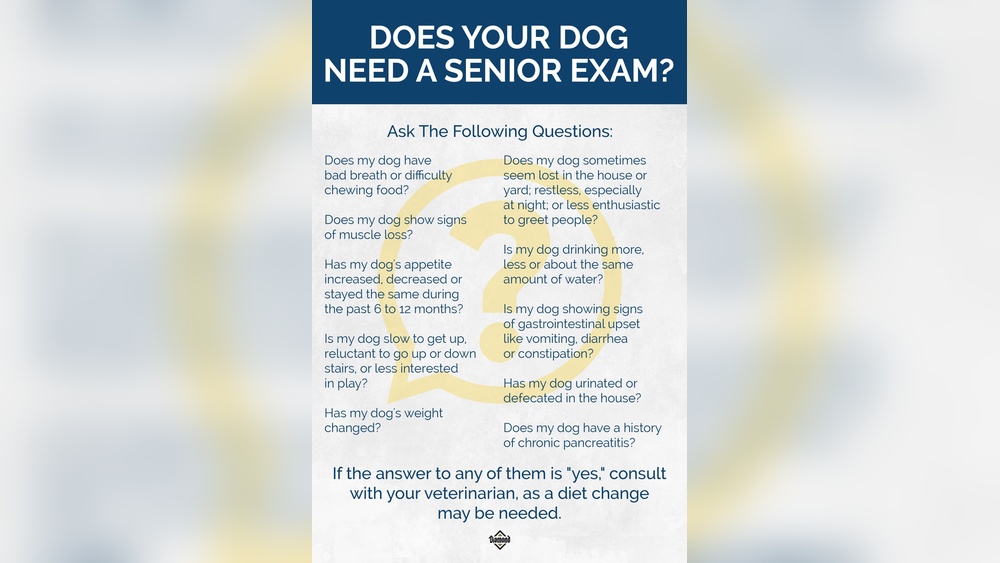
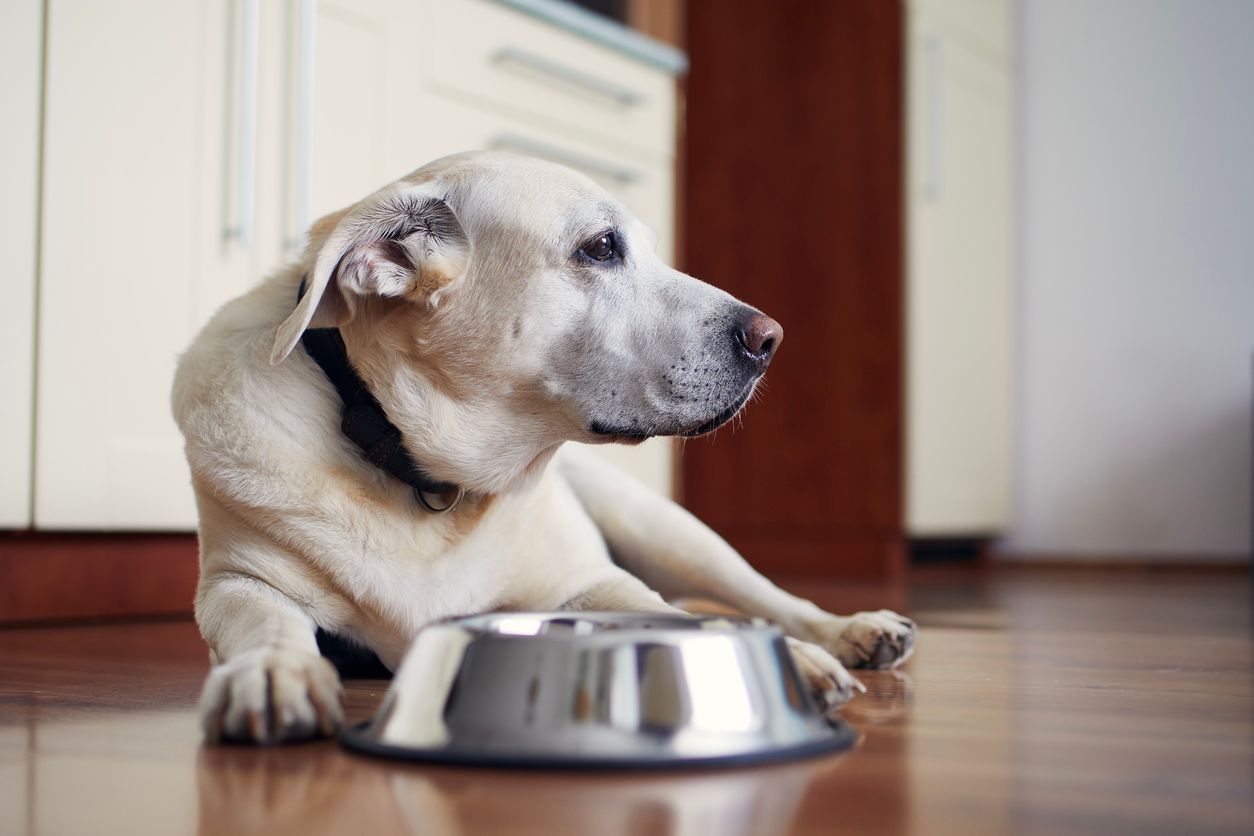
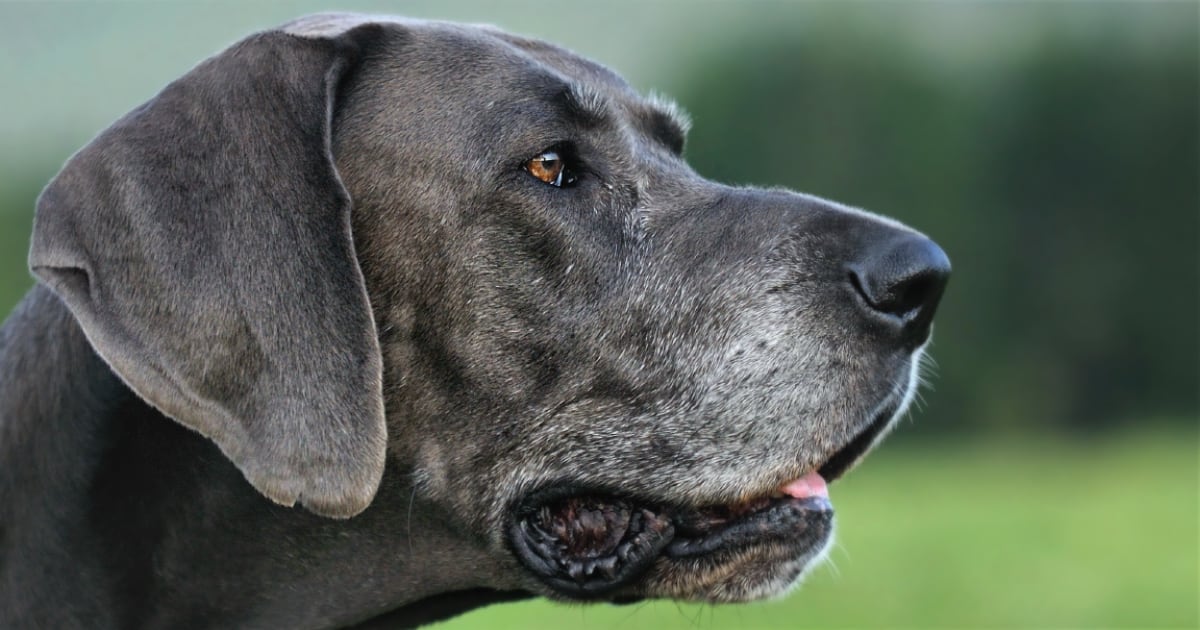
Your dog’s coat may turn gray or thin. Their eyes can look cloudy or dull. Joints might feel stiff, causing slower movement. Weight gain or loss is common. Teeth can wear down or fall out. These changes show your dog is getting older.
Behavioral Shifts
Older dogs may sleep more during the day. They might seem less interested in play or walks. Some dogs show confusion or forget training. Changes in bathroom habits can occur. Your dog may become more clingy or distant. These shifts are normal signs of aging.
Health Concerns
Senior dogs often face new health issues. Arthritis and joint pain are common. Heart and kidney problems may develop. Digestive issues can affect appetite and weight. Regular vet visits help catch these problems early. Senior dog food can ease some health concerns.
Credit: vetster.com
What Makes Senior Dog Food Different
Senior dog food is made to support older dogs’ changing needs. As dogs age, their bodies work differently. Their diet must change to keep them healthy and happy. Senior dog food has special ingredients and nutrients. These help with energy, digestion, and joint health. Let’s explore what makes senior dog food different from regular dog food.
Nutritional Adjustments
Senior dog food has changed nutrition for older dogs. It focuses on nutrients that support aging bodies. Vitamins and minerals are balanced to boost the immune system. Fiber is added to aid digestion and prevent constipation. The food also includes antioxidants to protect cells from damage.
Calorie And Protein Levels
Older dogs usually need fewer calories. Their activity slows down, so they burn less energy. Senior dog food has fewer calories to avoid weight gain. Protein levels are adjusted to keep muscles strong. High-quality proteins help maintain muscle mass without overloading the kidneys.
Added Supplements
Senior dog food often contains supplements for joint and bone health. Glucosamine and chondroitin help keep joints flexible. Omega-3 fatty acids reduce inflammation and support brain health. These added supplements improve comfort and mobility for senior dogs.
Benefits Of Senior Dog Food
Senior dog food is made to meet the special needs of older dogs. It helps keep them healthy and comfortable as they age. These foods have ingredients that support their bodies in ways regular dog food does not. Feeding your dog the right food can improve their quality of life.
Older dogs often face health challenges. Senior dog food offers benefits that address these issues. This type of food supports joints, digestion, and weight. Each of these benefits helps your dog stay active and happy.
Improved Joint Health
Senior dog food contains nutrients that support joint health. Ingredients like glucosamine and chondroitin help reduce stiffness. They keep joints flexible and reduce pain. This helps older dogs move more easily and enjoy daily walks.
Better Digestive Support
Digestion slows down as dogs get older. Senior dog food includes fiber and probiotics. These improve digestion and nutrient absorption. This support helps prevent stomach upset and keeps your dog comfortable.
Weight Management
Older dogs need fewer calories but still need good nutrition. Senior dog food has the right balance of calories. It helps maintain a healthy weight and prevents obesity. A healthy weight reduces stress on joints and organs.
Credit: www.diamondpet.com
When To Switch Your Dog’s Diet
Switching your dog’s diet to senior dog food is important for their health as they age. Knowing the right time to make this change helps your dog stay strong and active. Pay attention to their needs and changes in their body.
Age Milestones
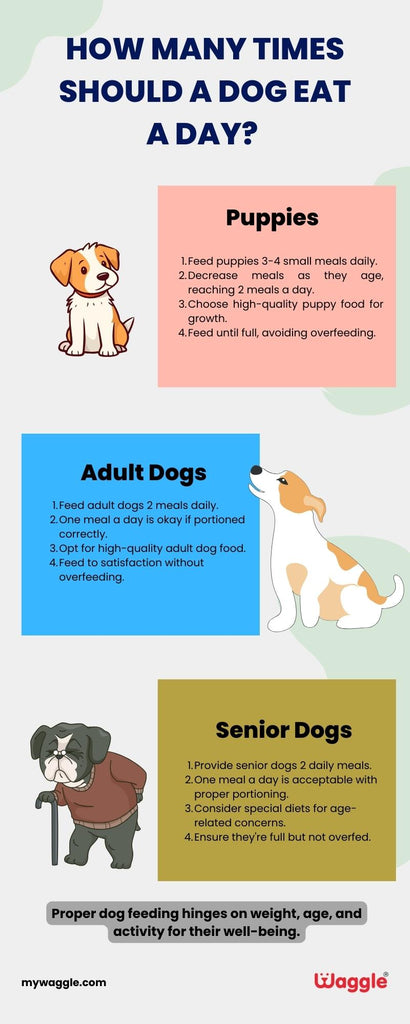
Most dogs need senior food around seven years old. Large breeds may need it earlier, at six years. Smaller breeds can wait until nine years. Age is a good guide but not the only factor.
Veterinarian Recommendations
Your vet knows your dog’s health best. Ask for advice on the right time to switch food. They can suggest the best diet based on your dog’s breed and health.
Monitoring Health Changes
Watch for signs like less energy or weight gain. Joint stiffness or dental problems also matter. These signs show your dog may benefit from senior food. Keep track of changes and adjust their diet as needed.
Alternatives To Senior Dog Food
Senior dog food is not the only option to support aging pets. Many alternatives can meet their changing needs. These options allow more control over ingredients and nutrients. They can suit your dog’s preferences and health conditions better.
Customized Diet Plans
Customized diet plans offer tailored nutrition for your senior dog. A vet or pet nutritionist can help design the best plan. They consider your dog’s weight, activity level, and health issues. This approach ensures balanced meals with the right vitamins and minerals. It can improve your dog’s energy and joint health.
Home-cooked Meals
Home-cooked meals provide fresh and wholesome food for older dogs. You choose quality ingredients like lean meats, vegetables, and grains. Cooking at home helps avoid fillers and artificial additives. It also allows portion control to maintain a healthy weight. Remember to check recipes for balanced nutrients to avoid deficiencies.
Supplements And Treats
Supplements and treats support senior dog health alongside regular meals. Joint supplements with glucosamine help reduce stiffness. Omega-3 fatty acids promote a shiny coat and brain health. Low-calorie treats encourage good behavior without weight gain. Always consult your vet before adding supplements to your dog’s diet.
Credit: kdfoundation.org
Tips For Choosing The Right Senior Dog Food
Choosing the right senior dog food is important for your pet’s health. Older dogs need different nutrients than younger ones. The right food can help keep them active and comfortable. Here are some tips to find the best senior dog food for your furry friend.
Reading Ingredient Labels
Check the ingredient list carefully. Look for high-quality protein sources like chicken or fish. Avoid foods with fillers such as corn or soy. Ingredients like glucosamine and omega-3 fatty acids support joint health. Vitamins and minerals are also important for aging dogs.
Considering Breed And Size
Different breeds have different needs. Small dogs may need fewer calories but more protein. Large breeds often require nutrients to support joint health. Tailor the food choice to your dog’s size and breed. This helps meet their unique health requirements.
Consulting Professionals
Ask your vet for advice on senior dog food. They know your dog’s health history best. A vet can suggest the right diet based on health conditions. Consider a pet nutritionist for specialized advice. Professional guidance ensures your dog’s diet is safe and balanced.
Frequently Asked Questions
What Age Is Considered Senior For Dogs?
Dogs are generally considered senior at 7 years old. Larger breeds age faster, while smaller breeds live longer. Senior dog food is designed for this stage to support their changing nutritional needs and promote healthy aging.
How Does Senior Dog Food Differ From Regular Dog Food?
Senior dog food has fewer calories, more fiber, and added nutrients. It supports joint health, digestion, and weight management. Ingredients like glucosamine and antioxidants help maintain mobility and boost immunity in older dogs.
Should All Senior Dogs Switch To Senior Dog Food?
Not all senior dogs need senior dog food immediately. Consult your vet based on your dog’s health, weight, and activity. Transition when you notice slower metabolism, weight gain, or joint issues to support their specific needs.
Can Senior Dog Food Improve My Dog’s Health?
Yes, senior dog food can improve joint health, digestion, and energy. It contains tailored nutrients to slow aging effects and enhance your dog’s quality of life. Proper nutrition helps manage weight and supports overall vitality.
Conclusion
Choosing the right food helps your dog stay healthy and happy. Senior dog food supports aging joints and digestion. Watch your dog’s energy and weight closely. Changes in appetite or behavior may signal a need for new food. Talk with your vet to find the best diet.
Good nutrition makes your dog’s senior years better. Care and attention show your love every day. Simple steps keep your dog comfortable and strong.