A healthy dog can survive without food for about 3 to 7 days, though water is far more critical.
I’ve worked with shelters and vets and studied canine care for years, so I know how worrying it is when a dog refuses food. This article explains how long can a dog live without food, what affects survival, warning signs, how to help safely, and when to call a veterinarian. Read on to get clear, practical guidance based on experience and veterinary knowledge so you can act quickly and confidently.
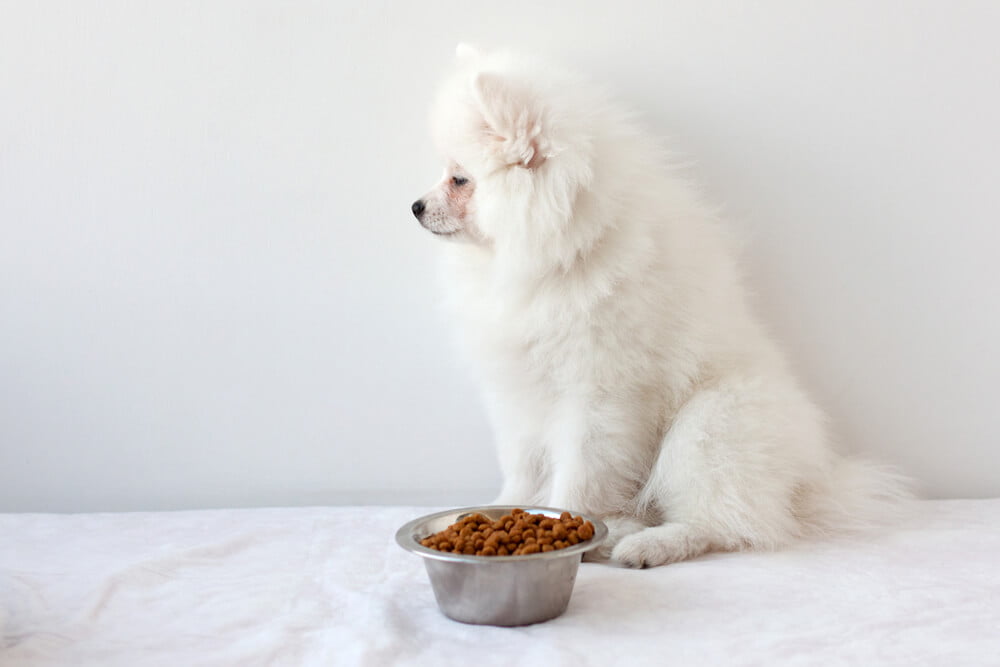
How long can a dog live without food: quick overview
How long can a dog live without food depends on the dog’s size, age, health, and access to water. Most healthy adult dogs can survive without food for roughly 3 to 7 days. Puppies, seniors, and dogs with health issues face higher risk and can deteriorate much faster.
When water is lacking, survival time shortens dramatically. Dehydration becomes life-threatening in as little as 24 to 72 hours. Understanding the timeline helps you decide when to seek urgent care.

Factors that affect how long can a dog live without food
Several things change how long can a dog live without food. Each factor matters when you assess risk and decide on care.
- Age
- Puppies have faster metabolisms and less fat. They can crash in a day or two without food.
- Body condition
- Thin dogs have little reserve. Overweight dogs have more fat to use, but fat breakdown can cause other problems.
- Health status
- Dogs with liver, kidney, or metabolic disease cannot go long without eating.
- Hydration
- Access to clean water is vital. A dog without water will suffer far sooner than one without food.
- Stress and environment
- Cold or heat raises energy needs. Stress can worsen refusal to eat.
From experience in shelters, I saw underweight adult dogs cope for several days if water and quiet care were present. But a dehydrated senior dog often required emergency treatment within 24 hours.

What the body does when a dog stops eating
Knowing the body’s response clarifies why how long can a dog live without food varies.
- First 12–24 hours
- The dog uses stored glucose and glycogen. Energy stays fairly normal.
- 24–72 hours
- The body shifts to fat stores and begins gluconeogenesis. Muscle breakdown starts if fasting continues.
- Beyond 72 hours
- Risk of organ stress rises. Fat breakdown can produce toxins that strain the liver and kidneys.
Dogs that fast too long risk hypoglycemia, muscle loss, and organ failure. This is why monitoring and early veterinary help matter.

Signs a dog is struggling without food
Spotting early signs helps you act before things worsen.
- Lethargy and weakness
- Dog seems unusually tired, lies down more.
- Loss of coordination
- Staggering or wobbling can mean low blood sugar.
- Vomiting or diarrhea
- These lead to rapid dehydration and electrolyte loss.
- Sunken eyes and dry gums
- Clear signs of dehydration.
- Rapid breathing or heart rate
- Indicates stress and possible organ strain.
If you see these signs, do not wait. Offer water and call your veterinarian.

When to seek veterinary care
Call a vet immediately if any of the following are true:
- Puppy, senior, or chronic-illness dog stops eating for more than a few hours.
- No water intake for 12–24 hours.
- Vomiting, diarrhea, fainting, or signs of pain.
- Sudden refusal to eat following toxin exposure or choking.
Early care can prevent long-term damage. Emergency clinics can give fluids, glucose, and begin safe refeeding.
How to safely refeed a dog after a fast
Refeeding must be gentle to avoid complications like refeeding syndrome.
- Start slowly
- Offer small, frequent meals of a bland, easily digestible food.
- Monitor closely
- Watch for vomiting, diarrhea, or weakness.
- Gradual return to normal diet
- Increase portion size and regular food over 3–7 days.
- Use veterinary guidance
- For dogs fasted more than 24–48 hours, get vet instructions for feeding and fluids.
In my practice, a thin dog that fasted three days recovered quickly when reintroduced to a gentle diet and fluids. A rushed return to full meals caused vomiting and slowed recovery.
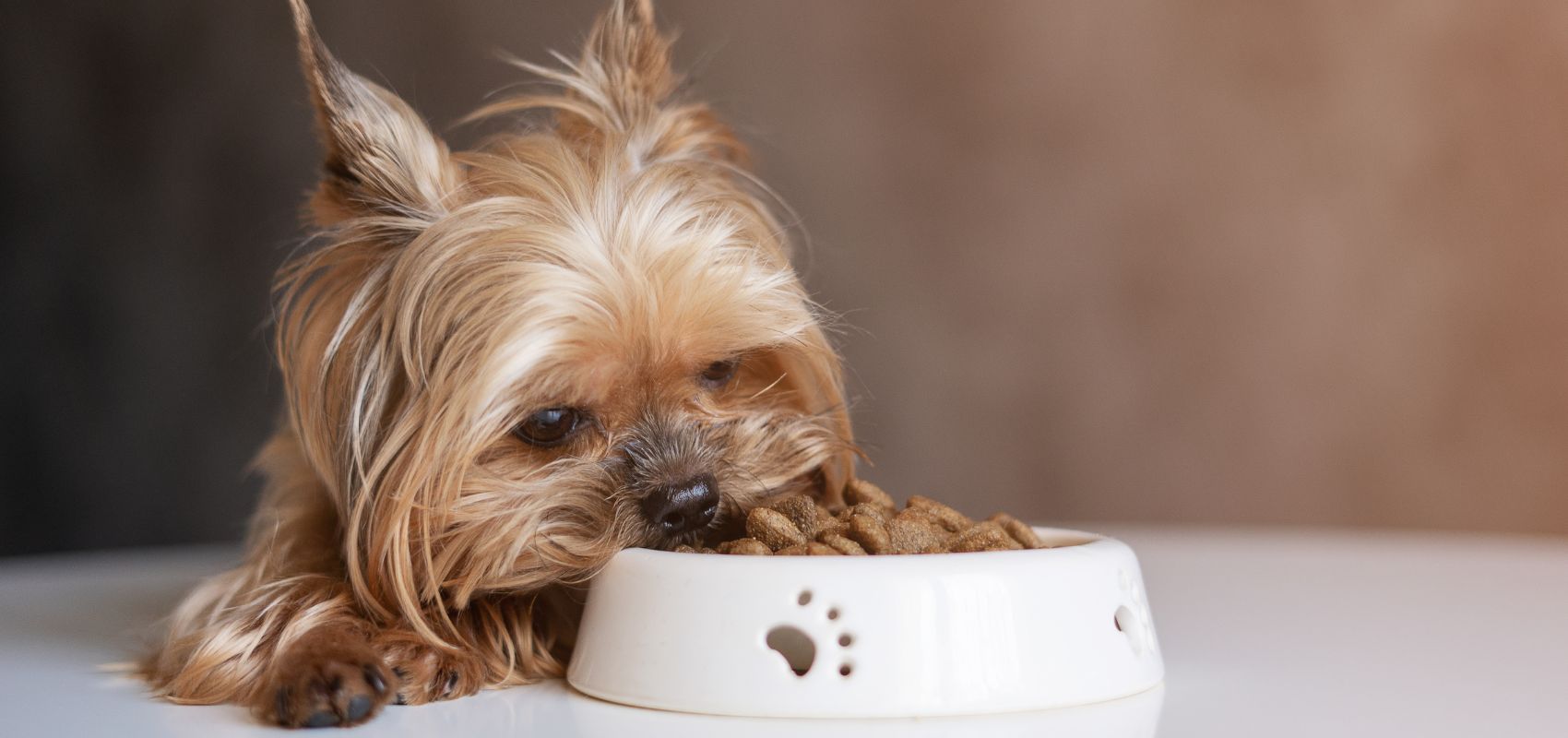
Common causes of appetite loss
Understanding why your dog stops eating helps prevent repeat episodes.
- Illness or pain
- Infections, dental disease, or organ problems reduce appetite.
- Dietary change or food aversion
- Sudden new food or spoiled food can cause refusal.
- Stress and environment
- Moving, new pets, or loud noise often reduce intake.
- Medications and treatments
- Some drugs cause nausea.
- Toxins
- Ingesting substances like certain plants, foods, or chemicals can cause sudden anorexia.
If appetite loss is unexplained or severe, seek testing and diagnosis from a veterinarian.
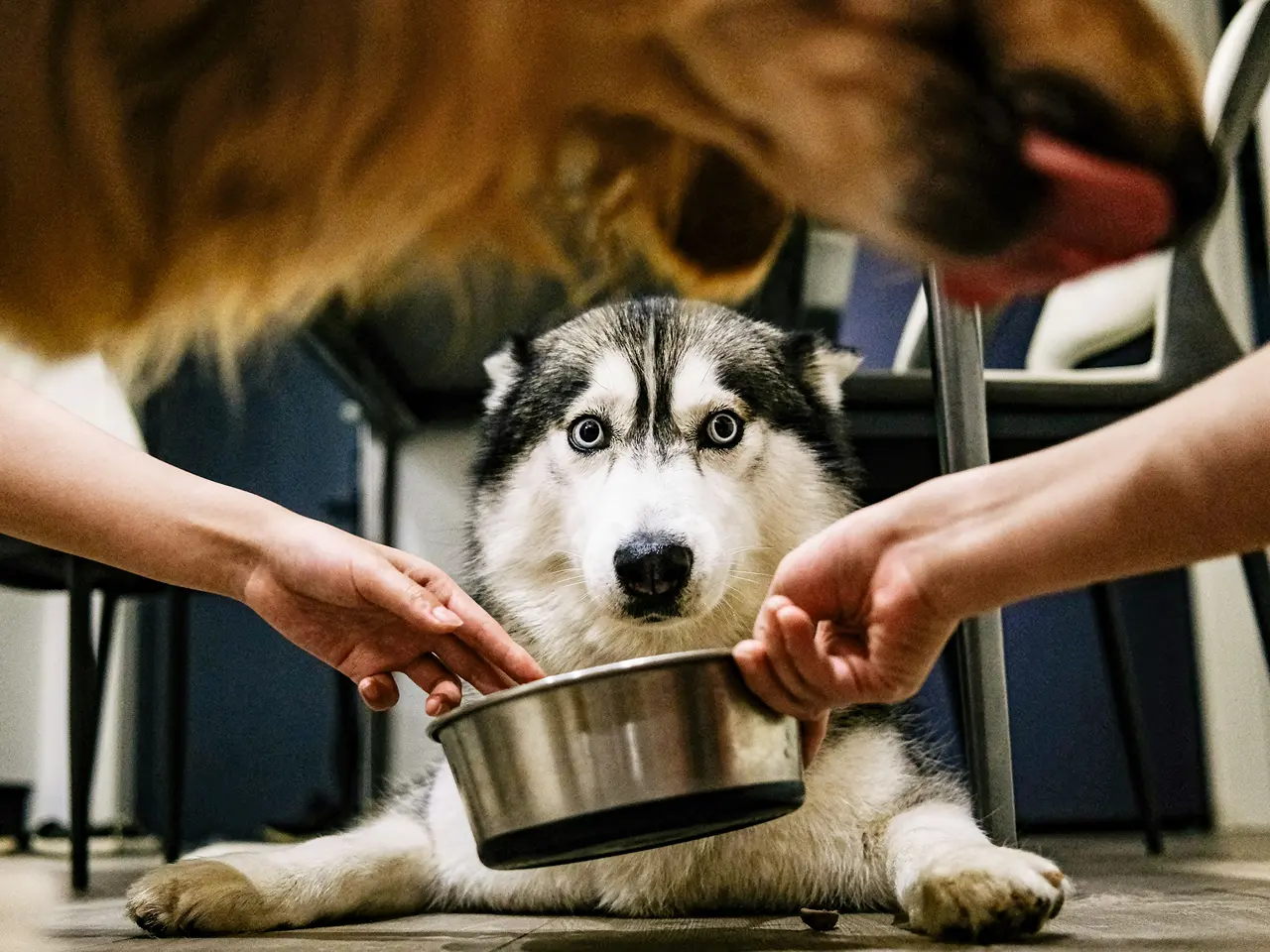
Prevention and practical tips
Simple steps reduce the chance you’ll have to ask how long can a dog live without food.
- Keep fresh water available at all times.
- Feed consistent high-quality meals on a schedule.
- Check teeth and mouth regularly for pain or infection.
- Monitor weight and appetite daily.
- Act fast at the first sign of appetite change.
From running a rescue, I learned that consistent routines and early dental care cut down hunger-related emergencies a lot.
Personal lessons and mistakes to avoid
I’ve learned these lessons the hard way and pass them to you.
- Don’t delay seeking help. Waiting makes treatment longer and harder.
- Avoid force-feeding without guidance. It can cause aspiration.
- Watch water intake first. Rehydration is often the priority.
- Keep a small supply of bland food for emergency refeeding.
These practical tips come from years of hands-on care and working alongside vets.
PAA-style questions (brief answers)
What emergency signs mean immediate vet care?
If your dog has vomiting, diarrhea, fainting, severe weakness, or no water intake for more than 12–24 hours, get emergency care right away.
Can a dog die from not eating alone?
Starvation can cause life-threatening organ failure after several days, especially if the dog is dehydrated or has health issues.
Is water more important than food for short-term survival?
Yes. A dog can survive longer without food than without water. Dehydration is the fastest risk.
How does size affect how long can a dog live without food?
Smaller dogs and puppies have less reserve and become critical faster than large adult dogs.
Should you force a dog to eat after fasting?
No. Force-feeding can cause aspiration. Offer small easy meals and seek vet advice if the dog refuses.
Frequently Asked Questions of how long can a dog live without food
How long can an adult dog live without food but with water?
Most healthy adult dogs can survive about 3 to 7 days without food if they have water. Individual cases vary by health and body reserves.
How long can a puppy live without food?
Puppies can decompensate quickly and may be at high risk within 24 to 48 hours without food or water. Seek immediate veterinary care.
What happens if a dog eats very little for a week?
Slow decline occurs. Muscle loss, weight loss, and organ strain develop. See a vet to find and treat the cause.
Can dehydration kill a dog faster than lack of food?
Yes. Dehydration can become life-threatening in 24 to 72 hours, making water access critical.
What should I feed a dog that hasn't eaten for several days?
Start with small, frequent portions of bland, easily digestible food and consult your vet for a tailored plan to avoid refeeding complications.
Conclusion
Knowing how long can a dog live without food helps you act fast and save lives. Watch for signs, keep water available, and get veterinary help early. If your dog refuses food, don’t guess—reach out to a vet, offer gentle refeeding, and monitor closely. Take action today: check your dog’s water bowl, note any appetite changes, and contact a vet if you are worried. Share your questions below or subscribe for more pet care tips.