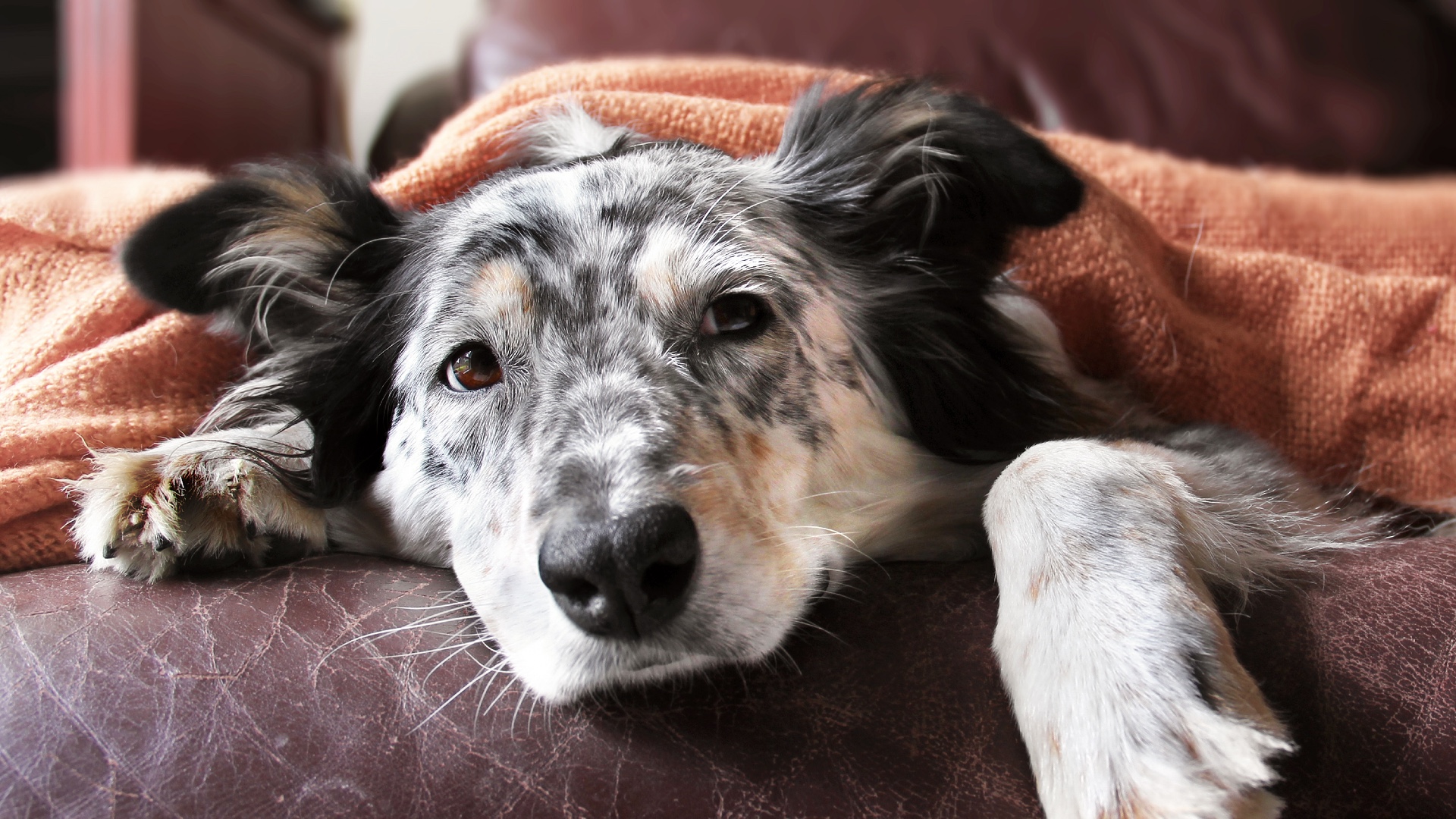
Dogs can survive without food for about two to three weeks if they have water.
I write about pet health every day and have worked alongside vets and shelters to help fasting, injured, or rescued dogs. This article explains how long will a dog survive without food, what affects survival time, common signs to watch for, and practical steps to keep a dog safe. Read on for clear, experience-backed guidance you can use right away.

Understanding starvation and survival in dogs
Starvation means the body cannot get enough nutrients to meet its needs. Survival without food depends on energy stores, hydration, and health. Small dogs, puppies, and sick dogs run out of reserves faster than large, healthy adults. Knowing how long will a dog survive without food helps you act quickly when a pet stops eating.

How long will a dog survive without food? timelines and factors
Most healthy adult dogs can survive without food for roughly two to three weeks if they have water. Some may last longer if they have large fat reserves. Without water, survival drops to three to five days in many cases. The range depends on:
- Age and size — Puppies and small breeds have higher metabolism and lower reserves.
- Health status — Dogs with illnesses, infections, or organ disease wear out faster.
- Body condition — Thin dogs or animals with low muscle mass tolerate fasting poorly.
- Hydration — Water is far more critical than food for short-term survival.
- Temperature and stress — Cold or extreme stress raises calorie needs and shortens survival.
When asking how long will a dog survive without food, think of these factors together. A healthy 50-pound dog with water might last two weeks or more. A sick or very old dog could become critical in 48 hours.

Stages of fasting: what to expect day by day
0–24 hours
Dogs use stored glycogen first. They feel tired or less active. Vomiting or mild diarrhea may start if illness caused the appetite loss.
2–5 days
Glycogen is gone. The body burns fat and some muscle. Weakness and lethargy increase. Signs of dehydration can appear if water intake is low.
1–3 weeks
Fat stores supply energy. The dog loses weight. Organ stress grows. Blood chemistry changes and clotting issues can start if anorexia continues.
Beyond 3 weeks
Severe organ failure and irreversible damage can happen. Recovery becomes risky and slow. Survival beyond this point is rare without medical intervention.

Signs that a dog is in danger from not eating
Look for early warning signs so you can act fast. Common red flags include:
- Loss of appetite that lasts more than 48 hours in adults
- Rapid weight loss or visible rib and spine bones
- Lethargy, weakness, or collapse
- Vomiting, diarrhea, or refusing water
- Jaundice, pale gums, or trouble breathing
If you see any of these, call a vet. Time matters when you consider how long will a dog survive without food.
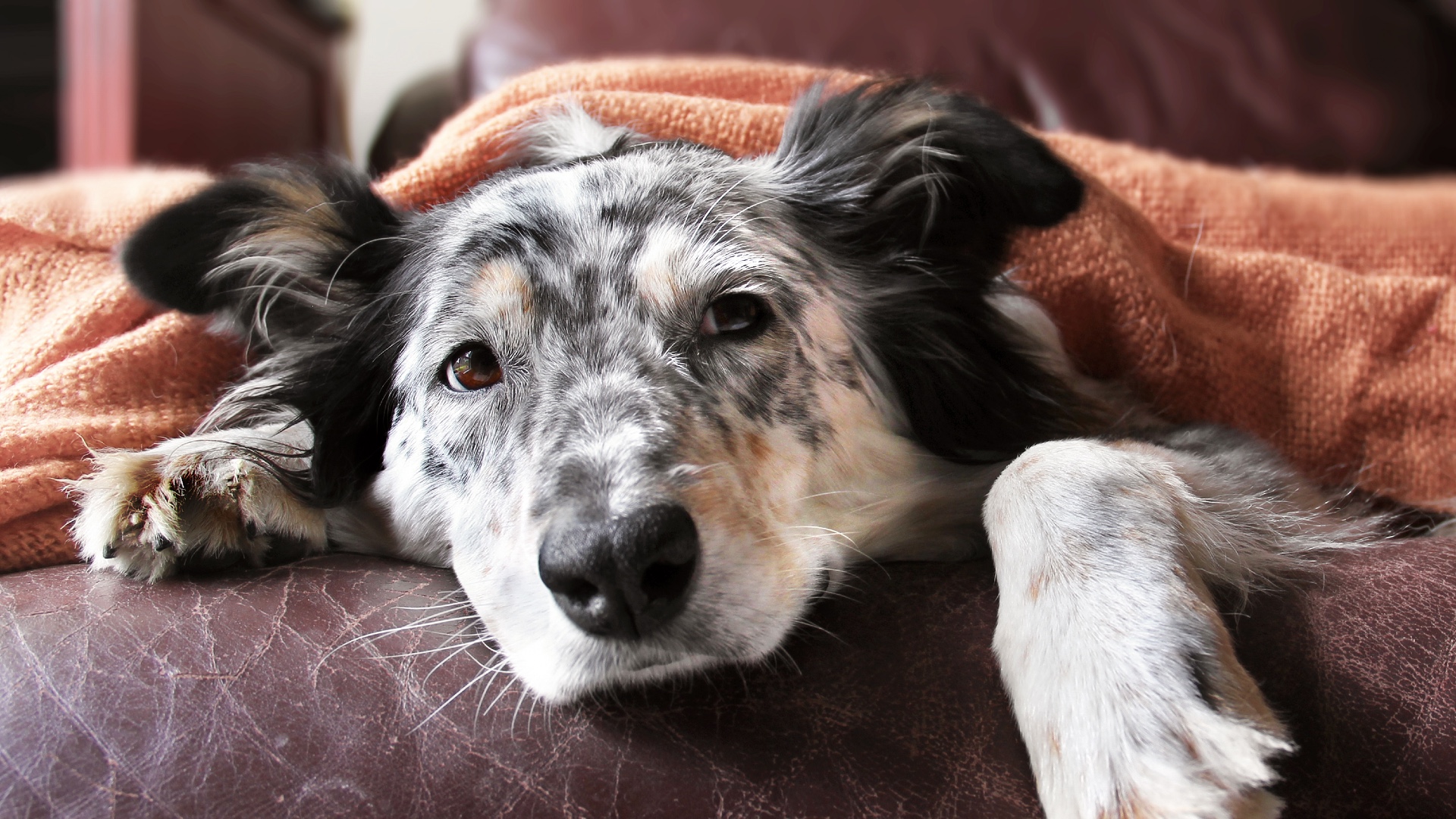
Emergency care and veterinary management
Veterinarians evaluate hydration, bloodwork, and body condition. Emergency steps include:
- Rehydration through oral fluids or IV fluids
- Nutritional support starting with easy, small meals
- Monitoring for refeeding syndrome and electrolyte imbalances
- Treating underlying causes like infection, dental pain, or organ disease
Refeeding must be slow and controlled. Sudden high-calorie feeding after long fasting can cause dangerous shifts in electrolytes. A vet will set up a plan based on how long the dog went without food and its lab results.

Preventing fasting and supporting recovery at home
Prevention is the best approach. Keep these habits:
- Offer small, tempting meals when appetite drops, such as boiled chicken and rice
- Ensure clean water is always available and encourage drinking
- Check teeth and gums regularly for pain or infection
- Keep vaccinations and parasite control up to date to prevent illness
- Monitor body weight and behavior weekly and log changes
If a dog skips food for more than 24–48 hours, call your vet for advice. Early action avoids many emergencies related to how long will a dog survive without food.

Refeeding: safe steps after a period without food
A slow plan works best. Simple steps include:
- Start with tiny meals every few hours, using bland food
- Increase portion size slowly over 3–7 days as tolerated
- Monitor energy, stool, and appetite closely
- Work with a vet for hospitalized animals or dogs with lab abnormalities
Watch for signs of refeeding syndrome: weakness, tremors, seizures, or sudden swelling. If these happen, seek immediate care.
Personal experience and lessons from the field
I once helped a stray terrier that had not eaten for an estimated week. The dog had lost weight and was very weak. We started IV fluids, gave tiny frequent meals, and monitored bloodwork daily. The dog improved steadily over two weeks and returned to a healthy weight in months.
Key lessons I learned:
- Water is the priority. Rehydrate first, then feed.
- Small, frequent meals beat one large meal.
- Early veterinary checks prevent long-term damage.
These real cases taught me that knowing how long will a dog survive without food is not just theory. Quick, calm action makes the difference.
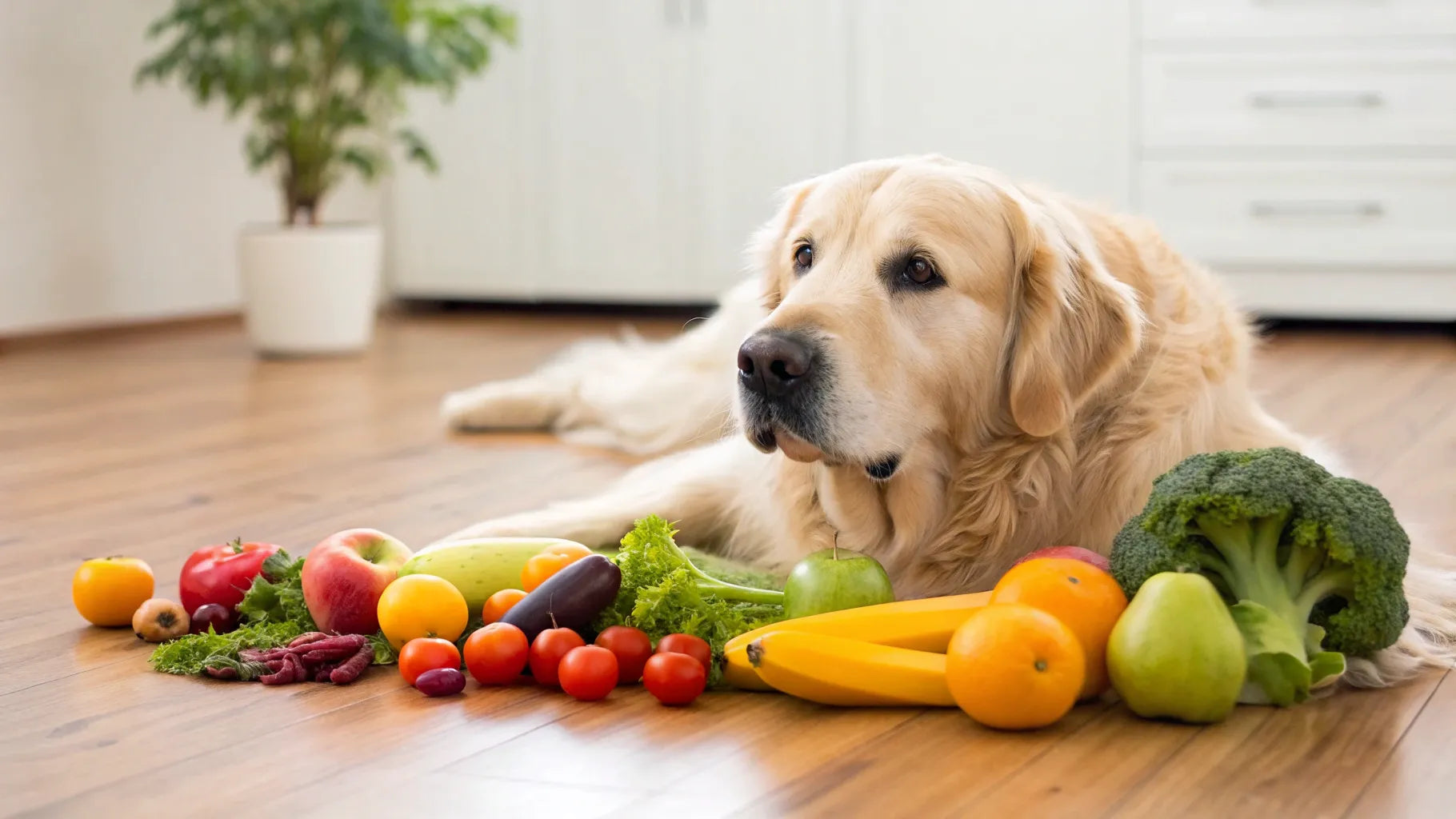
Common causes of appetite loss in dogs
Understanding why a dog stops eating helps you prevent it. Common causes include:
- Dental pain or broken teeth
- Gastrointestinal infection or parasites
- Chronic diseases like kidney or liver disease
- Medications that reduce appetite
- Stress, changes in routine, or grief
Treating the cause often restores appetite faster than feeding tricks alone. Keep a log of food intake and symptoms to share with your vet.
2–3 PAA-style questions with concise answers
What happens to a dog’s body when it stops eating?
The body first uses glycogen, then fat, and finally muscle for energy. Over time organs become stressed and blood chemistry changes, increasing risk of failure.
Can a dog live without food if it has water?
Yes, with water a healthy adult dog may survive two to three weeks, but complications can start much earlier. Hydration greatly increases short-term survival.
What signs mean take my dog to the vet now?
Severe lethargy, vomiting, refusal to drink, collapse, or pale gums are emergencies. These signs need immediate veterinary attention.
Frequently Asked Questions of how long will a dog survive without food
How long will a dog survive without food but with water?
A healthy adult dog can often survive two to three weeks without food if it stays hydrated, but serious health issues can appear earlier.
Will fasting harm my dog after 24 hours?
Short fasts under 24 hours are usually safe for healthy adults, but puppies, seniors, or sick dogs can be harmed much sooner and need vet care.
How quickly does dehydration affect survival?
Without water, many dogs become critical within three to five days. Dehydration worsens health far faster than lack of food.
Can refeeding cause dangerous problems?
Yes. Refeeding syndrome can cause life-threatening electrolyte changes if a starving dog is fed too quickly. Veterinarian guidance reduces this risk.
When should I seek emergency help for a dog that won’t eat?
Call your vet if no food for 48 hours in adults, or sooner for puppies and sick dogs. Seek immediate help if the dog is very weak, not drinking, or vomiting blood.
Conclusion
Knowing how long will a dog survive without food helps you act fast and save lives. Watch for early signs, prioritize hydration, and get veterinary help quickly when appetite loss lasts more than a day or two. Takeaways: keep water available, monitor appetite, and seek professional care early. If this article helped you, leave a comment, share your story, or subscribe for more practical pet health guides.