Most dogs eat too fast because of excitement, competition, or learned feeding habits.
If you have ever watched your dog inhale a meal like it might disappear forever, you are not alone. Knowing how to stop a dog from eating too fast is important because rapid eating can lead to choking, vomiting, bloating, and daily stress at mealtime. I have seen this problem in puppies, rescue dogs, and even calm adult dogs, and the fix is usually a mix of smarter feeding, patience, and consistency.
Why Dogs Eat Too Fast
Dogs do not usually eat fast just to be difficult. Most of the time, there is a simple reason behind it. Understanding the cause helps you choose the right fix for how to stop a dog from eating too fast.
Common reasons include:
- Competition: Dogs that grew up around other pets may rush food before it is taken away.
- Past scarcity: A dog that once missed meals may act like every bowl is the last one.
- High excitement: Some dogs get so happy at feeding time that they barely chew.
- Large appetite: Certain breeds and active dogs naturally want more food, faster.
- Habit: If a dog has always eaten fast, the behavior can become automatic.
In my experience, the biggest clue is body language. A dog that guards the bowl, paces before meals, or stares at other pets often learned that speed matters. That is why how to stop a dog from eating too fast starts with observation, not just a new bowl.
Why Fast Eating Can Be a Problem
Fast eating is more than a messy habit. It can create real health issues, especially if it happens every day. When people ask how to stop a dog from eating too fast, this is usually the reason they start looking for help.
Possible risks include:
- Choking: Food can go down before the dog chews enough.
- Vomiting: A dog may bring food back up soon after eating.
- Bloating: Swallowing air with food can cause discomfort and gas.
- Stomach upset: Fast meals can be hard on digestion.
- Weight gain: Dogs that gulp food may not feel full as quickly.
For some dogs, the danger is greater. Deep-chested breeds, such as Great Danes and Dobermans, have a higher risk for bloat, which makes mealtime habits even more important. That is why learning how to stop a dog from eating too fast is not just about manners; it is about safety.
How to Stop a Dog From Eating Too Fast
The best plan uses several small changes instead of one big fix. I have found that most dogs improve when owners make mealtime slower, calmer, and more structured. If you want to know how to stop a dog from eating too fast, start with these practical steps.
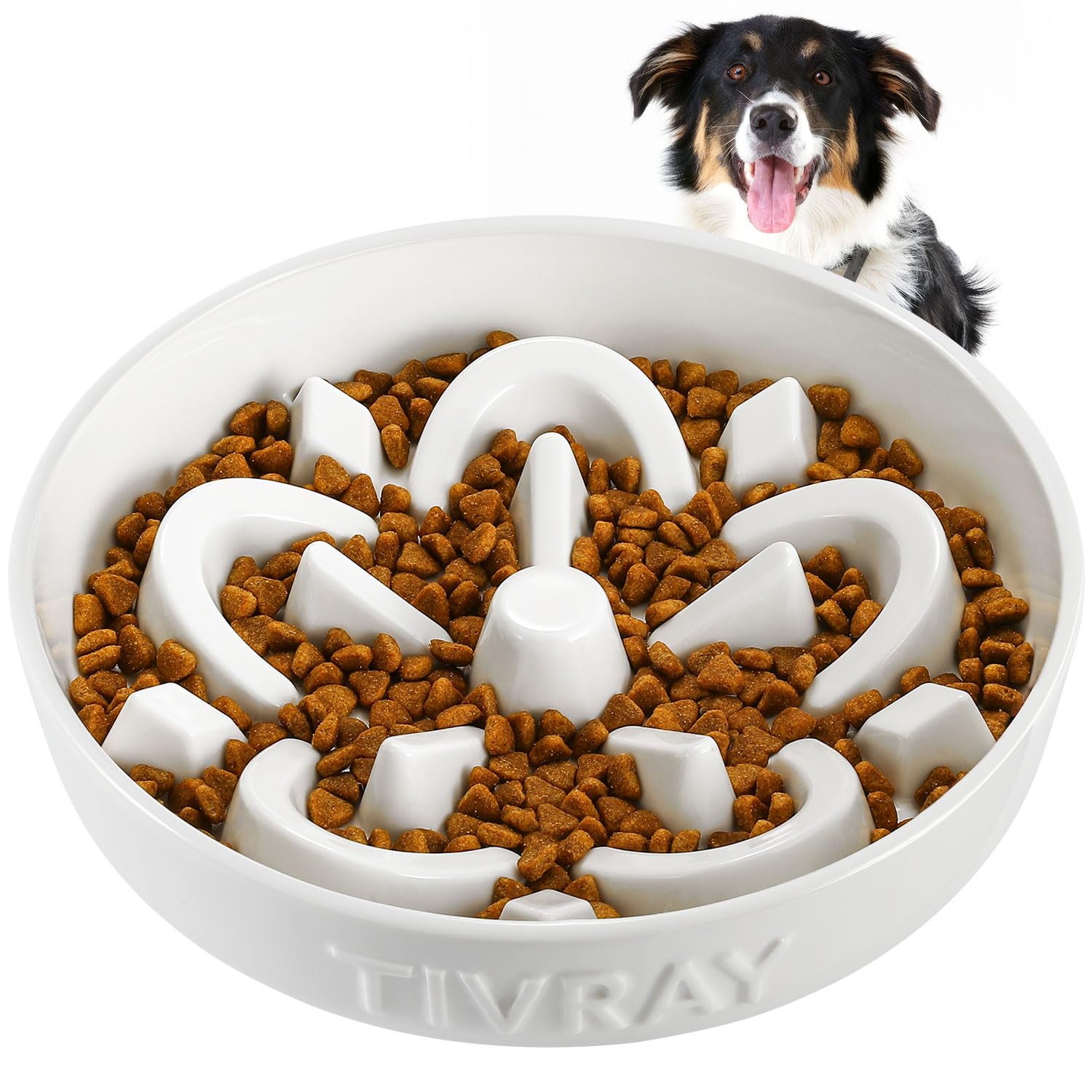
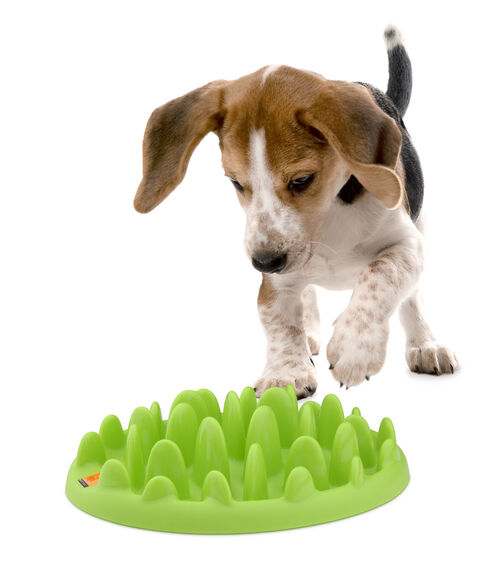
Use a slow feeder bowl
A slow feeder bowl has ridges, spirals, or mazes that make your dog work for each bite. It is one of the easiest tools for how to stop a dog from eating too fast.
Why it helps:
- It slows the pace naturally.
- It encourages chewing.
- It reduces gulping and swallowed air.
For many dogs, this is enough on its own. Still, some smart dogs learn to beat the bowl by flipping it or licking around it, so you may need to pair it with other methods.
Try a puzzle feeder
Puzzle feeders turn dinner into a small job. Your dog has to move parts, slide pieces, or nudge toys to get food out. This is a great option if you want how to stop a dog from eating too fast while also adding mental exercise.
Benefits include:
- Slower eating
- Better focus
- Less boredom
I once worked with a dog that finished a bowl in 20 seconds flat. A puzzle feeder stretched that same meal to several minutes, and the owner noticed less vomiting almost immediately. That is a classic example of how to stop a dog from eating too fast without making mealtime unpleasant.
Spread food on a licking mat
A licking mat is a flat textured surface where you spread soft food, wet food, or kibble mixed with water. Dogs must lick instead of gulp, which naturally slows them down.
Best uses:
- Wet food
- Peanut butter made for dogs
- Pumpkin puree
- Soaked kibble
This method works well for anxious dogs too. The licking motion can feel calming, almost like a dog version of a stress ball.
Feed smaller meals more often
If a dog is very hungry by the time food arrives, it may eat with panic. Breaking the daily amount into 2, 3, or even 4 smaller meals can help. This is a simple part of how to stop a dog from eating too fast, especially for food-driven dogs.
Smaller meals can:
- Reduce extreme hunger
- Lower meal-time stress
- Help keep energy more steady
This is often useful for puppies and active dogs. It also makes a dog feel less like it needs to “race” the clock.
Add a little water to dry food
Moistening kibble can slow the first few bites. It makes the food heavier and less easy to vacuum up in one gulp.
A few tips:
- Use warm water and let the food soften for a few minutes.
- Do not leave wet kibble out too long.
- Watch for spoilage in warm weather.
This method is easy, but it is not perfect for every dog. Some dogs still eat just as fast, so think of it as a support tool, not the whole solution.
Hand feed part of the meal
Hand feeding can calm a dog down and build better mealtime habits. It also lets you control the pace, which is useful when figuring out how to stop a dog from eating too fast.
Good situations for hand feeding:
- Puppies learning manners
- Nervous dogs
- Dogs that bolt food and need extra structure
You do not have to hand feed every meal forever. Even a few minutes of hand feeding before placing the bowl down can change the dog’s mindset.
Use training to teach patience
Basic cues like sit, stay, and wait can make a big difference. When a dog must wait before eating, it learns that calm behavior leads to food. This is one of the most effective long-term answers to how to stop a dog from eating too fast.
Try this simple routine:
- Ask your dog to sit.
- Place the bowl down.
- Ask for a short wait.
- Release the dog with a word like “okay.”
Keep it short at first. If you make it too hard, the dog may get frustrated and rush even more.
Remove food competition
If you have more than one pet, separate them during meals. Competition often pushes dogs to eat faster than they otherwise would. This is one of the most overlooked parts of how to stop a dog from eating too fast.
Helpful setup ideas:
- Feed dogs in different rooms
- Use crates if they are comfortable and trained for them
- Pick up bowls after meals
I have seen many owners think their dog has a “speed problem” when the real issue was another pet nearby. Once the dogs ate apart, the rushing dropped fast.
Make meals more structured
Dogs do better when mealtime feels predictable. A calm routine can lower excitement and help with how to stop a dog from eating too fast.
A good routine might look like this:
- Take the dog out for a short potty break
- Ask for a sit before food
- Put the bowl down only when the dog is calm
- Pick the bowl up after 15 to 20 minutes
Predictability matters. It turns feeding from a chaotic event into a normal part of the day.

What Not to Do
Some well-meaning fixes can make things worse. When learning how to stop a dog from eating too fast, it helps to avoid common mistakes.
Try not to:
- Leave food out all day if your dog gulps it.
- Use a bowl that is too difficult for small or flat-faced dogs.
- Scold your dog for eating fast, since that can add stress.
- Assume the dog will “grow out of it” without any change.
- Ignore vomiting, gagging, or signs of discomfort.
A lot of owners wait too long because the dog seems fine after meals. But repeated fast eating can build problems over time. Small changes now are easier than dealing with a bigger issue later.
When to Talk to a Vet
Sometimes fast eating is not just a habit. It can be linked to medical or behavioral issues. If you are serious about how to stop a dog from eating too fast, watch for signs that need a vet check.
Call a vet if your dog:
- Vomits often after meals
- Coughs or gags while eating
- Loses weight despite a big appetite
- Acts frantic around food every day
- Seems painful, bloated, or restless after eating
A sudden change in eating speed can also matter. If a normally slow eater starts gulping food, it may point to a health issue such as parasites, dental pain, or hormone problems. Trust your instincts and get it checked.
Best Long-Term Habits for Slower Eating
The goal is not just a one-time fix. The real win is building habits that last. In my work, the best results always came from consistency, not fancy gear alone. That is the heart of how to stop a dog from eating too fast in a lasting way.
Long-term habits that help:
- Feed at the same times each day
- Use one or two slow-feeding tools consistently
- Keep the feeding area calm
- Avoid feeding around other pets if it causes tension
- Reinforce calm behavior before meals
Think of it like teaching a child to eat at the table instead of running around. The more normal and steady the routine feels, the less likely the dog is to panic at mealtime.
Frequently Asked Questions of How to Stop a Dog From Eating Too Fast
Why does my dog eat so fast?
Dogs often eat fast because of excitement, habit, or competition with other pets. Some also have a strong food drive or a past history of not getting regular meals.
Is eating too fast dangerous for dogs?
Yes, it can be. Fast eating may lead to choking, vomiting, stomach upset, and swallowed air, which can increase the risk of bloating in some dogs.
Do slow feeder bowls really work?
For many dogs, yes. Slow feeder bowls are one of the simplest ways to slow down mealtime because they make the dog work around ridges or patterns to reach the food.
Should I feed my dog once or twice a day?
Most adult dogs do well with two meals a day, but it depends on age, health, and lifestyle. Smaller, more frequent meals can help dogs that eat too fast or seem overly hungry.
When should I worry about my dog’s fast eating?
You should worry if fast eating comes with vomiting, gagging, bloating, weight loss, or sudden behavior changes. Those signs can point to a medical issue that needs veterinary attention.
Conclusion
Learning how to stop a dog from eating too fast is really about making mealtime safer, calmer, and more comfortable. The best results usually come from simple tools like slow feeder bowls, puzzle feeders, smaller meals, and a steady feeding routine. If your dog still rushes food after trying these changes, a vet can help rule out medical causes and guide you toward the right solution.
Start with one or two changes today and watch how your dog responds. Small steps often make a big difference, and your dog’s stomach will thank you for it. If this guide helped, explore more dog care tips, share your experience, or leave a comment with what worked for your pup.