Too much protein in dogs can cause digestive upset, thirst, weight changes, and kidney strain in some pets.
Many dog owners hear that protein is always good, so it is easy to overdo it. But the symptoms of too much protein in dogs diet can show up in small, everyday ways first, like softer stools, more thirst, or a dog that seems a little off after meals. I have seen this come up most often when owners switch foods too fast, add lots of high-protein treats, or assume “more protein” is always better. Let’s break down what to watch for, what it really means, and when it is time to talk to your vet.
What too much protein in a dog’s diet really means
Protein is a key nutrient for dogs. It helps build muscle, support the immune system, and keep skin and coat healthy. But more protein is not always better for every dog.
The symptoms of too much protein in dogs diet are usually not caused by protein itself alone. More often, they happen when the diet is too rich overall, too hard to digest, or not balanced with the right fats, carbs, fiber, vitamins, and minerals. In healthy dogs, excess protein is usually broken down and used for energy or excreted, but some dogs may still react poorly to a very high-protein diet.
A lot depends on the dog’s age, breed, activity level, and health status. A working dog may do well on more protein, while an older dog with kidney disease may need a different balance. That is why the same food can be perfect for one dog and a bad fit for another.
Common symptoms of too much protein in dogs diet
The symptoms of too much protein in dogs diet can vary, but there are a few signs that show up often. Some are mild and easy to miss. Others are more obvious and should not be ignored.
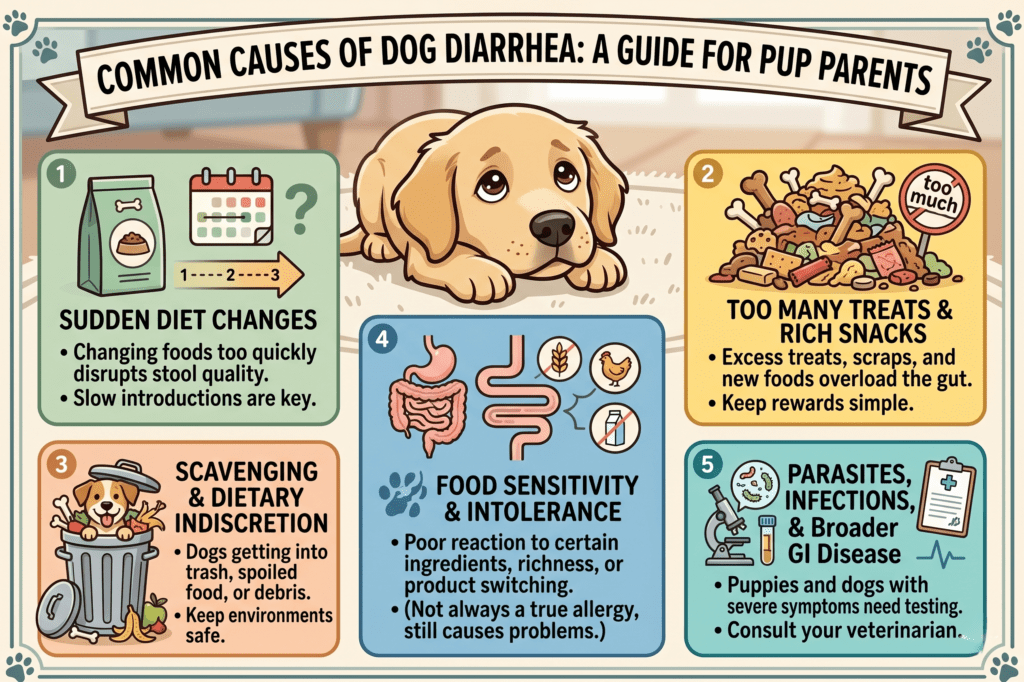
Digestive upset
This is one of the first signs people notice. A diet that is too rich can lead to:
- Loose stools
- Diarrhea
- Vomiting
- Gas
- Stomach gurgling
I have noticed that dogs often show digestive upset first when they move from a moderate food to a very high-protein formula too quickly. Their gut may need time to adjust, and some dogs never fully tolerate that change.
Increased thirst and urination
If your dog starts drinking more water than usual, that can be a clue. Some dogs also urinate more often when their body is processing a heavy protein load.
This does not always mean the protein is the only issue. It can also happen with kidney disease, diabetes, or certain medications. Still, if the change started after a diet switch, it is worth paying attention.
Bad breath
A strong ammonia-like smell on the breath can happen when the body is breaking down excess protein. This is not the same as normal dog breath.
If the smell comes with vomiting, loss of appetite, or tiredness, it is smart to get your vet involved. Breath changes alone are not proof of a problem, but they can be part of the bigger picture.
Weight changes
Too much protein in dogs diet can sometimes lead to weight gain, especially if the food is also high in calories and fat. Some dogs may also lose weight if they are not digesting food well or if the diet is making them feel sick.
Watch for:
- Sudden weight gain
- Unplanned weight loss
- A thinner or duller body condition
- Less muscle tone over time
Lethargy or low energy
If your dog seems less playful or more tired than usual, diet could be part of the issue. An overly rich diet can sometimes make dogs feel sluggish, especially if it causes stomach upset.
That said, low energy can also mean something else is going on, like pain, infection, or organ disease. Do not assume it is only the food if the symptom is strong or lasts more than a day or two.
Skin and coat changes
Protein matters for skin and coat health, but too much protein does not automatically mean a better coat. If the diet is unbalanced, some dogs may develop:
- Dry skin
- Itching
- Flaky coat
- Dull fur
These signs are often tied to the overall diet, not just protein alone. A well-balanced food usually helps more than a very protein-heavy one.
:max_bytes(150000):strip_icc()/is-a-high-protein-diet-best-for-weight-loss-3495768-a-2062b3f0080d4401ba2b031449dcc418.jpg)
Why too much protein can cause problems
The symptoms of too much protein in dogs diet make more sense when you understand how a dog uses protein. Protein is broken into amino acids, which the body uses for repair and energy. Any extra nitrogen from protein has to be processed and removed, mainly through the kidneys and liver.
For many healthy dogs, this is not a problem. Their bodies handle it well. But if the diet is extremely high in protein, or if the dog has a health issue, symptoms may appear.
A few common reasons problems happen include:
- Sudden food changes
- Very rich home-cooked meals
- High-protein diets with too few carbs or fiber
- Extra protein from treats, chews, and table food
- Underlying kidney, liver, or digestive disease
A key lesson from experience: when a dog “acts funny” after a food upgrade, it is often not the protein alone. It is usually the whole formula, the speed of the switch, or the dog’s own sensitivity.
Dogs most likely to show symptoms
Not every dog reacts the same way. Some are more likely to show the symptoms of too much protein in dogs diet.
Senior dogs
Older dogs may have weaker kidney function or other age-related issues. They may not tolerate very rich foods as well as younger dogs.
Dogs with kidney disease
These dogs need special care. High protein can worsen symptoms in some cases, especially if kidney function is already reduced. Vets often recommend a carefully managed diet rather than a high-protein option.
Dogs with sensitive stomachs
Some dogs are just more delicate. They may get diarrhea, vomiting, or gas from rich foods, even if they are otherwise healthy.
Puppies
Puppies need protein for growth, but they also need the right balance of calories, minerals, and nutrients. A diet that is too high in protein and not balanced for growth can create problems.
Highly active dogs
Working dogs and athletic dogs may do well on more protein, but even they can have trouble if the diet is unbalanced or changed too quickly. More protein is not the same as better performance.
How vets think about protein intake
Veterinarians do not usually focus on protein alone. They look at the whole diet and the dog’s health history. That is because the symptoms of too much protein in dogs diet can overlap with other problems.
A vet may check:
- Age and body condition
- Activity level
- Water intake
- Urination habits
- Stool quality
- Bloodwork
- Kidney and liver values
- Diet labels and ingredient lists
This is where real-world judgment matters. A food that looks “high quality” on paper may still be too much for one specific dog. The right answer depends on the individual pet, not just the marketing on the bag.
How to tell if protein is the real issue
It can be tricky to know if protein is the true cause. The symptoms of too much protein in dogs diet can look a lot like food intolerance, sudden diet change, or another medical condition.
Here are a few clues that protein or diet balance may be involved:
- Symptoms began after a food change
- Your dog gets worse after high-protein treats
- The stomach upset improves when the diet is simplified
- Water intake increased after switching foods
- Stool changes keep happening on the same diet
A food diary can help. Write down what your dog eats, when symptoms start, and how long they last. That simple habit can save time at the vet and make patterns easier to spot.
What to do if you suspect too much protein
If you think your dog is showing symptoms of too much protein in dogs diet, do not panic. Start with calm, careful steps.
Check the food label
Look at the guaranteed analysis and ingredients. Protein percentage alone does not tell the whole story, but it is a useful start.Review all sources of protein
Count treats, toppers, chews, table scraps, and training rewards. These add up fast.Switch food slowly if needed
If your vet recommends a new diet, make the change over 7 to 10 days, or longer for sensitive dogs.Watch the symptoms closely
Note appetite, stool, thirst, energy, and body weight. Small changes matter.Call your vet if symptoms persist
If vomiting, diarrhea, lethargy, or excess thirst lasts more than a short time, get medical advice.
A small mistake I see often is people removing food too fast and replacing it with something even richer. That can make the stomach problem worse, not better.
How to choose the right protein level
There is no single perfect protein level for all dogs. The best choice depends on the dog’s life stage and health.
A balanced approach usually works best:
- Active dogs may need more protein
- Older dogs may need a moderate, easy-to-digest formula
- Dogs with kidney disease may need a vet-guided diet
- Dogs with sensitive stomachs may do better on simple recipes
Look for complete and balanced nutrition rather than chasing the highest protein number. A good food should support total health, not just muscle.
Preventing diet-related problems
You can lower the chance of seeing the symptoms of too much protein in dogs diet with a few simple habits.
- Introduce new food slowly
- Avoid overfeeding treats
- Keep meals consistent
- Choose foods made for your dog’s age and health
- Ask your vet before making major diet changes
It also helps to remember that “high protein” is not automatically unhealthy. In many dogs, it is perfectly fine. The goal is balance, not extremes.
Frequently Asked Questions of Symptoms of too much protein in dogs diet
Can too much protein make a dog sick?
Yes, it can make some dogs sick, especially if the diet is too rich for their stomach or health condition. Common signs include vomiting, diarrhea, and reduced appetite.
Does high protein hurt a dog’s kidneys?
Healthy dogs usually process protein well, but dogs with kidney disease may need controlled protein intake. If your dog has a kidney issue, ask your vet before feeding a high-protein diet.
How do I know if my dog is getting too much protein?
Look for changes like loose stools, thirst, bad breath, or weight changes after a diet switch. A vet can help confirm whether protein is the issue or if something else is going on.
Is high-protein food bad for all dogs?
No, many dogs do well on high-protein food, especially active dogs. The key is choosing a complete and balanced formula that fits your dog’s needs.
What should I do if my dog has diarrhea after a new food?
Stop the sudden changes and talk to your vet if the diarrhea continues or is severe. In many cases, the issue is the food transition or overall richness, not just protein alone.
Conclusion
The symptoms of too much protein in dogs diet can range from mild stomach upset to thirst, bad breath, and weight changes. While protein is essential for dogs, more is not always better, and the right amount depends on your dog’s age, health, and activity level.
If your dog seems off after a food change, trust your eyes and keep notes. Simple observations like stool quality, water intake, and energy can tell you a lot. When in doubt, talk with your vet and choose a diet that is balanced, steady, and built for your dog’s real needs.
If this guide helped, take a closer look at your dog’s food and share your questions or experience in the comments.