
A female dog is often hungry because of diet gaps, hormones, illness, stress, or simple habit.
If your female dog always seems to be searching for food, you are not alone. I have seen this many times in real life, and the reason is not always as simple as “she just loves to eat.” Sometimes it is a feeding issue, and sometimes it is a health problem that needs attention. This guide will help you understand why your female dog is always hungry and what you can do about it.

Why a Female Dog May Seem Always Hungry
A dog that acts hungry all the time may be dealing with true hunger, or she may be showing what looks like hunger. That difference matters. True hunger usually comes from not getting enough nutrients, calories, or the right feeding schedule. Hunger-like behavior can come from boredom, stress, learned habits, or medical causes.
In my experience, the first mistake many owners make is assuming more food is always the answer. Sometimes it helps, but sometimes it only hides the real problem. A dog can keep acting hungry even after a full meal if something in her body or routine is off.
Common reasons include:
- Not enough calories for her size, age, or activity level
- Low protein or low fiber diet
- Hormonal changes, including heat cycles or pregnancy
- Worms or other intestinal parasites
- Diabetes or thyroid issues
- Side effects from medicine, especially steroids
- Stress, anxiety, or boredom
- Learned behavior from table scraps or frequent treats

Common Feeding Problems That Can Make Your Female Dog Hungry
One of the most common reasons a female dog is always hungry is simple: her food may not be meeting her needs. This can happen even when the bag looks “complete and balanced.” Portion size, calorie density, and meal timing all matter.
A dog that eats a food with lots of fillers may feel full for only a short time. The same goes for dogs that are fed too few calories for their daily burn. Active dogs, nursing dogs, and dogs recovering from illness often need more than owners realize.
Things to check:
- Measure food with a real measuring cup, not guesswork
- Look at the calorie count per cup, not just the serving size
- Make sure treats are not taking up too much of her daily calories
- Ask if the food has enough protein and fiber to help with fullness
- Review whether she is fed once or twice a day, since some dogs do better with smaller meals
I once worked with a dog owner who thought her female dog had a “bottomless stomach.” The dog was eating a small amount of a very low-calorie food. Once the diet was adjusted, the constant begging dropped fast.
Hormonal Reasons a Female Dog May Always Act Hungry
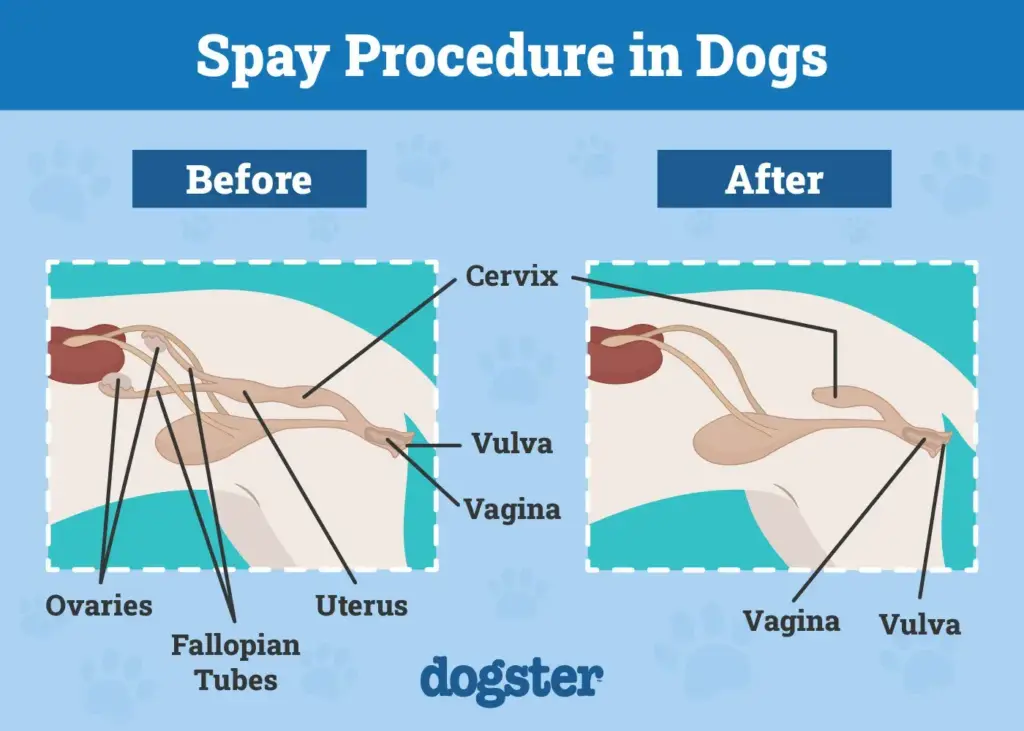
Hormones can play a big role in appetite. Female dogs can seem hungrier during heat cycles, after spaying, during pregnancy, and while nursing. These changes can affect both metabolism and behavior.
During a heat cycle, some dogs eat less for a short time, but others show more food-seeking behavior before or after. Pregnant and nursing dogs often need much more food than usual because they are supporting growing puppies. After spaying, some dogs gain weight more easily, but they may also seem more food-focused if their routine changes.
Hormonal causes to consider:
- Heat cycle changes
- Pregnancy
- Nursing puppies
- Post-spay appetite changes
- Cushing’s disease, which can increase hunger in some dogs
If your female dog’s hunger started suddenly and came with body changes, mood changes, or weight gain, a hormone issue should be on your radar.
Medical Reasons a Female Dog Is Always Hungry
Sometimes constant hunger is a warning sign. A dog that is always hungry but still losing weight, having diarrhea, or drinking more water may need a vet visit soon. This is where experience and caution matter, because appetite changes can be the first clue of a larger health issue.
Possible medical causes include:
- Intestinal parasites such as roundworms or hookworms
- Diabetes mellitus
- Hyperthyroidism, which is rare in dogs but possible in some cases
- Exocrine pancreatic insufficiency, which affects digestion
- Cushing’s disease
- Digestive disorders that prevent nutrient absorption
Signs that go beyond normal hunger:
- Weight loss
- Increased thirst
- Vomiting
- Loose stool or diarrhea
- A bloated belly
- Fatigue or weakness
- Greasy coat or poor skin condition
If your dog is eating more but looking thinner, that is not normal. In my view, that is one of the clearest signs to call a vet rather than trying to solve it at home.
Stress, Boredom, and Learned Behavior
Not every hungry dog is physically hungry. Some female dogs act food obsessed because eating has become their favorite coping tool. Just like people may snack when stressed, dogs can learn to beg when bored, anxious, or under-stimulated.
This is very common in dogs that get food from the table, frequent treats, or snacks when they whine. Over time, the dog learns that acting hungry works. That behavior can be stubborn, but it is usually fixable with consistency.
Possible behavior triggers:
- Long periods without exercise
- Lack of mental enrichment
- Separation anxiety
- Reward history from people food
- Inconsistent meal times
- Keep meal times steady
- Use puzzle feeders or lick mats
- Add daily walks and training games
- Stop giving food when she begs
- Reward calm behavior with attention, not snacks
A hungry-looking dog does not always need more food. Sometimes she needs more to do.
What You Should Check at Home First
Before you panic, start with a simple at-home review. This helps you spot feeding mistakes and small issues early. It also gives your vet useful information if the problem continues.
Use this checklist:
- Measure her food for one full week
- Count all treats, chews, and table scraps
- Check if her weight is stable, increasing, or dropping
- Watch for changes in thirst, stool, energy, or coat
- Confirm whether she is on any medicine that can raise appetite
- Note whether the hunger started after a heat cycle, surgery, or diet change
If her appetite seems unusually strong but her body condition is normal, the issue may be behavioral or diet-related. If her body condition is changing, think medical first.
When to Call the Vet
You should call your vet if the hunger is new, intense, or tied to other symptoms. This is especially important if your female dog is always hungry and also losing weight. That pattern often points to a problem with digestion or metabolism.
Make an appointment if you notice:
- Rapid weight loss
- Drinking and urinating more than usual
- Vomiting or diarrhea
- A bloated abdomen
- Weakness or shaking
- Sudden behavior changes
- Hair loss or poor coat quality
Your vet may recommend a physical exam, fecal test, blood work, or other testing. These are common, practical steps that help rule out parasites, diabetes, thyroid problems, or other issues.
What to Feed a Female Dog That Seems Always Hungry
If the problem is diet-related, a better feeding plan can make a big difference. The goal is not just to fill her stomach. The goal is to help her feel satisfied for longer while still meeting her nutrition needs.
Look for dog food with:
- High-quality protein
- Healthy fiber
- Balanced fat
- Proper calorie control for her size and age
Feeding tips that often help:
- Split food into two or three meals
- Use slow feeders for fast eaters
- Add vet-approved fiber sources if needed
- Avoid too many calorie-heavy treats
- Keep the schedule steady every day
Some dogs do better on a weight management formula if they are overweight but still act hungry. Others need a higher-protein food to stay full. The best choice depends on the dog, not just the label.
How to Tell the Difference Between Hunger and Begging
This part can be tricky. Many dogs know how to look hungry even when they are not. They may follow you, stare at the pantry, or act restless near mealtimes. That does not always mean they need more calories.
Real hunger often comes with:
- Weight loss
- Low energy
- Food stealing
- Strong interest in all food
- Changes in stool or body condition
Begging or habit-driven hunger often looks like:
- She asks for food right after eating
- She is more active around the kitchen
- She calms down when distracted
- She begs more when people eat
- Her weight and health are otherwise normal
If your female dog is always hungry but stable in weight and health, behavior may be the main issue. If she is unstable in body weight or health, think medical or nutritional.
Practical Ways to Help Your Dog Feel Fuller
A dog that feels satisfied is often calmer and easier to manage. You do not need to overload her bowl. Small, smart changes can go a long way.
Try these ideas:
- Feed measured meals instead of free-feeding
- Choose foods with better protein and fiber
- Use part of her meal in training sessions
- Offer low-calorie enrichment toys
- Increase walks and playtime
- Avoid reinforcing begging with snacks
One thing I learned over time is that enrichment matters more than many people think. A dog with a busy brain often acts less hungry because her energy is going somewhere useful.
Frequently Asked Questions
Why is my female dog always hungry after eating?
She may not be getting enough calories, or her food may not be very filling. It can also be a learned behavior if she expects treats after meals.
Can worms make a female dog always hungry?
Yes, intestinal parasites can increase appetite while the dog still loses weight. Worms can block nutrient absorption, so the dog feels like she needs more food.
Is it normal for a female dog in heat to act hungrier?
It can happen. Hormone shifts may change appetite and food-seeking behavior, though not every dog reacts the same way.
Why is my female dog always hungry but losing weight?
That is a red flag. It may point to diabetes, parasites, digestive disease, or another condition that needs a vet exam.
Should I give my female dog more food if she seems hungry?
Only if her current diet is clearly too small or your vet recommends it. Giving extra food without checking the cause can lead to weight gain or hide a medical issue.
Conclusion
A female dog that seems always hungry may be dealing with a diet problem, hormone shift, stress, or a health condition that needs care. The good news is that many cases improve once you find the real cause and make small, steady changes. Start by checking her food, her routine, and her body condition, then call your vet if anything seems off.
If you stay observant and act early, you can help your dog feel better and avoid bigger problems later. Take a few minutes today to review her feeding plan and daily habits, and if you notice warning signs, book a vet visit. If this guide helped, explore more pet care tips or leave a comment with your dog’s story.