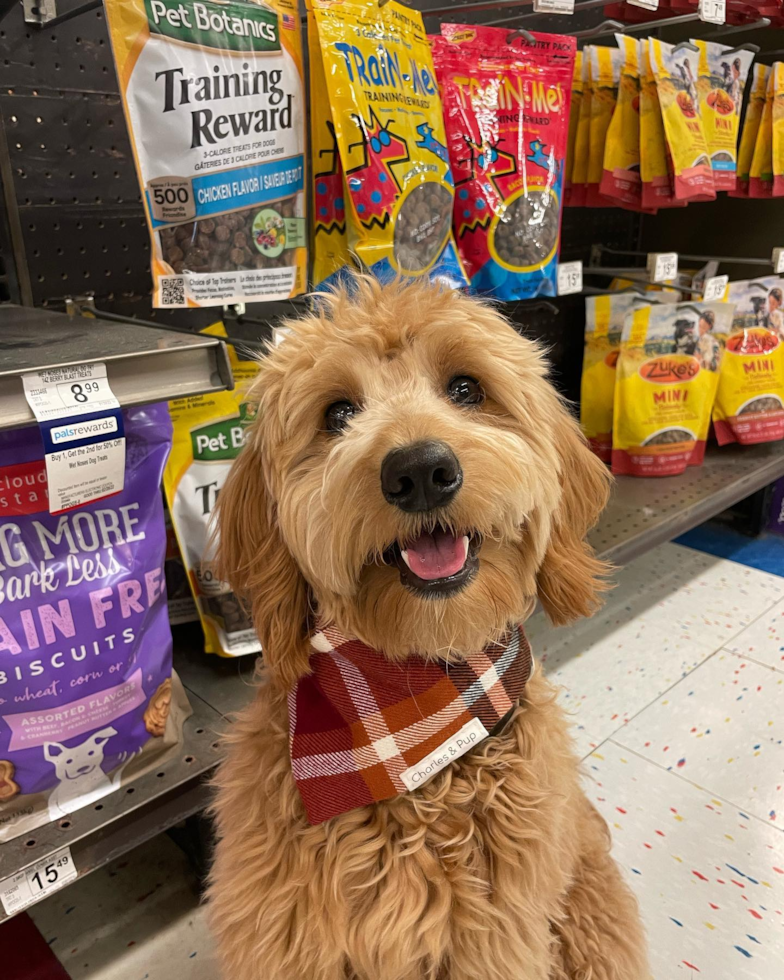
The best dog food for Goldendoodles is a complete, balanced recipe with quality protein, healthy fats, and calories matched to size and age.
Choosing food for a Goldendoodle is not as simple as picking a popular bag from the pet store. These smart, active dogs can vary widely in size, coat type, energy level, and stomach sensitivity. A mini Goldendoodle may need a different formula than a large, athletic adult.
As a longtime dog nutrition writer and advisor, I have seen how small food changes can affect a Goldendoodle’s stool, skin, coat, and energy. This guide explains what to look for, which ingredients matter, how much to feed, and how to switch foods safely.

What dog food is best for Goldendoodles?
The best dog food for Goldendoodles is one that meets the nutritional standards for your dog’s life stage and supports steady energy, healthy digestion, strong muscles, and a soft coat. It should include animal-based protein, moderate fat, useful fiber, and essential vitamins and minerals.
Look for a food labeled “complete and balanced” for the correct life stage. In the United States, this statement should follow the nutritional standards set by the Association of American Feed Control Officials, commonly called AAFCO.
A good Goldendoodle diet usually includes:
• A named animal protein, such as chicken, turkey, beef, lamb, salmon, or fish
• Enough protein to support muscle and tissue repair
• Healthy fat for energy, skin, and coat health
• Digestible carbohydrates, such as rice, oats, barley, potatoes, or peas
• Fiber to support regular stools
• Omega-3 fatty acids from fish oil or another trusted source
• Calcium and phosphorus in safe, balanced amounts
• Calories suited to the dog’s age, weight, and activity
The best dog food for Goldendoodles is not always the most expensive food. Price can help you compare ingredient quality, but a higher cost does not automatically mean better nutrition.
Goldendoodle nutritional needs by life stage
Goldendoodles need different nutrition as they grow. Feeding a puppy the same food as an older adult can lead to poor growth, excess weight, or missing nutrients.
Goldendoodle puppies
Puppies need food that supports fast growth, brain development, bone health, and muscle formation. A Goldendoodle puppy should eat a complete and balanced puppy formula.
Large Goldendoodle puppies may need a large-breed puppy formula. This matters because rapid growth can place extra stress on developing bones and joints. Ask your veterinarian whether your puppy’s expected adult size calls for a large-breed recipe.
Puppy food should provide:
• High-quality protein
• Controlled calories
• Balanced calcium and phosphorus
• DHA or other omega-3 fats
• Small, easy-to-chew pieces
Feed puppies several small meals each day. Many young puppies do well with three meals daily, while very young puppies may need more frequent meals.
Adult Goldendoodles
Adult Goldendoodles need enough protein to maintain muscle without taking in too many calories. Their food should match their activity level.
A dog that hikes, swims, or runs each day may need more calories than a dog that takes short walks and rests at home. Treats also count. Ideally, treats should provide no more than about 10% of daily calories.
Senior Goldendoodles
Senior dogs often need fewer calories because they move less. They may also benefit from more fiber, carefully controlled fat, and nutrients that support joint health.
There is no single age when a Goldendoodle becomes a senior. Size, health, and activity all matter. Your veterinarian can help decide when to change from adult food to a senior formula.
Key ingredients to look for
When comparing foods, start with the nutrition label rather than the marketing words on the front of the bag. “Natural,” “holistic,” and “premium” can sound appealing, but these terms do not tell you if the food is complete and balanced.
Animal-based protein
Protein helps build and repair muscles, skin, organs, and other tissues. Goldendoodles are active dogs, so protein plays an important role in daily health.
Good options include:
• Chicken
• Turkey
• Beef
• Lamb
• Salmon
• White fish
• Egg
• Pork
The first ingredient does not tell the whole story. Ingredients are listed by weight before cooking, so a fresh meat ingredient contains much more water than a dry meat meal. A food with both fresh meat and a named meat meal may still provide excellent protein.
Healthy fats
Fat supplies concentrated energy. It also helps the body absorb vitamins A, D, E, and K.
Fish oil is useful because it provides EPA and DHA, two omega-3 fatty acids linked with skin, coat, and inflammatory support. Chicken fat and other animal fats can also supply energy and improve taste.
Too much fat may cause loose stools or weight gain. A food that makes your dog’s coat shiny but also causes diarrhea is not the right choice.
Digestible carbohydrates
Dogs can digest properly cooked grains and other carbohydrates. Rice, oats, barley, and sweet potatoes may provide energy and fiber.
There is no need to avoid grains unless your veterinarian identifies a specific problem. True grain allergies are less common than many owners think. Beef, dairy, chicken, and other proteins may be more common food allergy triggers.
Fiber and prebiotics
Fiber helps support normal bowel movements. Some foods also include prebiotics, such as beet pulp, chicory root, or certain plant fibers.
Fiber can help a Goldendoodle with mild stool inconsistency, but more is not always better. Too much fiber may reduce calorie absorption or cause gas.
Vitamins and minerals
A complete diet should include balanced vitamins and minerals. Calcium, phosphorus, zinc, copper, iodine, and vitamins A and D all have important roles.
Do not add calcium or a multivitamin without veterinary advice. Extra supplements can upset the balance of a complete food and may be harmful, especially for growing puppies.
Dry food, wet food, fresh food, or raw food?
The best dog food for Goldendoodles may be dry, wet, fresh, or a combination. The right choice depends on nutrition, safety, cost, convenience, and your dog’s response.
Dry dog food
Dry kibble is convenient, easy to measure, and often less expensive. It can also be stored easily and used in puzzle toys or training.
Choose a kibble with a complete and balanced statement. Make sure the pieces are a suitable size for your Goldendoodle.
Wet dog food
Wet food contains more water and may help dogs that drink little. It can also appeal to picky eaters or dogs with dental pain.
However, wet food is usually more expensive per calorie. Once opened, it must be covered and refrigerated.
Fresh or gently cooked food
Fresh food can be a useful option when it is complete and balanced. Some recipes are designed by veterinary nutrition experts, while others are not nutritionally complete.
Do not assume that fresh food is automatically healthier. Check the label and feeding instructions carefully.
Raw food
Raw diets carry risks from harmful bacteria and nutritional imbalance. These risks affect dogs and people in the home, especially children, older adults, pregnant people, and anyone with a weak immune system.
If you are considering raw feeding, speak with a veterinarian or a board-certified veterinary nutrition specialist first. Homemade raw or cooked diets should not be built from guesswork.

Best dog food choices for common Goldendoodle needs
The best dog food for Goldendoodles can change when a dog has allergies, a sensitive stomach, excess weight, or another health concern.
For sensitive stomachs
Choose a simple recipe with a clear protein source and highly digestible ingredients. Avoid changing foods often, since frequent changes can cause diarrhea even when the food itself is suitable.
Helpful features may include:
• One main animal protein
• Moderate fat
• Easily digested carbohydrates
• Added prebiotic fiber
• No unnecessary flavor additives
A sensitive stomach can also signal parasites, pancreatitis, infection, or another illness. Ongoing vomiting, diarrhea, weight loss, or poor appetite needs veterinary attention.
For food allergies
Food allergies may cause itchy skin, repeated ear problems, paw licking, vomiting, or diarrhea. These signs can look like environmental allergies, yeast infections, or parasites.
The most reliable test is a veterinary elimination diet. This usually involves feeding a novel protein or hydrolyzed diet for a set period, with no unapproved treats or flavored medicines.
Do not switch from chicken to salmon for a few days and call it an allergy test. A proper trial needs strict control and veterinary guidance.
For itchy skin and a dull coat
A food with adequate protein and omega-3 fats may help support skin and coat health. Still, food is only one possible factor.
Fleas, seasonal allergies, yeast, bathing products, and ear disease can all cause itching. If your Goldendoodle scratches often, schedule an exam instead of relying only on a new food.
For weight control
Goldendoodles can gain weight easily, especially after spaying or neutering or when treats are generous. Excess weight puts more strain on the hips, knees, and other joints.
Choose a food with controlled calories and measure each meal with a kitchen scale or measuring cup. A slim body shape is healthier than a rounded belly. You should be able to feel the ribs under a light layer of fat.
For joint support
Goldendoodles may inherit joint problems from their parent breeds. Healthy weight is one of the strongest ways to protect mobility.
Some diets include glucosamine, chondroitin, or omega-3 fats. These ingredients may help some dogs, but they are not cures for hip dysplasia or arthritis. A veterinarian should assess pain, stiffness, or difficulty rising.
How to read a dog food label
A label can seem confusing, but a few sections provide useful information.
Check the nutritional adequacy statement
Look for wording that says the food is complete and balanced for:
• Growth
• Maintenance
• All life stages
• Large-breed growth, when appropriate
A food labeled only for intermittent or supplemental feeding should not make up your dog’s main diet.
Compare calories
Two foods may look similar but provide very different calories per cup. Use the calorie statement on the label and follow your veterinarian’s advice.
The feeding chart is a starting point, not a strict rule. Adjust the amount based on body condition, activity, age, and weight changes.
Review the guaranteed analysis
This section lists minimum crude protein and fat, plus maximum crude fiber and moisture. It can help you compare foods, but it does not show every nutrient or how well the dog absorbs it.
For a deeper comparison, contact the manufacturer and ask for typical nutrient data, quality testing, and information about who formulates the recipe.
Consider the company’s quality controls
A reliable manufacturer should be able to explain:
• Who formulates the food
• Where ingredients come from
• How finished foods are tested
• Whether the company follows strong quality control systems
• How it checks for contamination and nutrient errors
Marketing claims are easy to print. Good quality control is much harder to fake.
How much should a Goldendoodle eat?
The correct amount depends on body weight, age, metabolism, activity, and the calorie density of the food. The same scoop size can provide very different calories from one recipe to another.
Start with the package guide or your veterinarian’s plan. Then monitor your dog’s body condition every few weeks.
Use these practical signs:
• Ribs should be easy to feel but not sharply visible
• The waist should be visible from above
• The abdomen should tuck upward from the side
• Energy should be steady
• Stools should be formed and easy to pick up
Weigh your Goldendoodle regularly. A sudden increase or decrease may mean that the feeding amount needs adjustment or that a medical problem is present.
Treats, table scraps, dental chews, and food used for training all add calories. For a food-motivated Goldendoodle, reserve part of the daily kibble for training instead of adding extra snacks.
How to change your Goldendoodle’s food
A slow transition can reduce gas, vomiting, and loose stools. Most dogs do well with a seven-day change, though sensitive dogs may need longer.
Feed about 75% old food and 25% new food for two days.
Feed about 50% old food and 50% new food for two days.
Feed about 25% old food and 75% new food for two days.
Feed only the new food on the final day.
Watch appetite, stool quality, skin, ears, and energy. If vomiting or severe diarrhea occurs, stop the transition and contact your veterinarian.
One mistake I often see is changing food, treats, supplements, and chews all at once. That makes it impossible to know what caused a reaction. Change one major item at a time and keep a simple food diary.
Foods and feeding habits to avoid
Some foods can be dangerous to dogs, while others cause trouble when fed too often.
Avoid giving Goldendoodles:
• Chocolate
• Grapes and raisins
• Onions, garlic, and chives
• Xylitol, also called birch sugar
• Alcohol
• Caffeinated drinks
• Macadamia nuts
• Raw yeast dough
• Cooked bones
Rich table scraps can trigger stomach upset or pancreatitis. Fatty meats, bacon, sausage, and heavy sauces are especially poor choices.
Avoid feeding only meat, rice, or homemade leftovers for long periods. These meals may lack calcium, zinc, iodine, essential fatty acids, and other nutrients.
The best dog food for Goldendoodles should be the main source of nutrition, while treats remain small and purposeful.
When to ask your veterinarian for help
A healthy dog can still need a tailored diet. Ask your veterinarian for advice if your Goldendoodle has:
• Repeated vomiting or diarrhea
• Blood in the stool
• Weight loss or rapid weight gain
• Severe itching or ear infections
• Frequent gas with pain
• Poor appetite
• Trouble chewing
• Increased thirst or urination
• Stiffness or difficulty walking
Puppies, pregnant dogs, nursing dogs, seniors, and dogs with kidney, liver, heart, or digestive disease need extra care. Prescription diets may be appropriate for some conditions, but they should be used under veterinary guidance.
A veterinarian can also check teeth, parasites, allergies, and other causes of poor digestion. Food is important, but it cannot solve every health problem.
Frequently asked questions about what dog food is best for Goldendoodles
Is grain-free food best for Goldendoodles?
No. Grain-free food is not automatically healthier, and many dogs digest grains well. Discuss grain-free diets with your veterinarian, especially because diet-related heart concerns have been investigated in dogs eating some diets high in peas, lentils, and potatoes.
Should Goldendoodles eat large-breed dog food?
Some should, especially if they are expected to become large adults. Large-breed puppy formulas can help control growth, but your veterinarian should confirm the right formula based on expected adult size.
Is chicken a good protein for Goldendoodles?
Chicken is a nutritious protein for many dogs. However, some dogs may react to chicken, so a different protein or veterinary elimination diet may be needed when allergy signs occur.
How often should a Goldendoodle eat?
Most adult Goldendoodles do well with two measured meals per day. Puppies often need three meals, while certain health conditions may require a different schedule.
Can Goldendoodles eat homemade dog food?
They can eat a properly formulated homemade diet, but recipes should come from a board-certified veterinary nutrition specialist. Homemade meals made without a nutrient plan may become deficient over time.
Are probiotics useful for Goldendoodles?
Some probiotics may support normal gut bacteria and stool quality, but results vary. Choose a product made for dogs and ask your veterinarian for guidance, especially if diarrhea continues.
Conclusion
The best dog food for Goldendoodles is complete, balanced, suited to the dog’s life stage, and matched to its body condition and health needs. Focus on named protein, appropriate calories, healthy fats, useful fiber, and strong manufacturer quality controls.
Avoid chasing flashy claims or changing foods too quickly. Measure meals, limit treats, watch your dog’s stool and body shape, and seek veterinary advice when symptoms continue.
Start by reviewing your Goldendoodle’s current food and daily calories today. Then make any change slowly and thoughtfully. For more practical pet nutrition guidance, explore trusted veterinary resources and share your experience with other Goldendoodle owners.