
The best dog food for Yorkies is complete, balanced, small-breed food with quality protein and carefully controlled calories.
Choosing what dog food is best for Yorkies takes more than picking the smallest bag on the shelf. Yorkshire Terriers have tiny mouths, fast metabolisms, delicate teeth, and a higher risk of low blood sugar than many larger breeds. This guide explains how to compare ingredients, calories, textures, life-stage formulas, and special diets so you can choose food that truly fits your Yorkie.
:strip_icc()/Spruce-best-dog-food-for-allergies-4173781-024027f06d344cd8acf7267d38694fa3.jpg)
What dog food is best for Yorkies?
The best dog food for Yorkies is made for toy or small-breed dogs and meets recognized nutritional standards for a complete and balanced diet. It should provide animal-based protein, healthy fat, digestible carbohydrates, essential vitamins, and minerals.
A good Yorkie food should also have kibble that is easy for a small mouth to pick up and chew. Some Yorkies prefer wet food, while others do best with a mix of wet and dry food.
Look for these features:
• Small-breed or toy-breed labeling
• A named animal protein, such as chicken, turkey, beef, salmon, or lamb
• A statement that the food is complete and balanced for your dog’s life stage
• Moderate to high calorie density in small portions
• Small kibble or a soft texture
• Clear feeding instructions
• Quality control information from the manufacturer
Yorkies do not need a special “designer” diet simply because they are popular or small. They need food that matches their size, age, activity level, dental health, and medical needs.

Why Yorkies need a special feeding approach
Yorkshire Terriers are tiny dogs, but they are often lively and active. Their small bodies have little room for stored energy. Puppies, especially, may develop low blood sugar if they miss meals, become stressed, or eat too little.
Adult Yorkies also need careful portion control. A few extra treats can add many calories to a dog that weighs only 4 to 7 pounds. Weight gain can place extra stress on the knees, spine, heart, and breathing system.
Dental health is another major concern. Small dogs often develop plaque and tartar because their teeth are crowded in a small jaw. Dry food may help reduce some surface buildup, but it does not replace tooth brushing or professional dental care.
A useful daily routine often includes:
• Measuring food with a kitchen scale or standard measuring cup
• Feeding puppies three to four small meals each day
• Feeding most adults two measured meals per day
• Keeping treats below about 10% of daily calories
• Providing fresh water at all times
• Watching body shape, energy, stool quality, and appetite
The goal is not to feed the largest amount. The goal is to provide enough energy and nutrients in a small, digestible serving.
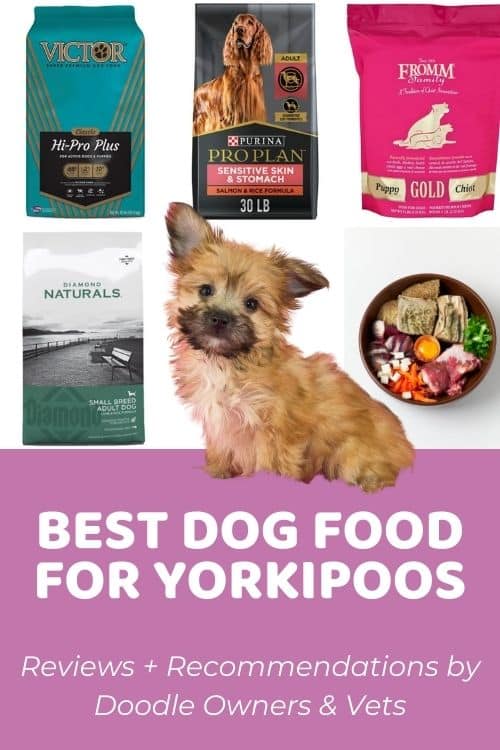
Key nutrients in the best Yorkie food
Protein supports muscles, skin, immune function, and healthy tissue. Choose food with a clearly named protein near the top of the ingredient list. Chicken meal, turkey meal, and fish meal can be concentrated sources of protein because much of the water has already been removed.
Fat supplies energy and helps support healthy skin and a shiny coat. Yorkies often have long, silky hair, so a balanced supply of essential fatty acids can be helpful. Fish oil provides omega-3 fats, including EPA and DHA, but supplements should only be added with veterinary guidance.
Carbohydrates are not automatically bad for dogs. Digestible grains, potatoes, peas, or other carbohydrate sources can provide energy and fiber. The most important issue is whether the complete diet is well tolerated and nutritionally balanced.
Important nutrients include:
• High-quality protein for muscle maintenance
• Omega-3 and omega-6 fatty acids for skin and coat health
• Calcium and phosphorus for bones and teeth
• Zinc and copper for skin and coat support
• Fiber for normal digestion
• Vitamin A for vision and immune health
• Taurine and other nutrients required by the specific formula
Avoid judging food by one ingredient alone. A food can contain an appealing protein but still be poorly balanced. The nutritional adequacy statement is more important than marketing words such as “natural,” “premium,” or “holistic.”

Dry food, wet food, or fresh food?
Dry food is convenient, easy to measure, and often less expensive per serving. Small kibble can work well for Yorkies with healthy teeth. Store it in a sealed container to protect flavor and reduce exposure to air.
Wet food has more water and may be easier for dogs with sore gums, missing teeth, or a strong preference for soft textures. It can also make meals more appealing for picky eaters. However, wet food spoils faster after opening and may cost more.
Fresh or gently cooked food can be a good option when it is complete and balanced. Homemade food is different. A homemade recipe can become deficient in calcium, iodine, zinc, or other nutrients unless it is designed by a board-certified veterinary nutritionist.
You can combine food types if the total daily calories remain appropriate. For example, a Yorkie may enjoy a small amount of wet food mixed with measured dry food. Reduce the dry portion when adding wet food so the meal does not quietly become too large.

How to choose food for Yorkie puppies
Yorkie puppies need food labeled for growth or for all life stages. Toy-breed puppies may need more frequent meals than adult dogs because they have small stomachs and high energy needs.
Choose a puppy food that provides enough calories and contains appropriate levels of calcium and phosphorus. Do not add calcium supplements unless your veterinarian recommends them. Too much supplementation can harm growing bones.
Puppy feeding tips include:
Offer three to four small meals each day.
Keep meal times consistent.
Monitor weight and growth with your veterinarian.
Carry a suitable food source during travel or stressful outings.
Seek veterinary care quickly if a puppy is weak, shaky, unusually sleepy, cold, or unwilling to eat.
Signs of possible low blood sugar can include trembling, weakness, confusion, poor balance, or collapse. This can be an emergency. Contact a veterinarian promptly rather than trying to manage repeated episodes with treats alone.
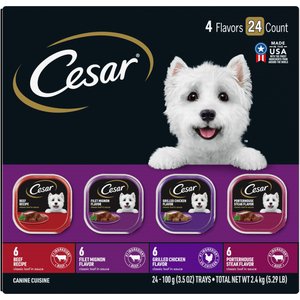
How to choose food for adult Yorkies
Adult Yorkies usually do well on a complete and balanced adult maintenance diet made for small breeds. The food should fit the dog’s activity level and body condition.
An active Yorkie that walks often may need more calories than a dog that spends most of the day resting. Neutered dogs may also need fewer calories than intact dogs. Feeding charts are a starting point, not a fixed rule.
Check your Yorkie’s body condition every few weeks. You should be able to feel the ribs under a light layer of fat, see a waist from above, and notice a gentle abdominal tuck from the side. If the ribs are hard to feel, reduce calories slightly and discuss the plan with your veterinarian.
Avoid free-feeding unless a veterinary professional has advised it. Many Yorkies are good at convincing people that they are starving, even after eating enough. Measured meals make weight control much easier.

Best food for Yorkies with common health concerns
Some Yorkies have sensitive stomachs, allergies, dental disease, pancreatitis, or urinary problems. Food should match the diagnosis rather than a trend on social media.
For a sensitive stomach, a highly digestible diet with a steady ingredient profile may help. Change food slowly over seven to ten days. Sudden changes can cause loose stool even when the new food is nutritious.
For suspected food allergies, random food changes may not identify the cause. A veterinarian may recommend a strict elimination diet using a hydrolyzed or carefully selected novel protein formula. Every treat, chew, flavored medicine, and table scrap must follow the diet.
For dental disease, softer food may improve comfort but will not remove plaque. Daily brushing with dog-safe toothpaste is the most useful home habit. Never use human toothpaste because some products contain ingredients that are unsafe for dogs.
For pancreatitis or other medical conditions, use a veterinary therapeutic diet when prescribed. Low-fat diets, urinary diets, and kidney-support diets have specific nutrient targets that ordinary store-bought food may not meet.
Ingredients to limit or avoid
Do not panic over every unfamiliar ingredient. Dogs can digest many grains and plant ingredients safely. Instead, focus on the full nutritional profile, manufacturing standards, and your Yorkie’s response.
Avoid foods that are clearly spoiled, contaminated, or poorly stored. Also avoid feeding toxic human foods, including:
• Chocolate
• Grapes and raisins
• Onions, garlic, and chives
• Xylitol, also called birch sugar
• Alcohol
• Macadamia nuts
• Large amounts of fatty leftovers
Be cautious with raw diets. Raw meat can carry harmful bacteria, and unbalanced raw diets may lack key nutrients. These risks matter for both dogs and people in the home, especially children, older adults, and anyone with a weak immune system.
Grain-free food is not automatically healthier. Some diet-related heart concerns have been reported in dogs eating certain diets high in peas, lentils, chickpeas, or potatoes. The cause is still being studied, so speak with your veterinarian before choosing a grain-free diet without a clear medical reason.
How to switch your Yorkie to a new food
A slow food transition can prevent stomach upset. Start by mixing a small amount of the new diet into the current food. Increase the new food over about seven to ten days.
A simple transition may look like this:
• Days 1 and 2: 25% new food and 75% old food
• Days 3 and 4: 50% new food and 50% old food
• Days 5 and 6: 75% new food and 25% old food
• Day 7 onward: 100% new food if stool and appetite remain normal
Some dogs need a slower change. Watch for vomiting, diarrhea, refusal to eat, itching, or unusual tiredness. Contact your veterinarian if symptoms are severe, last more than a day, or appear in a puppy or senior dog.
One mistake many owners make is changing several things at once. If you switch food, treats, supplements, and chews together, it becomes hard to know what caused a reaction. Change one major item at a time whenever possible.
How much should a Yorkie eat?
The right amount depends on body weight, age, activity, health, and the calorie content of the food. Two foods may have very different calorie levels per cup, so measuring by volume alone can be misleading.
Start with the package feeding guide, then adjust based on body condition. A small kitchen scale is useful because a few extra pieces of kibble can represent a large calorie increase for a tiny dog.
Treats count as food. Tiny treats, pieces of cooked lean meat, or part of the daily kibble allowance can work well for training. Avoid using cheese, bacon, sausage, or fatty table scraps as regular rewards.
Ask your veterinarian to calculate daily calorie needs if your Yorkie is overweight, underweight, pregnant, nursing, very active, or affected by a medical condition. This is especially important for dogs with diabetes, liver disease, kidney disease, or a history of pancreatitis.
How to read a Yorkie food label
The ingredient list shows ingredients by weight before cooking. The first few ingredients can offer useful clues, but they do not tell the whole story.
The guaranteed analysis lists minimum crude protein and crude fat, plus maximum crude fiber and moisture. These numbers cannot always be compared directly between dry and wet food because water changes the percentages.
Look for a nutritional adequacy statement that says the food is complete and balanced for growth, adult maintenance, or all life stages. Treats and toppers are not meant to replace a complete diet unless the label clearly says otherwise.
Useful label questions include:
• Is this food made for the correct life stage?
• Does it provide complete and balanced nutrition?
• Does the company provide contact details and feeding guidance?
• Is the calorie content listed?
• Can the company explain its quality-control process?
• Does the food fit my dog’s medical needs?
Marketing claims can be helpful, but they should not replace label reading or veterinary advice.
Common feeding mistakes to avoid
Even high-quality food can cause problems when it is fed in the wrong way. Portion size, treats, storage, and meal timing all matter.
Common mistakes include:
• Feeding based on begging instead of body condition
• Giving too many dental chews or training treats
• Switching food suddenly
• Leaving food out all day
• Adding several supplements without professional advice
• Feeding homemade meals without a balanced recipe
• Ignoring repeated vomiting, diarrhea, itching, or weight change
• Assuming a small dog needs only a few bites without checking calories
Keep dry food fresh by sealing the bag and storing it in a cool, dry place. Wash food bowls often, especially when serving wet food. Record your Yorkie’s food, treats, weight, and stool changes if you are trying to solve a health issue.
Frequently asked questions about what dog food is best for Yorkies
Is small-breed food better for Yorkies?
Small-breed food often has smaller kibble, higher calorie density, and nutrient levels suited to smaller dogs. It can be a good choice, but the food still needs to be complete and balanced for your Yorkie’s life stage.
Can Yorkies eat regular adult dog food?
Yorkies can eat regular adult dog food if it is complete and balanced and your dog can chew it safely. Small-breed formulas are often easier to eat and may provide more suitable calories per bite.
Is wet food good for Yorkies?
Wet food can be a healthy choice when it is complete and balanced. It may help dogs with dental pain or poor appetite, but it should be portioned carefully because combining it with dry food can add calories quickly.
How often should a Yorkie eat?
Most adult Yorkies do well with two measured meals per day. Puppies may need three or four smaller meals because they have higher energy needs and less stored energy.
Can Yorkies eat grain-free dog food?
Yorkies do not need grain-free food unless a veterinarian identifies a specific reason. Grain-free diets are not proven to be healthier for most dogs, and some diet-related heart concerns remain under investigation.
What should I feed a picky Yorkie?
Offer a complete diet on a regular schedule and remove the bowl after a reasonable meal period. Avoid constantly changing foods or adding rich toppers, since this can teach a dog to wait for something tastier.
Should I give my Yorkie supplements?
Most healthy Yorkies do not need supplements when they eat a complete and balanced diet. Supplements can cause harm or interact with medicines, so ask your veterinarian before adding them.
Conclusion
The best dog food for Yorkies is a complete and balanced diet that suits your dog’s age, size, activity, dental health, and medical needs. Choose small, easy-to-eat pieces, measure portions, limit treats, and make food changes slowly.
Puppies need frequent meals, while adults need careful calorie control. If your Yorkie has vomiting, chronic diarrhea, itching, dental pain, weight changes, or a poor appetite, involve your veterinarian instead of relying on food marketing alone.
Start by checking the label, measuring today’s portions, and watching your dog’s body condition. With steady care and informed choices, you can help your Yorkie stay energetic, comfortable, and well nourished.