The best dry dog food for German Shepherds is a complete large-breed formula with quality protein, balanced minerals, and easy digestion.
Choosing the best dry dog food for German Shepherds is not only about picking a premium label. This active, intelligent breed needs the right balance of protein, fat, calories, fiber, vitamins, and minerals at every life stage. In this guide, you will learn how to compare formulas, avoid common feeding mistakes, and choose food that supports healthy muscles, joints, digestion, and weight.
What makes the best dry dog food for German Shepherds?
German Shepherds are large, athletic dogs with strong muscles and high energy needs. They also have some breed-related concerns, including hip and elbow problems, sensitive digestion, food allergies, and a risk of gastric dilatation-volvulus, often called bloat.
The best dry dog food for German Shepherds should meet these basic standards:
• It is complete and balanced for the dog’s life stage.
• It is made for large-breed dogs when appropriate.
• It provides animal-based or high-quality protein.
• It contains moderate calories to help prevent excess weight.
• It offers useful levels of omega-3 fatty acids for skin, coat, and joint support.
• It has controlled calcium and phosphorus, especially for growing puppies.
• It is made by a company with strong quality control and nutrition research.
• It suits your dog’s digestion, stool quality, activity level, and body condition.
A long ingredient list does not always mean better food. Some foods use attractive words such as “ancestral,” “holistic,” or “natural,” but these terms do not prove nutritional quality. The nutritional adequacy statement, calorie content, feeding instructions, and manufacturer standards matter more.
A useful starting point is a food that follows Association of American Feed Control Officials nutrient profiles. AAFCO standards help confirm that a food is designed to meet the basic needs of growth, maintenance, or all life stages.
Best dry dog food options for German Shepherds
There is no single food that works best for every German Shepherd. Still, several types of formulas are strong choices when they match your dog’s age, health, and taste.
Best overall for many adult German Shepherds
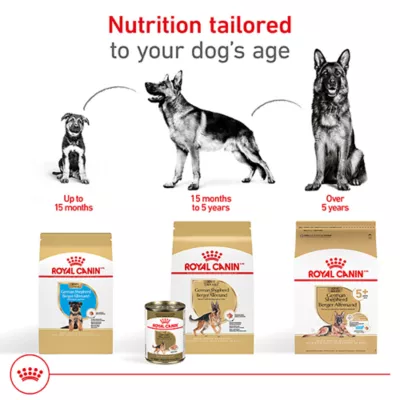
A large-breed adult formula from a well-established veterinary nutrition company is often the safest general choice. These diets usually provide controlled calories, balanced minerals, joint nutrients, and enough protein for an active adult.
Good examples include:
• Hill’s Science Diet Adult Large Breed
• Purina Pro Plan Large Breed Adult
• Royal Canin German Shepherd Adult
• Eukanuba Adult Large Breed
These products differ in protein sources, fiber, fat, and calorie levels. Read the label and choose the one your dog eats well while maintaining a lean body.
Best for sensitive digestion
Some German Shepherds have loose stools, gas, itchy skin, or frequent ear problems. A sensitive-skin or sensitive-stomach formula may help, especially when it uses one main protein source and highly digestible ingredients.
Purina Pro Plan Sensitive Skin & Stomach Large Breed and similar formulas may suit dogs that do better with salmon, lamb, rice, oatmeal, or other gentle ingredients. However, a sensitive formula is not the same as a prescription allergy diet.
If your dog has ongoing diarrhea, weight loss, vomiting, or severe itching, consult a veterinarian. A true food allergy may require a carefully controlled elimination trial.
Best for active working dogs
A German Shepherd that works in law enforcement, herding, search and rescue, or long-distance training may need more calories than a family pet. Performance formulas can provide more fat and energy, but they are not always right for dogs with low activity.
Choose a higher-energy diet only when your dog’s workload supports it. Extra calories can quickly cause weight gain in a pet that spends most of the day resting.
Best for German Shepherd puppies
Puppies need food made for growth, and large-breed puppy food is usually the better option. Puppy diets should provide enough energy and nutrients without excessive calcium or calories.
Look for a label that states the food supports growth of large-size dogs. Avoid adding calcium tablets, bone meal, or extra vitamins unless your veterinarian recommends them. Too much of certain nutrients can affect developing bones and joints.
Best for senior German Shepherds
Older German Shepherds may need fewer calories but still require strong protein intake to help maintain lean muscle. A senior large-breed formula may also include nutrients for joint health and digestion.
Do not assume every senior food is low quality or low protein. Healthy older dogs often benefit from adequate protein. Your veterinarian can help adjust food if your dog has kidney disease, arthritis, diabetes, or another medical condition.
Top nutrients German Shepherds need
The best dry dog food for German Shepherds should support the whole body, not just muscle growth. Think of the diet as a daily toolkit. Protein builds and repairs tissue, fat supplies energy, fiber supports digestion, and minerals help maintain bones.
Protein
Protein supplies amino acids for muscles, organs, skin, immune function, and repair. German Shepherds are active dogs, so a diet with good-quality protein is important.
Look for named ingredients such as chicken, turkey, beef, fish, lamb, or egg. Plant ingredients can also provide protein, but the full nutrient balance matters more than one ingredient on the list.
Very high protein is not automatically better. A balanced formula with digestible protein is usually more useful than a food that makes extreme protein claims.
Fat
Fat is a concentrated energy source. It also helps support healthy skin and a shiny coat.
Fish oil can provide EPA and DHA, two omega-3 fatty acids linked with skin and joint support. Flaxseed may provide another type of omega-3, but dogs convert it to EPA and DHA less efficiently than they use fish-based sources.
High-fat food may help a working dog, but it can cause unwanted weight gain in a calm household dog. Check calories per cup, not just the crude fat percentage.
Fiber and digestive support
German Shepherds can have sensitive stomachs and inconsistent stools. Moderate fiber, digestible carbohydrates, and prebiotic ingredients may help support regular bowel movements.
Ingredients such as beet pulp, chicory root, pumpkin, rice, and oatmeal may appear in digestive formulas. Their effect depends on the full recipe and your individual dog.
Sudden food changes are a common cause of diarrhea. Change food slowly over seven to ten days whenever possible.
Calcium and phosphorus
Calcium and phosphorus work together to support bones and teeth. The balance is especially important for puppies.
Large-breed puppy food is designed to support controlled growth. Adult food may not provide the right nutrient pattern for a growing German Shepherd puppy.
Glucosamine and chondroitin
Some large-breed foods include glucosamine and chondroitin for joint support. These ingredients may be useful, but they are not a cure for hip dysplasia or arthritis.
Weight control is one of the most powerful ways to protect a dog’s joints. A lean German Shepherd usually places less stress on the hips, elbows, and spine.
How to read a dry dog food label
Food labels can feel like a wall of small print. You do not need to understand every word to make a smart choice. Start with these key areas.
1. Check the nutritional adequacy statement
Look for a statement showing that the food is complete and balanced for:
• Growth
• Maintenance
• All life stages
• Growth of large-size dogs, when buying puppy food
This statement is more important than marketing terms on the front of the bag.
2. Compare calories per cup
Two foods may look similar but contain very different calories. A dog that gains weight on one food may maintain a healthy body condition on another with fewer calories per cup.
Use the feeding chart as a starting point, not a fixed rule. Adjust portions based on weight, activity, age, and body condition.
3. Review the first ingredients
The first several ingredients make up much of the recipe. Named meat or fish ingredients can be useful markers, but they should not be the only basis for your choice.
Meat meals, such as chicken meal or fish meal, are concentrated sources of protein. They are not automatically inferior to fresh meat.
4. Look for quality control
Reliable companies usually provide clear contact information, feeding guidance, calorie data, and answers about formulation. They may employ veterinary nutritionists, conduct feeding trials, and test raw materials and finished products.
It is reasonable to contact a company and ask who formulates its food and how it checks for safety. A transparent answer builds trust.
5. Avoid judging food by color or smell
Dogs do not need brightly colored kibble. Artificial colors add little value. A strong smell may come from fats or flavor coatings, but it does not prove that the food is nutritious.
The best dry dog food for German Shepherds is the food that provides balanced nutrition and works well for your dog over time.
Dry food ingredients to approach carefully
Some ingredients are safe for most dogs but may not suit every German Shepherd. Others deserve extra caution because of health concerns or misleading marketing.
Grain-free diets
Grain-free food is not automatically healthier. Many grain-free recipes replace grains with peas, lentils, chickpeas, or potatoes.
The Food and Drug Administration has investigated reports of canine dilated cardiomyopathy involving many diets, including some with high amounts of pulses or potatoes. The issue is complex, and a simple cause has not been proven for every diet. Still, it is wise to discuss grain-free food with your veterinarian before choosing it without a medical reason.
Excessive supplements
Adding calcium, vitamin D, or other supplements can create an imbalance. Complete dog food already contains carefully measured nutrients.
Supplements may have a place when a veterinarian identifies a need. Avoid adding them simply because the label sounds appealing.
Raw or homemade additions
Toppers such as cooked chicken, eggs, or vegetables can add variety, but they also add calories. Treats and extras should generally stay within about 10 percent of daily calories.
Raw meat may carry harmful bacteria and can create nutrient gaps when used as a major part of the diet. If you want to prepare homemade food, work with a veterinary nutrition professional.
Strong marketing claims
Words such as “premium,” “ancestral,” “human-grade,” and “natural” may sound impressive, but they do not replace a complete and balanced nutrient profile.
Focus on evidence, transparency, and your dog’s response.
How much dry food should a German Shepherd eat?
The correct amount depends on body weight, age, metabolism, activity, and calorie density. A large adult German Shepherd may eat more than a quiet dog of the same weight, but size alone does not determine the right portion.
Start with the package guide, then monitor your dog every two to four weeks. You should be able to feel the ribs under a thin layer of fat, see a waist from above, and notice an abdominal tuck from the side.
Use these practical steps:
Weigh the daily portion with a kitchen scale.
Divide food into two meals for most adult dogs.
Count treats, dental chews, and table scraps.
Reduce food slightly if your dog gains fat.
Increase food gradually if your dog is too thin or unusually hungry.
Ask your veterinarian to assess body condition during routine visits.
Free-feeding is usually not ideal for German Shepherds. It can promote weight gain and may make it harder to notice changes in appetite, which can be an early sign of illness.

Feeding German Shepherds to reduce bloat risk
German Shepherds are among the breeds that may face a higher risk of bloat. Bloat can become life-threatening when the stomach twists, so sudden swelling, repeated unproductive retching, restlessness, weakness, or collapse requires emergency care.
No feeding plan completely prevents bloat. Still, sensible habits may reduce some risks:
• Feed two or more smaller meals instead of one large meal.
• Avoid intense exercise just before and after eating.
• Slow down dogs that gulp food.
• Do not force large amounts of water immediately after hard exercise.
• Keep feeding times calm and consistent.
• Ask your veterinarian whether preventive gastropexy is appropriate for your dog.
Raised bowls are often promoted as a way to prevent bloat, but evidence does not support using them as a universal solution. Ask your veterinarian about bowl height, especially if your dog has mobility problems.
How to switch to a new dry food
Even the best dry dog food for German Shepherds can cause stomach upset if you change it too fast. A gradual transition gives the digestive system time to adjust.
Try this seven-day plan:
• Days 1 and 2: Feed 75 percent old food and 25 percent new food.
• Days 3 and 4: Feed 50 percent old food and 50 percent new food.
• Days 5 and 6: Feed 25 percent old food and 75 percent new food.
• Day 7: Feed 100 percent new food.
Some dogs need two weeks or more. If vomiting, severe diarrhea, or refusal to eat occurs, stop the transition and contact your veterinarian.
One lesson many owners learn the hard way is that changing food, treats, and supplements at the same time makes problems difficult to trace. Change one major thing at a time when possible.
Signs the food is working well
A good diet should support visible health, not just a full bowl. After several weeks on a suitable food, look for:
• Firm, regular stools
• Stable body weight
• Healthy skin and a smooth coat
• Good energy during normal activity
• Strong appetite without constant hunger
• No repeated vomiting or excessive gas
• Normal water intake and urination
Stool quality is a helpful clue, but it is not the only one. A dog can have firm stools and still carry too much weight or lack enough muscle.
Take monthly photos from the side and above. This simple habit can help you notice slow weight changes before they become a larger problem.
When a veterinarian should choose the diet
Some German Shepherds need more than a standard store-bought formula. Veterinary advice is especially important when your dog has:
• Chronic diarrhea or vomiting
• Repeated ear infections or severe itching
• Pancreatitis
• Kidney or liver disease
• Diabetes
• Urinary stones
• Food allergy concerns
• Poor growth
• Sudden weight loss or weight gain
• Joint pain or reduced movement
A prescription diet may be useful for a diagnosed condition. It is not always the best choice for a healthy dog, and it should be used with professional guidance.
A veterinary visit can also help identify hip dysplasia, exocrine pancreatic insufficiency, inflammatory bowel disease, or other problems that food alone cannot fix.
A simple buying checklist
Use this checklist when comparing bags of dry food:
Is it complete and balanced for the correct life stage?
Is it suitable for a large-breed puppy, adult, or senior?
Does the calorie level match your dog’s activity?
Does your dog digest it well?
Does the manufacturer provide clear nutrition and quality information?
Does it contain a reasonable balance of protein, fat, and fiber?
Can you buy it consistently?
Can your veterinarian support the choice?
Cost also matters. A food your dog eats well and maintains a healthy weight on may be a better long-term choice than an expensive formula that causes loose stools or requires constant switching.
The best dry dog food for German Shepherds does not have to be the most expensive food on the shelf. It needs to be safe, balanced, suitable, and consistent.
Frequently asked questions
What is the best dry dog food for German Shepherds with sensitive stomachs?
Choose a complete large-breed formula with digestible ingredients and a consistent protein source. If loose stools or vomiting continue, ask your veterinarian about parasites, allergies, pancreatic disease, or inflammatory bowel problems.
Should German Shepherds eat grain-free dry food?
Most German Shepherds do not need a grain-free diet unless a veterinarian identifies a specific reason. Grain-free food has not been proven to be healthier, and some diets under investigation for heart concerns contain high levels of peas, lentils, or potatoes.
Is high-protein food good for German Shepherds?
Adequate, digestible protein supports muscle and body repair, but extremely high protein is not automatically better. Choose a complete diet with a balanced nutrient profile rather than selecting food based on protein percentage alone.
What is the best dry food for a German Shepherd puppy?
A large-breed puppy formula that meets growth standards for large dogs is usually the right starting point. Avoid extra calcium and rapid overfeeding, because controlled growth supports developing bones and joints.
How many times a day should an adult German Shepherd eat?
Most adult German Shepherds do well with two measured meals each day. Smaller meals may be helpful for dogs that eat too fast or have a higher concern about bloat.
Can German Shepherds eat only dry food?
Yes, a complete and balanced dry food can meet a German Shepherd’s nutritional needs. Fresh water should always be available, and wet food or safe toppers can be added if they fit the dog’s calorie and health needs.
How do I know if my German Shepherd’s food is working?
Look for firm stools, steady weight, healthy skin, a shiny coat, normal energy, and a lean body shape. Ongoing digestive problems, itching, or weight changes deserve a veterinary check.
Conclusion
The best dry dog food for German Shepherds is a complete, balanced formula that matches your dog’s age, activity, body condition, and health needs. Prioritize reliable nutrition, controlled calories, digestible ingredients, joint support, and careful portion control over flashy marketing claims.
Choose one suitable food, change it slowly, track your dog’s weight and stool quality, and review the plan with your veterinarian when health concerns appear. With steady feeding habits and regular monitoring, you can give your German Shepherd a stronger foundation for a long, active life. Share your dog’s experience with different foods or explore more evidence-based pet nutrition guides before making your next purchase.