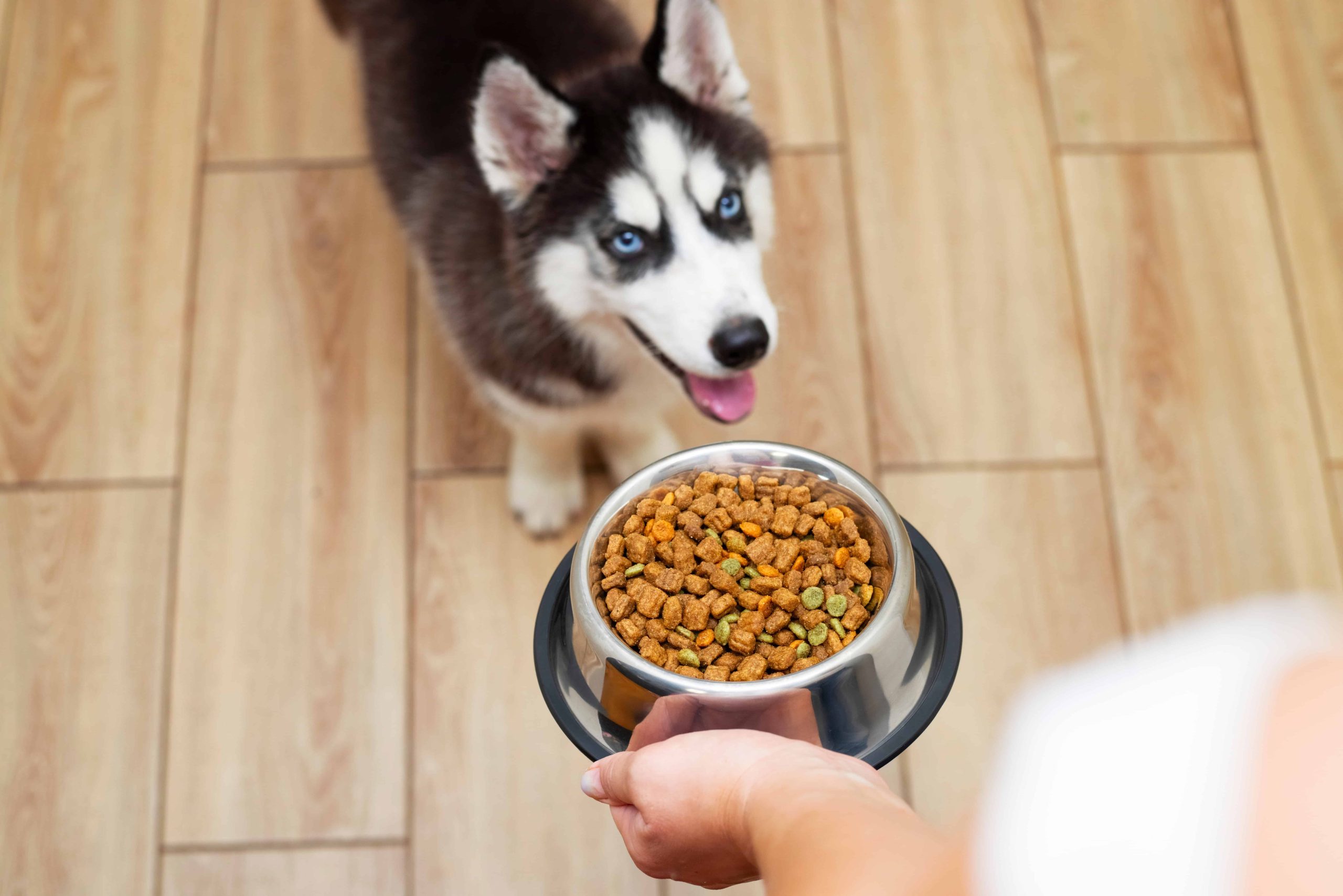
The best food for husky dogs is complete, protein-rich, balanced, and matched to their age, health, and activity.
Choosing the best food for husky dogs takes more than picking a popular bag from the store shelf. Siberian Huskies are active, lean, and often surprisingly efficient with calories. Their ideal diet should support strong muscles, steady energy, healthy skin, and a calm stomach without causing unwanted weight gain. This guide explains what to look for, what to avoid, and how to build a feeding plan that fits your Husky’s real needs.
What Makes the Best Food for Husky Dogs?
The best food for husky dogs is a complete and balanced diet made for the dog’s life stage. It should provide enough protein, healthy fat, vitamins, and minerals without relying on poor-quality fillers or excessive calories.
Look for a food that meets the nutritional standards set for dogs in the United States. The label should state that the recipe is complete and balanced for one of these stages:
• Growth and reproduction
• Adult maintenance
• All life stages
A Husky does not need a special “Husky-only” formula to stay healthy. Breed-specific food can be useful, but the ingredient quality, calorie level, and nutrition statement matter more than the breed name on the package.
A good Husky diet usually includes:
• Animal-based protein such as chicken, turkey, beef, fish, lamb, or eggs
• Healthy fats from fish oil, chicken fat, or other safe sources
• Digestible carbohydrates such as rice, oats, barley, potatoes, or sweet potatoes
• Essential vitamins and minerals
• Omega-3 fatty acids for skin, coat, and joint support
• Enough moisture to support hydration
Ingredients are important, but they do not tell the whole story. A food can list attractive ingredients and still be too low in calories, poorly balanced, or unsuitable for your dog’s health needs.

Understanding a Husky’s Nutritional Needs
Huskies were bred to work hard in cold climates while using energy efficiently. This means many Huskies can stay lean on fewer calories than other dogs of the same size. It also means that feeding by appearance or by the bowl alone can lead to mistakes.
The best food for husky dogs should support lean muscle rather than simply adding weight. A healthy adult Husky should have a visible waist when viewed from above. You should also be able to feel the ribs with light pressure, but the ribs should not be sharply visible unless your veterinarian says that body condition is appropriate.
Protein
Protein supplies amino acids that help maintain muscles, skin, organs, and immune function. Active adult Huskies often do well with a diet that contains a solid amount of high-quality protein.
The exact percentage is not the only factor. Protein quality and digestibility also matter. A recipe with named animal proteins near the top of the ingredient list is often a practical choice.
Fat
Fat is a concentrated source of energy. It can help an active Husky maintain energy and a healthy coat. Fish oil also provides EPA and DHA, two omega-3 fats linked with skin, joint, and inflammation support.
However, more fat is not always better. A very rich diet may cause loose stools, weight gain, or stomach upset. Introduce high-fat foods slowly and watch your dog’s stool and body condition.
Carbohydrates and fiber
Dogs can digest cooked carbohydrates, and many complete diets use grains or vegetables for energy and fiber. There is no need to avoid grains unless your veterinarian identifies a medical reason.
Fiber can support regular bowel movements, but too much may reduce digestible calories or cause gas. The best food for husky dogs provides enough fiber for digestion without making the diet bulky or hard to digest.
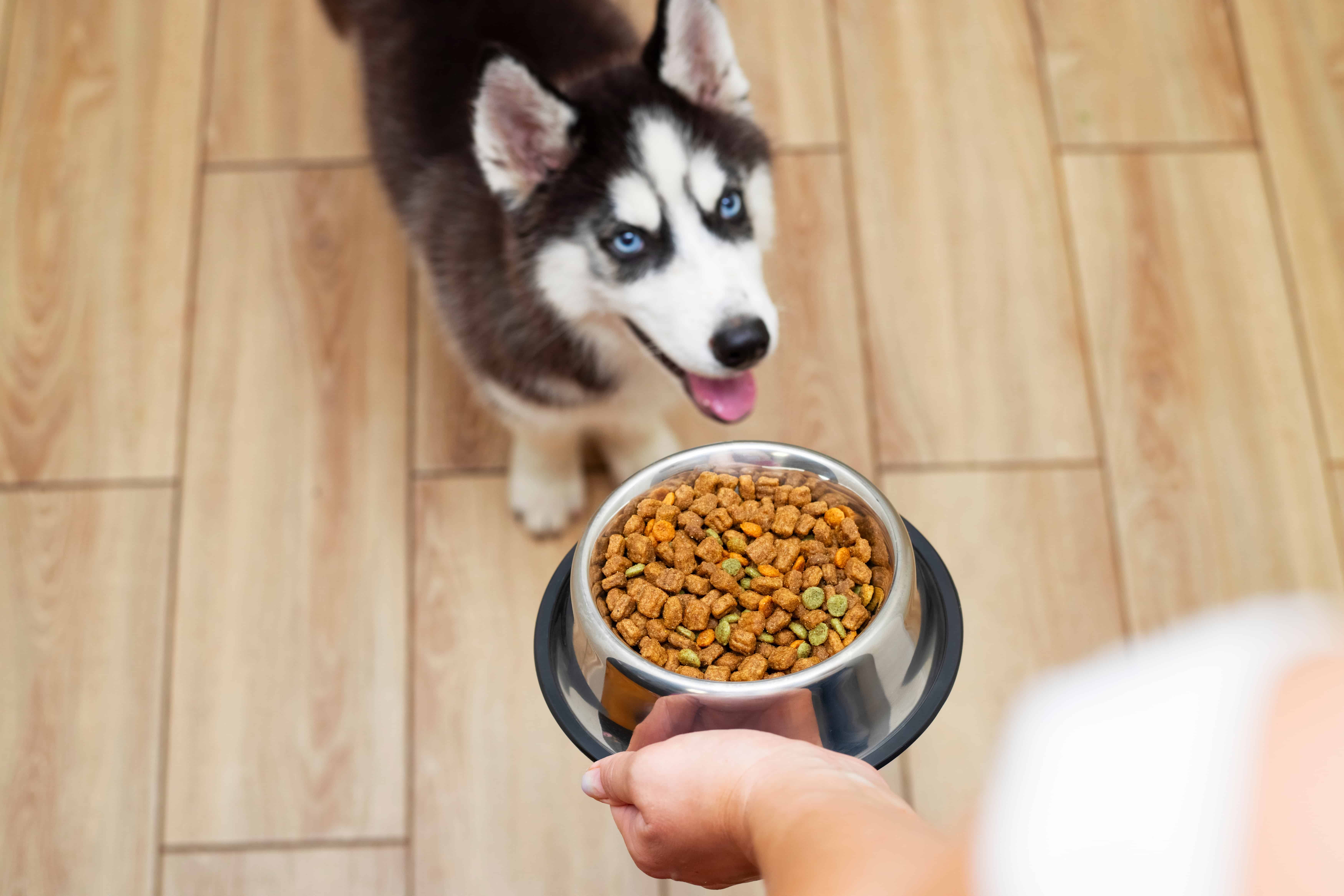
Dry Food, Wet Food, Fresh Food, or Raw Food?
There is no single format that suits every Husky. Dry food is convenient and usually affordable. Wet food contains more water and may appeal to a picky eater. Fresh cooked diets can be useful when properly formulated, while raw diets require careful attention to safety and balance.
Dry dog food
Quality kibble is often the easiest daily choice. It is simple to measure, stores well, and can provide complete nutrition when made by a reputable company.
Choose kibble based on:
• A clear life-stage nutrition statement
• Calorie information per cup
• Named animal protein sources
• Quality control and feeding research
• Your dog’s digestion and body condition
Kibble does not clean teeth by itself. Dental care still requires tooth brushing, veterinary dental checks, or products recommended by your veterinarian.
Wet dog food
Wet food can help increase water intake and may be useful for Huskies with poor appetites or dental discomfort. It is often more expensive per calorie and should be measured carefully because calories vary widely between cans and trays.
You can mix wet food with kibble, but reduce the amount of dry food so the total daily calories do not become excessive.
Fresh cooked food
Fresh food may be a good option when it is complete and balanced. Home-cooked meals made from online recipes are often missing calcium, zinc, iodine, or other key nutrients.
If you cook for your Husky, use a recipe prepared by a board-certified veterinary nutritionist. Do not replace a complete diet with plain meat and rice for long-term feeding.
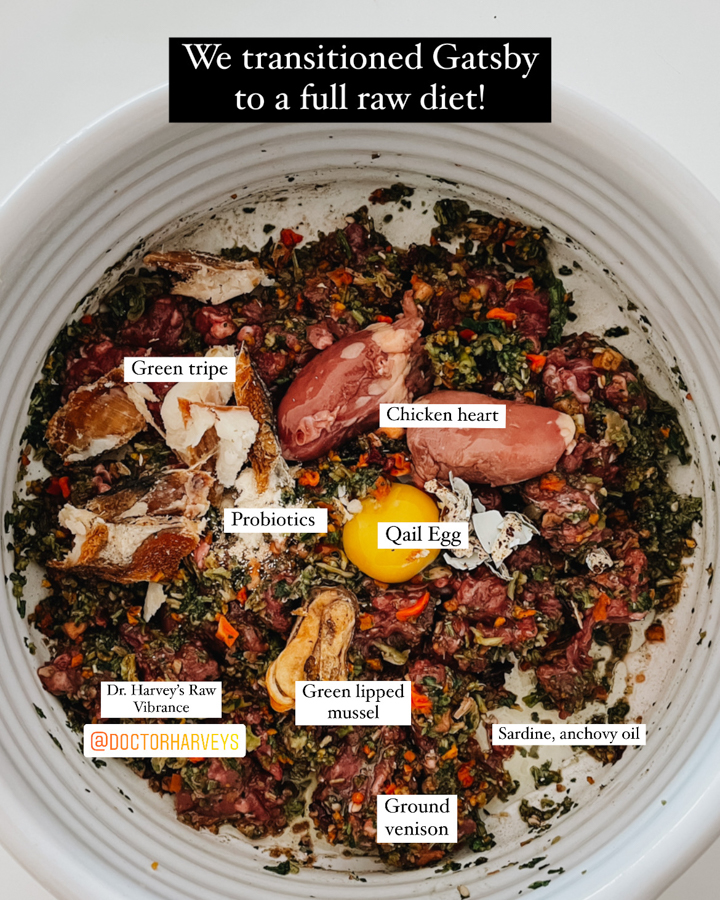
Raw food
Raw feeding has possible risks, including bacterial contamination, broken bones, gastrointestinal injury, and nutritional imbalance. Freezing does not remove every pathogen, and raw diets are not automatically healthier.
If you are considering raw food, discuss it with your veterinarian first. This is especially important if children, older adults, pregnant people, or anyone with a weak immune system lives in your home.
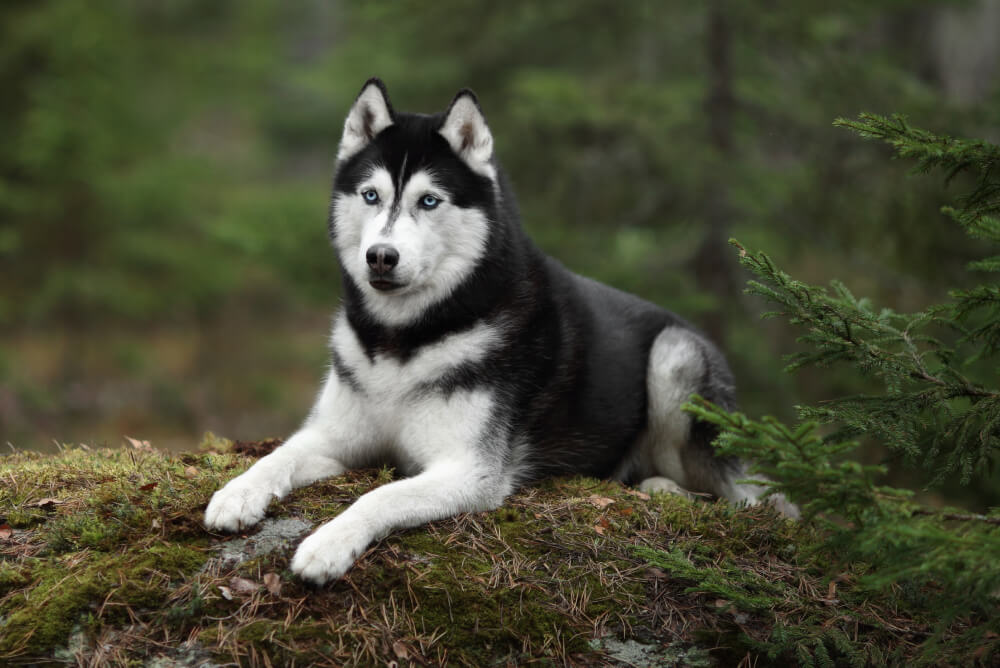
The Best Food for Husky Dogs by Life Stage
A Husky’s nutritional needs change with age. Puppies need controlled growth, adults need steady maintenance, and seniors may need support for joints, muscles, and changing metabolism.
Husky puppies
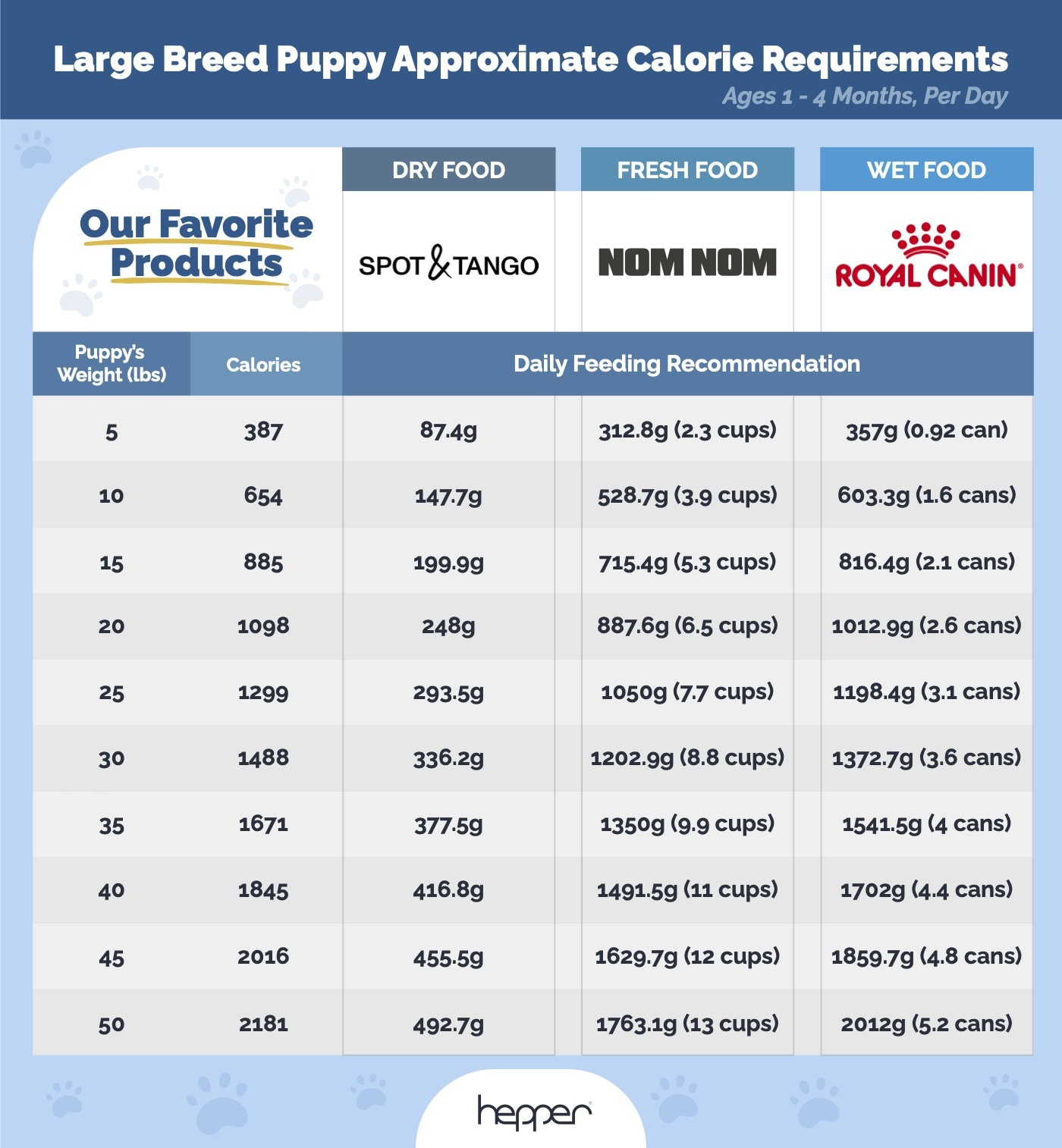
The best food for husky dogs under about 12 months is a complete puppy diet made for growth. Large-breed puppy food may be suitable for some Huskies, but ask your veterinarian which growth formula fits your puppy’s expected adult size.
Puppies need the right balance of calcium and phosphorus. Too much or too little can harm developing bones. Avoid adding calcium supplements unless your veterinarian prescribes them.
Feed puppies several small meals each day. Follow the package guide as a starting point, then adjust based on growth, stool quality, and body condition.
Adult Huskies
Most adult Huskies do well on an adult maintenance diet with moderate to high protein and a sensible calorie level. Working, racing, hiking, or highly active Huskies may need more energy than dogs that spend most of the day relaxing indoors.
Do not assume every energetic-looking Husky needs unlimited food. Many Huskies are excellent at begging while still maintaining a healthy weight. Measure meals with a kitchen scale or standard measuring cup.
Senior Huskies
Older Huskies may need fewer calories but still require enough protein to help preserve muscle. A senior diet may also include omega-3 fats, antioxidants, and controlled mineral levels.
There is no universal age when a Husky becomes a senior. Your veterinarian can assess body condition, blood work, dental health, kidney function, and activity before recommending a change.

How Much Food Should a Husky Eat?
The right amount depends on body weight, age, activity, metabolism, health, and the calorie density of the food. Two cups of one food may contain far more calories than two cups of another.
Start with the feeding guide on the package. Then check your Husky’s body condition every two to four weeks.
Use these practical signs:
• Reduce food slightly if the waist disappears or the ribs become difficult to feel
• Increase food carefully if your dog is losing weight without a medical reason
• Keep treats below about 10% of daily calories
• Divide daily food into two meals for many adult Huskies
• Provide fresh water at all times
• Ask a veterinarian about sudden changes in appetite or weight
Active Huskies may need extra calories during long hikes, sled work, or cold-weather activity. Add calories gradually rather than doubling the meal overnight.
A lesson many Husky owners learn is that appetite can be unreliable. A Husky may skip a meal and still act normal, but repeated appetite loss is not something to ignore. Dental disease, parasites, pain, kidney problems, and other conditions can reduce food intake.

Ingredients to Look For and Ingredients to Limit
Ingredient lists can help you compare foods, but they should not be used alone. Ingredients appear by weight before cooking, and some ingredients contain more water than others.
Useful features include:
• Named meat or fish proteins
• A complete and balanced nutrition statement
• Clearly listed calories
• Fish oil or another safe omega-3 source
• Appropriate fiber for your dog’s digestion
• Quality control information from the manufacturer
Be cautious with:
• Foods that make dramatic health promises
• Diets with no clear nutritional adequacy statement
• Very high-fat recipes for dogs with sensitive stomachs
• Unnecessary vitamin or mineral supplements
• Treats that replace balanced meals
• Foods recalled for contamination or labeling problems
Grain-free food deserves special care. Some dogs need grain-free diets because of specific medical issues, but most dogs do not need to avoid grains. Reports have linked some diets high in peas, lentils, and potatoes with diet-associated heart disease in dogs, although the exact cause remains complex. Discuss grain-free feeding with your veterinarian before making the switch.

Foods Huskies Should Not Eat
Some human foods are unsafe for dogs. Keep these items away from your Husky:
• Chocolate and cocoa
• Grapes and raisins
• Onions, garlic, leeks, and chives
• Xylitol, also called birch sugar, found in some sugar-free products
• Alcohol
• Caffeine
• Macadamia nuts
• Raw yeast dough
• Cooked bones
• Very fatty scraps and greasy leftovers
A small amount of plain, cooked food may be safe as an occasional treat, but rich table scraps can trigger vomiting or pancreatitis. Safe snack options may include small pieces of carrot, cucumber, apple without seeds, or plain cooked lean meat.
When introducing any new food, offer a small amount first. Watch for vomiting, diarrhea, itching, ear problems, or unusual behavior.
How to Change Your Husky’s Food Safely
A sudden food change can upset even a healthy Husky. Change diets over about seven days unless your veterinarian gives different instructions.
- Feed about 75% of the old food and 25% of the new food for two days.
- Move to 50% old food and 50% new food for two days.
- Feed 25% old food and 75% new food for two days.
- Serve only the new food on the final day.
Slow the process if your Husky develops loose stool. If vomiting, bloody stool, severe diarrhea, weakness, or refusal to drink occurs, contact a veterinarian promptly.
Keep a simple food diary during the change. Record the brand, amount, treats, stool quality, and any skin or behavior changes. This small habit can make it much easier to identify what works.
Common Feeding Mistakes Husky Owners Make
Even caring owners can make feeding errors. Huskies are clever, and their feeding habits can be confusing.
Feeding by the cup alone
A cup is not a calorie measurement. Check the calories per cup and compare that number with your dog’s needs.
Changing food too often
Constant changes may cause stomach upset and make it hard to identify an allergy or intolerance. Choose a suitable diet and give it time unless your dog has a clear problem.
Overusing treats
Training treats, dental chews, meat scraps, and food puzzles all count toward daily intake. Use tiny treats or remove a little food from the main meal.
Adding too many supplements
A complete diet usually provides the nutrients your Husky needs. Extra calcium, vitamins, or herbal products can create harmful imbalances or interact with medicine.
Ignoring dental health
Bad breath, dropping food, chewing on one side, or avoiding hard food may signal dental pain. Dental disease can affect eating and overall health, so schedule an examination when these signs appear.

Choosing a Trusted Dog Food Brand
The best food for husky dogs usually comes from a company that invests in nutrition research and quality control. Look for a manufacturer that employs qualified veterinary nutritionists or animal nutrition experts.
Helpful questions include:
• Does the company test finished food for nutrient content?
• Does it follow strong quality control procedures?
• Can it provide calorie and nutrient information?
• Does it conduct feeding trials or nutritional research?
• Is customer support able to answer detailed questions?
A polished package does not prove that a food is excellent. Marketing terms such as “natural,” “premium,” and “holistic” have limited value unless the diet is also nutritionally complete and suitable for your dog.
Veterinary guidance is especially important for Huskies with allergies, chronic diarrhea, kidney disease, urinary disease, obesity, or a history of heart concerns.
Practical Feeding Plan for a Healthy Adult Husky
Here is a simple approach for finding the best food for husky dogs:
- Choose a complete and balanced adult diet.
- Check the calorie content per cup or can.
- Start with the package feeding guide.
- Divide the daily amount into two meals if that suits your dog.
- Keep treats to a small part of daily calories.
- Weigh your Husky or check body condition each month.
- Adjust portions slowly when activity or weight changes.
- Schedule a veterinary checkup at least once a year.
For an active Husky that hikes on weekends, add food based on the extra work rather than feeding a large amount every day. For a less active dog, reduce calories and use play, training, and enrichment to support a healthy weight.
The best food plan is not the most expensive one. It is the plan your Husky digests well, enjoys, and can eat safely for the long term.
Frequently Asked Questions About the Best Food for Husky Dogs
What is the best food for husky dogs?
The best food for husky dogs is a complete and balanced diet with suitable protein, healthy fat, calories, and nutrients for the dog’s life stage. Choose based on your Husky’s body condition, digestion, activity, and medical needs.
Do Huskies need high-protein dog food?
Many healthy Huskies do well with a protein-rich diet because protein supports lean muscle. However, extremely high protein is not automatically better, and dogs with certain medical conditions may need a veterinarian-approved diet.
Is grain-free food better for Huskies?
Grain-free food is not generally better for Huskies. Unless your veterinarian identifies a specific need, a complete diet with safe grains can be a healthy choice.
Can Huskies eat raw meat?
Huskies can eat raw meat, but raw feeding carries risks from bacteria, bones, and nutritional imbalance. Speak with a veterinarian before using raw food as a regular diet.
How often should I feed my Husky?
Most adult Huskies do well with two measured meals per day. Puppies usually need more frequent meals, while the exact schedule should match age, health, activity, and your veterinarian’s advice.
Why is my Husky suddenly refusing food?
A Husky may refuse food because of stress, heat, a food issue, dental pain, or illness. If appetite loss lasts more than a day, or occurs with vomiting, diarrhea, weakness, pain, or weight loss, contact your veterinarian.
Conclusion
The best food for husky dogs is not defined by a flashy label or a high price. It is a complete and balanced diet that supports lean muscle, steady energy, healthy digestion, and a proper body condition.
Choose food for your Husky’s age, activity, health, and calorie needs. Measure portions, limit treats, change diets slowly, and seek veterinary advice when appetite or weight changes. With a thoughtful feeding plan, you can help your Husky stay active and healthy for years to come. Share your Husky’s favorite healthy food or feeding tip in the comments, and keep exploring trusted canine nutrition resources.