The best food for older dogs is complete, balanced senior nutrition matched to their health, size, and activity level.
Choosing the best food for older dogs is not just about finding a “senior” label. Older dogs may need fewer calories, more careful protein control, extra joint support, or a softer texture. This guide explains how to choose safe, balanced food based on your dog’s age, body condition, medical needs, and daily habits.
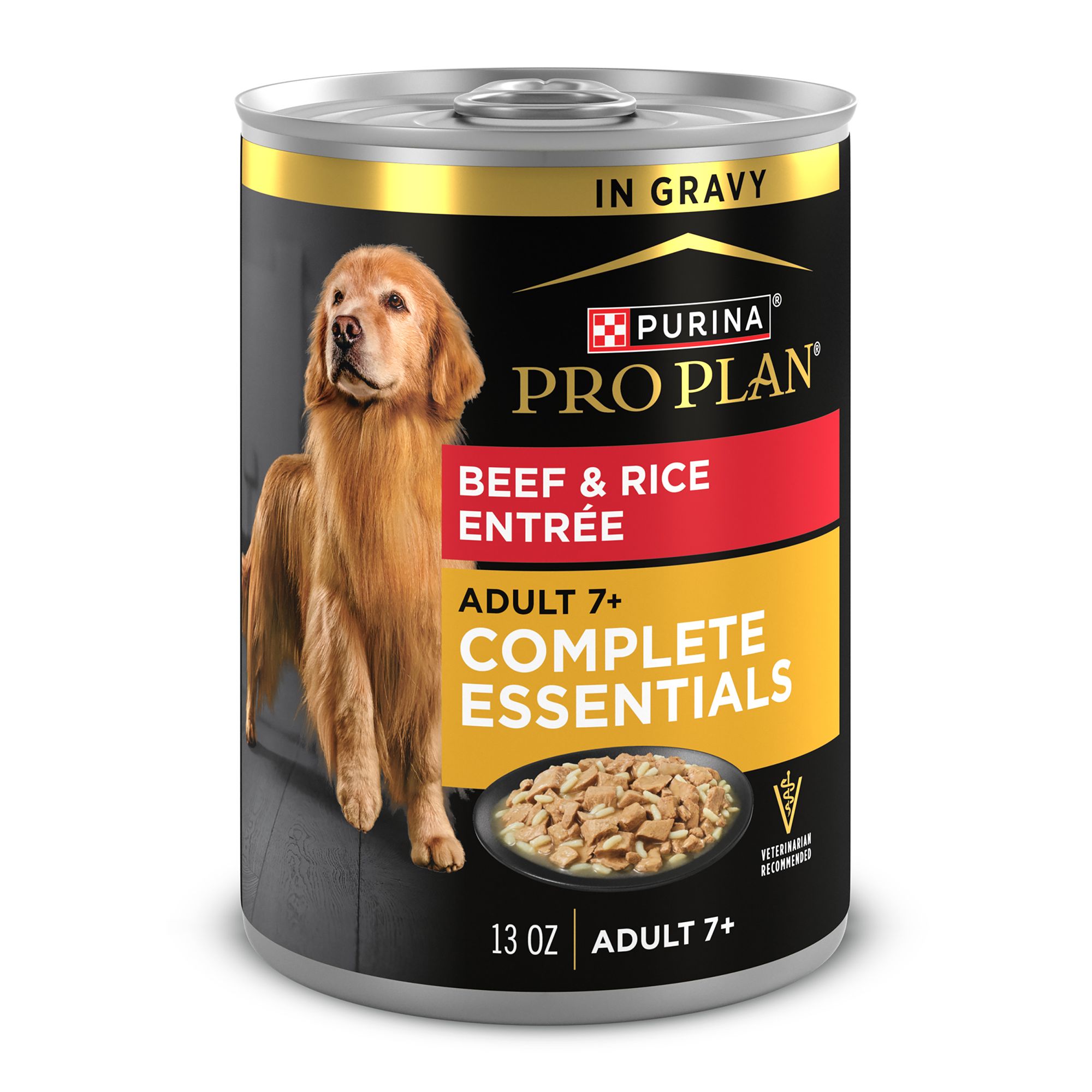
What makes the best food for older dogs?
The best food for older dogs provides complete and balanced nutrition without adding too many calories. It should contain high-quality protein, useful nutrients, and enough moisture to support digestion and hydration.
A senior dog food may be helpful, but the word “senior” is not a guarantee of quality. In the United States, senior dog food does not have one single legal nutrient standard. Some formulas are excellent, while others may not suit your dog’s needs.
Look for these features:
- Animal-based protein from ingredients such as chicken, turkey, fish, beef, or eggs
- Moderate calories to help prevent weight gain
- Healthy fats, including omega-3 fatty acids
- Digestible carbohydrates, if your dog tolerates them
- Fiber to support regular bowel movements
- Vitamins and minerals in safe, balanced amounts
- A nutritional adequacy statement from AAFCO
- Clear feeding directions based on body weight
Protein is especially important because older dogs can lose muscle as they age. Healthy senior dogs usually still need quality protein. Restricting protein without a veterinary reason may make muscle loss worse.
At the same time, a dog with kidney disease, liver disease, diabetes, heart disease, or another condition may need a prescription diet. In these cases, the best food for older dogs is the food that supports the diagnosed condition, not simply the food with the highest protein or fewest ingredients.
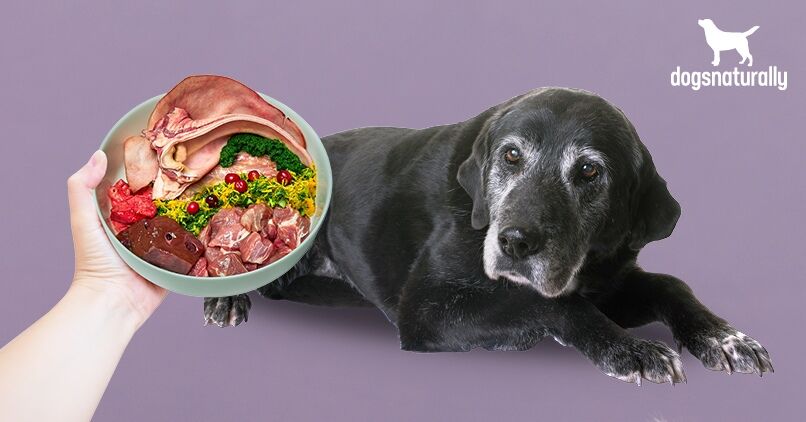
How nutrition needs change as dogs age
Dogs age at different rates. A small dog may remain active well into its teenage years, while a large dog may show age-related changes much earlier. Size, breed, genetics, activity, and health all affect nutrition needs.
Older dogs often become less active. Their bodies may burn fewer calories, but their appetite may stay the same. This can lead to weight gain, which puts extra strain on the hips, knees, heart, and lungs.
Many senior dogs also lose muscle. This can happen because of lower activity, dental pain, illness, or changes in how the body uses nutrients. A diet with enough digestible protein, combined with gentle exercise, can help protect lean body mass.
Other common changes include:
- Slower digestion
- Reduced thirst
- Dental disease
- A weaker sense of smell
- Stiff joints
- Changes in kidney function
- Greater risk of constipation
- Increased sensitivity to sudden diet changes
These changes explain why the best food for older dogs is not the same for every animal. A food that works well for a healthy 10-year-old Labrador may not be right for a 14-year-old dog with kidney disease.
Dry food, wet food, or a combination?
Dry food, wet food, and mixed feeding can all work. The right choice depends on your dog’s teeth, appetite, hydration, weight, and medical needs.
Dry food is easy to measure and store. It can also provide more calories in a smaller serving, which helps dogs with poor appetites. However, kibble does not replace dental care, and hard pieces may be difficult for dogs with painful teeth.
Wet food has more water and often smells stronger. This can help older dogs that drink little or have a reduced sense of smell. It may also be easier to chew, but it usually costs more and can spoil quickly after opening.
A combination can offer balance. For example, you might serve measured dry food with a small amount of wet food as a topper. Count all calories, though. Toppers, treats, and table scraps can quietly cause weight gain.
For dogs with dental pain, do not simply soften food and ignore the problem. Bad breath, dropping food, bleeding gums, or chewing on one side may signal periodontal disease. A veterinary dental exam is more useful than changing food alone.

The best ingredients to look for
Ingredient lists can help, but they do not tell the whole story. The first ingredient is not automatically the most important feature. The complete nutrient profile matters more than a single ingredient.
High-quality protein
Protein supports muscles, skin, immune function, and repair. Good sources include meat, poultry, fish, eggs, and some dairy ingredients.
The food should provide enough protein for your dog’s life stage and health. Older dogs with normal kidney function often benefit from a nutrient-dense diet. Dogs with kidney disease may need a veterinary renal diet with controlled phosphorus and carefully selected protein.
Omega-3 fatty acids
Fish oil provides EPA and DHA, two omega-3 fats linked with support for joint comfort and normal inflammatory responses. They may also support skin and coat health.
Do not add fish oil without checking the dose. Too much may cause stomach upset or add unwanted calories. A veterinarian can recommend a safe amount based on your dog’s weight and health.
Fiber
Fiber can help some older dogs with stool quality and regularity. Sources may include beet pulp, pumpkin, psyllium, or certain grains.
More fiber is not always better. Too much can reduce calorie density or cause gas. Dogs with weight problems may benefit from a higher-fiber formula, while thin dogs may need a more calorie-rich diet.
Antioxidants and plant nutrients
Ingredients such as vitamin E, vitamin C, and selected plant compounds may support normal cell function. However, supplements do not make an unbalanced diet complete.
A balanced commercial diet already contains required vitamins and minerals. Avoid adding many supplements unless your veterinarian recommends them.
Joint-support nutrients
Some senior foods contain glucosamine, chondroitin, or green-lipped mussel. These ingredients may help some dogs, but results vary. They cannot reverse arthritis or replace weight control, exercise, pain care, and veterinary treatment.

How to choose food for common senior dog problems
The best food for older dogs should match the dog’s main health concern. A food marketed for aging may be helpful for one dog and unsuitable for another.
Overweight older dogs
Extra weight is common in aging dogs because activity often decreases. Even a small amount of excess weight can increase stress on joints.
Choose a food with moderate calories and follow the feeding guide for your dog’s target weight, not current weight. Your veterinarian can help set a safe weight-loss plan.
Helpful steps include:
- Measure meals with a kitchen scale or standard measuring cup
- Limit treats to about 10% of daily calories
- Use part of the regular meal as a training reward
- Increase activity slowly
- Weigh your dog every two to four weeks
Underweight older dogs
Weight loss should never be blamed on age alone. Dental disease, cancer, diabetes, kidney disease, intestinal problems, and other conditions can cause weight loss.
A dog that is thin may need a more calorie-dense food, smaller meals, or wet food with a stronger smell. However, a veterinary exam should come first, especially if weight loss is sudden.
Dogs with kidney disease
Kidney diets often control phosphorus and provide carefully adjusted protein, calories, and omega-3 fats. These foods are usually prescribed after blood and urine tests.
Do not switch a dog with kidney disease to a high-protein food without veterinary advice. The best food for older dogs with kidney disease is often a therapeutic renal formula, not a standard senior diet.
Dogs with diabetes
Diabetic dogs need consistent meal timing and calorie intake. Fiber levels and carbohydrate sources may matter, but the ideal diet depends on the individual dog and insulin plan.
Never change food suddenly in a diabetic dog. A diet change can alter blood glucose and insulin needs.
Dogs with arthritis
For dogs with stiff joints, maintaining a healthy body weight is one of the most useful steps. Foods with EPA and DHA may provide added support.
Look for a complete diet with measured calories. Supplements may help some dogs, but they should be selected with veterinary guidance.
Dogs with dental disease
Soft food may make eating easier, but it does not treat infected gums or painful teeth. A dental exam can identify problems that are hidden below the gumline.
Some dogs do well with canned food, softened kibble, or a balanced homemade texture recommended by a veterinary nutritionist.

What to avoid when feeding an older dog
Some foods can create problems even when they seem harmless. Older dogs may also have less ability to handle sudden dietary changes.
Avoid or limit:
- Unbalanced homemade meals
- Raw diets with poor hygiene control
- Excessive fatty table scraps
- Large amounts of treats
- Sudden food changes
- Human foods containing onions, garlic, grapes, raisins, xylitol, or chocolate
- Bones that can break teeth or cause intestinal injury
- Supplements with unknown doses
- Foods chosen only because they are grain-free or “natural”
Homemade diets can work, but they should be designed by a board-certified veterinary nutritionist. Common mistakes include too little calcium, too much liver, an incorrect calcium-to-phosphorus ratio, and missing essential vitamins.
Grain-free food is not automatically healthier. Grains such as rice, oats, barley, and corn can provide useful nutrients for dogs that tolerate them. If your dog needs a special diet, focus on medical evidence rather than marketing language.
Raw food also has limitations. It may expose people and pets to harmful bacteria, and homemade raw diets can be nutritionally incomplete. Puppies, older dogs, and pets with weak immune systems may face greater risk from foodborne illness.
:max_bytes(150000):strip_icc()/iams-healthy-aging-adult-dry-dog-food-for-mature-and-senior-dogs-with-real-chicken--60e2c11e4bec45dd924964891e87df0e.jpg)
How to change your dog’s food safely
Even the best food for older dogs can cause stomach upset if introduced too fast. Most dogs do better with a gradual change over seven to ten days.
Try this schedule:
- Days 1 and 2: Feed about 75% old food and 25% new food.
- Days 3 and 4: Feed about 50% old food and 50% new food.
- Days 5 through 7: Feed about 25% old food and 75% new food.
- Day 8 or later: Feed the new food if stools and appetite remain normal.
Some dogs need two weeks or more. If vomiting, severe diarrhea, refusal to eat, or unusual tiredness occurs, stop the transition and call your veterinarian.
Keep fresh water available at all times. Wash food bowls often, store dry food in a cool, dry place, and keep the original package in case your veterinarian needs the lot number or ingredient details.
Portion control matters as much as food choice. Feeding guides are starting points, not exact rules. Adjust portions based on body condition, weight trends, activity, and veterinary advice.

How to read a dog food label
A dog food label can look complex, but a few details matter most.
First, find the nutritional adequacy statement. Look for wording that says the food is complete and balanced for adult maintenance or the correct life stage. A food labeled only for intermittent or supplemental feeding should not be the main diet.
Next, check calories per cup, can, or kilogram. Two foods may have very different calorie levels even when the serving sizes look similar.
Then review the guaranteed analysis. It lists minimum crude protein and fat, plus maximum crude fiber and moisture. These numbers can help, but they do not show protein quality or digestibility by themselves.
Consider the company’s quality controls. Trustworthy manufacturers should be able to explain:
- Who formulates the diet
- Whether they employ qualified nutritionists
- Where ingredients come from
- How finished foods are tested
- Whether feeding trials or other nutrition checks are used
The World Small Animal Veterinary Association advises owners to look beyond attractive packaging and ask about formulation, testing, and quality control. This is sound advice because words such as premium, holistic, and natural have limited value without evidence.
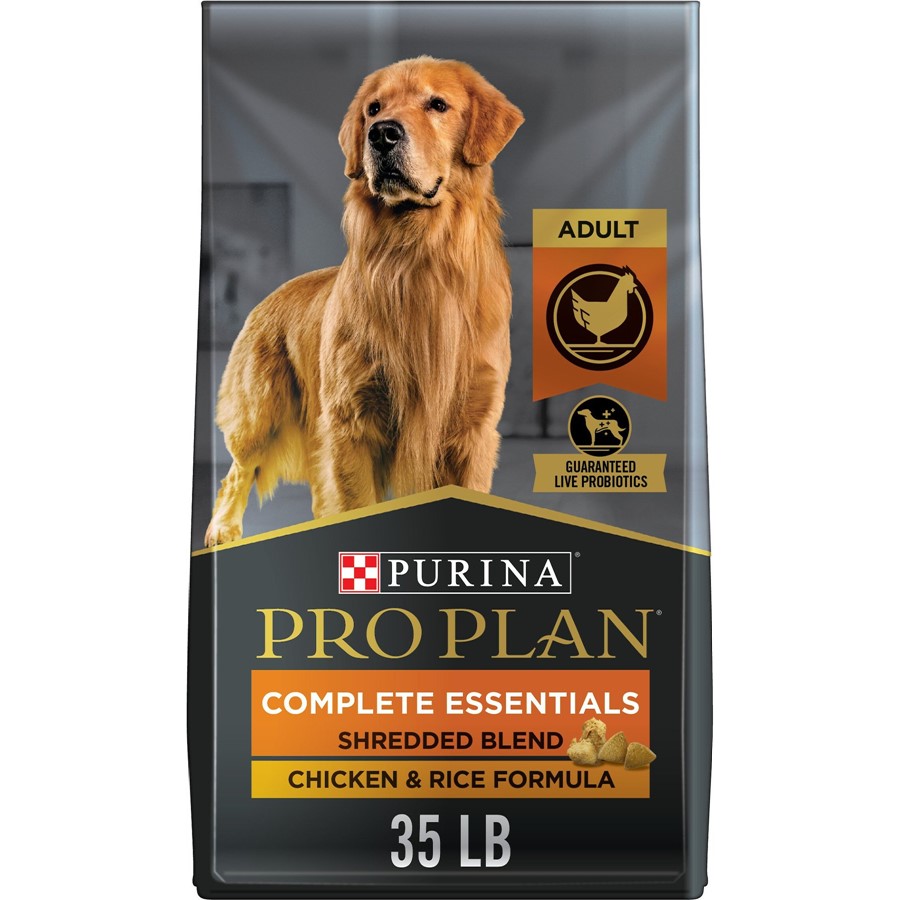
Is a prescription diet always better?
A prescription diet is not automatically better for every senior dog. It is designed for a specific medical need and should be used when that need is present.
For example, a therapeutic kidney diet can be valuable for a dog with chronic kidney disease. It may not be appropriate for a healthy dog that simply needs a lower-calorie meal.
The best food for older dogs is the one that meets the dog’s nutritional needs without creating a new problem. Your veterinarian may recommend blood work, a urinalysis, dental care, or a body-condition check before choosing a diet.
Senior wellness exams are useful because dogs often hide illness. Many veterinarians suggest exams every six months for older pets, although timing depends on age, breed, and health history.
A practical feeding plan for an older dog
A simple routine makes it easier to notice changes early.
- Book a wellness exam and ask whether blood and urine testing are appropriate.
- Record your dog’s current weight and body condition.
- Choose a complete and balanced food for the correct life stage.
- Select calories based on target weight and activity.
- Divide food into two or more meals if your dog prefers smaller portions.
- Keep treats within about 10% of daily calories.
- Track appetite, stool, thirst, urination, energy, and weight.
- Reassess the plan with your veterinarian if anything changes.
One practical lesson many experienced dog owners learn is that appetite alone is not a reliable health measure. Some dogs keep eating while losing weight because of illness. Others beg for food because of habit, medication, or boredom.
A monthly weigh-in can reveal a slow change before it becomes obvious. Think of it as checking the dashboard before a warning light appears.
Frequently Asked Questions About the Best Food for Older Dogs
What is the best food for older dogs with normal health?
The best food for older dogs with normal health is a complete and balanced adult-maintenance or senior formula with appropriate calories and quality protein. Choose based on body condition, activity, dental comfort, and how well your dog digests the food.
Should older dogs eat less protein?
Not always. Healthy older dogs often need adequate, digestible protein to help maintain muscle, while dogs with kidney or liver disease may need a carefully managed diet prescribed by a veterinarian.
Is wet food better for senior dogs?
Wet food is not automatically better, but it can help dogs that need more moisture, have poor teeth, or have a low appetite. Dry food can also be healthy when it is complete, balanced, measured, and easy for the dog to eat.
How many times a day should an older dog eat?
Many older dogs do well with two meals each day. Smaller, more frequent meals may help dogs with poor appetite, sensitive stomachs, or certain medical conditions.
Can I feed my older dog homemade food?
You can feed a homemade diet safely only when it is balanced for your dog and prepared with a veterinary nutritionist’s recipe. Improvised meals often lack calcium, essential vitamins, or the correct nutrient balance.
When should I change my dog to senior food?
There is no single age for every dog. Small breeds may age later than large breeds, so discuss the timing with your veterinarian rather than relying only on the label.
What if my older dog suddenly stops eating?
A sudden loss of appetite can signal dental pain, nausea, infection, organ disease, or another serious problem. Contact your veterinarian promptly, especially if vomiting, diarrhea, weakness, pain, or weight loss is also present.
Conclusion
The best food for older dogs is complete, balanced, easy to eat, and suited to the dog’s weight, activity, and health. Senior formulas can help, but the label alone should not decide the meal. Protein quality, calorie control, hydration, dental comfort, and medical needs all matter.
Start with a veterinary checkup, measure portions, and change food slowly. Watch your dog’s weight, appetite, stool, energy, and thirst so you can act early when something changes. Use this guide to discuss better choices with your veterinarian, and share your dog’s feeding experience in the comments.