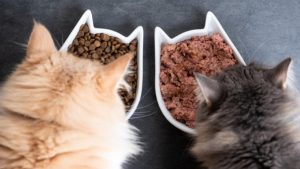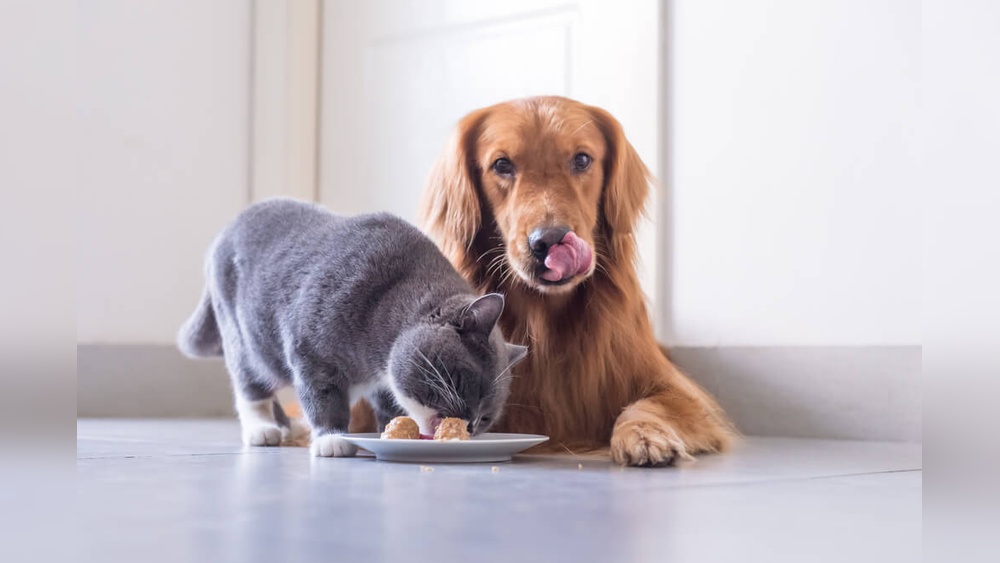
Have you ever caught your dog sneaking a bite of your cat’s food? It might seem harmless, but you may not realize the side effects this simple act can have on your furry friend.
Understanding what happens when your dog eats cat food is key to keeping them healthy and happy. Keep reading to discover the surprising risks and how you can protect your pet from unwanted health problems. Your dog’s well-being depends on it!
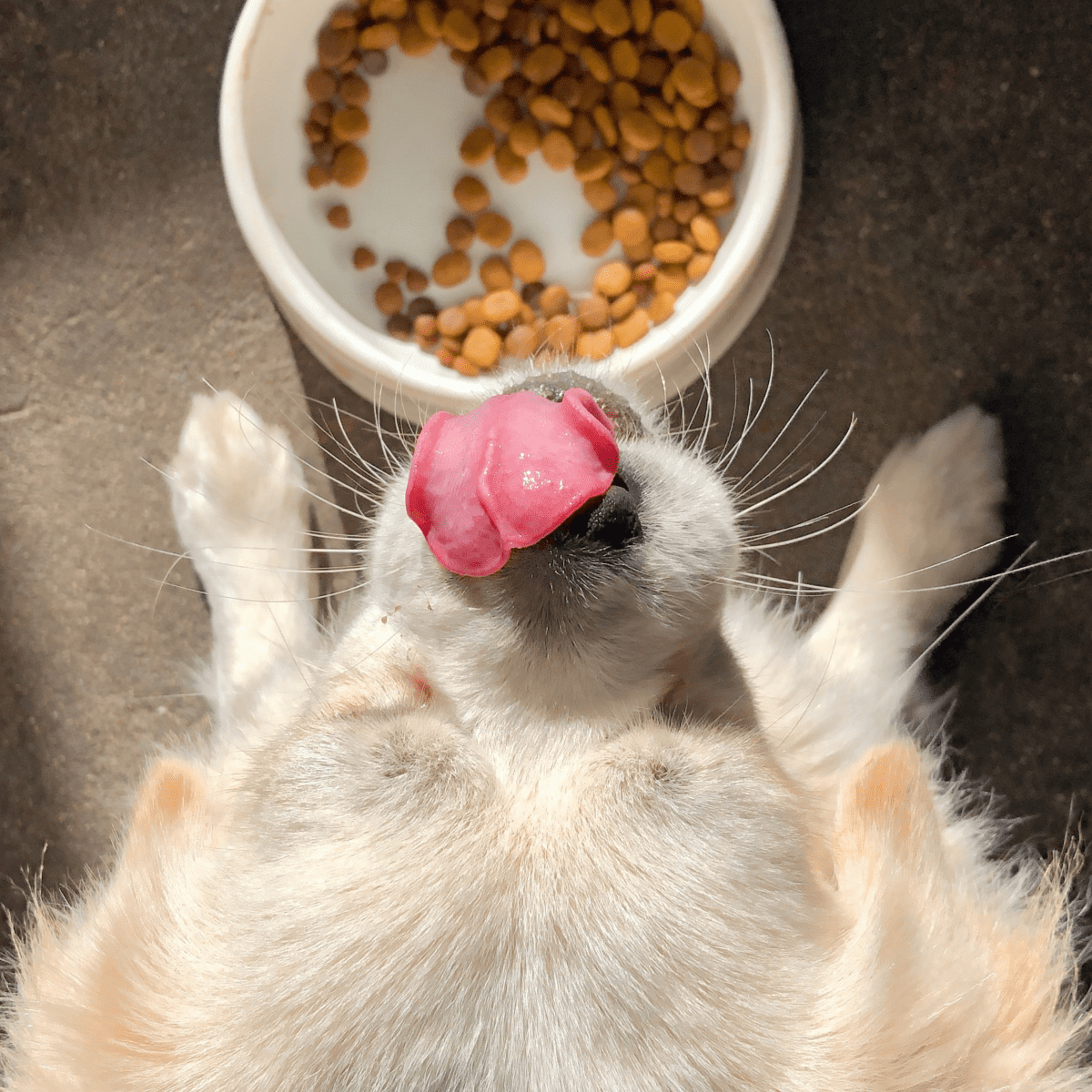
Credit: kdfoundation.org
Nutritional Differences
Dogs eating cat food can face several health problems because of nutritional differences between the two pet foods. Cat food is made for cats, who need more protein and fat than dogs. This makes cat food richer and denser in nutrients. Dogs eating cat food regularly may suffer from dog diet side effects due to these imbalances. Understanding these differences is important to avoid canine health risks caused by cross-species pet feeding. The following sections explain key differences in protein, fat, vitamins, and minerals that affect dog nutrition impact.
Protein And Fat Content
Cat food protein levels are much higher than those in dog food. Cats are obligate carnivores, needing more protein for energy and body functions. Dogs are omnivores and require less protein. Feeding dogs with feline food for dogs can lead to problems such as:
- Excessive calorie intake
- Weight gain and obesity
- Digestive upset and dog digestive issues
- Stress on kidneys and liver
Cat foods also contain more fat. This makes the food richer but can cause digestive discomfort in dogs if eaten often. Fat content differences can be summarized in the table below:
| Pet Food Type | Protein Content (%) | Fat Content (%) |
|---|---|---|
| Cat Food | 30-45% | 15-25% |
| Dog Food | 18-30% | 5-15% |
Dogs eating high protein and fat cat food regularly may develop dog diet side effects like pancreatitis or obesity. Always monitor your dog’s eating habits to avoid these issues.
Vitamin And Mineral Imbalance
Cat food is designed for feline needs, often containing extra vitamins and minerals. This can cause vitamin overdose in dogs if they eat too much cat food. Some common mineral imbalance symptoms in dogs include:
- Weakness or lethargy
- Digestive upset
- Joint pain or stiffness
- Changes in appetite
Pet food dietary differences mean dogs may get too much vitamin A, taurine, or certain minerals like calcium from cat food. These imbalances can harm dogs over time. Below is a comparison of key vitamins and minerals in cat vs. dog food:
| Vitamin/Mineral | Cat Food (Higher) | Dog Food (Balanced) |
|---|---|---|
| Vitamin A | High | Moderate |
| Taurine | Essential & High | Low |
| Calcium | Moderate | Balanced |
| Vitamin D | High | Moderate |
Continuous feeding of cat food to dogs can lead to dog nutrition impact problems like toxicity or mineral deficiency. This shows the importance of avoiding cross-species pet feeding to keep pets healthy and safe.
Immediate Reactions
When a dog eats cat food, some immediate reactions can occur due to differences in canine nutrition and the specific cat food ingredients. Cat food is formulated to meet the needs of cats, not dogs, which leads to possible side effects of cat food on dogs. These reactions often show up quickly, especially as gastrointestinal symptoms in dogs or signs of allergic reactions in dogs. Understanding these early signs helps pet owners respond promptly to keep their dogs safe and healthy.
Digestive Upset
Digestive upset in dogs is a common immediate reaction when they consume cat food. Cat food has higher protein and fat levels to suit cats’ needs. Dogs, however, may struggle to digest these rich ingredients properly. This mismatch can cause several gastrointestinal symptoms in dogs.
- Vomiting: Dogs may vomit after eating cat food due to rich fats and unfamiliar proteins.
- Diarrhea: Loose stools or diarrhea can happen as the dog’s digestive system reacts to the heavy cat food.
- Gas and bloating: Excessive gas or a swollen belly may develop from pet food intolerance.
- Loss of appetite: Some dogs may refuse to eat after discomfort from cat food.
The table below compares key differences in protein differences cat vs dog food that contribute to digestive upset:
| Aspect | Cat Food | Dog Food |
|---|---|---|
| Protein Content | High (30-50%) | Moderate (18-30%) |
| Fat Content | High (15-25%) | Lower (8-15%) |
| Fiber | Low | Higher |
These differences often cause digestive upset in dogs after eating cat food. Owners should monitor their pets closely for these symptoms.
Allergic Responses
Allergic reactions in dogs can also appear soon after a dog eats cat food. Dogs may be sensitive to some cat food ingredients that are uncommon in dog food. This can trigger immune responses that show as allergies.
Common signs of food allergies dogs experience include:
- Itchy skin or scratching
- Redness or rash on the skin
- Swelling around the face or paws
- Excessive licking or biting at the skin
- Ear infections or odor
Some dogs have pet food intolerance rather than true allergies, but symptoms overlap. Identifying the cause early helps avoid prolonged discomfort or more severe reactions.
Proteins and additives unique to cat food can trigger these allergies. For example:
- Higher animal protein sources, like fish or liver
- Added taurine and certain vitamins
- Flavor enhancers not found in dog food
Owners should consult a vet if allergic symptoms appear after dog eating cat food. Managing canine nutrition carefully helps reduce risks of allergic reactions in dogs.
Long-term Health Risks
Feeding dogs cat food can lead to serious long-term health risks. Cat food is made with different ingredients and nutrient levels than dog food. Dogs eating cat food regularly face problems like food intolerance in dogs and other canine health risks. Understanding these risks helps pet owners avoid harm and keep their dogs healthy.
Weight Gain And Obesity
Cat food often contains more fat and protein than dog food. Dogs eating cat food frequently consume extra calories. This can cause obesity in dogs over time. Obesity leads to many health problems, such as joint pain and heart issues.
Common reasons cat food causes weight gain in dogs:
- Higher calorie content: Cat food has more calories per serving.
- Rich fat levels: Fats in cat food are designed for cats, not dogs.
- Overeating: Dogs may find cat food tastier and eat more.
Here is a simple animal diet comparison of average calorie content:
| Food Type | Calories per 100g | Protein % | Fat % |
|---|---|---|---|
| Dog Food | 350 | 22% | 12% |
| Cat Food | 450 | 35% | 20% |
Excess weight puts strain on dogs’ bodies and causes other pet dietary issues. Monitoring diet and avoiding cat food reduces risk of obesity.
Kidney And Liver Strain
Cat food ingredients are rich in protein and certain minerals. These nutrients can strain a dog’s kidneys and liver. Over time, this leads to kidney disease in pets and liver damage in dogs.
Dogs process protein differently than cats. High protein levels in cat food cause stress on the kidneys. Too much phosphorus and other minerals add to the burden.
Signs of kidney or liver strain include:
- Increased thirst and urination
- Loss of appetite
- Vomiting or diarrhea
- Weight loss
Chronic exposure to cat food can cause digestive problems in dogs and worsen kidney or liver function. Proper dog nutrition supports these organs and prevents damage.
Key differences in nutrient needs:
Dogs | Cats ------------------------------------|--------------------------------- Protein requirement: ~18% | Protein requirement: ~30% Phosphorus level: Moderate | Higher phosphorus level Fat content: Moderate | High fat content Feeding dogs the right food reduces risk of organ strain and promotes better health.
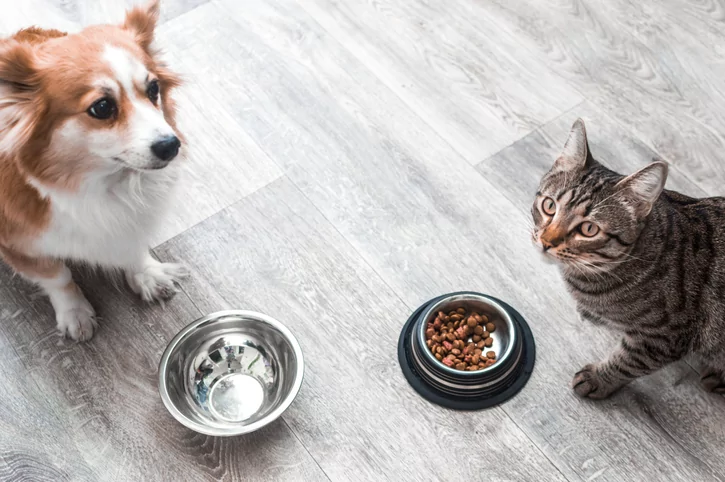
Credit: bottletreeanimalhospital.com
Behavioral Changes
Behavioral changes in dogs can occur after eating cat food. Cat food has different ingredients and nutrient levels made for cats, not dogs. This difference may cause nutritional imbalance in dogs and affect their behavior. Some dogs may develop habits or reactions that are unusual for them. These changes often happen due to dog gastrointestinal upset and dog digestive issues caused by cat food ingredients harmful to dogs. Understanding these behaviors helps pet owners manage their dog’s health better and avoid pet diet cross-contamination.
Food Aggression
Canine food aggression can increase if a dog eats cat food regularly. Cat food is richer and higher in protein and fats than dog food. This richness can make dogs more protective of their food. They may growl, snap, or guard their bowl more than usual.
Signs of food aggression related to eating cat food include:
- Growling when approached during meals
- Snapping or biting near food bowls
- Stiff body posture and intense staring
- Refusing to share food or treats
This behavior may be linked to the dog’s desire to keep the richer food. Nutritional imbalance in dogs can also cause anxiety and stress, leading to aggression. The table below shows how cat food affects aggression compared to regular dog food:
| Behavior | After Dog Food | After Cat Food |
|---|---|---|
| Food Guarding | Low | High |
| Growling | Rare | Frequent |
| Snapping | Very Rare | Sometimes |
Feeding dogs only dog food made for their canine nutrient requirements helps reduce food aggression.
Picky Eating Habits
Dogs may develop picky eating behavior after tasting cat food. Cat food’s strong smell and rich flavor can make dog food seem less appealing. This causes dogs to refuse their regular meals or eat less.
Dog food intolerance symptoms can also appear, including vomiting or diarrhea, making dogs avoid certain foods. Dog gastrointestinal upset from cat food may increase selectiveness.
Common signs of picky eating behavior in dogs include:
- Ignoring dog food bowls
- Waiting or searching for cat food instead
- Eating only certain flavors or brands
- Snubbing healthy treats or supplements
Such behavior can lead to nutritional imbalance in dogs and worsen dog digestive issues. Pet owners should watch for these signs to prevent long-term health problems.
Tips to manage picky eating behavior:
- Feed dogs separate areas to avoid cat food temptation
- Use high-quality dog food matching canine nutrient requirements
- Keep cat food out of reach to prevent pet diet cross-contamination
- Consult a vet if picky eating continues or worsens
Preventing Cat Food Consumption
Preventing cat food consumption by dogs is crucial for maintaining pet health. Dogs eating cat food face risks like dietary intolerance in dogs and digestive issues in dogs. Cat food ingredients have higher protein and fat levels, designed for felines, not canines. This protein content difference can cause gastrointestinal upset and dog nutrition imbalance. Preventing cross-feeding helps protect both pets and ensures pet food safety. Simple steps can keep dogs and cats eating their own diets, reducing health risks and stress during mealtime.
Feeding Schedule Tips
Creating a clear feeding routine for pets helps stop dogs from eating cat food. Dogs often eat cat food out of curiosity or hunger between meals. Setting strict meal times for both pets minimizes this behavior.
- Feed dogs and cats at the same time. This prevents dogs from waiting and sneaking into cat bowls later.
- Remove uneaten cat food quickly. Leaving cat food out encourages dogs to eat it anytime.
- Use portion control. Avoid overfeeding cats. Smaller, timed meals reduce leftovers.
- Train dogs to wait during cat feeding. Reward patience to build good habits.
A feeding schedule table example:
| Time | Cat Feeding | Dog Feeding |
|---|---|---|
| 7:00 AM | Serve measured cat food | Serve measured dog food |
| 12:00 PM | Optional small snack | Optional small snack |
| 5:00 PM | Serve measured cat food | Serve measured dog food |
Clear feeding times establish a routine that reduces cross-feeding risks. Consistency helps pets expect their own meals and avoid digestive issues caused by wrong food.
Separate Feeding Areas
Designating different feeding spaces is key to preventing cross-feeding. Dogs and cats have very different diets. The feline vs canine diet means cat food has nutrients dogs do not need and may harm them.
Separate feeding areas keep pets from stealing each other’s food and reduce stress during mealtime.
- Use separate rooms or barriers. Feed pets in different rooms or behind gates.
- Elevate cat food bowls. Place cat bowls on counters or shelves out of dog reach.
- Supervise mealtime. Watch both pets to prevent food theft.
- Use feeding stations with pet-specific access. Automatic feeders that open only for one pet help control food.
A table of feeding area tips:
| Method | Benefit |
|---|---|
| Separate rooms | Complete food separation, less stress |
| Elevated bowls | Keeps cat food safe from dogs |
| Automatic feeders | Controlled portioning and access |
| Supervised feeding | Prevents food stealing during meals |
Maintaining distinct feeding zones supports pet food safety and reduces dog nutrition imbalance risks. Dogs avoid cat food ingredients that can cause gastrointestinal upset. Cats can eat peacefully, and both pets stay healthy.
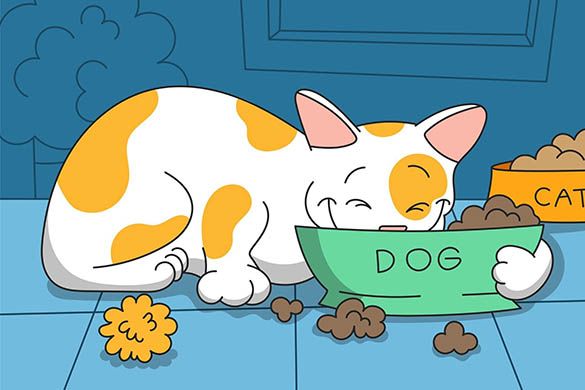
Credit: petcube.com
When To See A Vet
Dogs eating cat food may face several health problems due to differences in nutritional needs. Cat food is richer in protein and fat, which can cause a dietary imbalance in pets like dogs. Knowing when to see a vet helps prevent serious health issues. Timely veterinary care addresses canine health risks related to eating cat food. Watch your dog closely for signs of illness or distress after eating cat food. Early detection reduces complications and ensures your pet stays healthy.
Signs Of Illness
Watch for dog digestive issues that may arise after eating cat food. Some common signs include:
- Vomiting or retching
- Diarrhea or soft stools
- Lethargy or unusual tiredness
- Loss of appetite
- Excessive drooling
- Abdominal pain or bloating
These symptoms may indicate food poisoning symptoms or pet food intolerance. Cat food contains ingredients that can be toxic or hard for dogs to digest. For example, taurine and certain fats are needed by cats but may upset a dog’s stomach.
| Symptom | Possible Cause | Recommended Action |
|---|---|---|
| Vomiting | Upset stomach in dogs due to rich fats | Monitor, keep dog hydrated, see vet if persistent |
| Diarrhea | Digestive upset or food intolerance | Feed bland diet, consult vet if lasts over 24 hours |
| Lethargy | Possible dietary imbalance or toxicity | Immediate vet visit recommended |
Keep a close eye on your dog after accidental eating of cat food. Early signs of illness need attention to avoid worsening health.
Emergency Situations
Some symptoms require emergency vet care. Act quickly if you notice any of these signs:
- Continuous vomiting or dry heaving
- Severe diarrhea with blood
- Seizures or trembling
- Difficulty breathing
- Swollen abdomen or pain
- Collapse or unconsciousness
Toxic ingredients in cat food can cause serious harm fast. Dogs are not built to process certain feline nutrients, increasing risks of poisoning or organ damage.
In emergencies, call your vet immediately. They can provide advice or prepare for urgent treatment. Keep emergency numbers handy. Quick response can save your pet’s life.
Remember, some pet vomiting causes can be mild, but others are life-threatening. Trust your instincts and get help when needed. Prevention includes keeping cat food out of your dog’s reach.
Frequently Asked Questions
Can Dogs Eat Cat Food Without Health Issues?
Dogs can eat cat food occasionally, but it’s not ideal. Cat food has higher fat and protein levels, which may upset a dog’s digestion and cause weight gain if consumed regularly.
What Are Common Side Effects Of Dogs Eating Cat Food?
Common side effects include digestive upset, diarrhea, vomiting, and obesity. Cat food lacks balanced nutrients for dogs, leading to potential long-term health problems if fed frequently.
How To Prevent Dogs From Eating Cat Food?
Keep cat food bowls out of your dog’s reach. Feed pets separately and supervise mealtime to avoid sharing. Training your dog to stay away from cat food also helps.
Is Cat Food Toxic To Dogs?
Cat food is not toxic but is nutritionally unsuitable for dogs. It can cause digestive issues and nutrient imbalances if eaten in large amounts or regularly.
Conclusion
Dogs eating cat food can cause health problems. Cat food has more fat and protein than dogs need. This may lead to stomach upset, weight gain, or diarrhea. Long-term eating can harm your dog’s organs. Watch your pets closely to keep them safe.
Give each pet their proper food every day. Talk to your vet if your dog eats cat food often. A healthy diet helps dogs stay happy and strong. Prevent trouble by feeding pets the right food. Simple care can protect your furry friends well.