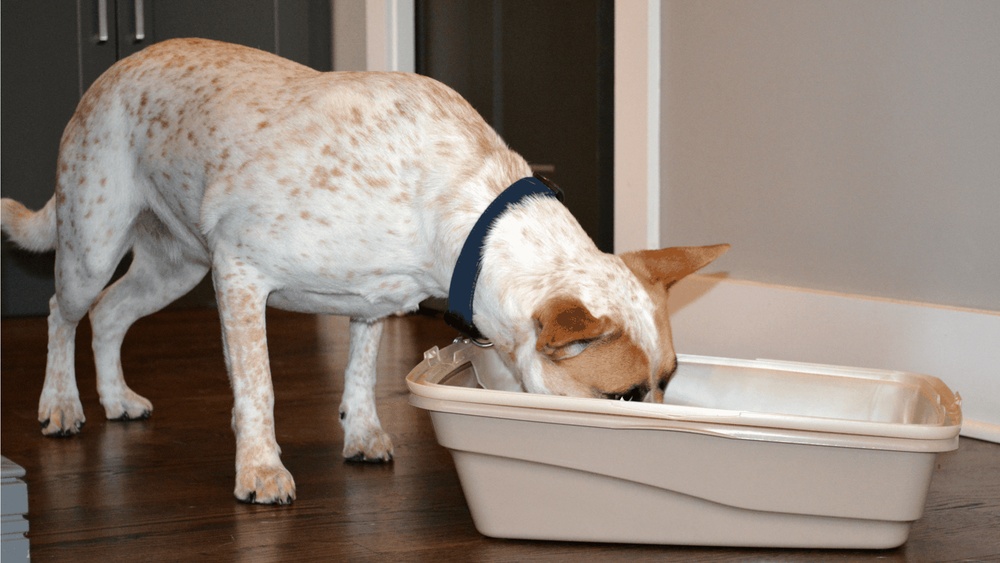
Have you ever caught your dog sniffing around your cat’s litter box? If so, you might worry about what happens when your dog eats cat poop.
This behavior can be more than just gross—it can affect your dog’s health in surprising ways. Knowing the signs and symptoms can help you spot problems early and keep your furry friend safe. Keep reading to learn what to watch for and how to protect your dog from the risks of eating cat poop.

Credit: darsalud.com.ve
Common Symptoms In Dogs
Dogs eating cat poop is a common but unpleasant habit known as dog coprophagia. This behavior can lead to various health and hygiene problems. Recognizing the common symptoms in dogs helps pet owners take quick action. Symptoms often relate to digestive health, behavior, and odor changes.
Digestive Issues
Canine digestive upset is one of the most frequent signs of cat feces consumption. Cat feces contain bacteria and parasites that can disturb your dog’s digestive system. After eating cat poop, dogs may show signs of dog gastrointestinal distress.
- Diarrhea or loose stools
- Vomiting
- Loss of appetite
- Abdominal pain or bloating
- Increased gas or flatulence
These symptoms occur because the dog’s stomach and intestines react to foreign bacteria or parasites. Persistent digestive problems can lead to dehydration and nutrient loss. In severe cases, a vet visit is necessary to prevent worsening conditions.
| Symptom | Possible Cause | Action |
|---|---|---|
| Diarrhea | Bacterial infection from cat feces | Monitor hydration, consult vet if prolonged |
| Vomiting | Stomach irritation | Provide bland diet, seek veterinary advice |
| Loss of appetite | Digestive discomfort | Encourage small, frequent meals |
Behavioral Changes
Pet behavioral symptoms often appear after feces ingestion. Eating cat poop can cause abnormal dog behavior due to discomfort or stress. These changes may be subtle but noticeable to attentive owners.
Common behavioral changes include:
- Restlessness or pacing
- Increased licking of the mouth or lips
- Avoidance of food or water
- Whining or signs of distress
- Excessive scratching or biting at the rear
These behaviors reflect the dog’s reaction to digestive upset or discomfort. Sometimes, dogs may eat cat poop out of boredom or stress. Addressing the cause can help reduce the behavior and improve overall pet hygiene.
Unusual Odor
Dog bad breath causes can include eating cat feces. The smell of cat feces is strong and unpleasant, which may cling to your dog’s breath or fur. This odor is a clear sign of cat feces consumption signs.
Common odor-related symptoms include:
- Foul breath that does not improve with brushing
- Strong, unpleasant smell around the mouth or coat
- Sticky or dirty fur near the rear end
- Signs of poor pet hygiene issues
Persistent bad odor can indicate ongoing feces ingestion and related digestive problems. It may also suggest bacterial growth in the mouth or gastrointestinal tract. Maintaining good hygiene and regular vet checks supports digestive health in dogs and helps prevent odor problems.
Health Risks From Eating Cat Poop
Dogs eating cat poop is more common than many pet owners realize. This behavior poses serious dog health risks. Cat feces ingestion can expose dogs to a range of harmful substances and organisms. The main concern is the canine gastrointestinal symptoms that may appear, such as diarrhea and vomiting. Understanding the health risks from eating cat poop helps pet owners protect their dogs effectively.
Parasitic Infections
Cat feces often contain parasitic worms in dogs that cause infections. These parasites live in the intestines of cats and can easily transfer to dogs through feces. Common parasites include roundworms and hookworms. These worms cause severe digestive upset in dogs, leading to:
- Diarrhea in dogs from cat poop
- Weight loss and weakness
- Vomiting and loss of appetite
Parasitic infections also weaken the immune system, making dogs more vulnerable to other diseases. Puppies and older dogs are at higher risk of severe illness. Detecting parasites early is vital to prevent long-term damage.
| Parasite | Symptoms in Dogs | Treatment |
|---|---|---|
| Roundworms | Diarrhea, vomiting, bloated abdomen | Deworming medication |
| Hookworms | Anemia, diarrhea, weakness | Anti-parasitic drugs |
Bacterial Contamination
Bacteria in cat feces cause bacterial infections in dogs that lead to serious health issues. Common bacteria include Salmonella and E. coli. These bacteria cause canine gastrointestinal symptoms such as:
- Severe diarrhea in dogs from cat poop
- Fever and lethargy
- Loss of appetite and vomiting
Dogs can become dehydrated quickly because of diarrhea and vomiting. Bacterial contamination also increases the risk of secondary infections in dogs. Proper hygiene and prompt veterinary care are necessary to manage bacterial infections.
Signs of bacterial infection include:
- Frequent watery stools
- Bloody diarrhea
- Excessive drooling
Toxin Exposure
Cat poop may contain harmful substances that cause canine toxin poisoning. Cats can carry toxins in their feces, especially if they hunt or eat toxic plants. One major concern is toxoplasmosis in dogs, a disease caused by the Toxoplasma parasite found in cat feces.
Toxoplasmosis can cause:
- Weakness and fever
- Muscle pain and difficulty breathing
- Neurological symptoms in severe cases
Exposure to other toxins in cat feces may cause dog vomiting after eating feces and severe digestive upset. Preventing dogs from eating cat poop is essential to avoid toxin exposure and related health problems.
| Toxin | Effect on Dogs | Symptoms |
|---|---|---|
| Toxoplasma Parasite | Toxoplasmosis infection | Fever, weakness, muscle pain |
| Plant Toxins | Poisoning | Vomiting, diarrhea, lethargy |
Behavioral Causes Of Coprophagia
Dogs eating cat poop is a common but troubling behavior known as coprophagia in dogs. This habit raises concerns about dog stool eating effects and potential health risks dog cat feces might cause. Understanding the behavioral causes of coprophagia helps pet owners address the root of the problem. Several behavioral factors influence why dogs eat feces, especially cat poop, including nutritional needs, emotional states, and social behaviors.
Nutritional Deficiencies
Canine nutritional deficiencies can trigger dog behavior eating feces. When dogs lack essential vitamins or minerals, they may try to get nutrients from unusual sources like cat feces. Cat poop often contains undigested proteins and fats, making it appealing to dogs with dietary gaps.
Common nutritional reasons include:
- Low-quality dog food missing vital nutrients
- Malabsorption due to dog gastrointestinal problems
- Imbalanced diet lacking fiber, vitamins, or minerals
Dogs with digestive issues might also eat feces to compensate for missing enzymes or bacteria needed for digestion. Below is a simple table showing how poor nutrition relates to coprophagia:
| Cause | Effect on Dog |
|---|---|
| Vitamin B deficiency | Increased interest in feces for vitamin intake |
| Protein deficiency | Seeking extra protein from undigested cat food |
| Poor digestion | Consuming feces to get digestive enzymes |
Fixing the diet and consulting a vet about supplements can reduce this behavior. Balanced nutrition improves health and lowers the chance of dog digestive issues cat poop.
Stress And Anxiety
Anxiety in dogs coprophagia is a significant factor. Stress symptoms in dogs often include unusual habits like eating feces. Stress triggers can be changes in environment, loud noises, or separation from owners.
Signs of stress related to coprophagia:
- Restlessness and pacing
- Excessive barking or whining
- Destructive chewing or digging
- Increased feces eating episodes
Eating cat poop may serve as a coping mechanism to relieve anxiety. The behavior distracts dogs from stress and provides comfort. Stress can also affect gut health, worsening dog gastrointestinal problems and encouraging feces consumption.
Managing stress reduces coprophagia:
- Maintain a regular routine
- Provide safe spaces
- Use calming products like pheromone sprays
- Engage in daily exercise
Addressing anxiety in dogs can break the cycle of dog stool eating effects caused by stress. Professional help may be needed for severe anxiety.
Attention-seeking Habits
Dog attention-seeking behavior often leads to unwanted habits such as eating cat poop. Dogs quickly learn that certain actions get reactions from their owners, even if negative. This can unintentionally reinforce coprophagia in dogs.
Reasons dogs eat feces for attention:
- Boredom or lack of stimulation
- Desire to interact with the owner
- Feeling ignored or lonely
Owners may scold or chase their dogs, giving them attention. This reward encourages the dog to repeat the behavior. Instead, positive reinforcement for good behavior works better.
Tips to reduce attention-seeking coprophagia:
- Ignore the dog when it eats feces
- Reward calm and good behavior immediately
- Provide toys and mental challenges
- Spend quality time daily
Understanding dog stool eating effects as a call for attention helps change the dog’s behavior. Training and patience are key to stopping this habit.
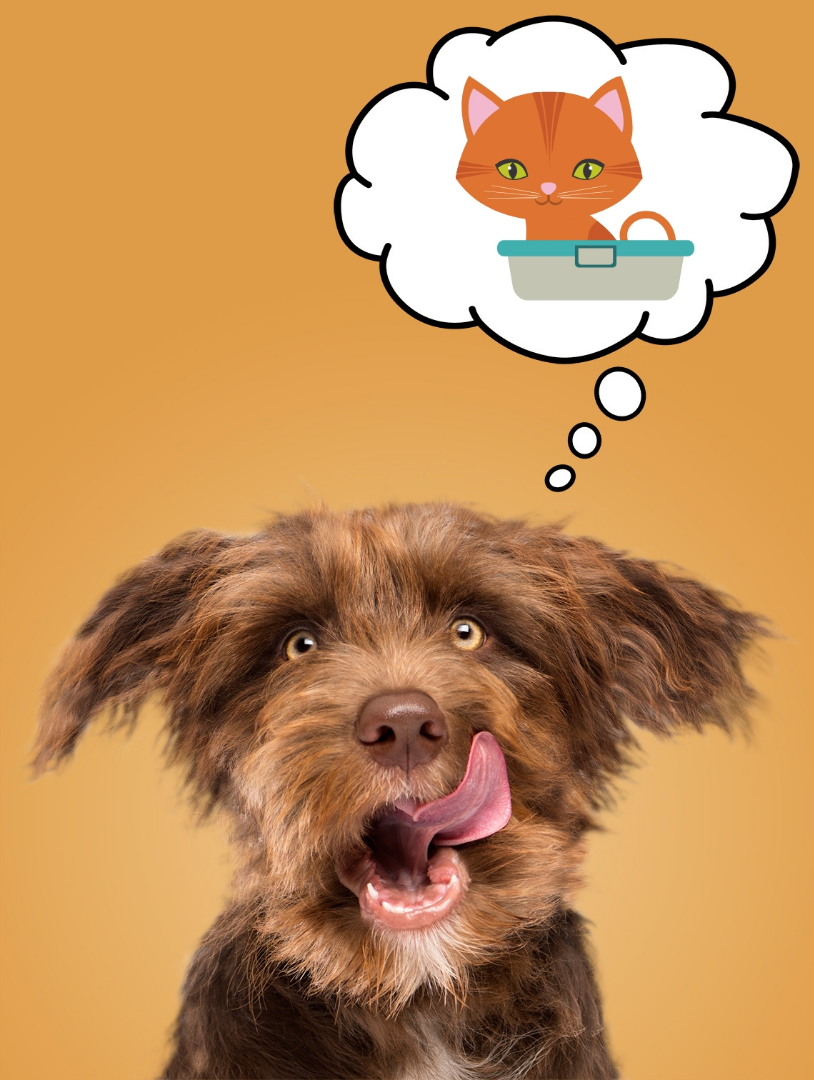
Credit: kdfoundation.org
When To See A Veterinarian
Dogs eating cat poop is a common but concerning behavior for many pet owners. This habit, known as coprophagia, can lead to various health problems. Understanding when to see a veterinarian is crucial to protect your dog’s health. Some signs may seem mild but could indicate deeper issues like parasite transmission from cat to dog or gastrointestinal distress. Early detection helps prevent serious complications.
Persistent Symptoms
Some dogs show mild symptoms after canine ingestion of cat feces. These symptoms might include occasional vomiting, mild diarrhea, or a lack of appetite. If these signs last more than two days, it is important to consult a vet. Persistent symptoms can signal ongoing dog digestive issues or infection risks. Watch for:
- Repeated episodes of dog vomiting after eating cat feces
- Continuous diarrhea or soft stools
- Loss of energy or reluctance to play
- Weight loss despite eating normally
Use this table to track symptoms:
| Symptom | Duration | Action |
|---|---|---|
| Vomiting | More than 2 days | Schedule vet visit |
| Diarrhea | More than 3 days | Consult vet immediately |
| Lethargy | More than 1 day | Monitor closely, seek vet if worsens |
Persistent symptoms could mean signs of infection in dogs or other dog health risks from cat poop. Early vet care reduces the chance of complications.
Signs Of Severe Illness
Severe illness can develop from parasite transmission from cat to dog or bacterial infections. Watch closely for these warning signs:
- Repeated and forceful vomiting
- Bloody or black stools
- High fever or shaking
- Severe abdominal pain or bloating
- Sudden weakness or collapse
These symptoms suggest serious dog digestive issues or internal infections. Immediate veterinary care is necessary to prevent fatal outcomes.
Severe signs often relate to diseases caused by parasites or toxins found in cat feces. Dogs with compromised immune systems are at higher risk.
Below is a quick guide to recognize severity:
- Mild: Occasional vomiting, mild diarrhea, mild lethargy.
- Moderate: Frequent vomiting, watery stools, reduced appetite.
- Severe: Blood in vomit or stool, high fever, collapse.
Act fast at the moderate stage to avoid severe illness.
Preventive Measures
Preventing dogs from eating cat litter is the best way to avoid symptoms of coprophagia in dogs and related health risks. Use these steps to reduce pet behavior problems:
- Keep cat litter boxes out of dog’s reach. Place them in high or closed areas.
- Train your dog to avoid areas where cats relieve themselves.
- Use covered litter boxes to limit access.
- Provide enough exercise and mental stimulation to reduce boredom-driven coprophagia.
- Regularly clean litter boxes to reduce smell and attraction.
- Consult your vet if your dog shows persistent eating of cat feces for behavior advice.
Good hygiene and routine vet checks help catch parasite transmission from cat to dog early. Protect your dog by limiting exposure to cat feces and observing their health closely.
Preventing Cat Poop Consumption
Dogs eating cat poop, or dog coprophagia, is a common but unpleasant behavior. This habit can lead to canine digestive issues and risks like parasite transmission. Preventing cat poop consumption is important for pet hygiene and overall health. Proper strategies help reduce this behavior and protect your dog from harmful effects. This section covers effective ways to stop your dog from eating cat feces through litter box management, training, and environmental changes.
Litter Box Management
Proper litter box habits are key to preventing cat feces ingestion by dogs. Managing the litter box well keeps cat waste out of the dog’s reach and reduces temptation.
- Place litter boxes in areas dogs cannot access. Use baby gates or closed doors to separate pets.
- Clean litter boxes frequently. Removing waste at least twice daily limits the time feces are available.
- Use covered litter boxes. These boxes have lids or doors that block dog access while still allowing cats to enter.
- Consider automatic self-cleaning litter boxes. These reduce human effort and keep the area cleaner for longer.
The following table compares common litter box types for managing dog access:
| Litter Box Type | Dog Access | Cleaning Ease | Cat Comfort |
|---|---|---|---|
| Open Box | High | Easy | High |
| Covered Box | Low | Moderate | Moderate |
| Self-Cleaning Box | Very Low | Best | Moderate |
Good litter box management reduces dog access and supports managing pet interactions more effectively.
Training Techniques
Using pet training methods can discourage dog coprophagia. Training helps your dog learn which behaviors are unacceptable. Consistency is crucial to success.
- Teach basic commands: Commands like “leave it” or “no” stop your dog from eating cat feces.
- Reward good behavior: Use treats or praise when your dog ignores the litter box.
- Redirect attention: When your dog shows interest in cat poop, distract them with a toy or activity.
- Supervise closely: Watch your dog during times when litter box access is possible.
- Use deterrents: Safe taste deterrents on feces can make them unappealing to dogs.
Training helps solve dog behavioral problems by teaching boundaries. It also reduces health risks related to cat feces ingestion. Patience and repetition improve results over time.
Environmental Adjustments
Adjusting the environment supports environmental enrichment for dogs and reduces the urge to eat cat poop. A stimulating and well-managed space keeps your dog busy and less interested in unwanted behaviors.
- Increase exercise: Regular walks and playtime reduce boredom and stress.
- Provide chew toys and puzzles: These keep your dog mentally and physically engaged.
- Separate feeding areas: Feed cats and dogs in different rooms to prevent food and waste mixing.
- Block access to litter boxes: Use barriers or place boxes in hard-to-reach spots.
- Monitor pet interactions: Control how cats and dogs interact near litter boxes to reduce stress and protect hygiene.
Environmental changes improve managing pet interactions and reduce triggers for coprophagia. A happy, enriched dog is less likely to develop harmful habits.

Credit: rc-yamaguchi.com
Frequently Asked Questions
Why Do Dogs Eat Cat Poop?
Dogs eat cat poop due to curiosity, boredom, or nutritional deficiencies. The smell and taste can attract them. This behavior may also indicate a need for more mental stimulation or a balanced diet.
What Are Symptoms Of Dogs Eating Cat Poop?
Symptoms include vomiting, diarrhea, bad breath, and stomach upset. Your dog may also show lethargy or loss of appetite. Watch for unusual behavior after exposure to cat feces.
Can Eating Cat Poop Harm My Dog?
Yes, cat poop can carry parasites and bacteria harmful to dogs. It may cause infections and digestive problems. Prompt veterinary care is essential if symptoms appear after ingestion.
How To Prevent Dogs From Eating Cat Poop?
Keep litter boxes clean and inaccessible to dogs. Use covered litter boxes or place them in rooms dogs cannot enter. Training and providing enough toys can reduce this behavior.
Conclusion
Dogs eating cat poop can cause health problems and unusual behavior. Watch for signs like vomiting, bad breath, or stomach upset. Keep your dog away from cat litter boxes to avoid risks. Clean litter areas often to reduce temptation. Understanding these symptoms helps you act quickly and protect your pet.
Healthy dogs mean happy homes. Stay alert and care for your dog’s well-being every day.